On November 1, the clocks fall back, and by the following week the sun is clocking out at 4:45 in the afternoon. If you work at a desk — and especially if you work at a desk at home — that means your brain starts its “evening” chemistry while you’re still answering emails. I’ve been through enough of these dark seasons now to stop pretending it’s a willpower problem. It’s an engineering problem. Your body runs a light meter, and from November through February, the meter reads “cave.”
So this year I did what I always do with a problem: I turned it into a testing project. Over six weeks, my crew and I ran four light-therapy lamps through morning commutes in a kitchen, put two sunrise alarms on nightstands, and rewired the evening lighting in my office with tunable bulbs and a dumb-lamp workaround. Some of it genuinely moved the needle. Some of it was expensive mood lighting. Here’s the breakdown, starting with the part nobody explains.
Why Winter Breaks Desk Workers First
Quick numbers, because they explain everything else. A sunny afternoon outdoors delivers somewhere between 50,000 and 100,000 lux — lux being the unit your eyes and brain use to gauge time of day. An overcast day still manages 1,000 to 10,000. A typical office? Around 500. Your home office in the evening, with a lamp on: 100 to 200 if you’re lucky. Your circadian system evolved to read the difference between “morning sun” and “almost night” from these numbers, and indoor light doesn’t even register on the morning end of that scale.
Desk workers get the worst of it because we’re indoors for the only daylight hours that exist. A January commute can happen entirely in the dark — both directions. Your body clock, starved of a strong morning signal, drifts later. You wake feeling like it’s the middle of the night because, chemically, it is. That sluggish, foggy, “why am I tired at 3 PM” feeling isn’t a character flaw. It’s a delayed circadian phase with no corrective input. I wrote about the afternoon version of this in my brain fog piece, but winter is the boss level of that problem.
The 10,000-Lux Math Nobody Explains
Light therapy lamps all advertise “10,000 lux” on the box, which is the clinically studied intensity for seasonal symptoms. What the box doesn’t explain is that 10,000 lux is a dose at a distance. The spec means 10,000 lux hitting your eyes from roughly 12 to 16 inches away, depending on the model. Put the same lamp across the desk because the glare annoys you, and the dose falls off a cliff — inverse square law, same reason your flashlight looks dim on a far wall. A session that should take 25 minutes quietly becomes two hours of barely anything.
The protocol that the research supports is simple: 10,000 lux, 20 to 30 minutes, within the first hour or so of waking. You don’t stare at the panel — it sits off to the side while you eat breakfast or answer email. Don’t wear sunglasses, don’t blink obsessively, just let it be bright in your field of view. Give it two to three weeks before judging; the studies that show benefit measured it over weeks, not days. And note that these lamps are UV-filtered white light — the effective ingredient is the sheer intensity, with the blue-green end of the spectrum doing most of the clock-shifting work.
One more thing, because I can hear my inbox filling up: your RGB battle station glow is not light therapy. That magenta halo behind your monitor is 150 lux of decoration. It looks fantastic. It is doing nothing for your melatonin schedule. Keep it — I did — but don’t count it.
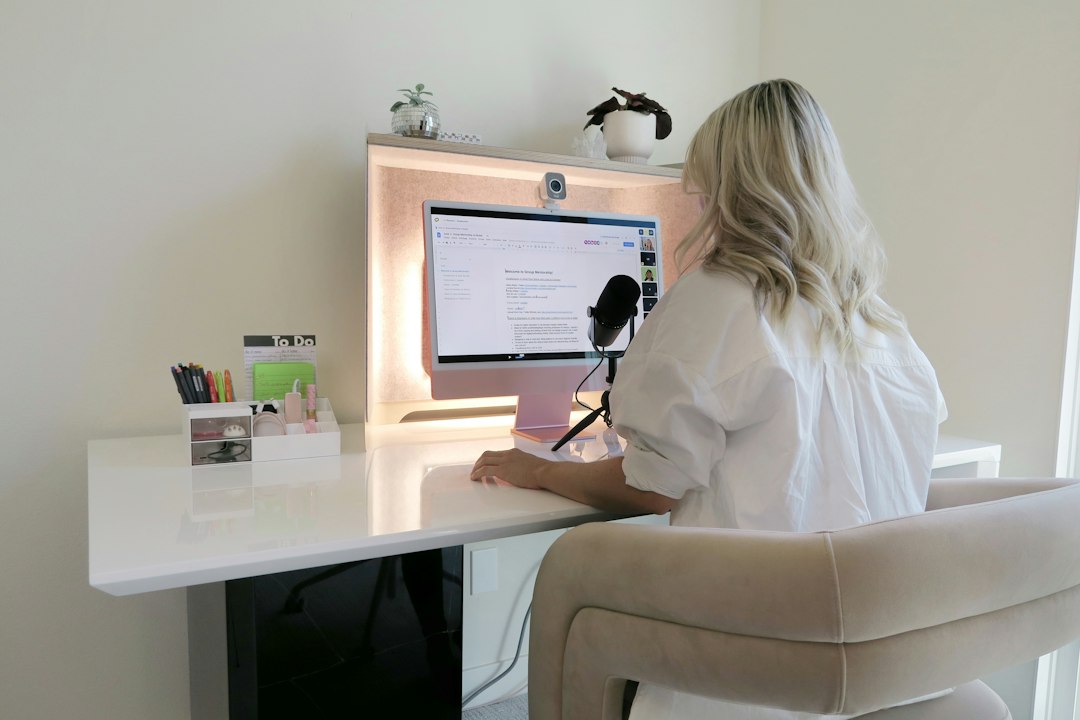
Four Lamps, Six Weeks, One Pick Per Budget
We tested the way real people use these: parked on kitchen tables and desks at 7 AM, with coffee, over weeks. The field separated cleanly.
The Carex Day-Light Classic Plus is the workhorse pick and the one I’d point most people at first. It’s the design clinical studies kept accidentally standardizing on — a big panel, a glare shield, and 10,000 lux at a comfortable arm’s length. The angle-adjustable legs let you tilt it properly, which matters more than it sounds like it would. If you want the bigger, brighter upgrade tier, the Carex Day-Light Elite adds intensity settings and a taller stand; it’s the one wirecutter-style reviewers keep crowning, and deservedly, but the Classic Plus gets you 90 percent of the way there.
The Verilux HappyLight Luxe is the value play — around $70 with four brightness levels, three color temperatures, and a built-in timer. That timer earned its keep: the single most common failure mode in our testing was forgetting to turn the lamp off and leaving it running at noon, which wastes the dose on a clock phase you don’t need help with.
The Circadian Optics Lumos is the one people actually keep using, which counts for more than any spec sheet. It looks like a piece of modern desk gear instead of medical equipment, so it stays out year-round instead of being exiled to a closet every April. Slightly smaller effective dose area — sit a little closer. And the Northern Light Technologies Boxelite is the office-grade slab: a large, flat, serious panel built like it survived a previous career in a clinic. Overkill for a nightstand, right-sized if you want the whole breakfast table to benefit.
Timing note: Big Deal Days wraps up tomorrow, and light-therapy gear reliably gets its best pricing of the season during these events before the January demand spike. If you’ve been on the fence about starting a Prime trial, this is the window where it pays for itself in one order.

The Cheapest Sleep Upgrade Nobody Buys
Here’s the finding that surprised me most: the sunrise alarm did as much for my mornings as the 10,000-lux box, for less money. The logic is straightforward — in December you’re waking at 6:45 into full darkness, and a shrieking phone alarm in pitch black is a cortisol event, not a wake-up. A dawn-simulation clock ramps a warm light up over 20 to 30 minutes before your alarm time, nudging your body toward lighter sleep stages so the actual alarm is a formality.
The Philips Wake-up Light is the category’s reference standard — the company basically invented it, and the mid-tier model under $80 has the sunset fade-down mode that doubles as an evening wind-down tool. At the premium end, the Hatch Restore 2 wraps a sunrise alarm, sound machine, and reading light into one very polished bedside object. Fair warning from your resident subscription skeptic: Hatch pushes a monthly content membership. The sunrise and wind-down features work without it, so treat the subscription as optional garnish, not the meal. I covered the full evening version of this in the nightstand reset — the sunrise clock slots into that system as the morning bookend.

Sunset-Proofing: Warm Bulbs and the 9 PM Dim-Down
The morning side gets all the attention, but the evening side is where most people quietly sabotage themselves. Bright, cool ceiling light at 10 PM tells your clock it’s mid-afternoon, which pushes your melatonin later, which makes the 6:45 wake-up worse, which makes you need the light box more. Fixing only the morning is bailing a boat with a hole in the stern.
The fix is embarrassingly cheap now. Tunable white bulbs let you schedule the shift automatically: bright and neutral (3500–4000K) in the afternoon, warm 2700K after dinner, amber territory by 9. The Philips Hue White Ambiance bulbs are the smoothest dimming and scheduling experience in the business if you’re already in that ecosystem. If you’re not, the Sengled tunable white bulbs do the same sunrise-to-sunset scheduling through their own app for a fraction of the price. And if your favorite lamp has a bulb you love, don’t replace anything — put a Kasa smart plug on it and schedule it to kill overhead lighting at 9 PM sharp. A scheduled blackout of cool light is a circadian feature, not just a convenience.
For the desk itself, bias lighting behind the monitor keeps contrast comfortable without flooding the room with alerting light at night — I ran six light bars through testing last spring, and the warm-dim models earn their keep in winter. Pair that with the screen-side changes I detailed in the screen fatigue investigation and your evenings stop fighting your mornings.
Five Mistakes I Made So You Don’t Have To
Every one of these cost me weeks of a previous winter. Learn from my receipts:
- Running the box at night. A 10 PM light session feels productive and delays your sleep by hours. Morning only, within the first hour of waking.
- Parking it across the room. The dose is 10,000 lux at 12 to 16 inches, not at 6 feet. Distance turns a 25-minute session into homeopathic lighting.
- Quitting after five days. The research horizon is two to three weeks of daily sessions. Most people quit at day six, right before it starts working.
- Overcorrecting into blue-blocker paranoia. You don’t need amber sunglasses indoors at 4 PM. Dim and warm the evening light, yes; live in a cave, no.
- Ignoring the evening entirely. Bright late-night light un-does morning work. The system only works as a loop: strong morning signal, dim warm evening signal.
The Two-Week Countdown to the Clock Change
November 1 is the deadline, which makes this week the ideal starting line. Starting the morning light now, before the clocks change, phase-advances your rhythm gently instead of asking your body to absorb a one-hour shock on a single dark Monday. The playbook fits on an index card: light box with breakfast for 25 minutes, sunrise alarm set to your target wake time, warm-shifted bulbs after dinner, all cool light off by 9 PM. Two weeks from now you’ll be the person who’s suspiciously functional in December, and everyone will assume you’re a morning person. Let them.
The gear adds up to less than one January of dubious mood, a therapist copay, or the triple-digit “daylight” lamps marketed at exactly this anxiety. Start with the lamp and the alarm clock; add the bulbs when you believe me. Winter’s coming either way — it might as well arrive at a well-lit desk.