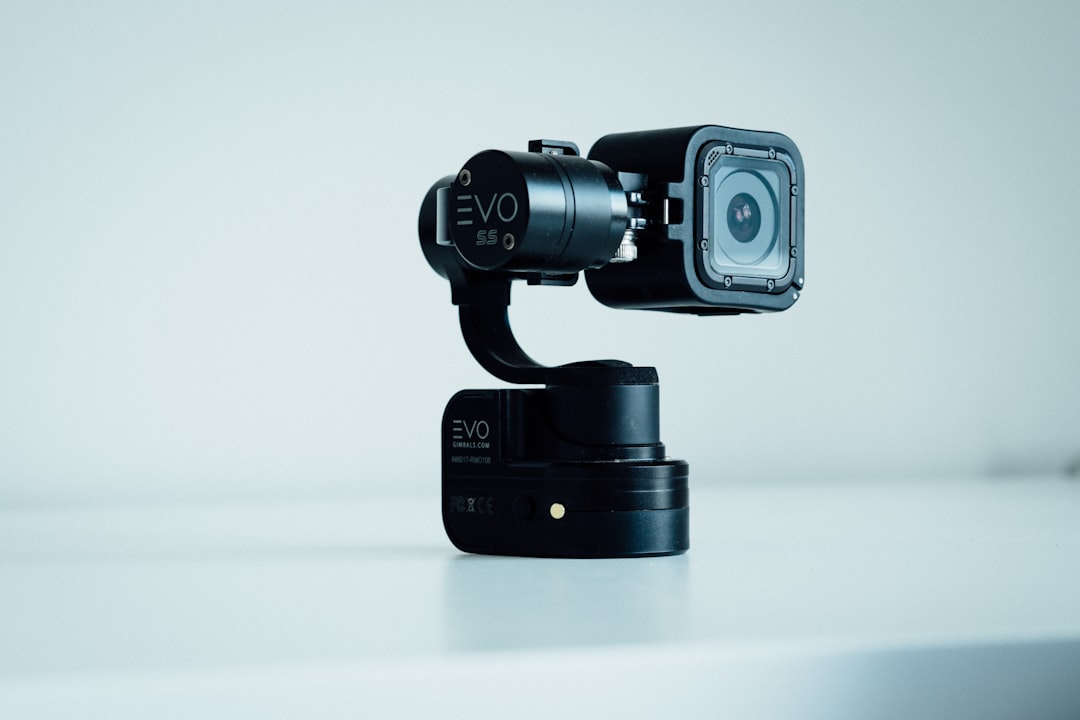
The box arrived from a colleague in Hong Kong with a handwritten note that read, simply, “worth the paperwork.” Inside was the DJI Osmo Pocket 4P — the dual-lens flagship pocket gimbal camera that DJI launched worldwide on July 30, and that American buyers are officially not supposed to be able to purchase at all. After three weeks of carrying it everywhere my regular cameras usually go, I understand the note. And I also understand why, if you live in the US, you should probably buy something else. Let me explain both halves of that.
Two Lenses, and the End of the Oldest Compromise
Every pocket gimbal camera before this generation shared one crippling limitation: a single fixed wide lens. You want a tighter shot of your kid on stage, a distant stage at a show, a mountain ridgeline? You cropped. Digitally. And you watched the detail evaporate one zoom increment at a time.
The 4P ends that compromise with two separate cameras on one gimbal. The main unit is a 1-inch stacked CMOS at a 20mm-equivalent focal length with an f/2.0 aperture — your everyday vlogging workhorse. Flip to the second lens and you get a 60mm-equivalent medium telephoto at f/1.8 with its own 1/1.28-inch sensor. That focal length, for the photographers reading, is the classic portrait length. Faces stop stretching. Backgrounds compress into buttery separation that no computational blur mode has ever convincely faked.
The switch between lenses is effectively instant, and DJI layers zoom tiers on top: 3x jumps to the telephoto optically, 6x adds a mild crop that’s still clean, and 12x is pure digital territory you should treat as an emergency option rather than a feature. My team shot a side-by-side of the same street scene at wide and 3x, and the telephoto footage genuinely looks like it came from a different, more expensive camera. That’s the whole point.
Seventeen Stops Is Not a Typo
Here’s the spec that made me sit up. The main sensor uses what DJI calls LOFIC — lateral overflow integration charge modulation, if you enjoy tongue twisters — to achieve a claimed 17 stops of dynamic range. For context, that’s cinema-camera territory, and roughly three stops beyond what typical 1-inch consumer sensors deliver.
In practice, at golden hour, it means something simple: the sky keeps its gradient instead of clipping to white, while the shadows two stops under still hold recoverable detail. Record in 10-bit D-Log 2 and you get grading headroom that, a few years ago, required a shoulder rig and a $4,000 body. The footage cuts against my full-frame b-roll with only mild color massage — something I could never say about earlier Pocket generations without wincing.
The software keeps pace. ActiveTrack 8.0 locks onto subjects with a stubbornness I tried and failed to shake — it held my dog through a full zoom-lens switch, which shouldn’t be physically possible on a gimbal this small. There’s a 6x zoom on the telephoto… er, let me be precise: three zoom tiers, and the tracking survives all of them. On-device film tones and real-time skin smoothing mean the footage my interns post straight from the camera looks graded without touching an editor, and the DJI Mimo app unlocks deeper color controls when you want them.
The rest of the spec sheet reads like DJI ticking every box reviewers complained about. 4K at 240fps for genuine 10x slow motion, in 4K, not a 1080p consolation prize. A 2-inch, 1000-nit touchscreen that stays legible in direct sun. A six-microphone array with stereo recording and credible wind rejection. Around 210 minutes of runtime from the 1545mAh battery, plus 103GB of internal storage — enough that you can leave the house without a card and not regret it until roughly hour three.
The Telephoto Changes What You Shoot
I want to dwell on the 60mm lens for a moment, because it’s the difference between a spec bullet and a behavior change. Wide-only cameras train you to get close to everything. The 4P trains you to hang back and still get the shot.

At a friend’s album showcase, I stood at the back of the venue and pulled tight framings of the performer that would’ve been unrecognizable mush from my phone’s digital zoom. The f/1.8 aperture grabbed stage light I didn’t think was there. Same story at my nephew’s soccer game, a food market I didn’t want to loom over, and a birthday dinner where nobody enjoys a camera 40cm from the dessert. The 3-axis mechanical gimbal keeps handheld 60mm footage smooth in a way unstabilized long-lens shooting never is — that’s the quiet magic of putting optical zoom on a gimbal this small.
Minimum focus distance tells the same story from the other direction. The wide lens focuses at 9cm, which turns dinner-table shots into near-macro detail; the telephoto’s 20cm minimum makes it a legitimate close-up machine for product b-roll. In one afternoon my team shot an entire small-business feature — establishing wide, working telephoto, detail close-ups — without ever reaching into the camera bag. That’s the entire pitch of this camera in one anecdote.
Now the Bad News, If You’re in America
Here’s where this review gets strange. DJI sits on the FCC’s Covered List after a December 2025 addition, which means no official US release path for the 4P. Worldwide, the Vlog Combo opened around £605/$704-equivalent. In the US, your options are gray-market marketplace listings — currently around $980 for a “Standard Combo” from a third-party seller, with shipping windows measured in weeks.
That’s a 39 percent premium over DJI’s own global price for a camera with no US warranty, no official support channel, and — depending on the seller — a listing title that doesn’t even match the product. I’ve watched this playbook with other blocked DJI gear: the units are typically genuine, but you’re paying a scarcity tax and betting on an importer’s customer service. One listing I tracked even carried warning flags the standard Pocket 4 listings don’t — mismatched brand fields, delivery windows that slipped twice. My colleague’s advice to me was blunt: fine as a reviewer’s loaner, hard to recommend as a purchase.
So should you pay the gray-market toll? If you’re a working creator with telephoto-specific needs and a tolerance for risk — maybe. For everyone else, there are smarter moves, and ironically one of them comes from DJI’s fiercest rival.
What I’d Actually Buy Instead
The Insta360 Luna Ultra is the sleeper here. Insta360’s answer to the 4P went on sale globally with 8K recording, dual Leica lenses, a 1-inch sensor, and its own gimbal — and unlike the DJI, it has a normal US retail channel. The Cosmic Black standard kit or the Creator Bundle both list at or below what the gray-market 4P costs, with a warranty. In our back-to-back b-roll test, its colors ran slightly cooler and its stabilization is a half-step behind DJI’s, but the raw resolution advantage is real. If I were building a creator kit from scratch in the US this month, this is where my money goes.
The Osmo Pocket 3 has become the value play. With the 4-series drifting toward import limbo, the Pocket 3 standard kit and the Pocket 3 Creator Combo are widely discounted, officially sold, and still produce the best stabilized 4K/120 footage per dollar in this category. No telephoto lens, and “only” 13-ish usable stops — but for walk-around vlogging, it remains the machine I hand to people who ask “what should I start with?”
The Osmo Pocket 4 sits in an awkward middle. Same April-launched 1-inch sensor as its Pro sibling’s wide lens, 4K240, ActiveTrack 7.0 — but no US official channel either. US listings like the Pocket 4 Standard Combo and the Creator Combo bundles carry the same marketplace-seller asterisks. If you find one at a sane markup and accept the support situation, it’s a lovely camera. Just go in eyes-open — and for readers who want the deeper dive on gray-market DJI math, my earlier piece on why your video calls still look terrible covers how much camera specs actually matter versus the gear around them.
The Two Accessories That Matter More Than the Body
Whichever pocket gimbal you buy, audio is where these cameras still need help. Built-in mics have gotten good — the 4P’s six-mic array is the best yet — but wind and distance physics remain undefeated. A wireless lav kit is the single biggest upgrade to perceived production quality, and it costs a fraction of a camera body.

The DJI Mic 3 two-transmitter kit pairs beautifully with the Osmo line and adds serious range for interviews. Budget shooters should look at the ultralight DJI Mic Mini kit, which vanishes on a t-shirt and runs all day. I covered the AI-powered lav side of this world in my writeup on Insta360’s neural-chip microphone — the short version is that on-device audio processing has quietly become the most exciting corner of creator hardware.
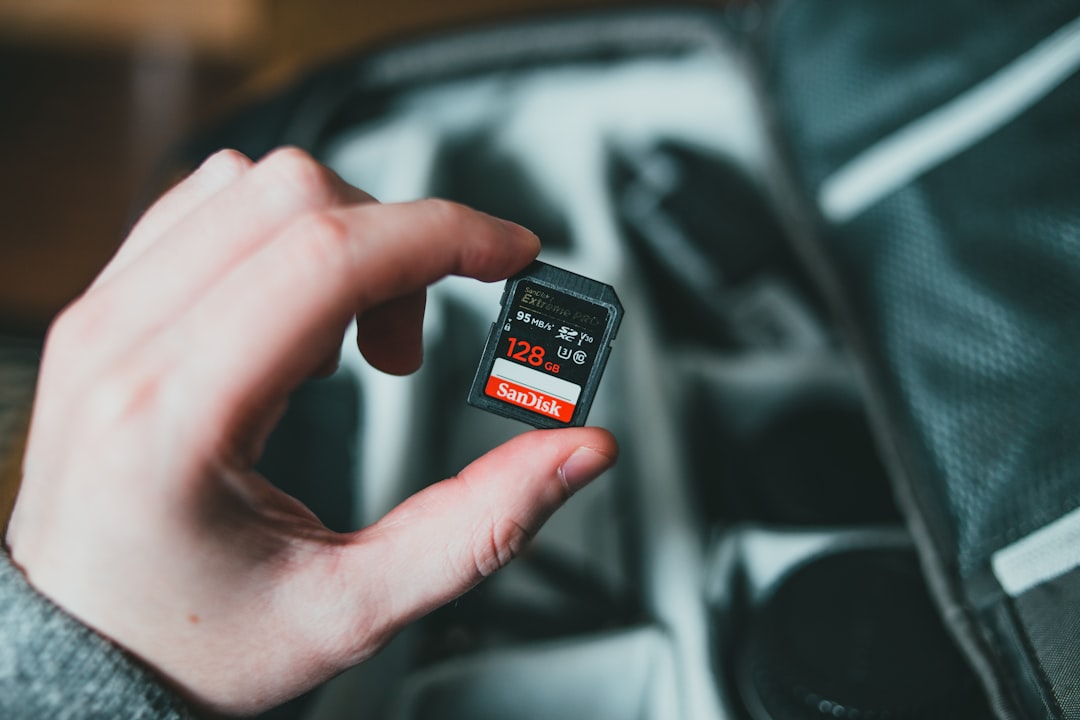
Then storage. Pocket cameras eat cards faster than you’d expect — 4K240 and 8K modes especially — and a slow card will cap your recording modes, not just your transfer times. The SanDisk 256GB Extreme microSD is the boring, reliable pick I keep rebuying. And if you’re assembling a full grab-and-go kit, my solo creator video kit breakdown walks through every piece of the bag.
Verdict: A Great Camera With a Geography Problem
Strip away the politics and the Osmo Pocket 4P is the best pocket gimbal camera ever made — the first one I’d call genuinely professional, with a telephoto lens that changes shooting behavior and a sensor that punches two classes up. If you’re in Europe, the UK, or most of Asia, it’s a straightforward recommendation at its real price.
If you’re in the US, the calculus is different. A 39 percent gray-market premium with no warranty isn’t a purchase decision, it’s a gamble. The Insta360 Luna Ultra delivers the dual-lens dream through legitimate channels for less money. The Pocket 3 delivers 85 percent of the joy at half the price. Both let you sleep at night.
The best camera of 2026 has a geography problem. Fortunately for American creators, its rivals made sure that’s DJI’s problem, not yours.