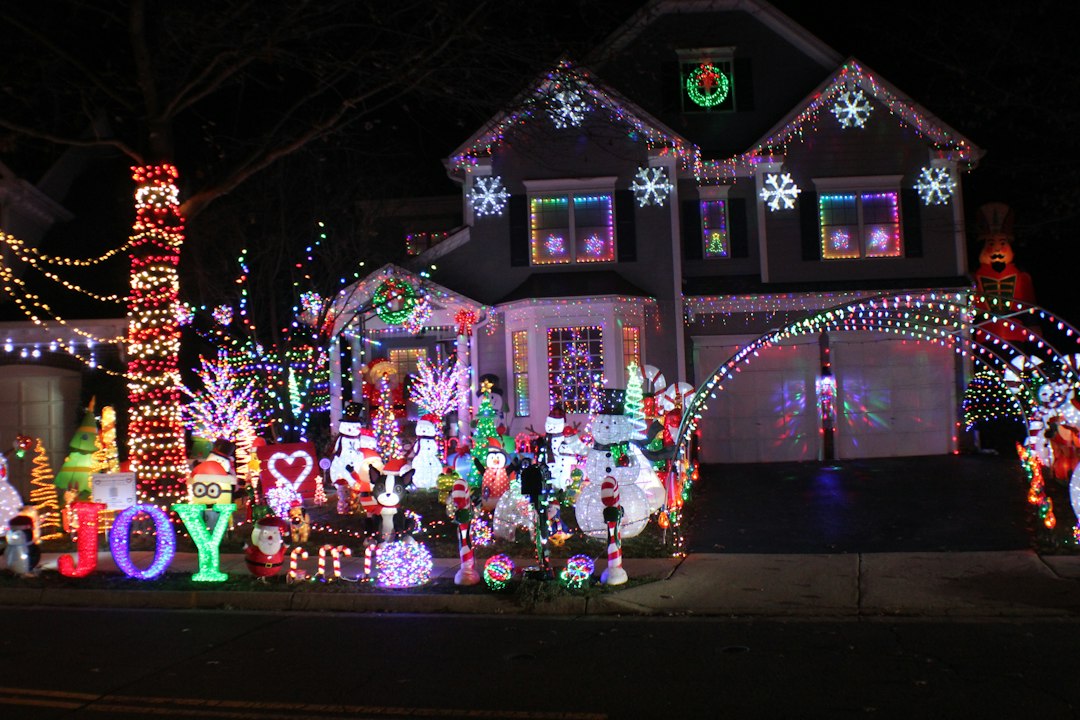
There’s a house three doors down from mine that glows on random Tuesdays in March. Not holiday lights — the owners took those down sometime during the second Obama administration and never bothered again. This is different: a low, warm wash along the roofline that comes on at dusk every single evening, like the house is quietly proud of itself. My neighbor across the street assumed it was some $10,000 contractor job. I assumed it was a gadget. As usual when both of those guesses collide, we were both sort of right.
They’re called permanent outdoor lights — app-controlled LED rails that mount along your fascia once and stay there all year. In December they do red and green. In October they do orange and purple. The rest of the year they sit at a warm 2,700K amber that just makes the house look better. The category has quietly exploded over the last two years, and October is when the math actually matters, because installation season ends the day your ladder gets sketchy on frost.
The Tuesday-Night Problem
Here’s the thing nobody tells you about holiday lights: December was never the point. The real payoff of permanent lighting is every other night of the year. My street has exactly one house with a lit roofline right now, and it wins the block by default every evening. That’s not decoration — that’s curb appeal with a power switch.
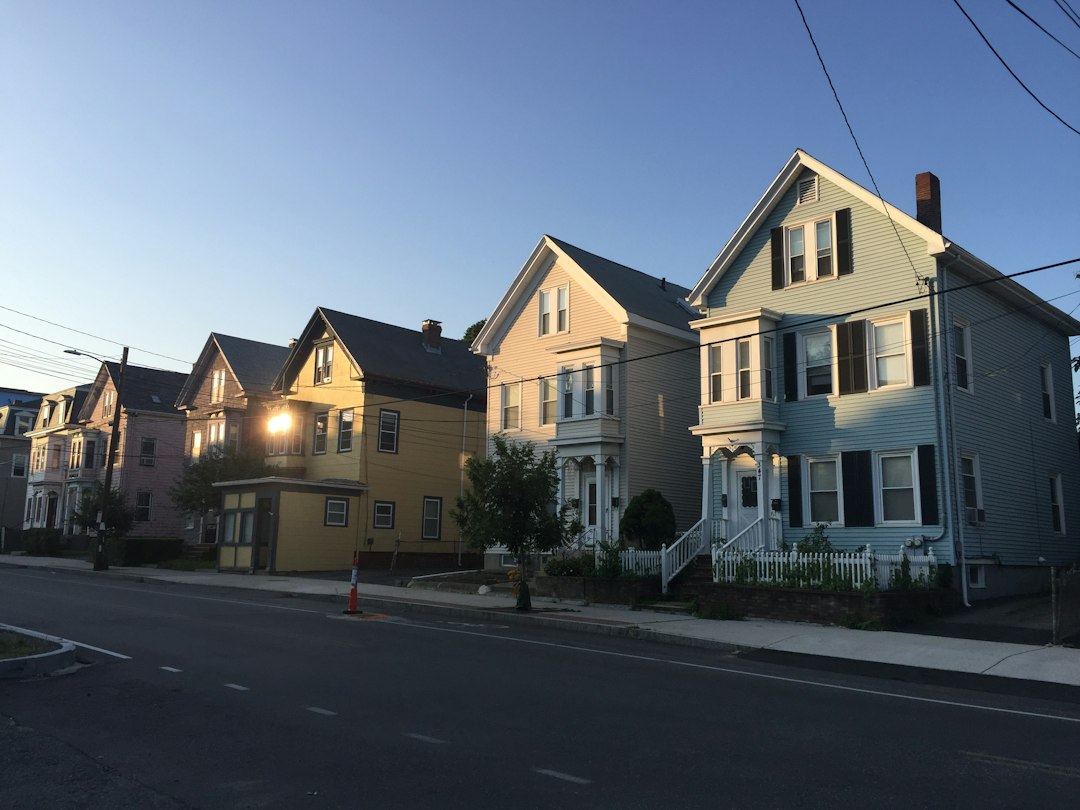
I sent my assistant out to photograph a few neighborhoods last week for this piece, and the pattern held everywhere: one or two houses per block with the permanent warm glow, and they consistently read as the best-maintained properties on the street. Real estate agents have noticed too. A light wash that runs nightly does more for a home’s presence than almost any other $300 upgrade I can test — and I test furniture, projectors, and robot mowers for a living.
The psychology is simple. A dark roofline at 6 p.m. in late October reads as empty. A lit one reads as occupied, maintained, alive. When we travel, my wife now turns the front rail to a slow color shift as a vacation presence cue — the same instinct behind the smart plug routines I run indoors, just aimed at the street instead of the desk.
Why October Is the Real Deadline
Permanent lighting is a fair-weather install, and the window closes faster than people think. Adhesive-backed clips and track tape want surface temperatures above 50°F to bond properly. Screws go into brittle, cold vinyl fascia badly. And the practical reality: nobody wants to spend four hours on a ladder in a November wind.
Every pro installer I talked to while reporting this said the same thing — their calendars are already full through November, and rush jobs in December cost a premium. DIY folks have a softer deadline, but only slightly. If the kit is going up before the first freeze, the order needs to happen in the next few weeks, not after Thanksgiving when everything is sold out and priced accordingly. It’s the same lesson I learned building my backyard setup: outdoor infrastructure rewards whoever shows up early in the season.
What “Permanent” Actually Means on Your Roofline
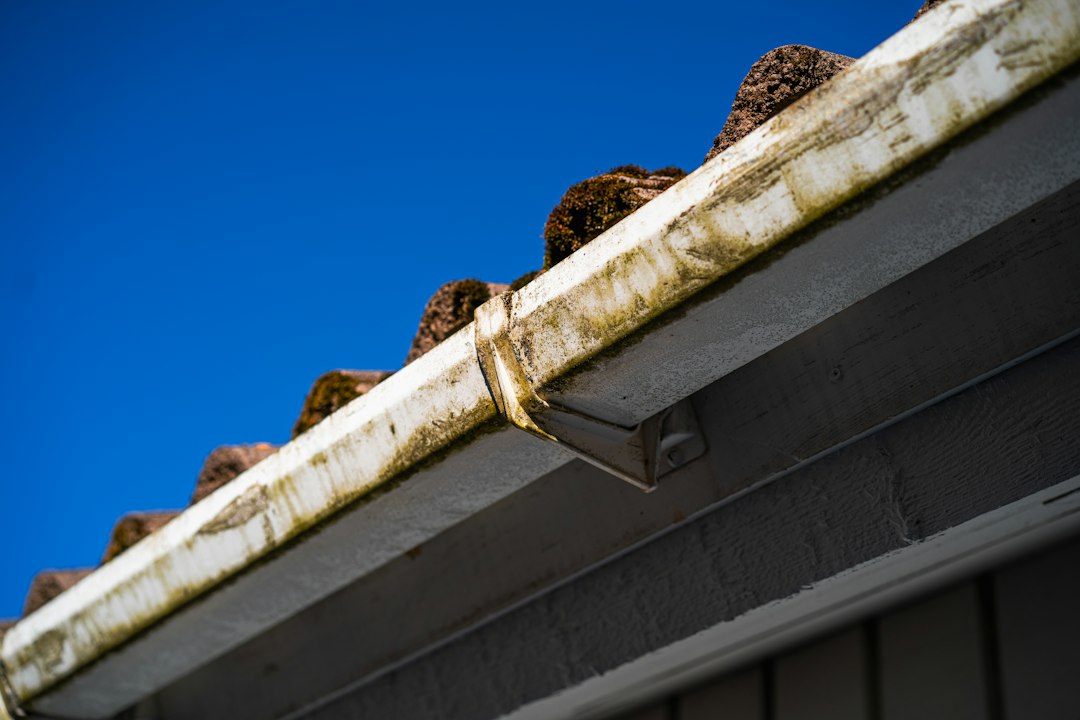
The category splits into two very different products that get marketed like they’re the same thing. Installed systems — Trimlight is the big name, with regional brands like ShawTech and Gemstone competing hard — are aluminum-channel LED tracks that a dealer mounts under your eaves, wires into your panel, and warranties for life on parts. They’re genuinely excellent and genuinely expensive: quotes run $18 to $35 per linear foot, which lands most homes between $3,500 and $10,000 depending on roofline complexity.
The DIY side is dominated by Govee, and the current flagship is the Govee Permanent Outdoor Lights Pro — a 100-foot rail with 60 lensed pods, each pushing up to 50 lumens with a dedicated white LED channel alongside the RGB diodes. That dedicated white channel matters more than any spec on the box: cheap RGB strips fake white by mixing colors, and the result looks like a haunted aquarium. The Pro does a true adjustable white from 2,700K to a crisp 6,500K, and the rails are cuttable and spliceable around corners and gutters.
One tier down, the Govee Permanent Outdoor Lights 2 runs about 40 lumens per pod but adds Matter support, which means it plays natively with Apple Home, Google Home, and Alexa without Govee’s cloud — the same no-subscription, local-first philosophy I keep ending up at. The newer 2 Pro variant adds a dual-layer optic and IP68-rated pods with a Y-connector for split runs down separate rooflines. Prices move weekly on these, which is why I link searches rather than listings.
The $6,000 Question: Installed Tracks vs. DIY Rails
So which is it — the dealer-installed system at truck money, or the DIY kit at dinner money? I ran the numbers both ways for my own 1,800-square-foot ranch, and the honest answer is that the break-even math only favors permanent lighting if you’re comparing against paying someone to hang seasonal lights every year.
Annual professional holiday lighting services in my area run $800 to $2,000 per season for a mid-size home. Against that, a $5,000 installed system breaks even in roughly three to five years — right in line with the two-to-four-year estimates the industry itself publishes. Against DIY effort (free, if you don’t count the arguing with gutters), nothing breaks even; you’re paying for never touching a ladder again. That’s a legitimate purchase. It’s just not a tech purchase, which is why my wallet and my curiosity both pulled toward the $400 aisle.
My total hardware bill landed just around $400: one 100-foot Pro kit, mounting clips, cords, and an outdoor plug. My neighbor’s Trimlight quote was $6,200 for a similar roofline. His system will outlast mine, look cleaner at three feet, and never ask him to open an app. Mine was up in an afternoon, moves with me if I sell, and has already survived two thunderstorms and a hailstorm without a single dead pod. Both of us are right. Only one of us can change the house color from the couch.
Install-Day Lessons the Listings Don’t Mention
The installation itself is 80 percent ladder logistics and 20 percent wiring, and the product pages are silent on the first part. A ladder stabilizer that hooks the gutter is the single best $40 I spent — it keeps the ladder from skating on aluminum drip edge and gives you two hands for the rail instead of one hand and a prayer. Work one pod-width at a time, and use real gutter and shingle clips rather than trusting adhesive alone; the adhesive is for alignment, the clips are for the next decade.
Power is the other silent subject. You want everything on outdoor-rated cords — a waterproof extension cord with a jacket that stays flexible below freezing, not an indoor cord that turns into a garden hose in November. If your outlet situation near the eave is hopeless, a yard stake power hub placed at the base of a downspout solves it for twenty dollars and keeps connections off the ground. And whatever you do, put the whole system behind a surge-protected plug — my neighborhood’s grid blinks hard enough in storms that I’ve written a whole separate piece about protecting gear from it.
One more: connect the control box to Wi-Fi before you climb anything. Govee’s boxes want a 2.4GHz network, and if your router is auto-steering everything to 5GHz from the garage, you’ll discover it from the top of the ladder. Ask me how I know.
The Screen in Your Pocket Does the Heavy Lifting
Once the rails are up, the actual product reveals itself: software. The Govee app maps each pod’s position and lets you paint scenes per-light rather than running one dumb color down the whole line. Snow drifts. Lightning chases. A warm candle flicker for weeknights. My team set up a “game day” scene that turns the front of the house orange the morning of every home game, and I genuinely cannot overstate how much the neighbors’ kids love it.
Twinkly takes the mapping idea furthest — Twinkly’s festive strings photograph your lights and reconstruct their exact 3D position, then run effects that flow across the geometry correctly. It’s showpiece stuff for a featured tree or porch column rather than a full roofline, and priced accordingly. Between Govee’s per-pod control, Twinkly’s spatial mapping, and plain Matter scheduling, this is the part of the purchase that keeps improving after install day — the lights you buy are the least of what you own.
The Budget Path: Smart Plugs and Good Old String Lights
Not every roof needs a rail. If your goal is “the house looks alive in the evening” rather than “the house does a light show,” the honest budget build is a set of shatterproof outdoor string lights along one fascia line, plugged into a Kasa outdoor smart plug with a dusk schedule. That’s under $80 all-in, takes thirty minutes, and reads from the street as intentional lighting rather than leftovers. Add a smart timer plug at the porch outlet for the columns, and you’ve covered the curb-appeal 80 percent for about a tenth of the flagship spend.
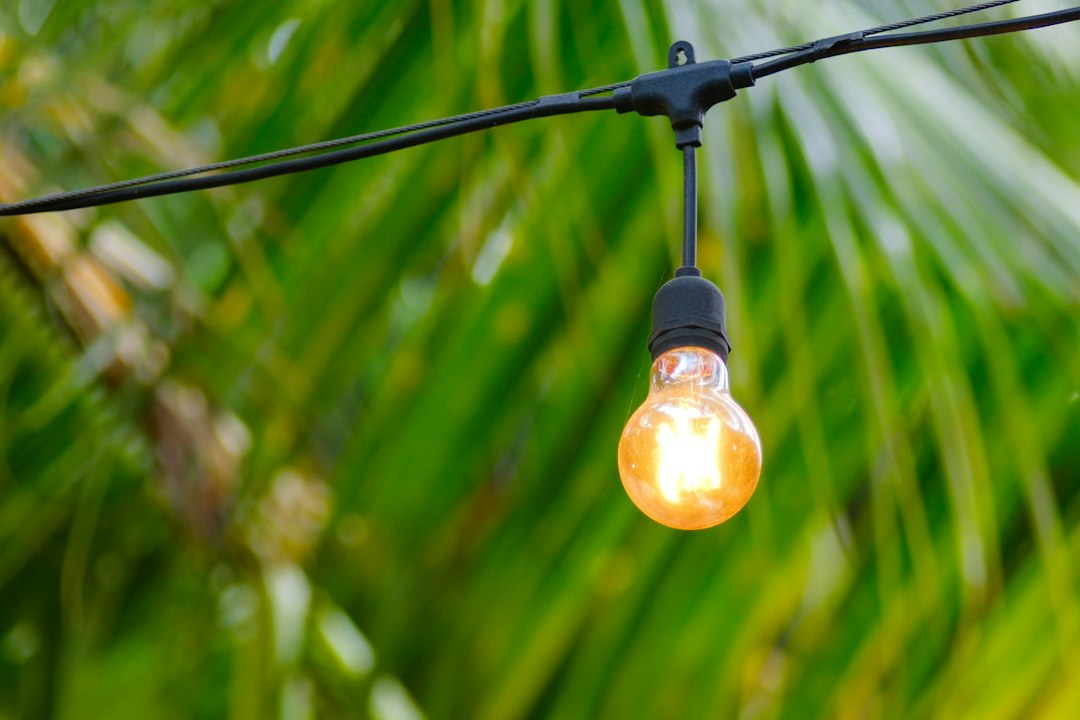
I keep a variant of this at my back patio — warm bulbs on a dusk-to-dawn schedule — and it’s become the most-used “feature” of my entire outdoor stack, ahead of the projector and the speakers. When readers ask where to start with outdoor lighting, this is it. The rails are an upgrade, not an entry fee.
Eleven Months of Payoff After December
Here’s the part that surprised me: December is now the least interesting month my roofline has. In October the house runs orange and purple for the run-up to Halloween — which pairs beautifully with the automated haunt setup I built last month. In February it does a slow red pulse for Valentine’s. In spring it shifts to a soft green wash that makes the new garden beds look twice their size. And every night of the year, at 2,700K, it simply makes the house look cared for.
The color-as-architecture framing sounds like marketing until you see it at your own curb. Light stops being an event you unpack from the garage and becomes a material the house is made of. That’s the real story of this category, and it’s why I think permanent lighting lands on the same shelf as smart locks and video doorbells: infrastructure that quietly pays out every single day you own it.
The Verdict: Who Should Spend What
Pay for the installed system — the $3,500-to-$10,000 Trimlight-class job — if you plan to stay in your home past five years, never want to think about the hardware again, and have a roofline complicated enough that DIY rails would look patchwork. It’s the luxury answer and a defensible one.
Buy the DIY rail — the Govee Pro at roughly $200 to $260 per 100 feet, or the Matter-savvy Govee 2 if you’re deep in Apple Home — if you own a ladder, a free Saturday, and the gene that makes installing things fun. This is where I landed, and a year in, the pods have survived every season the Midwest threw at them. Just do the clip math and Wi-Fi checks before the ladder comes out.
And take the $80 string-and-plug path if you’re renting, saving, or simply want to test whether your household actually cares about a lit roofline before committing anything more. It’s the version I’d hand my sister, and hers looks great.
Whatever tier you pick, pick it this month. The freeze doesn’t negotiate, the installer calendars fill, and the difference between a dark roofline and a lit one starts accruing the first evening it’s up — which, around here, is roughly a hundred evenings a year before the holidays even arrive.