
I’ve been doing this long enough to know that the most interesting tech launches rarely happen at the big keynote events. They show up in plain boxes on my doorstep, usually in the middle of a Tuesday afternoon, and they either earn a permanent spot on my desk or go right back in the box. This summer has been different though. We’re seeing a wave of hardware that isn’t just faster or cheaper — it’s genuinely solving problems I’ve been complaining about for years.
What follows is a no-nonsense look at the launches that caught my attention over the past few weeks. Some of these I’ve tested extensively. Others are early impressions based on hands-on time at recent trade events and briefings. Either way, these are the products that made me stop and actually pay attention — not because of spec sheets or marketing buzz, but because they address real friction in daily use.

The Folding Mouse Has Finally Grown Up
I’ve gone through more travel mice than I care to admit. Most of them fall into two camps: too small to be comfortable for real work, or too bulky to justify packing. The category has limped along for years with compromises on sensor quality, button feel, and ergonomics. But 2026 brought a shift that I didn’t see coming — multiple manufacturers simultaneously deciding that a travel mouse should be designed for travel from the ground up, not shrunk down from a desktop model.
The standout is Logitech’s Mobi Fold, which takes a touch-scroll approach instead of a traditional wheel. After two weeks of daily use, I can say the touch surface is genuinely responsive at 4K DPI, and the fold mechanism doesn’t feel like it’ll snap after a month. It pairs over Bluetooth with fast pairing support across Chromebooks, PCs, and Macs. If you spend any time working from hotel desks, coffee shops, or airport lounges, this is the first folding mouse I’d actually recommend without caveats.
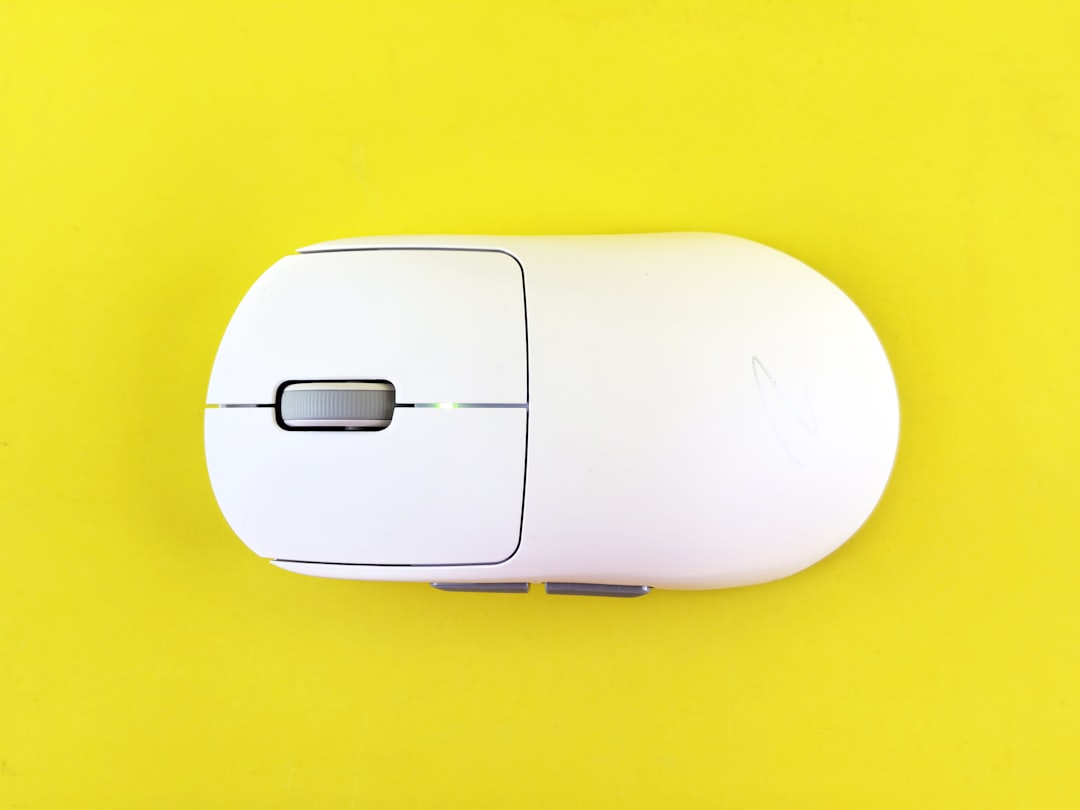
For those who want options, the TECKNET Folding Wireless Mouse takes a more traditional approach with a 2.4GHz dongle and three adjustable DPI settings up to 2000. It’s half the price and claims a two-year battery life, which I haven’t verified yet but will be testing long-term. There’s also the interesting Bluetooth Arc Travel Mouse with tri-mode connectivity — it rotates open into an ergonomic arc shape that feels surprisingly natural if you’re used to Microsoft’s older Arc design.
What matters here isn’t any single product. It’s that the entire category decided to get serious. After building my back-to-school tech stack recommendations last week, I can tell you that a good travel mouse is the single most overlooked upgrade for portable productivity.
Rugged Tablets Found Their Sweet Spot
Lenovo’s ThinkTab X11 launched a couple months ago, and I’ve been putting it through its paces in conditions that would make a regular tablet cry. MIL-STD-810H certification, IP68 rating, a 10.95-inch 90Hz display that hits 800 nits — on paper, it checks every box. In practice, it’s the removable battery that won me over.
The 10,200 mAh battery pops out without tools. You can carry a spare, swap it mid-shift, and keep working. That sounds mundane until you’re on a job site or working outdoors with no outlet in sight. The tablet also runs directly from DC power without a battery installed, which matters more than you’d think if you’ve ever dealt with battery swelling in hot environments. Two USB-C ports, gloved-touch support, and Gorilla Glass round out a package that starts at $499. Lenovo built this for frontline workers, but I think the audience is broader than they realize.
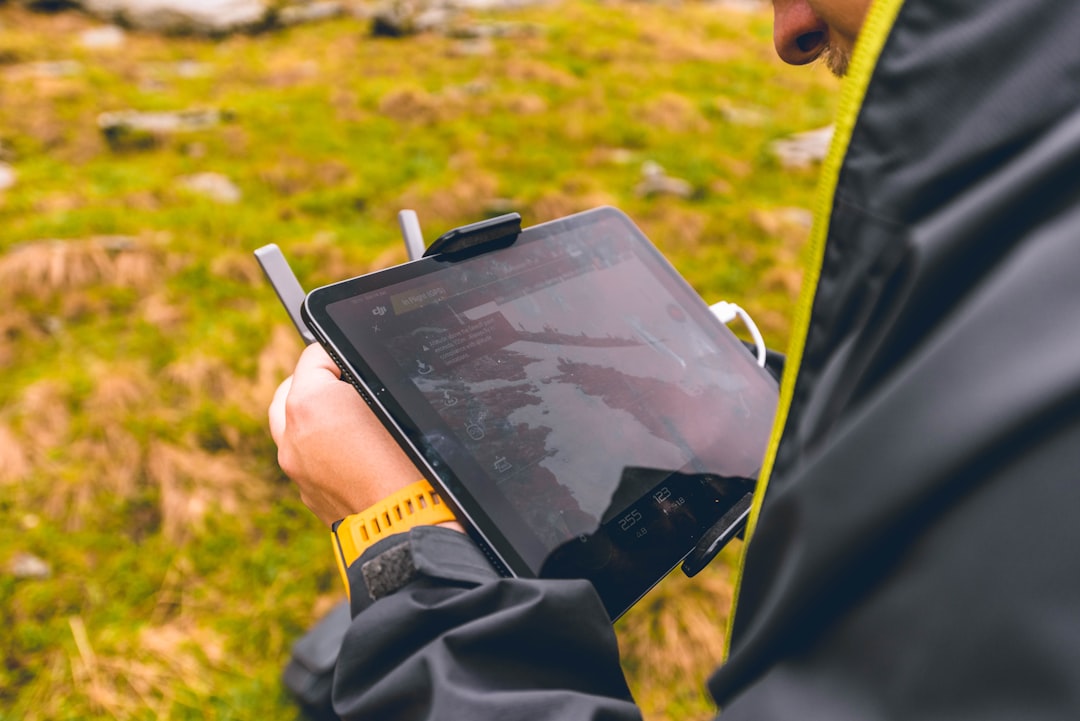
If you’re looking at the broader rugged tablet market, the AGM PAD P2 offers a compelling alternative with its included protective case, 11-inch 90Hz FHD display, and Widevine L1 certification for streaming. At a significantly lower price point, it trades some raw performance (MediaTek G99) for genuine durability. For anyone comparing options, Samsung’s Galaxy Tab Active5 remains the benchmark — its 8-inch form factor and enterprise security features make it the safest pick for industrial deployment, even if it’s a generation older.
I compared all three against my experience testing dozens of devices, and the gap between consumer and rugged tablets has narrowed dramatically. You’re no longer paying a massive premium for durability — you’re paying a reasonable premium for purpose-built design.
Wearables Stopped Pretending to Be Phones
The smartwatch market went through a long phase where every device tried to out-app the competition. More apps, more notifications, more ways to respond to texts from your wrist. This summer, the most interesting releases are going the opposite direction. They’re watches first. Smart features come second.
Xiaomi’s Watch S5 embodies this philosophy. The 1.48-inch AMOLED hits 2,500 nits with a 2.6mm bezel that’s 40% thinner than the previous generation. Four versions ship with genuinely different materials — zirconia ceramic on one, forged carbon on another. These aren’t color swaps. They’re distinct design statements. The 815mAh battery delivers multi-day endurance without the aggressive power management that makes some watches feel sluggish by day two.
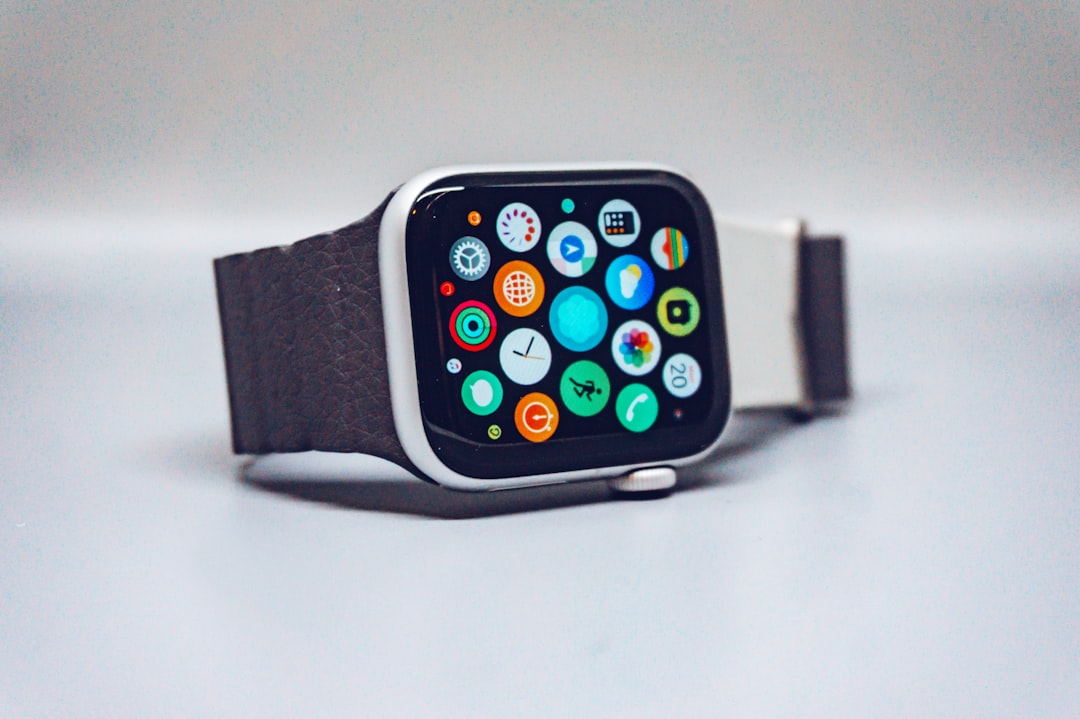
For budget-conscious buyers, the Xiaomi Mi Band 10 continues to be the value champion. A 1.72-inch AMOLED display, 21-day battery life, and Bluetooth 5.4 in a package that costs less than a nice dinner. It won’t replace a full smartwatch, but for fitness tracking and basic notifications, it’s hard to beat. I’ve been recommending the Band series to friends who ask “what’s the cheapest wearable that actually works” for three generations now.
Magnetic Charging Hit a Tipping Point
I remember when magnetic wireless charging was a novelty that barely worked through a case and charged at glacial speeds. That era is definitively over. The current generation of magnetic power banks is good enough that I’ve stopped packing traditional cable-and-brick setups for short trips.
The Anker 621 MagGo (5,000mAh) remains my everyday carry — it’s thin enough to forget it’s there and snaps on with a satisfying click. But for longer days, the VTIAEK 16,800mAh Magnetic Power Bank is the one I reach for. It has built-in cables (no more digging through your bag), an LED display showing exact battery percentage, and enough capacity to charge a phone three full times. That LED display matters more than you’d expect — estimating remaining charge from four blinking dots is a terrible user experience that the industry needs to retire.

The GaN Charger Wars Benefit Everyone
Every year I test chargers, and every year they get smaller, faster, and more interesting. After my recent 23-charger audit, I can tell you that the gap between premium and budget GaN chargers has all but disappeared in terms of raw charging speed. What differentiates them now is the feature set wrapped around that speed.
The Anker 100W 3-Port GaN Charger with Smart Display is my current favorite. The built-in display shows real-time wattage per port, which is genuinely useful if you’re the kind of person who likes to verify that your laptop is actually pulling the full 100W it negotiated. For those who need maximum port coverage, the UGREEN Nexode 100W offers four ports in a foldable design that has become my go-to travel charger. It handles a MacBook Pro, iPad, phone, and earbuds simultaneously without breaking a sweat.

What I appreciate about this generation of chargers is that manufacturers stopped racing to the bottom on price and started competing on design. Foldable prongs, better thermal management, port allocation intelligence — these are the details that matter when you use a charger every single day.
The Speaker That Refuses to Be Invisible
Most tech products try to blend in. Speakers especially so — the industry has spent years making them smaller, rounder, and less conspicuous. So when MorningBlues showed up with the SonicGlass A1, a 21.5-inch transparent TFT panel with a visible speaker driver behind glass, it felt like a deliberate provocation. And honestly? I respect it.
The MoodLyric feature scrolls lyrics in real-time, synced to the music’s rhythm and mood. SceneSync generates AI visuals that shift based on genre. There’s a karaoke mode. None of this is necessary. All of it is fun. At $646, it’s not an impulse purchase, but it’s the kind of product that makes you reconsider what a speaker can be when it stops apologizing for existing.

For those who want something more traditional but still impressive, I’ve been testing a compact portable Bluetooth speaker with IP7 waterproofing and 20-hour battery life. It’s the kind of thing you toss in a bag for a weekend trip and forget about until you need it — which is exactly what a portable speaker should be. If you’re planning any backyard tech upgrades this season, audio is one area where spending less can genuinely deliver more.
What I’m Watching for the Rest of 2026
The pattern I’m seeing across these launches is refreshing. Companies are building products with clear intent rather than chasing spec sheet supremacy. A folding mouse that actually folds well. A rugged tablet with a user-replaceable battery. A charger that tells you exactly what it’s doing. These aren’t breakthroughs — they’re the result of someone actually using the product before shipping it.
That’s the standard I’ll be holding the rest of this year’s releases to. As AI hardware continues to mature and new categories emerge, the products that earn permanent desk space won’t be the ones with the most impressive benchmarks. They’ll be the ones that solve problems so quietly you forget they’re there.
That’s the kind of tech worth your money. And as always, I’ll keep testing so you don’t have to.