I’ve spent the better part of twenty-five years turning every room in my house into a testing ground for some piece of technology or another. The kitchen has smart speakers, the office has more monitors than any reasonable person needs, and the garage looks like a small server rack farm. But for the longest time, my backyard was a dead zone — a quarter-acre of grass and patio furniture with zero tech infrastructure. That changed last summer when I decided to host a movie night for some friends and realized I had no way to power a projector, no decent audio, and no Wi-Fi reaching past the back door.
What followed was a months-long project to wire (and unwire) my outdoor space for real tech capability. Not the gimmicky kind — I’m not talking about a Bluetooth-enabled grill thermometer that stops working after two firmware updates. I mean practical, weather-resistant infrastructure that turns a backyard into the most used room of the house from June through September. Here’s everything I learned, what I’d buy again, and what ended up being a complete waste of money.
The Foundation: Getting Power Where There Isn’t Any
Everything starts with power. You can’t run a projector, speakers, and string lights on extension cords snaking through a cracked window — I tried that for one weekend and nearly tripped my kitchen breaker every time the compressor kicked on. The real solution is a solid portable power station rated for outdoor use, and after testing three different units, I can tell you the gap between the good ones and the bad ones is enormous.
The mistake I see most people make is buying based on watt-hour ratings alone. A 1000Wh station sounds impressive until you realize that number is the total capacity, not what you can actually pull simultaneously. My projector draws about 150W, the speaker system pulls another 60W, and the ambient lighting draws roughly 20W. That’s 230W continuous, which means I need a unit with at least a 300W inverter just to handle startup surges. I ended up going with something in the 600W range to give myself breathing room, and I can run a full movie night for four hours without dipping below 40% battery.
If you’re also thinking about protecting your indoor gear from power issues — and you should be — a decent power station doubles as emergency backup for your home office. It’s the rare piece of equipment that earns its keep both outdoors and indoors.
Wi-Fi That Actually Reaches the Lawn
Here’s something that drove me absolutely crazy: my mesh router system, which blankets the entire inside of my house with flawless coverage, completely died about thirty feet past my back door. Streaming music would stutter, my phone would drop to cellular, and downloading anything while sitting on the patio was an exercise in frustration. The issue isn’t your router — it’s that exterior walls are basically Faraday cages, especially older homes with brick, stucco, or foil-backed insulation.
The fix was an outdoor-rated Wi-Fi extender mounted under my back eave. I was skeptical these things actually worked — most indoor extenders are garbage that halve your bandwidth and add latency. But the outdoor units from reputable brands use directional antennas and weatherproof enclosures that actually solve the problem properly. I went with one that supports Wi-Fi 6, and now I get full bars all the way to my property line. If you’re already debating mesh vs. a traditional router for your indoor setup, plan ahead and factor in your outdoor coverage needs too.
One critical detail: whatever you buy, make sure it’s actually rated for outdoor installation. IP65 or higher. I watched a neighbor try to save thirty bucks with an indoor extender shoved inside a Ziploc bag. It survived exactly two rainstorms.
The Main Event: Backyard Movie Night
This is the part everyone asks me about. Once you’ve got power and connectivity sorted, a backyard cinema is surprisingly straightforward — but only if you buy the right gear. I went through two junk projectors from random Amazon brands before learning my lesson.
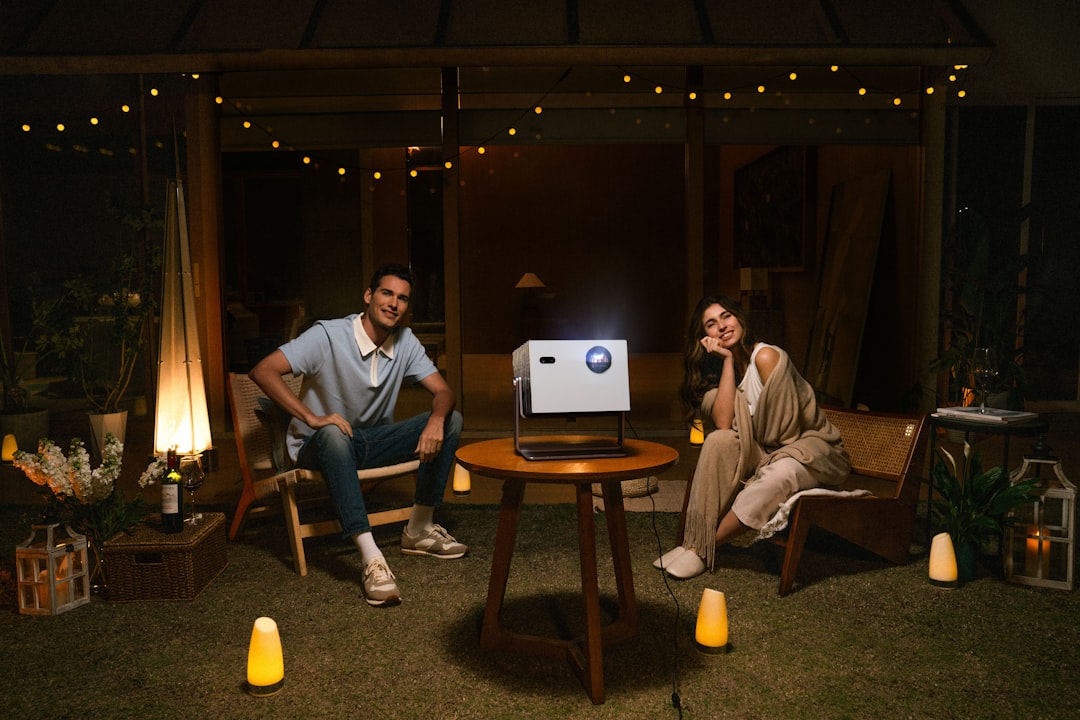
The projector is obviously the centerpiece. You want something that hits at least 500 ANSI lumens for outdoor use — not the inflated “LED lumens” marketing numbers that some brands throw around. ANSI lumens are a standardized measurement, and anything below 500 means you’re competing with every stray light source in your neighborhood. I’d actually recommend pushing for 1000+ if you want to start movies before full darkness. A quality portable outdoor projector with a built-in battery gives you flexibility to position it anywhere without worrying about cable runs, and the better ones include auto-focus and keystone correction so you’re not fiddling with alignment for twenty minutes while your guests wait.
You’ll also need a proper outdoor projector screen. I tried the white-sheet route the first time, and the image was washed out and rippled in every breeze. A dedicated inflatable or frame screen with tensioned material is night-and-day different — colors pop, blacks are deeper, and you’re not constantly adjusting for wrinkles.
Sound That Doesn’t Sound Like a Tin Can
Here’s where I see people consistently waste money. They buy a $400 projector and pair it with a $30 Bluetooth speaker the size of a hockey puck, then wonder why their outdoor movie night sounds like it’s being narrated from inside a mailbox. Outdoor audio is fundamentally different from indoor — there are no walls to reflect sound, so you need significantly more output to achieve the same perceived volume.
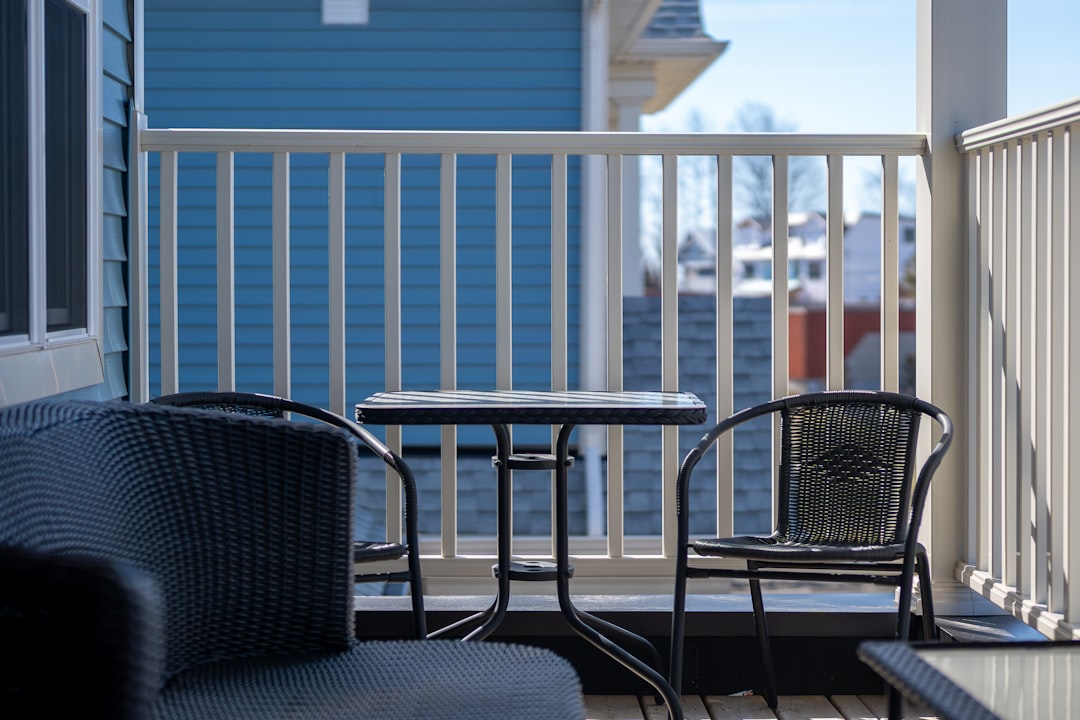
I run a dual approach. For casual background music during barbecues and gatherings, a good waterproof outdoor Bluetooth speaker handles duties on the deck. Look for something with at least 50W output and an IP67 rating — it’s going to get rained on, knocked over, and left outside longer than you intend. For movie nights, I switch to a dedicated soundbar positioned below the screen. The difference in dialogue clarity and low-end impact is massive, and you don’t need to spend audiophile money to get there.
If you already have a decent audio setup for your indoor workspace, some of those same principles carry over. Decent amplification, proper driver sizing, and realistic expectations about what outdoor acoustics will allow.
Lighting: The Difference Between “Cozy” and “Correctional Facility”
I cannot overstate how much getting the lighting right transformed the usability of my backyard. Before, the options were either total darkness or a motion-sensor floodlight that made everything look like a prison yard. Neither is great for entertaining.
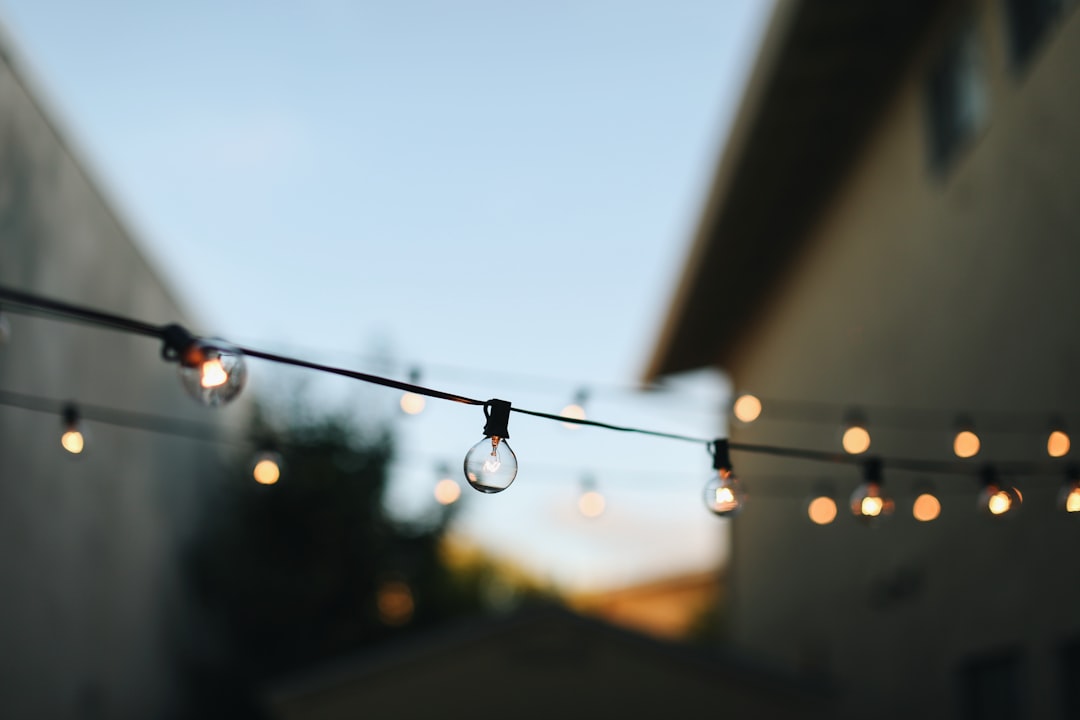
The first upgrade is the most obvious and the most impactful: solar-powered outdoor string lights. I strung bistro-style lights across the seating area, and the difference was immediate. They provide enough ambient light to see what you’re eating and walking toward, but they’re warm enough to maintain that summer-evening atmosphere. The solar panel means I didn’t have to run wiring, and they come on automatically at dusk. Just make sure you buy enough — I underestimated by about twenty feet and had to place a second order.
For pathway lighting, solar garden stake lights along the walkways add both safety and visual structure. The newer ones are vastly better than the dim, flickering stakes from a decade ago — look for models with dedicated solar panels (not just a tiny dot on top) and lithium-ion batteries instead of NiMH, which die after a season.
For zones where I want controllable, dimmable light — the grill area, the dining table — I installed weatherproof smart plugs on a couple of outdoor-rated lamps. Being able to adjust lighting zones from my phone or trigger them with a sunset automation is the kind of thing that seems frivolous until you use it once, and then you can’t go back.
The Creature Comforts Nobody Thinks About
Once the core infrastructure was in place, I started adding the little things that make a backyard genuinely livable for hours at a stretch. Some of these were surprising wins; others I’d skip.

The single most appreciated addition wasn’t the projector or the speakers — it was the thermacell mosquito repellent device I set up near the seating area. I live in an area where mosquitoes make outdoor evenings miserable by mid-July, and this thing changed everything. It’s not a bug zapper (those are useless and attract more insects than they kill). It creates a zone of protection that actually works, and my guests noticed the difference immediately.
The second surprise hit was a countertop portable ice maker. I know it sounds ridiculous — I have a perfectly good freezer that makes ice. But during a backyard party, the freezer can’t keep up with demand, and running inside every twenty minutes kills the flow. A dedicated ice maker churning out a fresh batch every eight minutes, stationed right next to the drink cooler, became the most used appliance of the summer.
The one purchase I’d skip: the outdoor weather radio I bought after a thunderstorm rolled in during a movie night. In theory, having a dedicated NOAA receiver for outdoor events makes sense. In practice, my phone gives me the same alerts faster and with more detail. Save your money.
Putting It All Together Without Breaking the Bank
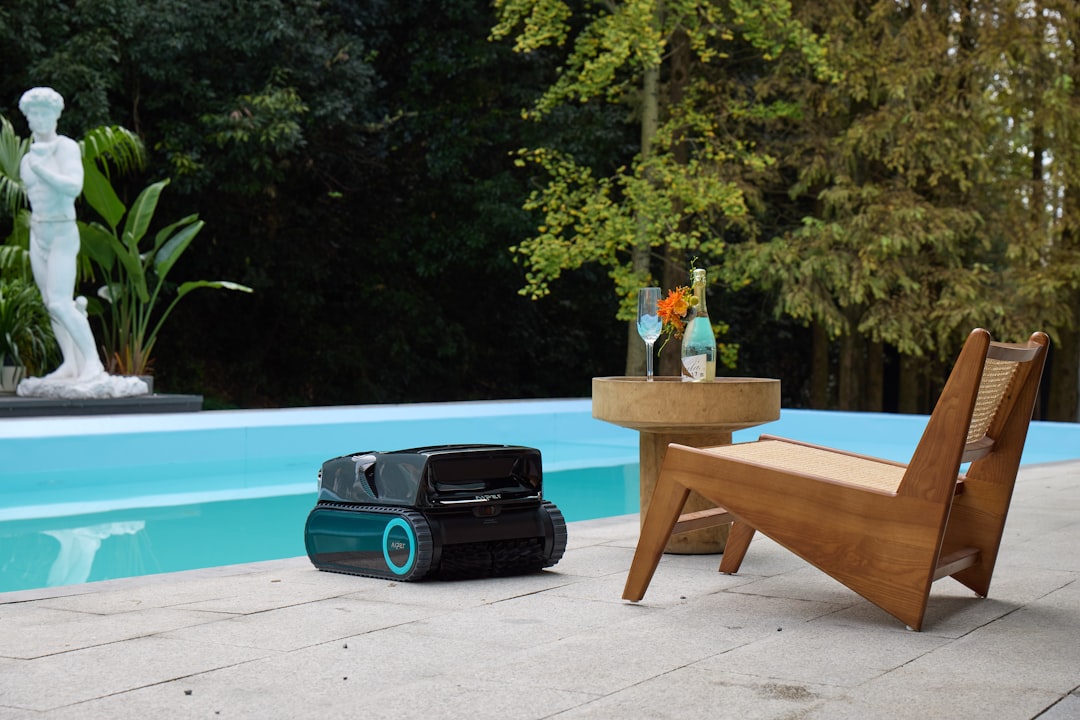
The total cost of my backyard tech overhaul was around $1,800 spread over three months. That sounds like a lot until you compare it to what I would have spent on a single mid-range home theater receiver and speaker set for my living room — and I use the backyard setup far more frequently from May through September. The key was prioritizing the foundation first: power, connectivity, and audio. Everything else was incremental.
If you’re working with a tighter budget, start with string lights, a decent Bluetooth speaker, and a quality extension cord rated for outdoor use. That’s under $200 and transforms the space. Then add the projector and power station when you can. The outdoor fire pit I picked up on impulse turned out to be the anchor of the whole seating area — people naturally gravitate toward fire, and it extends your outdoor season well into October.
The biggest mistake I made during this project was buying cheap first and replacing later. That $80 projector from a brand I’d never heard of? It went to Goodwill within a month. The $40 smart plug that wasn’t actually rated for outdoor use? It shorted out during its first rainstorm and nearly took my transformer with it. I’ve been testing consumer electronics for over two decades, and the lesson never changes: buy the right thing once, or buy the cheap thing three times.
My backyard is now the default gathering spot from Memorial Day through late September. Movie nights every other weekend, music while I’m grilling, and enough ambient light to make the space feel intentional rather than improvised. After twenty-five years of testing technology indoors, I genuinely can’t believe it took me this long to extend the same treatment to the fifteen feet of grass and concrete I was ignoring right outside my back door.