
The Audio Foundation of Focus: Building Your Sound Environment for Deep Work
After twenty-five years of testing gear and writing about technology, I’ve learned that the most overlooked aspect of productivity isn’t your processor speed or your monitor resolution—it’s your audio environment. The difference between a scattered, distracted work session and deep, sustained focus often comes down to how you manage sound. Whether you’re working from a crowded home office, a noisy apartment, or trying to carve out focus time in a less-than-ideal environment, the right audio setup doesn’t just make work more pleasant—it fundamentally changes your ability to concentrate. I’ve covered other aspects of remote work upgrades before, but audio deserves its own deep dive.
The Noise Problem: Why Your Brain Needs Help
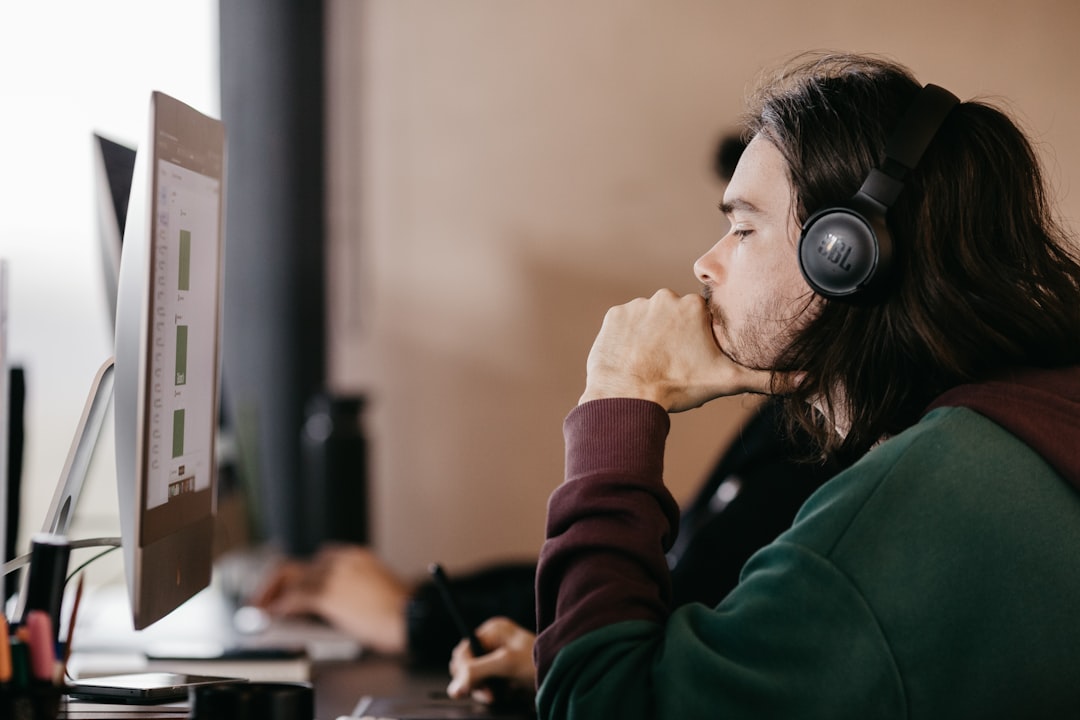
Here’s the thing about human attention: it’s fragile. Even low-level background noise—traffic, construction, conversations in the next room, the hum of appliances—keeps your brain in a state of low-level alert. You might not consciously notice it, but your cognitive load is higher, your breaks between focus sessions are less restorative, and you’re burning mental energy just filtering out the world.
I’ve spent countless hours testing noise-canceling headphones, speakers, and microphones in every imaginable environment. What I’ve found is that the right audio gear does more than just block sound—it creates a controlled acoustic environment where your brain can relax into the task at hand. The difference isn’t subtle. When I’m wearing quality noise-canceling headphones and playing focus music, I can work for three hours straight and emerge energized. Without that audio foundation? Two hours of scattered focus leaves me drained.
Active Noise Cancellation: Your First Line of Defense
If you take one thing from this article, make it this: active noise cancellation (ANC) is worth every penny. The technology has matured dramatically over the past five years, and what was once a premium feature is now accessible in a range of price points. For sustained focus work, I recommend over-ear headphones with ANC—they provide better isolation for long sessions, and you don’t have to deal with the fatigue that can come from earbuds pressing into your ear canals for hours.
Sony’s WH-CH720N noise-canceling headphones hit the sweet spot for most people. They’re comfortable enough for all-day wear, the ANC is genuinely effective at blocking mid-range frequencies (human voices, traffic, appliances), and the battery life means you’re not constantly hunting for a charging cable. I’ve tested dozens of ANC headphones in this category, and what sets these apart is the comfort factor—many competitors sacrifice fit for ANC performance, but Sony nailed both.
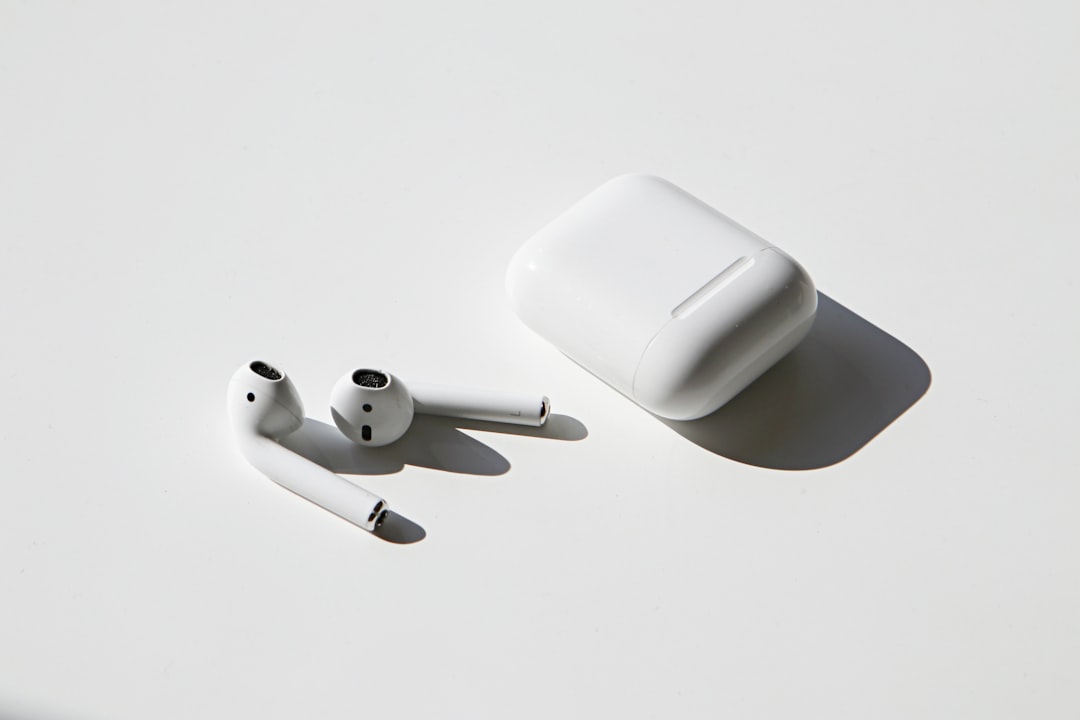
For those who prefer the freedom and portability of true wireless earbuds, Apple’s AirPods 4 are the standout choice. The H2 chip brings genuinely impressive noise cancellation to a form factor that disappears in your ears, and the transparency mode is genuinely useful when you need to be vaguely aware of your surroundings. More importantly, the spatial audio features create a more immersive listening experience for focus music or podcasts—less like sound is playing in your ears and more like it’s happening around you.
Speakers: Ambient Sound and Environmental Audio
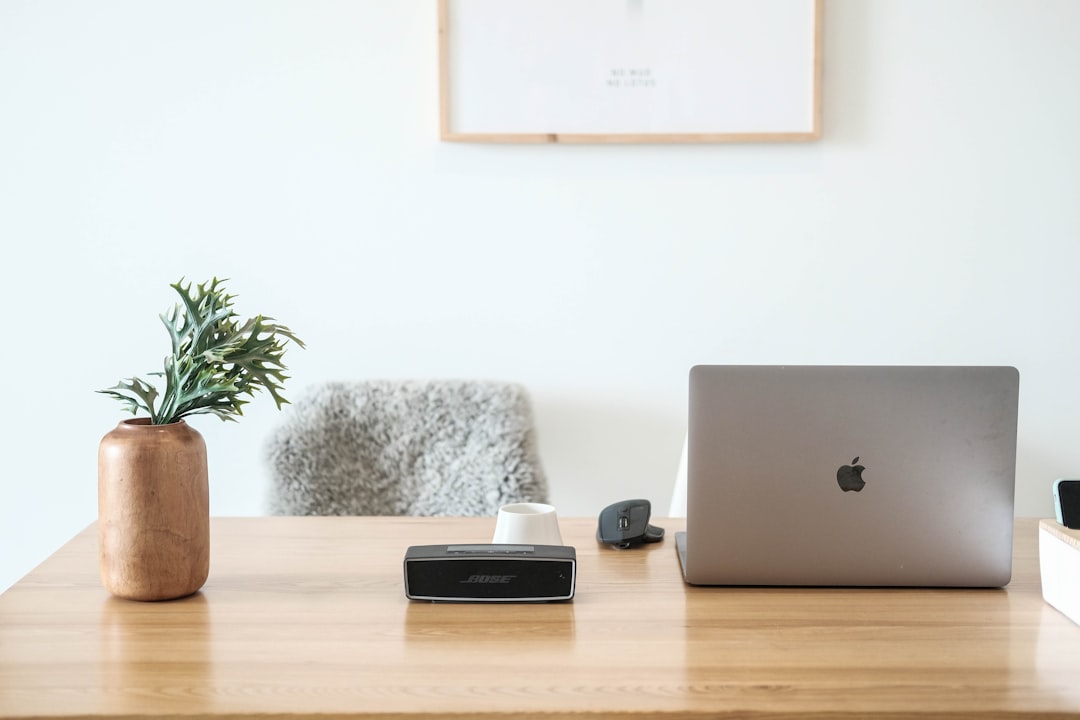
Not all focus work happens with headphones clamped over your ears. Sometimes—especially when you’re brainstorming, doing creative work, or just need a break from the isolation of ANC—you want ambient sound filling your space. This is where a good Bluetooth speaker becomes essential.
The JBL Flip 5 has been my go-to recommendation for years, and it’s still hard to beat for the price. The sound profile is balanced enough for background music without being fatiguing during long sessions, the battery life is solid, and the build quality can handle being tossed into a bag for remote work. What I really appreciate is the footprint—it’s small enough to live on your desk without taking up valuable real estate, but powerful enough to fill a small room with clear, undistorted audio.
The role of speakers in your audio setup isn’t just about music playback. I often use mine for white noise, nature soundscapes, or focus playlists from services like Brain.fm or Endel. There’s something about having sound in the room rather than in your ears that changes your mental state—less claustrophobic, more like you’ve created a focused environment rather than isolated yourself from the world.
Microphones: When You Need to Be Heard
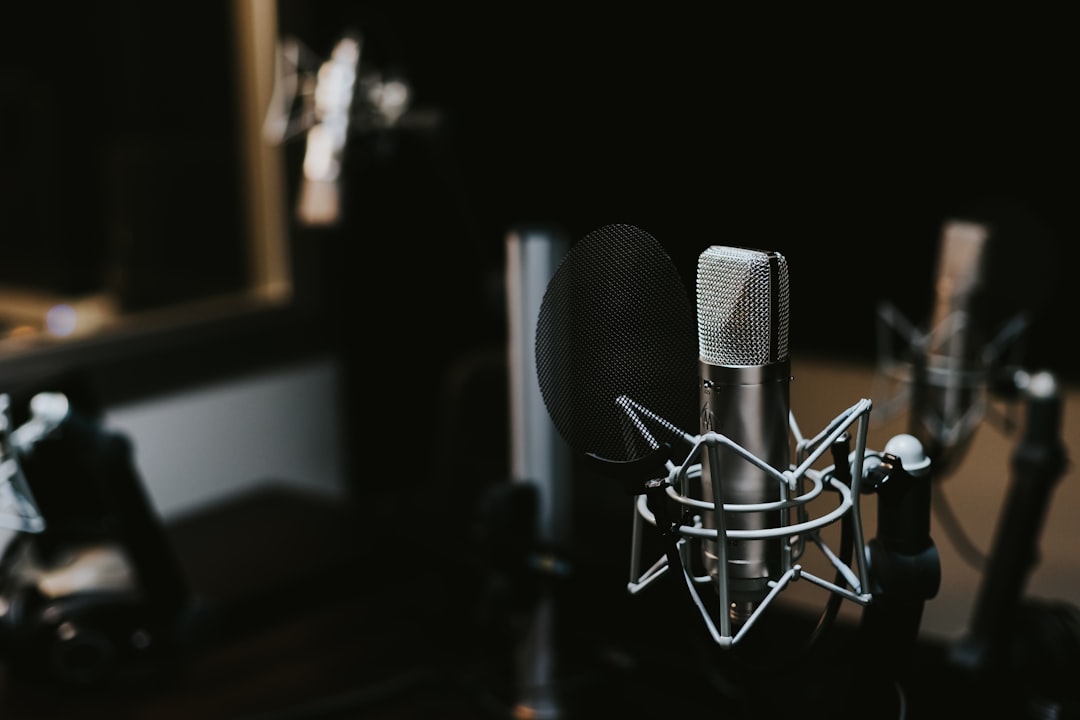
Here’s the irony of modern remote work: we obsess over camera quality and lighting, then completely overlook audio. I’ve been on hundreds of video calls where the person looks crystal clear but sounds like they’re speaking from the bottom of a well. If you’re spending any significant time in meetings, presenting, or recording content, a decent microphone is non-negotiable.
The Blue Yeti remains the king of USB microphones for good reason—it’s absurdly versatile, the sound quality is professional-grade, and you can adjust pickup patterns on the fly. I’ve used this microphone for everything from podcast recording to conference calls to voiceover work, and it just works. The key feature most people miss is the gain control—you can dial in the right level for your voice and environment without fiddling with software settings.
For podcasters, streamers, or anyone who wants to step up their audio game further, the Shure MV7+ is worth serious consideration. It’s a hybrid USB/XLR microphone that bridges the gap between consumer and professional gear, and the sound quality is genuinely impressive. What I love about this mic is the built-in DSP—you get digital pop filtering, automatic level adjustment, and voice isolation without needing to wrangle additional software or hardware. If you’re serious about podcasting or remote presenting, this is the microphone I’d recommend without hesitation.
Building Your Complete Audio Setup
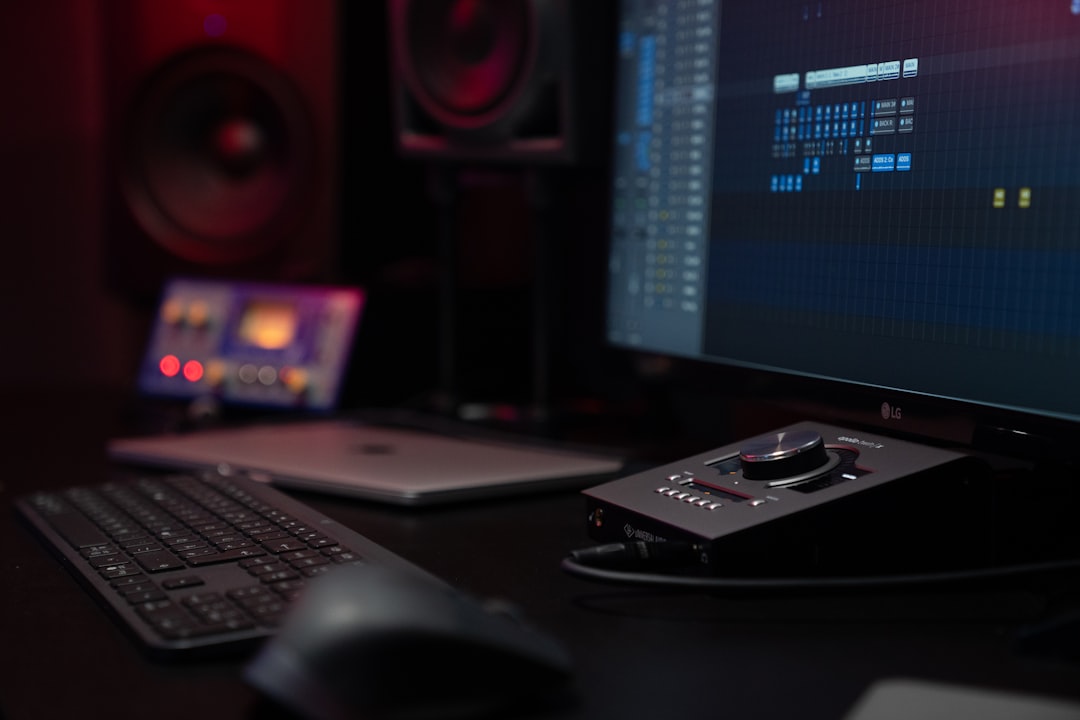
So how do you put this all together? The right audio setup depends on your specific work style and environment, but here’s what I’ve found works best for most people:
For the distraction-prone worker in a noisy environment: Start with over-ear ANC headphones. They’re your primary tool for creating a focus bubble. Add a pair of true wireless earbuds with good transparency mode for when you need to be situationally aware. This combination covers 90% of focus scenarios.
For the creative or brainstorming worker: A quality Bluetooth speaker for ambient sound, plus headphones for deep work sessions. The speaker gives you flexibility—throw on some lo-fi beats or nature sounds while you’re sketching ideas, then switch to headphones when you need to execute.
For the frequent meeting-taker: Invest in a dedicated USB microphone. The difference in call quality is immediately noticeable, and you’ll sound more professional whether you’re presenting to a client or chatting with colleagues. Pair it with headphones for call privacy, and you’ve got a complete communication setup.
The Prime Day Opportunity
Here’s the thing about audio gear: it’s durable, and prices don’t shift dramatically throughout the year—except during Prime Day. Amazon’s Prime Day runs June 23-26 this year, and we’re seeing genuine discounts on the products I’ve mentioned. Not the fake “was $500, now $300” nonsense, but real 20-30% price drops on gear that rarely sees significant discounts.
If you’ve been on the fence about upgrading your audio setup, this is the time. The Sony WH-CH720N, Apple AirPods 4, JBL Flip 5, Blue Yeti, and Shure MV7+ are all seeing promotional pricing. Bookmark the product pages now, set price alerts if you’re particular about your target price, and grab what you need when the deals drop during Prime Day. For more Prime Day coverage, check out my guide to complete desk setups and home office essentials.
Here’s what I’d prioritize: if you don’t have ANC headphones, start there. They’re the single most impactful upgrade for most people. Next, pick up a microphone if you’re doing any significant amount of remote communication. The speaker is more of a luxury, but at Prime Day prices, it’s worth grabbing if you want the flexibility of ambient audio.
Long-Term Value: Why Audio Gear Endures
One of the reasons I’m comfortable recommending audio gear as a productivity investment is that it holds up. Unlike laptops that depreciate the moment you unbox them, or smartphones that feel outdated in two years, a quality pair of headphones or a good microphone will serve you well for five years or more. The noise-canceling headphones I bought in 2020? Still going strong, still blocking distractions effectively, still the first thing I reach for when I need to get serious work done.
This durability makes the upfront cost easier to stomach, especially when you consider the daily impact on your focus and productivity. If a $150 pair of headphones saves you from just one distracted afternoon per week, that’s an hour of productive time reclaimed weekly. Over a year? That’s fifty hours of focused work you wouldn’t have had otherwise. Do the math on your hourly rate, and the equipment pays for itself quickly. And if you’re looking for other ways to optimize your workspace, I’ve also written about silent computing upgrades that pair perfectly with a focus-friendly audio environment.
Final Thoughts
The bottom line is this: your audio environment matters. A lot. The right combination of headphones, speakers, and microphones doesn’t just make your work more pleasant—it fundamentally changes your ability to concentrate, communicate, and create. Whether you’re building a complete home office setup or just upgrading one piece of the puzzle, Prime Day deals make this the perfect time to invest.
My advice? Start with what bothers you most. If distraction is your enemy, get ANC headphones. If poor call quality is holding you back, upgrade your microphone. If you want more flexibility in how you experience sound, add a good speaker. Build your audio foundation intentionally, and you’ll be amazed at how much easier it is to find and maintain focus—no matter what’s happening in the world around you.

2 thoughts on “The Audio Foundation of Focus: Building Your Sound Environment for Deep Work”