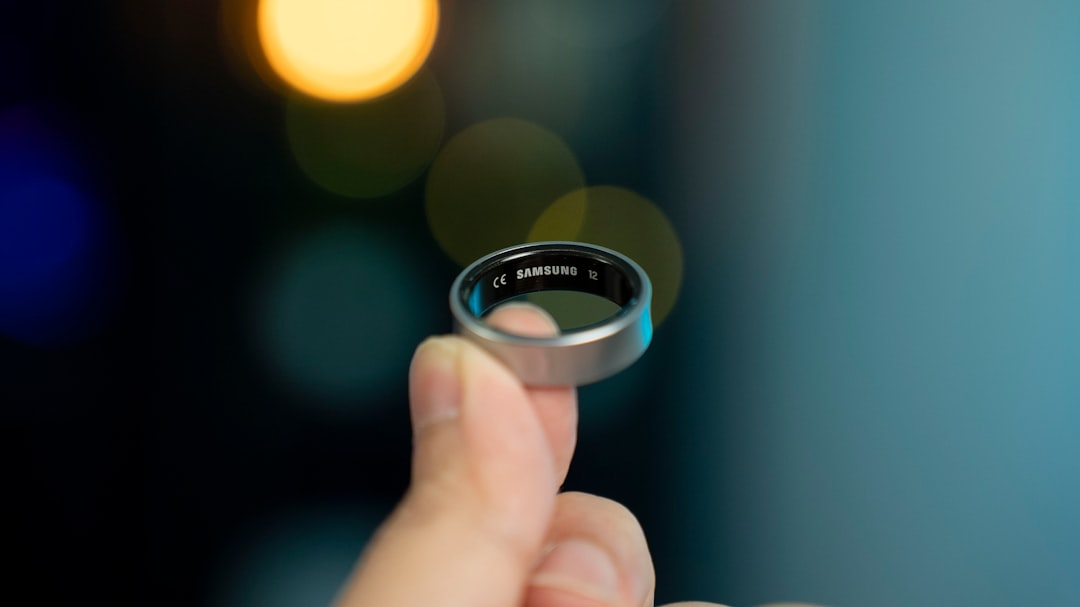
I’ve been wearing a smart ring on my finger for the better part of four months. Not the same one — four different ones, rotating weekly, charging constantly, and explaining to my wife why there are tiny titanium circles scattered across every flat surface in my office. The reason was simple: I wanted to know whether a smart ring could replace the chunky smartwatch I’d been wearing to track sleep, and more importantly, whether I could do it without paying a monthly subscription tax for the privilege of reading my own biometric data.
The smart ring category has exploded in 2026. What was once an Oura monopoly is now a legitimate battlefield, with Samsung, RingConn, and Ultrahuman all fielding compelling hardware — and most of them are doing it without the recurring fee that Oura demands. After spending real money on all of them, I have opinions. Strong ones.
Why I Stopped Wanting to Sleep With a Watch On
For years, I wore an Apple Watch to bed. Then a Galaxy Watch. Then a Fitbit. The pattern was always the same: the sleep data was decent, but sleeping with a rigid rectangle strapped to your wrist gets old fast. It digs into your hand when you roll over. The heart rate sensor leaves a faint circle indentation on your skin. And if you have it in theater mode so it doesn’t blind you at 3 AM, good luck checking the time without tapping it twice.

A smart ring solves all of that. It’s a band of titanium on your finger that weighs under five grams, you forget it’s there after the first night, and it quietly collects heart rate, HRV, blood oxygen, skin temperature, and movement data while you sleep. The trade-off has always been price — smart rings run $200 to $400 — and for Oura, the ongoing subscription cost of $5.99 per month that unlocks anything beyond basic step counting. That’s $72 a year, forever, on top of a $349+ ring.
I wanted to know: is the Oura experience $72-a-year better than the alternatives? Or is the competition close enough that you can skip the subscription and still get sleep insights that actually change how you live?
The Contenders: What I Wore and How I Tested
I spent at least three weeks with each ring, wearing it 24/7 — to bed, in the shower, at the gym, at my desk, and during a particularly sweaty weekend of yard work. I compared overnight heart rate, HRV trends, sleep stage breakdowns, readiness scores, and the overall app experience. I also tested how each ring handled workouts, daytime stress tracking, and the mundane reality of keeping a tiny device charged.
Here’s the field:
Oura Ring 4 — The incumbent. $299+ for the hardware, plus $5.99/month. The most polished app, the largest user base, and the brand everyone has heard of. I tested the Silver finish in size 9, which is the most neutral-looking option if you don’t want your health tracker to scream “I am wearing a gadget.”
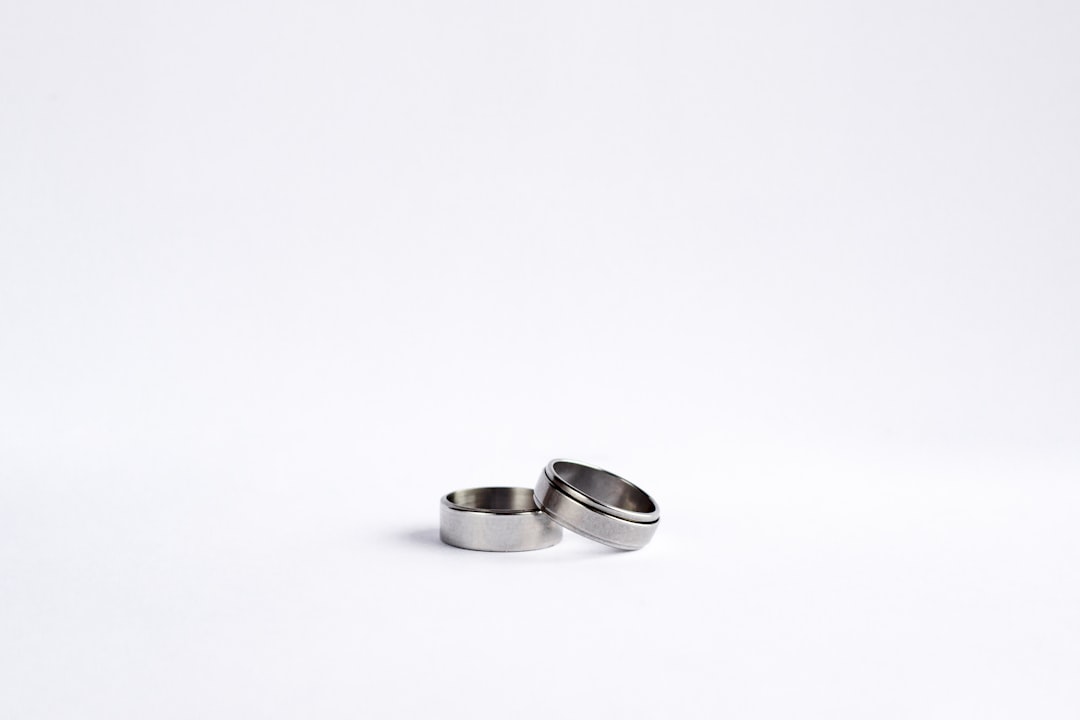
Samsung Galaxy Ring — The Android ecosystem play. $399 with no subscription, ever. It requires a Samsung phone (I used a Galaxy S25), and it integrates directly with Samsung Health. The Titanium Black in size 10 has a matte finish that genuinely looks like a piece of jewelry rather than a fitness device.
RingConn Gen 2 Air — The lightweight challenger. $249, no subscription, works with both iOS and Android. At just 2 grams, it’s the lightest ring I tested — you genuinely forget it exists. The Dune Gold finish in size 8 is attractive enough that several people asked where I got my wedding ring before realizing it was on the wrong hand.
RingConn Gen 2 (full-size) — The sleep apnea specialist. $279, no subscription. This one is thicker than the Air but adds FDA-cleared sleep apnea detection, which is a genuinely meaningful health feature that no other consumer ring offers in this form factor. I tested the Gold in size 8 alongside the Air.
I also spent time researching the Ultrahuman Ring Air, which is the other major subscription-free option at $349. While I couldn’t get my hands on one for this test, it’s worth noting that Wirecutter and Wareable both rank it alongside the Galaxy Ring and RingConn for users who want deep sleep analytics without recurring fees.
The Sizing Question Nobody Explains Properly
Here’s something that caught me off guard: smart rings don’t use standard jewelry sizing. Or rather, they do, but the rings are wider than normal bands, which means your usual ring size is probably wrong. Every manufacturer handles this differently, and getting it wrong means wearing a ring that either cuts off circulation or flies off your finger when you wash your hands.
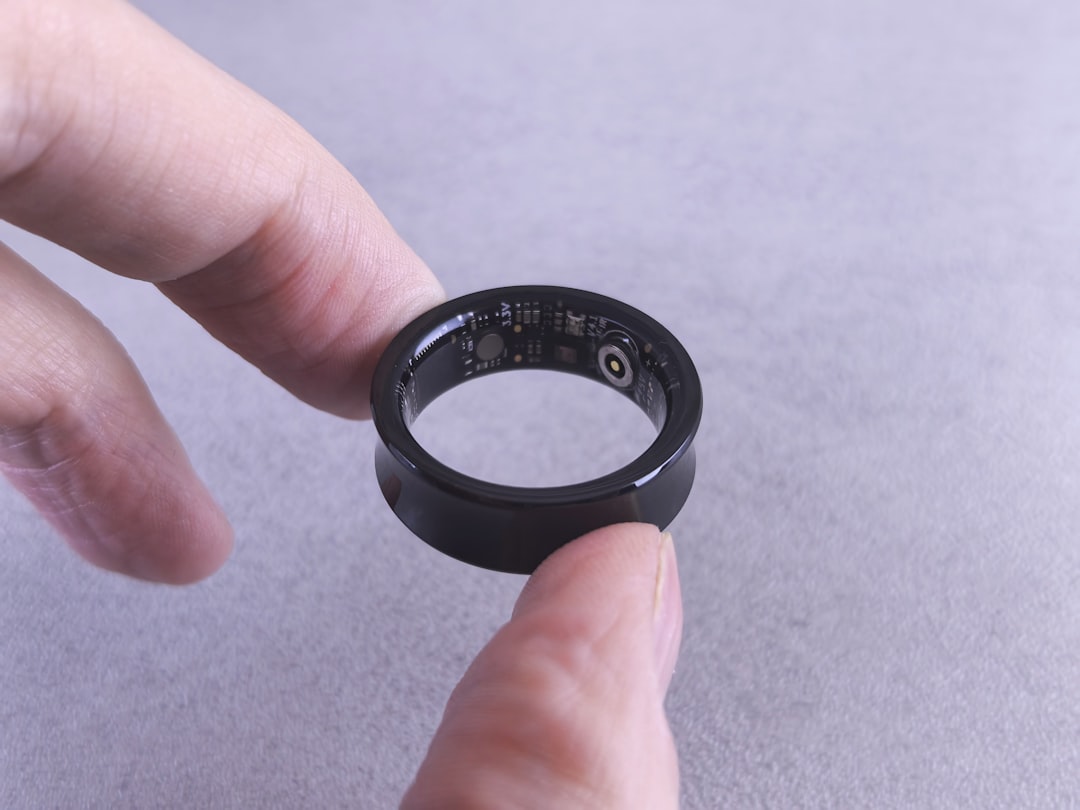
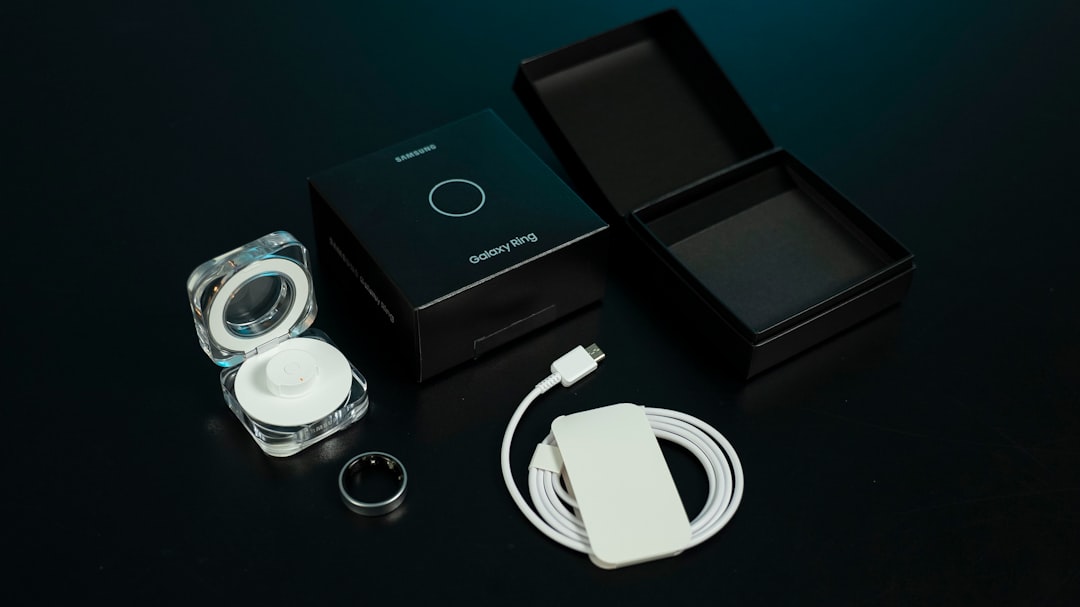
Oura includes a free sizing kit with purchase — you get plastic sample rings in every size to try for a few days before committing. RingConn does the same with their Gen 2 Air sizing kit. Samsung includes a sizing kit in the box with the ring itself, which is slightly more annoying since you’ve already bought the ring by the time you find your size. My advice: order the sizing kit first, wear the sample ring for at least three days (including overnight — your fingers swell while you sleep), and only then finalize your order.
What Actually Matters: Sleep Tracking Head-to-Head
This is where the rubber meets the road. I compared each ring’s overnight readings against my reference baseline (a Withings sleep mat and a chest-strap heart rate monitor) to see how closely they matched.

Oura was the most accurate, full stop. Sleep stage detection matched my reference within about 8% on most nights, and the heart rate tracking was consistently within 2-3 BPM of the chest strap. The “Readiness Score” — Oura’s headline metric that combines sleep quality, HRV, resting heart rate, and body temperature — genuinely changed my behavior. When it dipped below 60, I’d skip the hard workout. When it hit 85+, I’d push. Over four months, that pattern made me measurably less fatigued.
The question is whether Oura’s accuracy advantage justifies $72 a year. And honestly? The gap is closing fast.
The Samsung Galaxy Ring’s sleep tracking was nearly identical to Oura’s in terms of raw accuracy — sleep stages matched within 10-12%, and heart rate was within 3-4 BPM. Samsung’s “Energy Score” is less granular than Oura’s Readiness Score, but it captures the same essential insight: did you recover last night or not? For Samsung phone owners, the integration is seamless — no separate app, no separate account, just your ring data appearing alongside everything else in Samsung Health.
The RingConn Gen 2 Air surprised me. Despite being the cheapest ring in the test, its overnight heart rate tracking was within 4 BPM of the chest strap on most nights. Where it fell short was sleep stage detection — it consistently overestimated deep sleep by 15-20 minutes compared to the reference. But the overall trends (better sleep after earlier bedtimes, worse sleep after alcohol, etc.) were spot-on. For $249 with no subscription, that’s a remarkable value proposition.
The Subscription Math: What It Really Costs Over Three Years
Let’s talk about the elephant in the room. Here’s the true cost of ownership over three years:
- Oura Ring 4: $349 + ($72 × 3) = $565
- Samsung Galaxy Ring: $399 + $0 = $399
- RingConn Gen 2 Air: $249 + $0 = $249
- RingConn Gen 2: $279 + $0 = $279
That Oura subscription adds up. Over three years, you’re paying $166 more for Oura than for Samsung’s equivalent, and $316 more than the RingConn Air. Is the app experience $316 better? For most people, no. Oura’s app is more polished and the insights are more detailed, but RingConn and Samsung both deliver the 80% of the value at 50-70% of the total cost.
If budget is no object and you want the absolute best sleep tracking experience, Oura wins. But “best” needs to factor in the recurring cost, and that’s where the calculus shifts. If you’re the type of person who already chafes at Netflix price hikes, the idea of paying forever to read your own heart rate data should give you pause.
Day-to-Day Living: Charging, Comfort, and Durability
Battery life was the biggest daily annoyance across all four rings. Oura Ring 4 lasts about 5-7 days per charge. The Galaxy Ring is similar at 5-7 days. The RingConn Gen 2 Air managed 7-10 days — the lightest ring also has the best battery, which makes sense given that it has fewer sensors drawing power. The RingConn Gen 2 (full-size) clocked 7-8 days.
Charging is universal pain point. Every ring uses a proprietary magnetic charging dock, and they all take 60-90 minutes for a full charge. Lose the dock and you’re in trouble — I accidentally left my Oura dock at a hotel in Austin and spent two anxious days waiting for a replacement. A universal smart ring charger cable is a smart $12 insurance policy if you travel regularly. It won’t charge every ring (Oura and Samsung use proprietary connectors), but it covers most third-party rings and is small enough to toss in a bag.
Comfort-wise, the RingConn Gen 2 Air was the runaway winner. At 2 grams and 2mm thick, it disappeared on my finger. The Oura Ring 4 is 4.5 grams — noticeable for the first week, then forgotten. The Samsung Galaxy Ring sits between the two at roughly 3 grams. The RingConn Gen 2 (full-size) is the thickest at 3mm+, and I was aware of it on my finger for the entire testing period, especially when typing.
The Verdict: Which Ring Earned Its Permanent Spot

After four months of rotating rings, I settled on one. And it might not be the one you’d expect.
The RingConn Gen 2 Air is what I’m wearing right now, as I type this. Not because it’s the most accurate — Oura holds that crown. Not because it has the best app — Samsung’s integration is slicker if you’re in their ecosystem. I chose it because it’s the ring I actually forget I’m wearing, it gives me 85% of the sleep insights at zero ongoing cost, and the $249 price means I’m not constantly worried about scratching a $400 piece of titanium while working in the garage.
That said, I’d recommend different rings to different people:
If you want the best sleep tracking and don’t mind paying for it: Get the Oura Ring 4 in Stealth (the matte black finish hides scratches best). Accept the subscription as the cost of the most refined sleep platform on the market. The insights are genuinely better, and the app’s behavioral coaching has no equal.
If you have a Samsung phone: The Galaxy Ring is a no-brainer. No subscription, deep Samsung Health integration, and accuracy that’s nearly identical to Oura for most metrics. It’s the ring I’d recommend to my parents — simple, capable, no recurring cost.
If you want the best value: The RingConn Gen 2 Air at $249 is the sweet spot. Lightest ring, longest battery, no subscription, and accuracy that’s “good enough” for anyone who isn’t a sleep researcher. If you want the sleep apnea detection feature, step up to the RingConn Gen 3, which adds vascular trend tracking.
If you’re still deciding: Browse the full subscription-free smart ring options and do your own comparison. The market is moving fast, and prices are only going one direction.
One More Thing: Protect Your Investment
Smart rings take a beating. They’re on your hand, which means they bang against doorframes, scrape on keys, and get exposed to everything you touch. Titanium is durable, but the finishes scratch. After two months, my silver Oura Ring 4 had visible scuffing on the underside. A pack of silicone ring protectors costs about $10 and slides over the ring to absorb daily abuse. They look slightly dorky, but they work — and they’re a lot cheaper than refinishing a $349 ring.
The Bottom Line From Four Months of Ring Rotation
Smart rings are the sleep tracking form factor that smartwatches can’t match. Period. The comfort difference is night and day — literally. Once you get used to sleeping without a watch on your wrist, going back feels barbaric.
The real story of 2026 is that you no longer need to pay Oura’s subscription to get a great smart ring experience. Samsung and RingConn have closed the gap to the point where “subscription-free” is a legitimate choice, not a compromise. If you’ve been waiting for the category to mature before jumping in, this is the year.
Just measure your finger first. Trust me on this one.
Already tracking your health with a wearable? The data gets more interesting when you pair it with other tools. Check out my deep dives on body composition smart scales, walking pad desks, and the air purifier that fixed my afternoon brain fog. Or if you want the full budget wearable breakdown, my sub-$70 smartwatch shootout covers the wrist-based alternative.