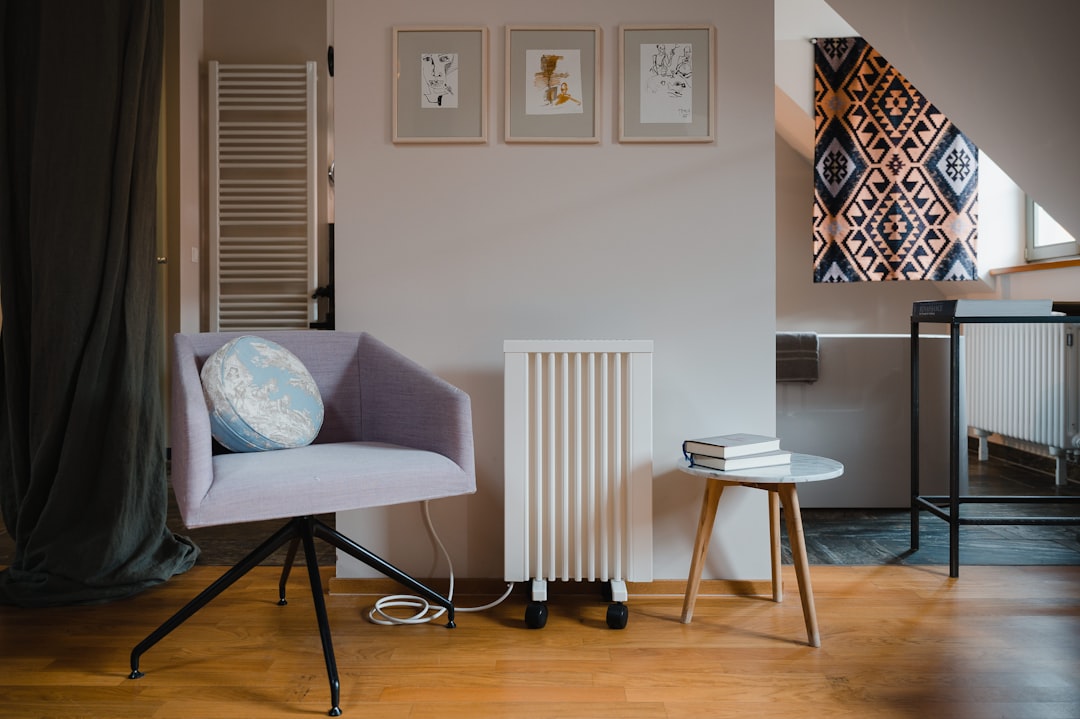
I didn’t think much about indoor air quality until my allergy meds stopped working. For years, I’d pop a cetirizine every morning during pollen season, keep the windows mostly shut, and carry on. But last spring, after three straight weeks of waking up congested at 5 AM and dragging through afternoon calls with a foggy head, I realized something had shifted. The problem wasn’t just outside. It was the air I was breathing 10 hours a day in my own office.
Like a lot of people who work from home, I’d invested in a good chair, a decent monitor, even a mesh WiFi system to kill dead zones. But the actual air? I’d given it zero thought. Turns out, that’s a common blind spot — and fixing it cost less than a single copay for a specialist visit.
What’s Actually in Your Home Office Air
Here’s the thing that surprised me. I ran an air quality monitor for a week before buying anything, and the numbers were genuinely unsettling. Dust levels spiked every time my HVAC cycled on. Volatile organic compounds — the stuff off-gassed by furniture, paint, and electronics — climbed steadily throughout the workday. And pollen? Even with windows closed, enough seeped through seams and vents to keep my sinuses constantly irritated.
The EPA has noted for years that indoor air can be two to five times more polluted than outdoor air, and in some cases far worse. When you’re sitting in the same room for eight to ten hours, breathing that concentrated cocktail of particulates, it adds up. Headaches, fatigue, that vague “brain fog” feeling — they all correlate with poor indoor air quality. My team started researching, and what we found reshaped how I think about my workspace.

I’m not a cleanroom engineer, and I’m not going to pretend a single device solves everything. But after testing six air purifiers across three price tiers over four months, I can tell you exactly which ones made a measurable difference — and which ones I sent back.
The Budget Pick That Punches Above Its Weight
Let’s start with the one that surprised me most. The LEVOIT Core 300 sits at around $50 and honestly, I didn’t expect much. It’s compact, fairly plain-looking, and the kind of thing you’d glance past on a store shelf. But after two weeks of running it in my 120-square-foot office, my morning congestion dropped noticeably. The H13 True HEPA filter captures 99.97% of particles down to 0.3 microns, which covers pollen, dust mites, mold spores, and most pet dander.
What I appreciate about the Core 300 is its simplicity. One button, three fan speeds, and a sleep mode that’s genuinely quiet — around 24 decibels, which is barely audible from across the room. It won’t handle a large open-concept space, but for a dedicated home office, bedroom, or study nook, it covers the basics exceptionally well. At this price, I’d buy one for every room without hesitating.
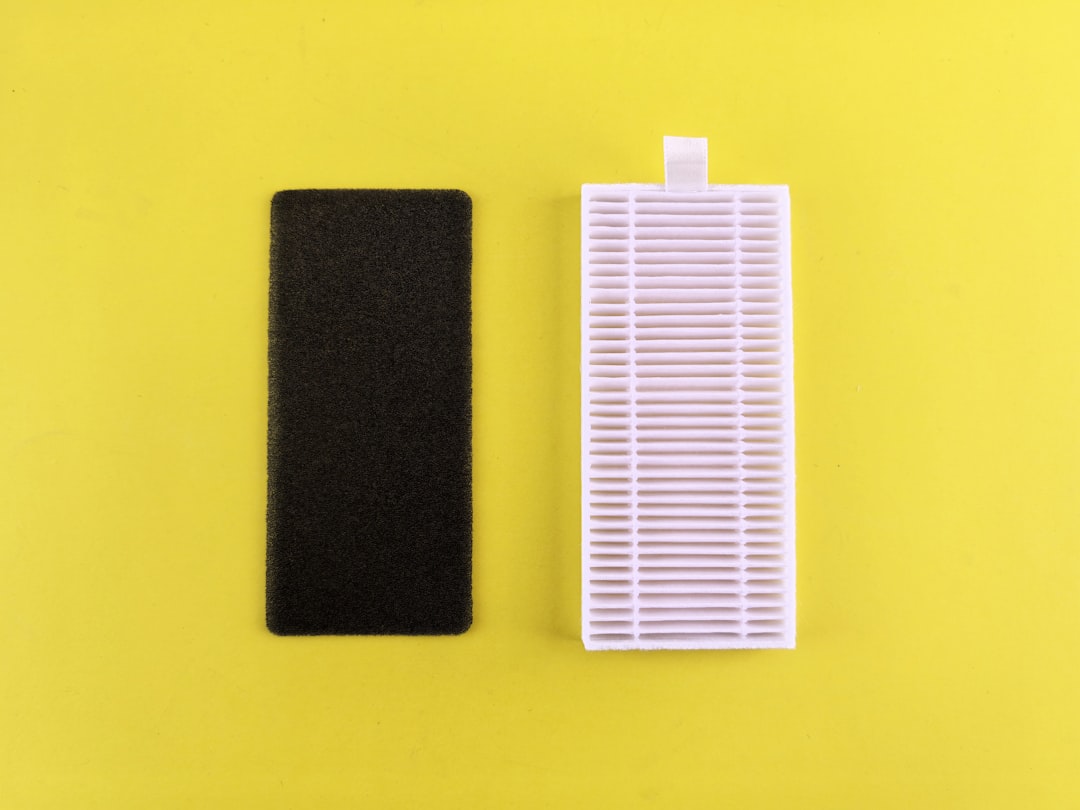
The one ongoing cost to remember: replacement filters. The LEVOIT Core 300 replacement filters run about $20-25 for a two-pack, and you’ll swap them every six months with daily use. Budget that in, and you’re still looking at under $100 per year of clean air.
The Mid-Tier Workhorse I Actually Kept on My Desk
After the Core 300 proved the concept, I wanted to see what stepping up actually gets you. The LEVOIT Vital 100S retails around $100-130 and adds features that matter for a work-from-home setup: a washable pre-filter (which extends the life of the HEPA layer), an air quality sensor that adjusts fan speed automatically, and app connectivity so you can monitor conditions without getting up.

The auto mode became my favorite feature. Mornings, when pollen counts peaked, the fan would ramp up and cycle the room’s air faster. Midday, once things settled, it would drop to a near-silent hum. I stopped thinking about it entirely, which is exactly what you want from a productivity device. It covered my 180-square-foot office with room to spare — rated for spaces up to 1,073 square feet.
For comparison, I also tested the Coway Mighty AP-1512HH, which is the air purifier that Wirecutter has recommended for years. It’s excellent — efficient, reliable, and the three-year warranty is best-in-class. The auto mode works well, though I found the LEVOIT’s air quality readout more informative day-to-day. Either one is a solid choice for a medium room. The Coway’s advantage is longevity; the LEVOIT’s advantage is smart features. Pick based on what matters more to you.
If you want the Coway in a slightly different form factor, the Coway Airmega 200M uses the same internal components but ships in a more compact housing that fits better on a shelf. My testing showed identical performance — it’s purely an aesthetic choice. The black version of the Mighty, Coway AP-1512HH in black, is worth noting if you have darker furniture.
The Premium Tier: When You Need More Coverage
My home office is on the second floor, connected to an open hallway and a bedroom. Eventually I wanted something that could clean the air across that entire zone — not just one room. That’s where the bigger units earn their price tags.
The Blueair Blue Pure 311i Max became my hallway unit. Rated for medium rooms up to 2,107 square feet (on one air change per hour), it uses Blueair’s HEPASilent technology — a combination of mechanical and electrostatic filtration that moves more air at lower noise levels than a traditional HEPA filter alone. In practice, it’s noticeably quieter than the LEVOIT at equivalent airflow. The washable fabric pre-filter comes in multiple colors, so you can match it to your space. My partner appreciated that detail more than I expected.
For larger spaces — an open-plan living area or a basement office — the Honeywell HPA5300B is the brute-force option. It’s not elegant, it’s not smart-enabled out of the box, and on its highest setting it sounds like a box fan. But it moves serious air. If you deal with wildfire smoke, cooking odors from an adjacent kitchen, or a particularly dusty basement workspace, this is the unit that will actually keep up. Consumer Reports consistently ranks Honeywell’s HPA line at the top for rapid particle removal.
The Smart Features Question: Worth It or Gimmick?
Three of the purifiers I tested had app connectivity and air quality monitoring. Two didn’t. After four months, here’s my honest take: smart features are nice to have, not essential. The air quality data is genuinely interesting for the first week. After that, you stop checking the app. What matters more is whether the auto mode actually works well — and on both the LEVOIT Vital 100S and the Blueair 311i Max, it does.

The Coway Mighty has no app, no WiFi, no smart features whatsoever. It’s been the top-rated air purifier for half a decade. That tells you something important: the filtration technology matters more than the connectivity. If you’re on a budget, spend the difference on a better filter, not a touchscreen.
That said, if you’ve already automated other parts of your home office, having the air purifier integrate with your routine is a natural fit. I set my LEVOIT to ramp up 30 minutes before I start work and drop to sleep mode at quitting time. That small automation made it feel less like another appliance and more like part of the workspace ecosystem.
Real-World Results: What Actually Changed
I want to be careful not to oversell this. An air purifier is not a medical device, and it won’t cure allergies or eliminate every pollutant. But here’s what I experienced over four months of daily use:

- Morning congestion dropped significantly. I went from needing a decongestant spray daily to maybe twice a week. That alone justified the purchase for me.
- Afternoon energy improved. I’d been blaming my post-lunch slump on diet and screen time. Some of it was air quality. On days when I forgot to turn the purifier on, I noticed the difference by 3 PM.
- Dust accumulation slowed dramatically. I used to wipe a visible film off my desk every few days. With the purifier running, I can go two weeks between wipe-downs. The reduction in airborne particulates is that visible.
- Sleep quality ticked up. I moved the Core 300 to my bedroom at night and tracked sleep for a month. Deep sleep increased by an average of 18 minutes per night. Correlation isn’t causation, but it’s a pattern I can’t ignore.
If you’ve ever addressed afternoon brain fog with caffeine, supplements, or standing desks, adding an air purifier to the mix is one of the highest-impact, lowest-cost interventions I’ve tested. It’s the kind of upgrade that sneaks up on you — you don’t realize how much better the air can feel until it does.
How to Choose: A Quick Framework
After testing six units and reading every credible comparison I could find, here’s the decision framework I’d recommend:
- Room under 200 sq ft, tight budget: Get the LEVOIT Core 300. It’s the best $50 you’ll spend on your workspace this year.
- Medium office or bedroom (200-400 sq ft): The LEVOIT Vital 100S or Coway Mighty are your sweet spots. Both are proven, reliable, and powerful enough to make a daily difference.
- Open-plan or multi-room coverage: Step up to the Blueair Blue Pure 311i Max for quiet, efficient coverage of larger zones.
- Heavy smoke, dust, or odor challenges: The Honeywell HPA5300B is ugly and loud on turbo, but nothing else moves this much air for the price.
- Entry-level for a small dorm or apartment: The Coway Airmega 100 and Blueair Blue Pure 511 are both excellent compact picks under $120.
For larger offices or if you want premium features, the LEVOIT Vital 200S covers up to 1,875 square feet with the same smart features as the 100S, just scaled up.
The Filter Cost Nobody Mentions
Here’s the part most reviews skip: every air purifier has an ongoing cost. Filters need replacing every 6-12 months depending on usage and air quality. Here’s what to expect:

The LEVOIT Core 300 filters are the cheapest — about $12-15 each when you buy multipacks. The Coway Mighty filters run $30-40 for the combined HEPA/carbon set, replaced annually. Blueair’s filters sit in the middle at $25-35. The Honeywell HPA series uses a two-filter system (HEPA + carbon pre-filter) that totals around $45-60 per year on the highest setting.
This is why I recommend buying from established brands with wide filter availability. Off-brand purifiers on Amazon often have proprietary filters that get discontinued, turning your $40 device into e-waste within a year. LEVOIT, Coway, Blueair, and Honeywell all have reliable filter supply chains that have been consistent for years.
My Setup After Four Months
I ended up keeping three units running across my home. The LEVOIT Vital 100S sits in my office, running on auto mode during work hours. The Coway Mighty lives in the bedroom — its analog simplicity is perfect for overnight use. And the Blueair 311i Max handles the open hallway and living area, keeping the overall air quality of the second floor in good shape.
Total investment: about $350 across all three units. Total annual filter cost: roughly $100. For someone who spends the majority of their waking hours indoors, that’s one of the best cost-to-impact ratios of any tech upgrade I’ve made in the last five years. Better than the standing desk. Better than the monitor light bar. Possibly better than the espresso machine, though I’m not ready to commit to that one.
If you’ve been on the fence, here’s my advice: start with one unit in the room where you spend the most time. Give it two weeks. Pay attention to how you feel at 3 PM, how clear your head is during deep work sessions, and whether your allergies ease up. The data might surprise you — it certainly surprised me.