
Every year around this time somebody hands me a power bank across the Thanksgiving table and asks if it is “allowed on the plane.” This year the honest answer is longer than it used to be. Last week I had my bench’s whole drawer of battery packs spread out under a desk lamp, sorting them into two piles: the ones I would hand to a relative flying home on Sunday, and the ones I would not. The second pile was bigger than I expected, and not because any of those packs were bad batteries.
The rules changed under our feet in 2026. The international aviation body tightened its baseline in March, a long list of airlines stopped letting you use a power bank in flight at all, and a couple of US carriers cut the number you can bring. Meanwhile, the Consumer Technology Association’s holiday survey found about 55% of US adults are considering a power bank as a gift this year, and about half are considering a wireless charging dock or pad. That is a lot of lithium going into wrapping paper the same month millions of people fly to see family.
So this is the guide I wish someone had handed me before I started buying gifts: what the label has to say, what the airlines actually allow next week, where the pack has to ride, and which power banks and chargers I would wrap this year knowing the person is going to carry them through security.
The Short Answer
If you only have two minutes before the sale ends, here is what I would buy, sorted by the person who is going to carry it. Every one of these stays well under the 100 watt-hour line that most airlines draw, and every one has its capacity printed where a gate agent can read it.
- For the phone-only flyer: the Anker Nano Power Bank (10K, Built-In USB-C Cable). Small, cable attached, nothing to lose in the seat pocket.
- For the iPhone or Qi2 Android owner: the Anker MagGo Power Bank (10K, Qi2), which snaps to the back of the phone so it stays in view on airlines that want that.
- For the laptop traveler: the UGREEN Nexode Power Bank 20,000mAh 130W. Enough to top up a laptop at the gate, comfortably under the limit.
- For the person who wants the most allowed without paperwork: the Anker Prime Power Bank (26,250mAh, 300W), rated at just under 100 watt-hours.
- For the stocking stuffer budget: the INIU Portable Charger 10,000mAh.
- For the nightstand at Grandma’s house: the Belkin BoostCharge Pro 3-in-1 Qi2 Charging Pad, which folds flat in a carry-on and has no battery inside at all.
- For the one wall plug that replaces three: the Anker Prime Charger (100W, 3 Ports).
- The cable everyone forgets: a Anker 240W Braided USB-C Cable (2-Pack).
- To keep it all visible and together: a BAGSMART Electronics Organizer Travel Case.
- For the flyer who carries a lot of batteries: a Fireproof Battery Safe Bag for the pouch at home and in the car.
What Changed in 2026, in Plain English
For most of the last decade, the power bank rule was simple enough to fit on a sticky note: carry-on only, never checked, and under 100 watt-hours unless the airline gives you permission. That part has not changed. The US Federal Aviation Administration still allows spare lithium batteries up to 100 watt-hours in the cabin, and up to two larger batteries between 101 and 160 watt-hours with airline approval. Nothing over 160 flies at all.
What changed is everything around that rule. On March 27, the International Civil Aviation Organization, the United Nations agency that sets the baseline for international flights, limited power banks to two per passenger and prohibited recharging them during flight. Its accompanying guidance also discourages using a power bank to charge your phone while you are in the air. Individual airlines took that and ran in different directions.
Overseas, the direction has been firm. Emirates stopped allowing power bank use on board back in October 2025. According to their own published policies and announcements, Lufthansa Group airlines, Korean Air and Asiana, Cathay Pacific, Singapore Airlines, EVA Air, Thai Airways, easyJet, KLM and Air France all ban using a power bank in flight in some form, and several of them say it has to ride in the seat pocket or under the seat, never in the overhead bin. If anyone at your table is connecting to an international flight over the holidays, assume the pack stays in the bag for the whole flight and charge the phone from the seat outlet instead.
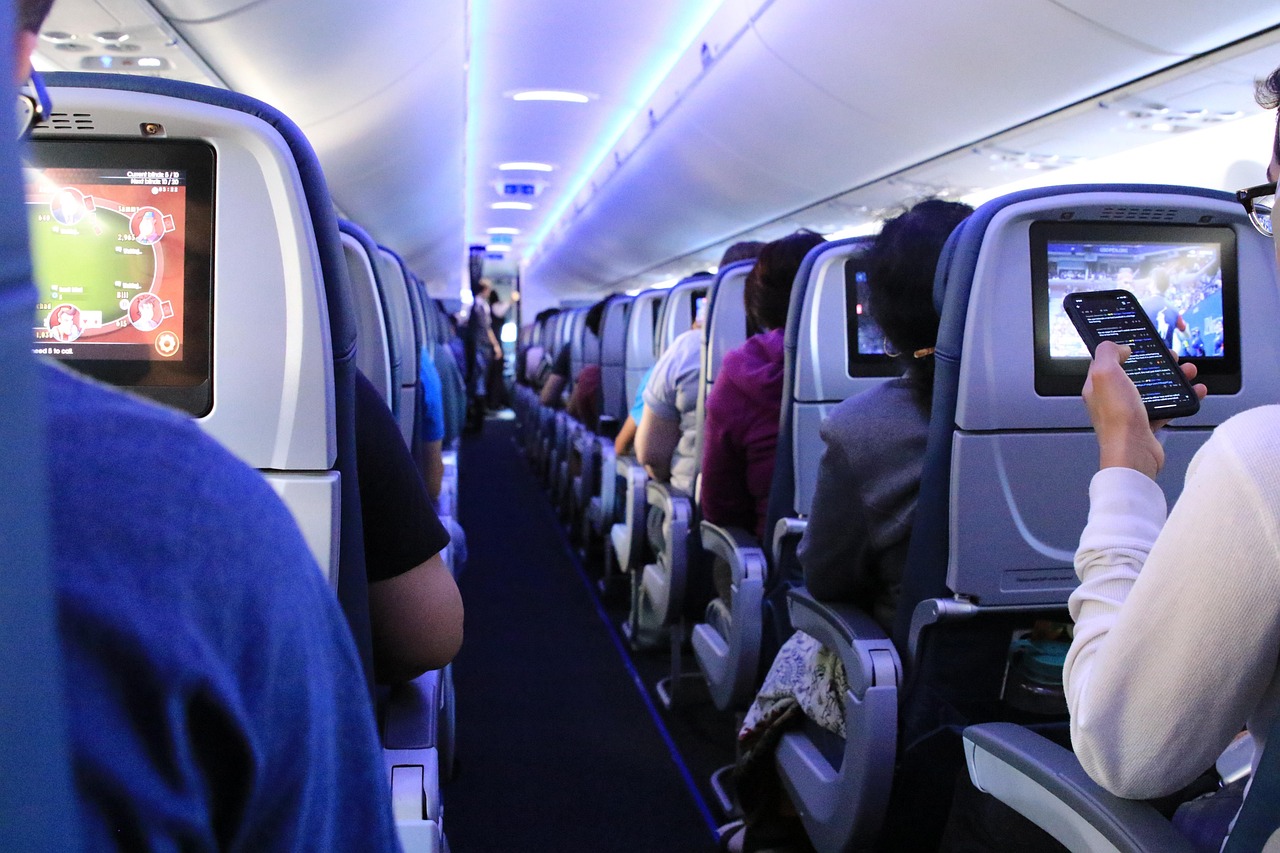
Domestic carriers in the US are looser, but they are not identical, and that is where people get caught. I have watched a gate agent ask a passenger to pull a battery out of a roller bag that was about to be gate-checked, and the passenger had no idea it mattered. It matters. A gate-checked bag goes in the cargo hold, and a power bank in the cargo hold is exactly what every one of these rules is trying to prevent.
The Number on the Label Is the Whole Story
Airlines do not care how many milliamp-hours the box brags about. They care about watt-hours, because that is the actual amount of energy in the cells. Most packs print both. If yours only prints milliamp-hours, the math is easy: multiply the mAh by the cell voltage, usually 3.6 or 3.7, and divide by 1,000.
Here is what that looks like in real numbers, using 3.7 volts:
- 10,000mAh works out to about 37Wh. Not even close to any limit.
- 20,000mAh works out to about 74Wh. Still comfortable.
- 25,000mAh works out to about 92.5Wh. Fine, but you are getting near the line.
- 26,250mAh, the size Anker uses in its biggest Prime pack, comes out just under 100Wh, which is exactly why that capacity exists.
- 30,000mAh works out to about 111Wh. That needs airline approval, and some airlines will just say no.
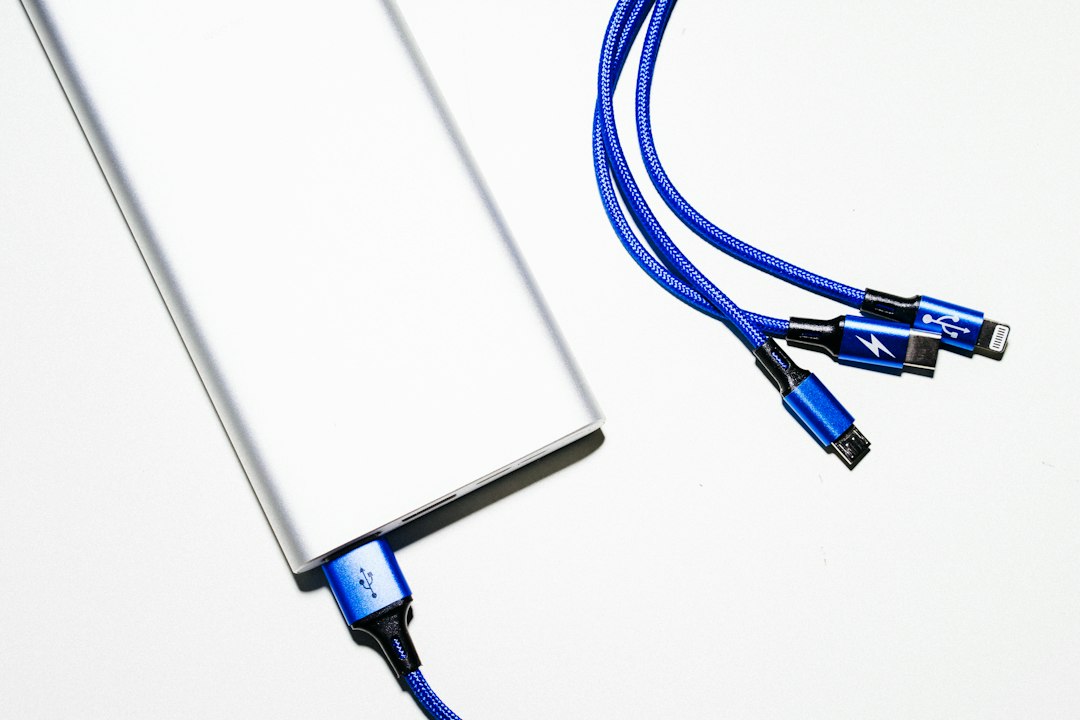
The part that trips people up is not the math. It is the label itself. A security officer or gate agent has to be able to read the rating on the pack, and KLM, for one, warns on its baggage page that if the watt-hour capacity is not listed on the power bank, you may not be able to bring it. Cheap no-name packs sometimes print the capacity on a sticker that rubs off in a month, or on the box instead of the battery. When I sort gifts, any pack without a legible rating molded or printed into the shell goes in the second pile, no matter how good it is at charging a phone. A battery you have to argue about at a gate is not a good gift.
One more thing about big numbers: more is not automatically better for travel. A 20,000mAh pack is the sweet spot for most people. It charges a phone three or four times, it can rescue a laptop, and it never comes near a limit at any airline I checked. The 26,250mAh class is for people who really run a laptop hard on the road. I covered how the bigger packs actually perform with a laptop in my laptop power bank shootout this summer, and the takeaway still holds: buy the size you will use, not the size that looks impressive on the box.
Airline by Airline, for Next Week’s Flights
I went through the published rules for the big US carriers as of mid-November. Policies move fast this year, so check your own airline’s page the night before you fly. But here is the shape of it.
Southwest is the strictest domestic carrier right now. Under the policy it announced in April, effective April 20, it allows one power bank per customer, 100 watt-hours or less, kept under the seat or on your person and never in the overhead bin. If you use it on board, it has to be in plain view, not buried in a bag, and you cannot charge it from the seat power. If two people in your family each pack a power bank in one shared backpack, that is still one each, so make sure they travel with the right person.
Delta allows two power banks, each up to 100 watt-hours, with no exceptions above that. They cannot go in the overhead bin, they cannot be recharged on board, and you cannot use one to charge a device during taxi, takeoff or landing.
JetBlue also allows two, keeps them out of checked bags and overhead compartments, says they must not be charged from seat power during flight, and says they should not be used to charge or power other devices in flight at all. Its general limit for portable electronics is 100 watt-hours.
American allows two at 100 watt-hours or less, keeps them out of the overhead bins, wants the pack in view while it is in use, and does not allow charging it from seat power.
For United, Alaska and the low-cost carriers, read the airline’s dangerous goods page before you go. The safe assumption everywhere is the same: two packs at most, each under 100 watt-hours, never in a checked or gate-checked bag, never in the overhead bin, and never plugged into the seat to recharge.
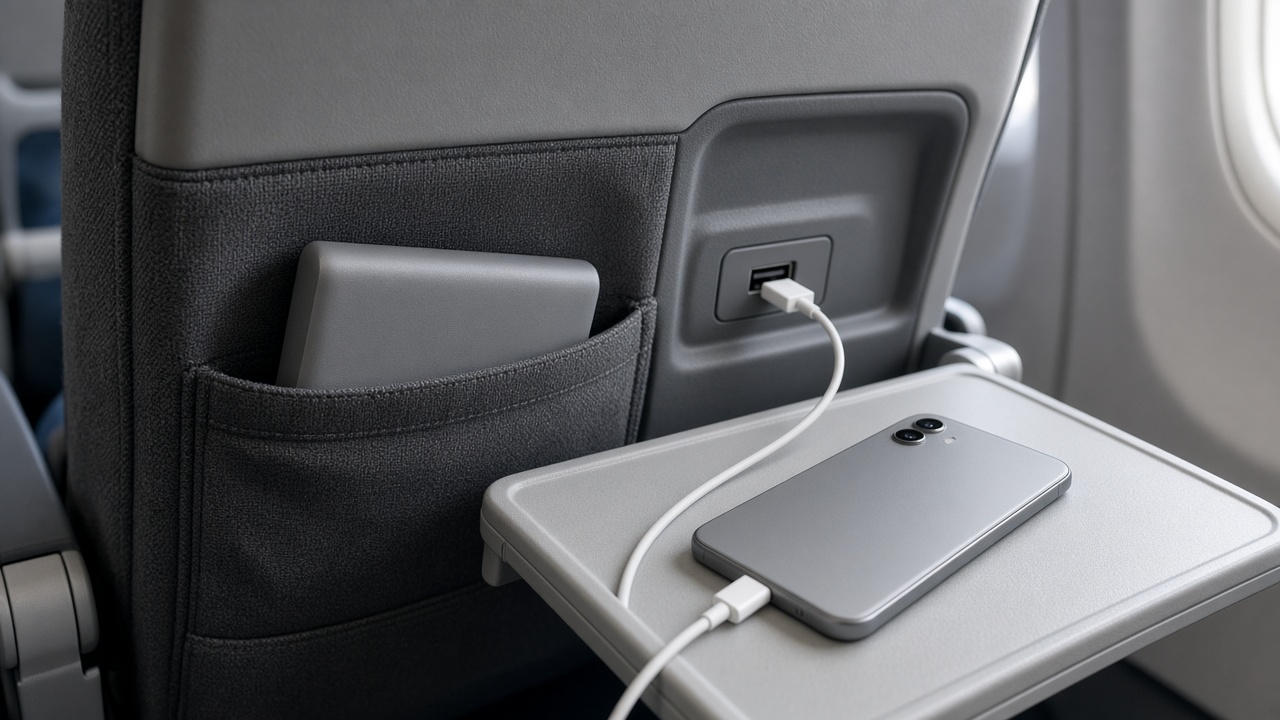
The habit that makes all of this painless is simple: charge everything the night before, keep the pack where you can see it, and plug the phone into the seat port if the plane has one. EASA, the European safety regulator, even suggests carrying power banks at a lower charge and topping them up when you land, since a partly charged battery is less risky. If you need power in the air, the seat is your outlet now. The power bank is for the gate, the rental car counter, and the long wait at baggage claim.
Where the Pack Rides From Curb to Gate
The single most common mistake I see is a power bank in the wrong bag. People pack it in the roller because that is where the charger cables live, and then the roller gets gate-checked when the bins fill up. On a full holiday flight, that happens to a lot of roller bags.
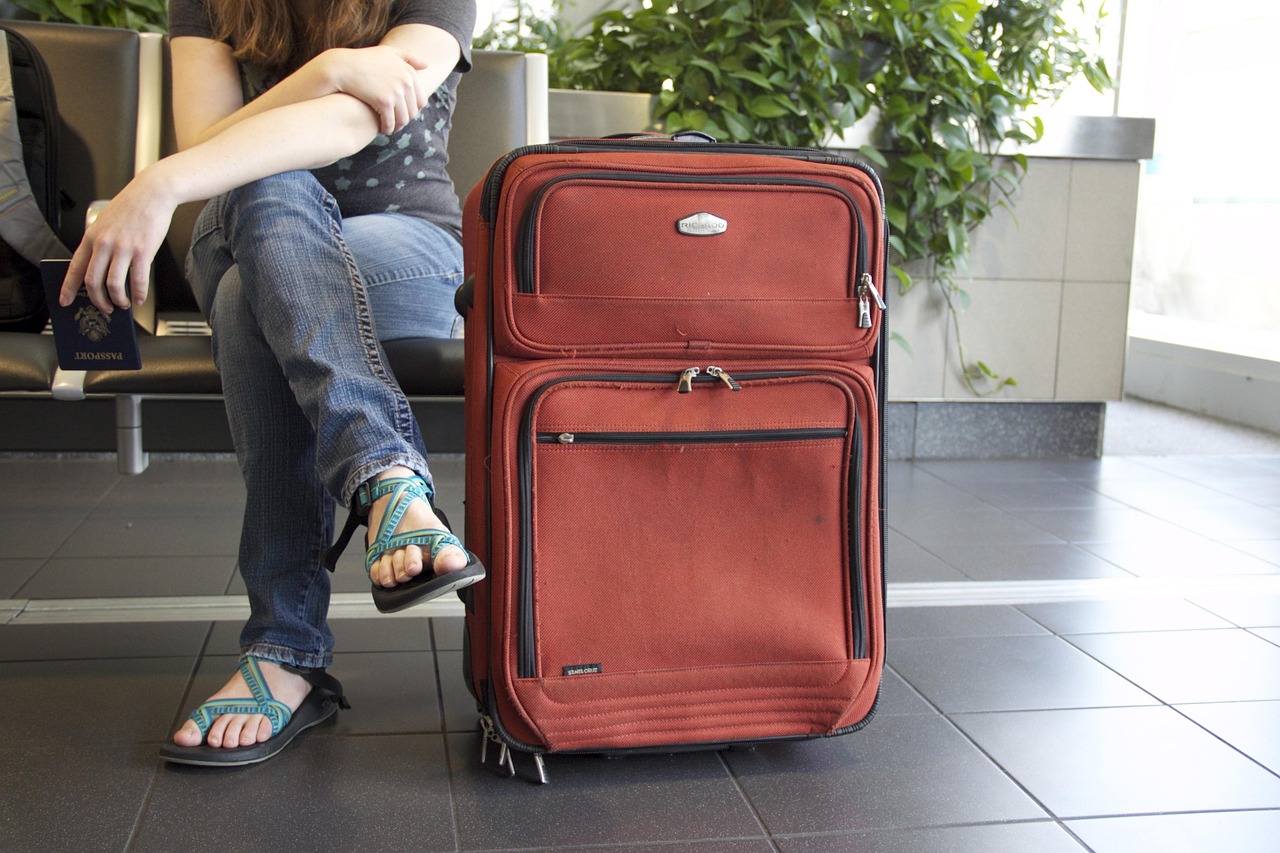
My rule is that every lithium battery lives in the personal item, the bag that goes under the seat in front of you. That includes the power bank, spare camera batteries, and the earbuds case if you are fussy about it. A clear or mesh organizer makes this easy, because you can pull the whole pouch out at security and drop it back under the seat on the plane in one move. It also keeps the pack visible, which is what Southwest and American want while you are using it.
If an agent tells you at the gate that your roller is getting checked, take the pouch out before it leaves your hand. Agents usually ask about batteries, but on a crowded Sunday after Thanksgiving, they will not always remember. If you are flying that Sunday, my colleague on the travel side has a whole plan for working around the Nov. 29 airport crush, and it is worth reading before you book a return.
Picking the Right Pack for the Person
The best travel power bank is the one the person will actually remember to charge and carry. That sounds obvious, but I have given big, beautiful packs to relatives who left them in a drawer because they were too heavy for a purse. Here is how I match a pack to a person.
The phone-only relative
This is most people. They need one extra charge on a long travel day, and they will not carry a cable. A 10,000mAh pack with a built-in USB-C cable is the right answer. The Anker Nano with the attached cable is the one I hand out most, because there is nothing to forget. If the person has an older Lightning iPhone, check before you wrap it, or include a short adapter cable.
The iPhone or newer Android owner who hates cables
Magnetic Qi2 packs snap to the back of the phone and charge without a cord. The Anker MagGo 10K is the one I keep in my own jacket. It is slower than a cable and it runs warm, but it has a real advantage on airlines that want the pack in view while in use: it is literally stuck to the phone in your hand. That counts as visible. If the person’s phone does not support Qi2 or MagSafe, skip this and buy the cable version.
The laptop traveler
Anyone who works on the road needs a pack that can push 60 to 100 watts through USB-C. The UGREEN Nexode 20,000mAh is the one I would wrap. It is about 74 watt-hours, so it never raises an eyebrow, and it can keep a thin laptop alive through a delayed connection. The Anker Prime at 26,250mAh is for someone who needs more and knows what they are doing. It is heavy, it is expensive, and it lands right at the edge of the 100 watt-hour line. Southwest’s one-pack rule makes it a great single-battery choice there.

The stocking stuffer
A slim 10,000mAh pack like the INIU is a great small gift for a teenager or a coworker, and it slides into a coat pocket. Before you buy anything this cheap, though, read the back of the listing photos and make sure the watt-hour rating is printed on the pack. Most reputable budget brands do it. Some no-name sellers do not.
The gift that has no battery at all
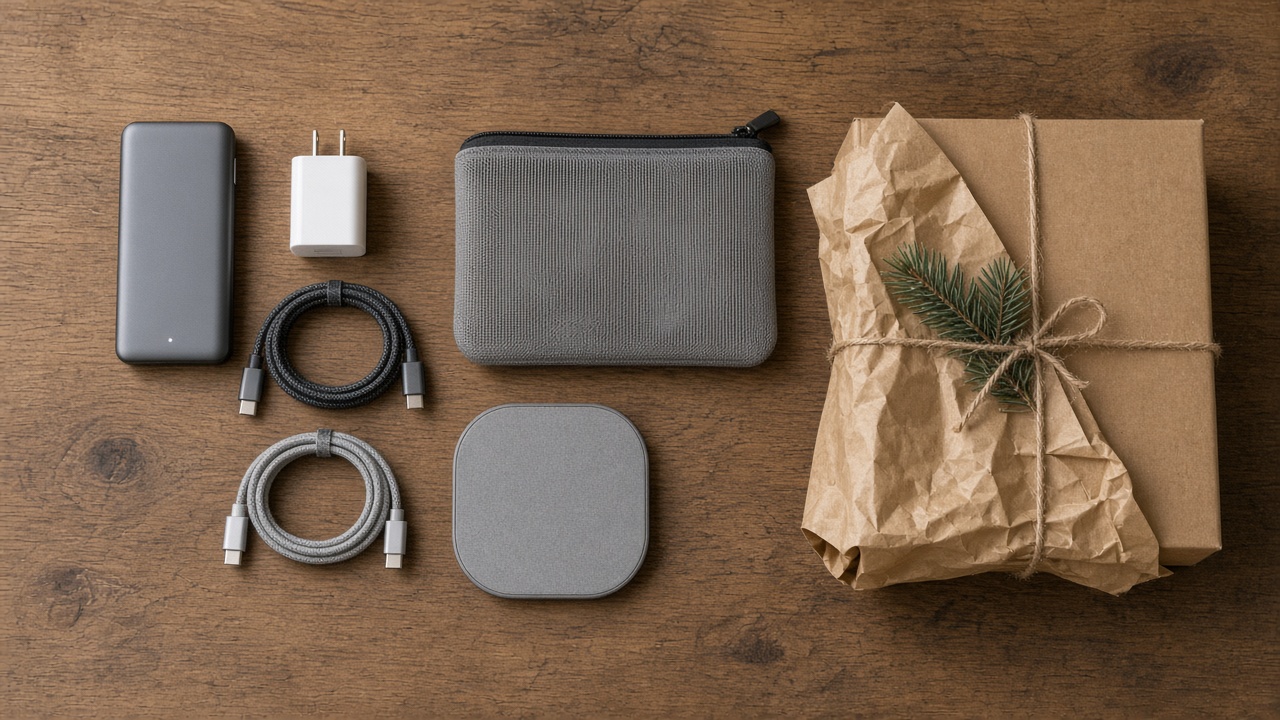
Here is my favorite trick for the person who travels a lot. Do not buy them another battery. Buy them the things that make the battery less necessary. A fold-flat Qi2 charging pad for the hotel nightstand, a small 100-watt GaN wall charger with three ports, and a pair of good braided USB-C cables will do more for most travelers than a second power bank. None of it counts against any airline’s battery limit, and it all fits in the same pouch. I wrote about building a Qi2 charging setup at home earlier this year; the travel version is the same idea in a smaller bag.
Run a Recall Check Before You Wrap Anything
This is the part people skip, and it is the part that matters most. Lithium batteries get recalled all the time, and a recalled pack is something you never want in an airplane cabin or under the tree.
The fresh example this month is Bose. On November 5, Bose and the Consumer Product Safety Commission recalled about 635,000 battery packs for the S1 Pro and S1 Pro+ portable PA speakers after reports of packs melting, smoking or catching fire. It is not a power bank, but it is exactly the kind of spare lithium battery people throw in a bag for a holiday party. The 17-digit serial number is on a label on the bottom of the battery pack. If it begins with 083723, 078352, 084105, 078591, 078592, 084106 or 086409, stop using it. Bose will send a free replacement, and the speaker still works plugged into the wall.
Anker has had its own recalls on some older packs, and Air Canada’s restricted-items page goes as far as naming three recalled Anker models as not allowed on board: A1647, A1681 and A1689 (Health Canada lists the same three in its recall notice). The model number is printed on the back of the pack. If you have an Anker pack from a few years ago in the drawer, take a look before it goes in a carry-on.
My routine is the same every November. I pull every battery pack out of the drawer, check each model number against the manufacturer’s recall page and the CPSC site, and retire anything swollen, cracked, or older than about five years. A pack that has started to bulge, even a little, goes to a household hazardous waste drop-off, not into the trash or a store recycling bin. Recalled lithium batteries need special handling, and the CPSC is clear on that.

Black Friday Rules for Buying Batteries
Power banks are one of the few corners of tech where the memory-chip crunch is not pushing prices up, so the deals this week are real. But battery listings are also where the sketchy sellers pile in. Here is what I check before I click buy.
- Watt-hours printed on the pack, not just on the box or the listing.
- A brand you can look up, with a recall page and a warranty you can actually use.
- Sold by the brand or by Amazon, not a third-party seller with a name that looks like a password.
- A capacity that makes sense for the size. A pack the size of a deck of cards claiming 50,000mAh is lying.
- A real price history. Run the same ten-minute price check I use on everything else this month. Plenty of “deals” on chargers are the normal price with a red badge.
If you are building a full stocking of small electronics, my under-$50 gift list has a few more ideas that pair well with a power bank.
The Night-Before Checklist
Here is what I tell everyone at the table who is flying home after the holiday, and what I do myself:
- Charge the phone, the earbuds and the laptop the night before. Plan to use the seat port on the plane, not the pack.
- Count the power banks. Two at most, one on Southwest, each under 100 watt-hours.
- Find the rating. If you cannot read it, leave it home.
- Put every battery in the personal item, inside a pouch you can lift out in one move.
- If the roller gets gate-checked, pull the pouch first.
- On an international flight, assume the pack stays in the bag for the whole trip.
- Check any older pack’s model number against the recall lists before it travels.
The Bottom Line
A power bank is still one of the best tech gifts you can give, and it is still easy to fly with. It just is not a “throw it in any bag” gadget anymore. Buy one with a readable watt-hour rating, keep it under 100, give it a pouch that lives under the seat, and teach the person you are giving it to that the plane’s outlet comes first. Do that, and the gift you wrap this week will make it through security on Sunday without anyone needing to explain anything to a gate agent.
Tech should work for you, not the other way around. That goes double for the battery in your carry-on.