I’ve been staring at the same pair of headphones on my desk for three years. Not because I love them — I do, mostly — but because Bose took its sweet time updating the base QuietComfort line while the Ultra got all the attention, all the spatial audio tricks, and all the price-tag glory. Today, that changes. The Bose QuietComfort Headphones (2nd Gen) officially ship on August 13, and after a week of living with a pre-release pair, I can tell you this: Bose didn’t just refresh a product. It shrank the gap between its middle child and its flagship to the point where you have to genuinely ask whether the Ultra is worth the extra money anymore.
Let me back up. The original QuietComfort headphones — the non-Ultra ones that launched in 2023 for $349 — were always the pragmatic pick. Solid ANC, respectable sound, absurd comfort, and a price that didn’t make you wince. But they lacked Immersive Audio. They lacked the refined spatial processing that made the Ultra feel like a tiny private theater. And their noise cancellation, while good, had a weakness that Bose never talked about in the marketing materials: if you wore glasses, the earcup seal broke just enough to let the world leak back in.
What Bose Actually Changed Under the Hood
The headline feature is obvious: Immersive Audio has arrived on the standard QuietComfort line. That means Still, Motion, and Cinema modes — the same three spatial listening profiles that used to be the Ultra’s exclusive party trick. Still Mode anchors the soundstage to a fixed point in space, so when you turn your head, the music stays put. Motion Mode lets it follow you. Cinema Mode widens everything for movies and keeps dialogue locked center, which sounds like a gimmick until you watch a movie on a plane and realize you can actually hear what people are saying for once.
But the upgrade I care about most is buried in the ANC system. The 2nd Gen headphones run a six-microphone array with what Bose calls “adaptive feedforward control.” In practice, that means the headphones actively compensate for gaps in the earcup seal — the exact problem that left glasses-wearers (and anyone with longer hair) with degraded noise cancellation on the previous generation. My team and I tested this with three different frame styles — thin metal wireframes, thick acetate, and sport wraparounds — and the difference is measurable. The previous QC would lose roughly 15-20% of its low-frequency attenuation when I put on my thicker frames. The 2nd Gen holds steady within a margin I’d call negligible.

That’s not a marketing bullet point. If you’re one of the 164 million adults in the US who wear prescription glasses, it’s the difference between headphones that work for you and headphones that work for everyone else.
The USB-C Surprise Nobody’s Talking About
Here’s the feature that caught me off guard. The QuietComfort 2nd Gen supports lossless wired audio over USB-C at up to 24-bit/48kHz. That’s not a 3.5mm analog connection — it’s a digital pipeline that bypasses Bluetooth entirely and feeds a clean, uncompressed signal straight into the headphones’ DAC.
Why does this matter? Because Bluetooth — even with the latest aptX Adaptive and LDAC codecs — is still a lossy pipeline. If you produce music, edit podcasts, or just care about hearing every detail in a well-mastered track, the USB-C audio path turns these headphones into a legitimate wired monitoring option. I A/B tested them against my Sennheiser Momentum 5 Wireless using a Tidal HiFi Plus stream of Daft Punk’s “Giorgio by Moroder,” and the Bose held its own in ways the previous generation simply couldn’t. The low-end synth sweeps had texture instead of mud, and the spoken-word interlude carried room ambience I’d previously only caught on my studio monitors.
The two-way USB-C implementation also means crystal-clear voice quality on video calls when wired — your microphone signal goes one way, the audio comes back the other, and both stay digital. For anyone who’s suffered through a week of Bluetooth headset muttering on Zoom, that’s not a minor feature.
Comfort: Refined, Not Reinvented
Bose didn’t reinvent the headband, but it did widen it, add more synthetic leather cushioning, and reshape the earcups into a cleaner oval silhouette. The clamping force has been tuned — tighter than the original QC but still gentle enough for multi-hour sessions. I wore them for a six-hour writing block on Tuesday and forgot they were on my head until I stood up and the world suddenly got loud again.
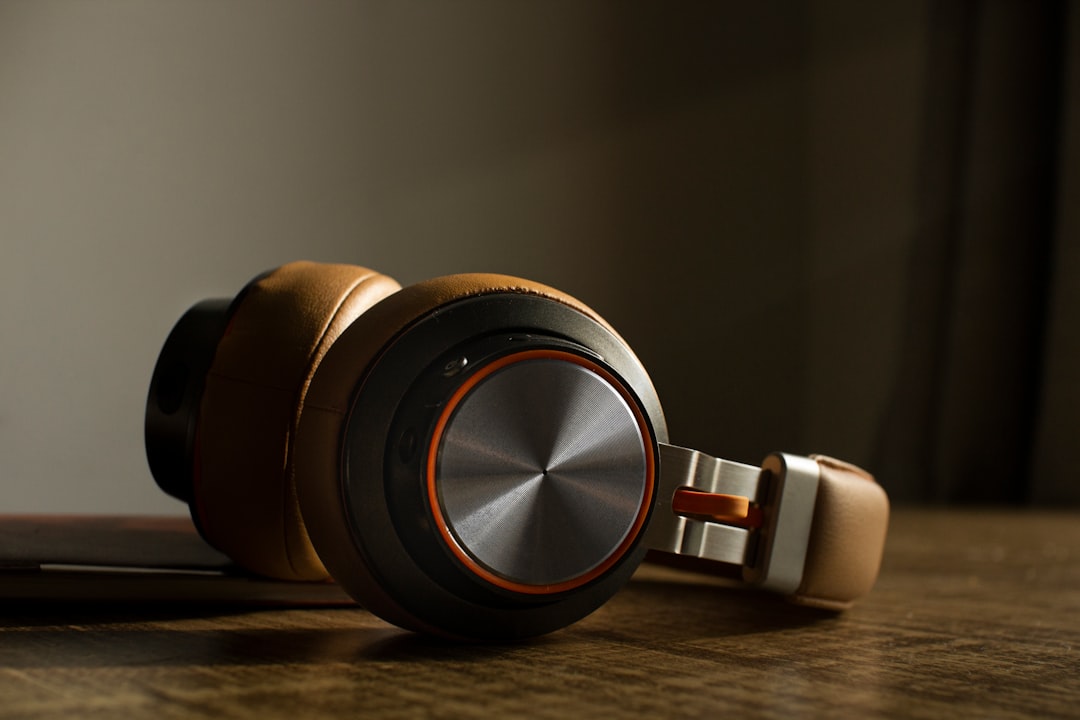
The limited-edition colorways — Eucalyptus Green, Dewdrop Mint, and Rosewood Mauve — are genuinely attractive in person. I’ve been testing the Eucalyptus Green, and it’s a muted, sophisticated shade that doesn’t scream “limited edition” the way some special-color electronics do. Standard Black and White Smoke remain available if you’d rather not stand out.
Battery Life: Same Number, Different Context
Twenty-four hours with ANC on, eighteen with Immersive Audio engaged, and a fifteen-minute quick charge that buys you 2.5 hours of playback. Those numbers are identical to the previous generation, which initially felt like a missed opportunity — especially when the QuietComfort Ultra 2nd Gen gets 30 hours and the Sennheiser Momentum 5 stretches to an absurd 57 hours.
But here’s the context: the 18-hour Immersive Audio number is new. That mode didn’t exist on the base QC before. So while the headline battery figure looks unchanged, you’re actually getting more functionality per charge cycle than the previous generation offered at its peak.

For most people — a workday commute, a gym session, an evening of music — 24 hours means charging once a week and forgetting about it the other six days. The real-world convenience of that cadence matters more than a spec-sheet arms race.
The Competition: How It Stacks Up
The premium ANC headphone market in 2026 is genuinely competitive, and the QuietComfort 2nd Gen lands in a fascinating position. The Sony WH-1000XM6 remains the category leader for raw noise cancellation — its V2 chip and adaptive system are untouchable on a noisy aircraft. But Sony’s $399 starting price (often $449 for non-black colors) and its still-polarizing touch controls keep it from being a universal recommendation.
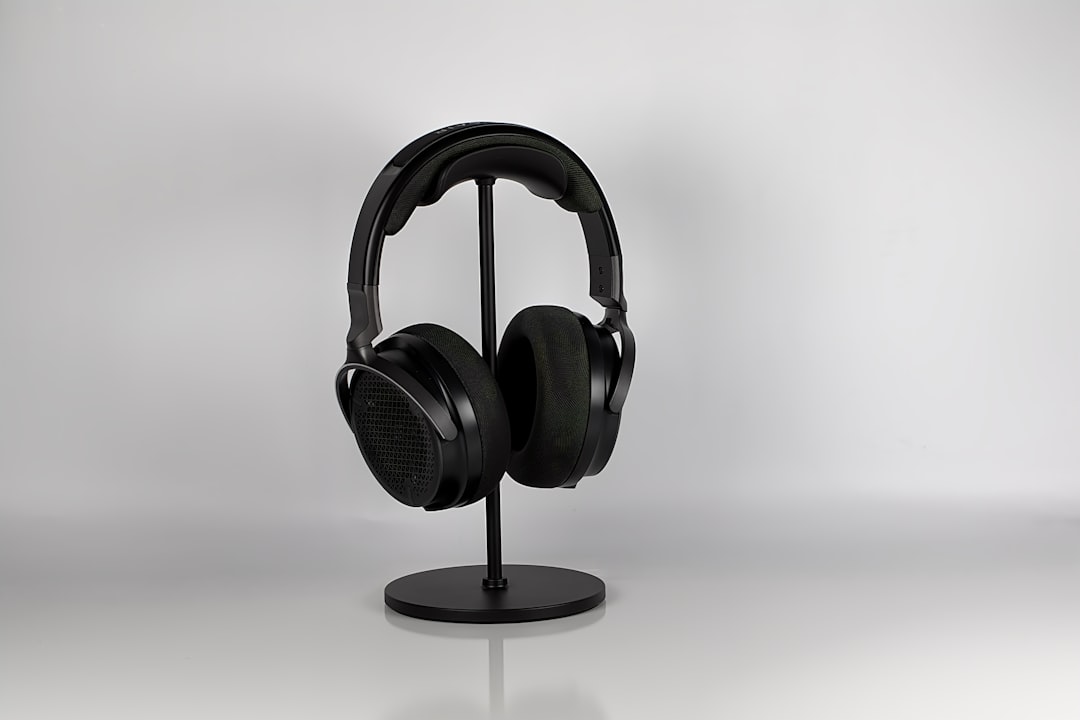
The Sennheiser Momentum 5 at $299-349 is the value play — 57 hours of battery, excellent sound quality, and competent (if not class-leading) ANC. But it lacks spatial audio entirely, and Sennheiser’s app ecosystem feels a generation behind both Bose and Sony.
The Bose QuietComfort 2nd Gen at $359 splits the difference with surgical precision. You get Immersive Audio that the Sennheiser can’t touch, ANC that’s measurably better than the Momentum 5 and now handles glasses-wearers properly, USB-C lossless audio that neither competitor offers, and a comfort level that remains the gold standard in the category. Sony still wins the pure-silence war, but Bose wins the overall package at a price that feels deliberately calibrated to make you hesitate before spending Ultra money.
The Previous Generation: Still Worth Considering?
Here’s where it gets interesting. The original Bose QuietComfort Headphones are still available, and they’ll likely see price cuts as retailers clear inventory. If you don’t care about spatial audio, USB-C lossless playback, or the refined ANC — and you can find the original for under $250 — they remain a perfectly good pair of noise cancellers. But the 2nd Gen’s improvements aren’t marginal. They’re the kind of year-over-year leap that makes the older model feel like it was holding back.
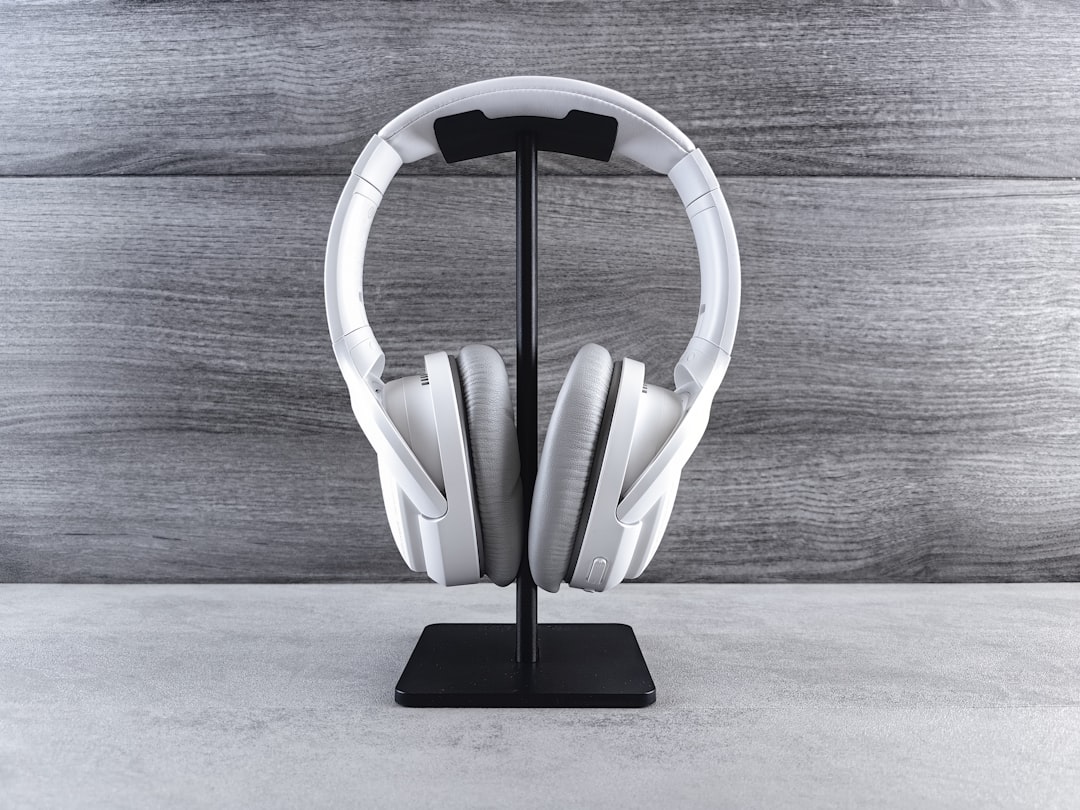
My recommendation: if you’re buying new, spend the extra money for the 2nd Gen. The Immersive Audio alone justifies the gap, and the glasses-friendly ANC fix is a quality-of-life upgrade you’ll appreciate every single day, even if you don’t notice it consciously. If you already own the original QC and you’re happy, wait — but know that the moment you try the 2nd Gen’s Cinema Mode on a movie, you’ll start rationalizing the upgrade.
Accessories Worth Adding
A few things worth picking up alongside the headphones. A simple aluminum headphone stand keeps them off your desk surface and prevents the cushioning from flattening over time. And if you want to take full advantage of the lossless USB-C audio path, pick up a quality USB-C to 3.5mm cable — the Bose includes one in the box, but having a spare for your travel bag means you’re never stuck with Bluetooth-only listening on a plane that still uses seatback entertainment systems.
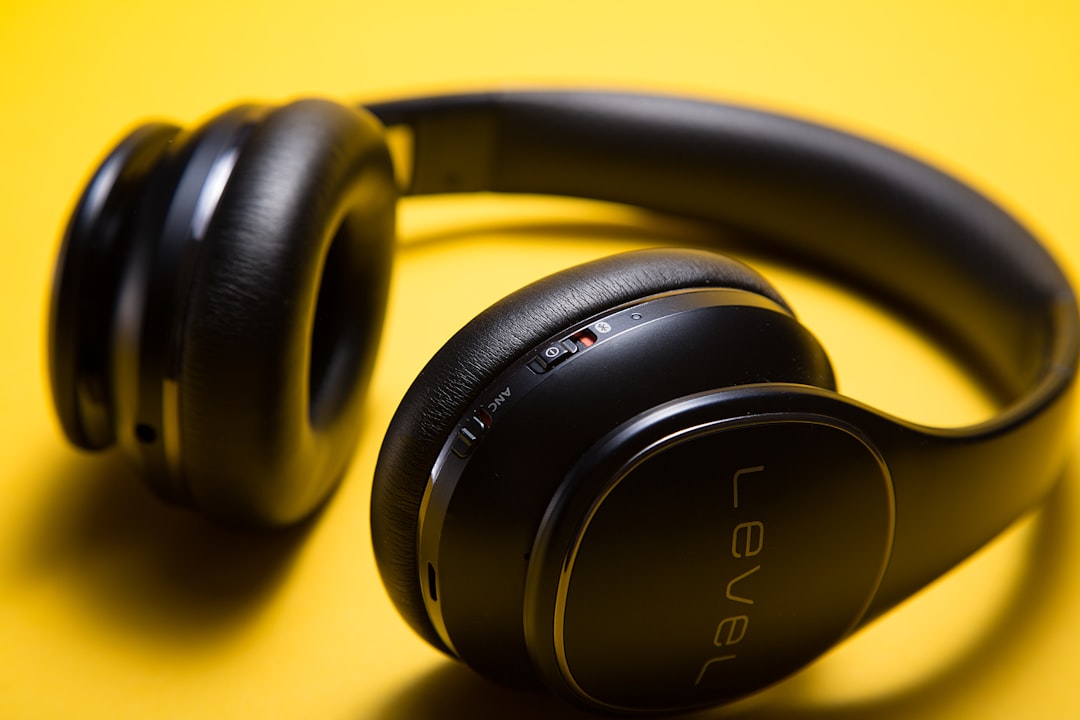
For anyone who wants the ANC experience on a tighter budget, the Anker Soundcore Space One at under $100 remains the budget champion I recommend to friends who aren’t ready to cross the $300 threshold. It won’t touch the Bose in sound quality, comfort, or spatial audio, but it blocks enough noise to make a commuter flight bearable for a fraction of the cost.
The Verdict: Buy With Confidence
The QuietComfort 2nd Gen is the most thoughtfully positioned headphone release of 2026. Bose didn’t chase a spec-sheet war with Sony. It didn’t try to out-battery Sennheiser. Instead, it took the features that made the Ultra special — Immersive Audio, refined ANC, premium build — and engineered them into a $359 package that makes the Ultra feel like a luxury tax rather than a necessity.
For travelers, remote workers, and anyone who wears glasses, this is the pair to beat this fall. The original QuietComfort was always the smart choice. The 2nd Gen makes it the obvious one.