
The furnace in this house clicked over to heat on Sunday. Not a dramatic cold snap. Just the first morning where the kitchen tile won the argument and somebody on the team turned the dial before coffee. Apple picked the next afternoon to throw a party called Welcome Home and put a price on the counter I was standing at. HomeView, $299. A new Apple TV 4K, also $299. A HomePod mini 2 at $149 that shows up first, on October 30. The screen and the streaming box do not land until November 13. The thermostats and cameras in the same announcement wait until December.
That gap is the whole story. The indoor season already started. Apple scheduled the furniture.
The calendar is the product
The spec sheet is the easy part of an October launch. The date under the preorder button is the part that has to match the problem you have this month. Welcome Home, in New York on October 13, is a real drop. It is also staggered, and the stagger is the review.
HomePod mini 2 can be preordered now and reaches stores on Friday, October 30. HomeView, in both the tabletop and wall-mounted versions, preorders now and arrives Friday, November 13. The fourth-generation Apple TV 4K is on that same November 13 truck. Apple Home Collection, the LG and Schneider accessories Apple put its name next to, starts showing up in December, with a few pieces slipping into early 2027. If you are buying a hub so the December cameras have something to talk to, you are ordering a month before the cameras exist. If you are buying a thermostat because the heat is already on, you are waiting through the entire first month of the heating season for a product that still needs a separate C-wire adapter.
None of that makes the hardware fake. It means this week’s honest take is an order of operations, not a ranking. We do not have a HomeView on the counter. Nobody outside Apple’s hands-on rooms does. We have the price list, the ship dates, and a house that has already decided it is fall.
A screen that knows who walked into the kitchen
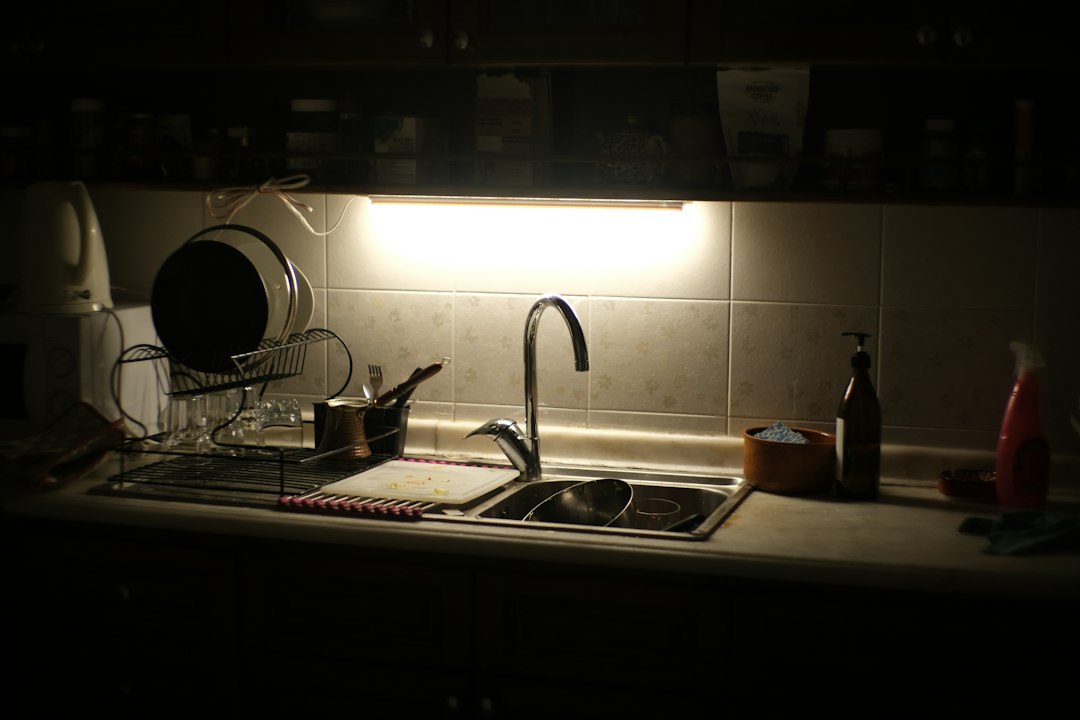
HomeView is not a hub you hide in a closet. Apple built a 7-inch Liquid Retina display on a stainless hinge, stuck to an aluminum dome that is also the speaker. Tabletop colors are silver, starlight, rose pink, and space gray. The wall version is silver or space gray, and the mount is not in the box. Schneider’s USB-C mount starts at $59.95, the AC mount at $79.95, and the $129.95 PoE mount waits until early 2027. Same $299 device, different acoustic tune on the wall. If you have not measured the outlet, preorder the tabletop. The wall is a second project.
The display runs from 0.3 nits to 500, with True Tone. That low end matters more than the words “Liquid Retina.” A kitchen at 6 a.m. in late October is not a showroom. Apple also says the interface scales with distance: big and simple from across the room, denser when you step in. That is the feature I would test first. Every counter screen we have lived with fails one of two ways. Too small to read from the stove, or a glowing rectangle nobody touches after week two.
The other bet is faces. HomeView recognizes up to six people and swaps from a household screen to that person’s apps and widgets. Shared albums and music stay shared. Personal stuff is supposed to stay personal, including for guests. I will believe the guest part when a dinner party does not leak someone’s messages onto a screen aimed at the room. Until November 13, that is a claim, and it is the claim the product stands on. A Snoopy face that reacts to weather is cute. A camera face that can show nine live feeds is why a security-minded house would put this in the kitchen. FaceTime with Center Stage and a household Intercom are the same idea from the social side: the counter becomes someone you can call.
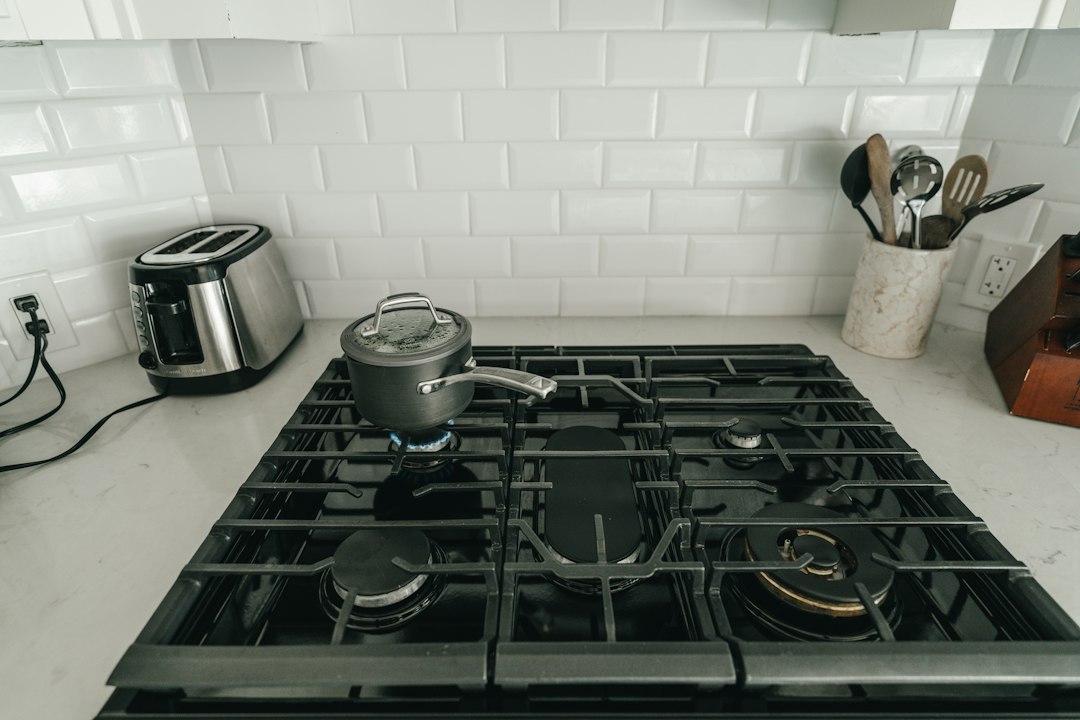
Apple called it a sous chef. Recipes from the web, step by step, hands-free timers, ingredient tracking. I cook. I also know what hands-free means when your hands are wet and the fan is on. The team has watched three counter displays fail that test because the microphone heard the vent hood. HomeView’s speaker side is serious on paper: two full-range drivers, a down-firing woofer, Spatial Audio, Handoff if you set an iPhone in front of it, multiroom if you already live in Apple’s audio world. Microphones that can beat a range hood are a different problem from microphones that demo well in a quiet room. I am not docking a product for a failure I have not seen. I am not preordering it because a press release said sous chef.
Two limits belong next to the charm. HomeView is not for sale in the EU, because Siri AI is not in iOS there. On the device, in software 27.2, Siri AI launches in English in the U.S., Australia, Canada, India, New Zealand, Singapore, South Africa, and the UK. If the language at the stove is not on that list, you are buying a photo frame with a hinge.
The phone is still the brain

This is the sentence Apple would rather you skim. Siri AI on HomeView, and on the new Apple TV, can reach into Messages, Calendar, and Apple Music only when it is paired with an iPhone or iPad that already runs Apple Intelligence. Personal context lives on the phone. The counter borrows it. You can change how expressive Siri sounds, but you change it on that phone, not by yelling at the dome.
That architecture is a privacy story Apple is proud of, and it is also a compatibility wall. A mixed house, one iPhone and two Androids, does not get a shared brain. It gets one person’s brain on a screen the other two people can see. We walked away from Alexa for exactly this kind of household mismatch, and then watched Google show up in aluminum a week ago with a different set of compromises. If that is the door you already opened, HomeView is not your redemption arc. It is a $299 argument with the people who do not carry iPhones. Read the Google side of that split before you let a hinge talk you into a platform change. The counter display you can unbox this week, if you are not waiting on Apple, is still a Nest Hub (2nd generation). It will not grow a face-recognition home screen in November. It will also not sit in a carton until then.
A HomePod or an Apple TV can already be the hub those December accessories want. Apple says Home Collection gear needs a compatible hub, HomeView or HomePod or Apple TV, plus an iPhone on current software for NFC pairing. HomeView is the pretty way. It is not the way that exists in the house tonight. If you would rather not wait on Cupertino’s calendar, the local box we already run the house from is still on the shelf, and it did not ask for a face scan.
Do not buy a new Apple TV for Siri

The fourth-generation Apple TV 4K is a real upgrade, and an easy one to buy for the wrong reason. Apple’s numbers: up to 50 percent faster CPU and up to twice the graphics versus the previous A15 model. One configuration. 128GB, Wi-Fi 7, Gigabit Ethernet, HDMI 2.1, Bluetooth 6. Three far-field microphones, so you can talk without picking up the remote. The remote finally has a speaker and Precision Finding in Find My, which is what every couch-cushion excavation has been owed. USB-C stays. The puck looks the same, status light now centered. $299, or $49.83 a month for six months if you enjoy financing a streaming box. In stores November 13.
Siri AI does not require this box. Apple says it shows up, in beta, on Apple TV 4K from the second generation on, once tvOS 27.2 lands. English at the start, same country list, and still tethered to an Apple Intelligence iPhone or iPad when the request is about your life rather than a show title. Far-field “Hey Siri” on the new puck is a separate trick, and Apple says that voice pickup works in more languages than the AI layer. If yours is a second-generation 4K or newer and Siri was why the tab was open, close the tab.
Buy the new one if you actually need the microphones in the puck, Wi-Fi 7, or HDMI 2.1 because the TV on the wall is finally capable of more than the cable you ran in 2019. Buy the Apple TV 4K already on shelves if football season is happening in your living room this weekend and you do not own a box at all. We built a whole cord-cutter setup around that idea in August. A November streaming puck does not rewind September. And before you blame the box for a soft picture, spend the small money on a Cable Matters HDMI 2.1 cable. A 25-foot run of mystery cable will kneecap a $299 puck the same way it kneecaps everything else we have hung on that wall.
Four speakers is how the invoice gets ugly
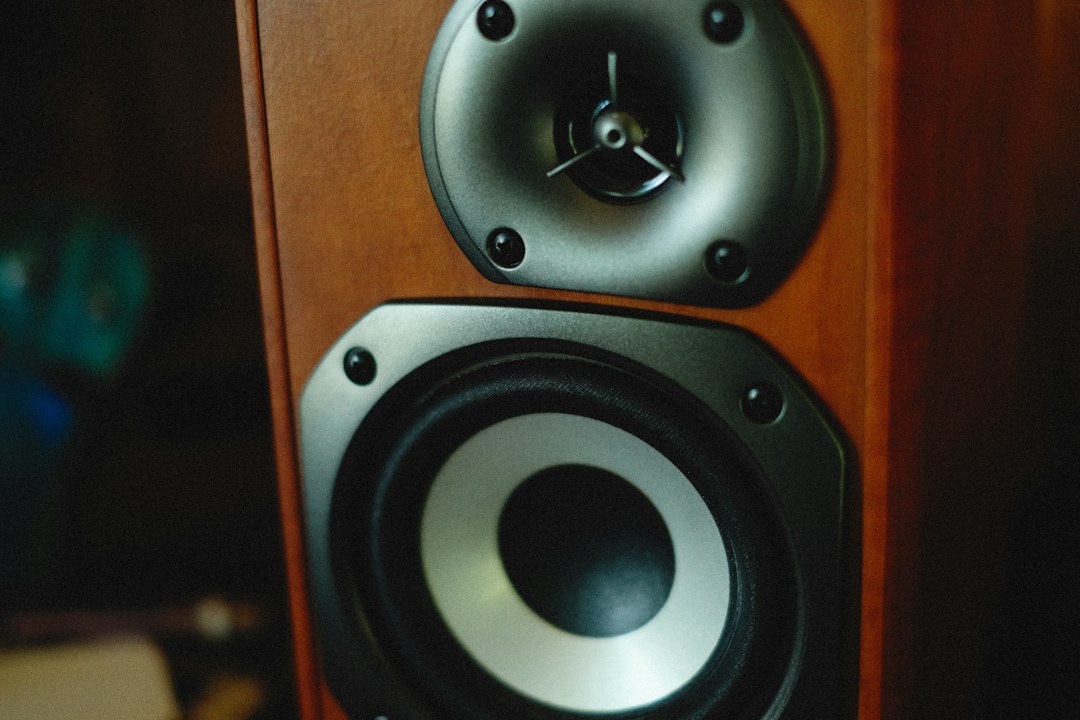
HomePod mini 2 is the first thing in this launch you can hold. $149. Pink, green, blue, white, midnight. Stores on October 30. Siri AI is not in the box on day one. Apple says it arrives later, in English, in a software update, same country list. You are preordering a speaker that will become an assistant. Fine for a bedroom before Halloween weekend. A bad reason to buy four because a diagram showed surround sound.
The diagram is specific, which is where people get burned. Four-speaker surround needs the new Apple TV 4K plus matched pairs, front and rear. Four HomePod mini 2 units is $596 before the $299 puck. $895, and you do not hear it until the Apple TV arrives two weeks after the minis. You can put full-size HomePod (2nd generation) speakers up front and minis in the rear, or the reverse, as long as each pair matches. You cannot drop one new mini into a pile of older ones and call it a theater. The speakers already in the room do not become rear surrounds because Apple said the word spatial.
If you want sound in the kitchen before that math, the HomePod mini you can buy tonight still does timers, a household speaker, and Thread routing if that is how the rest of the gear talks. It will not be a rear channel in the new layout. It also will not sit in a warehouse until October 30. One mini for the room you are in. Not four for a diagram.
Heating season does not do preorders
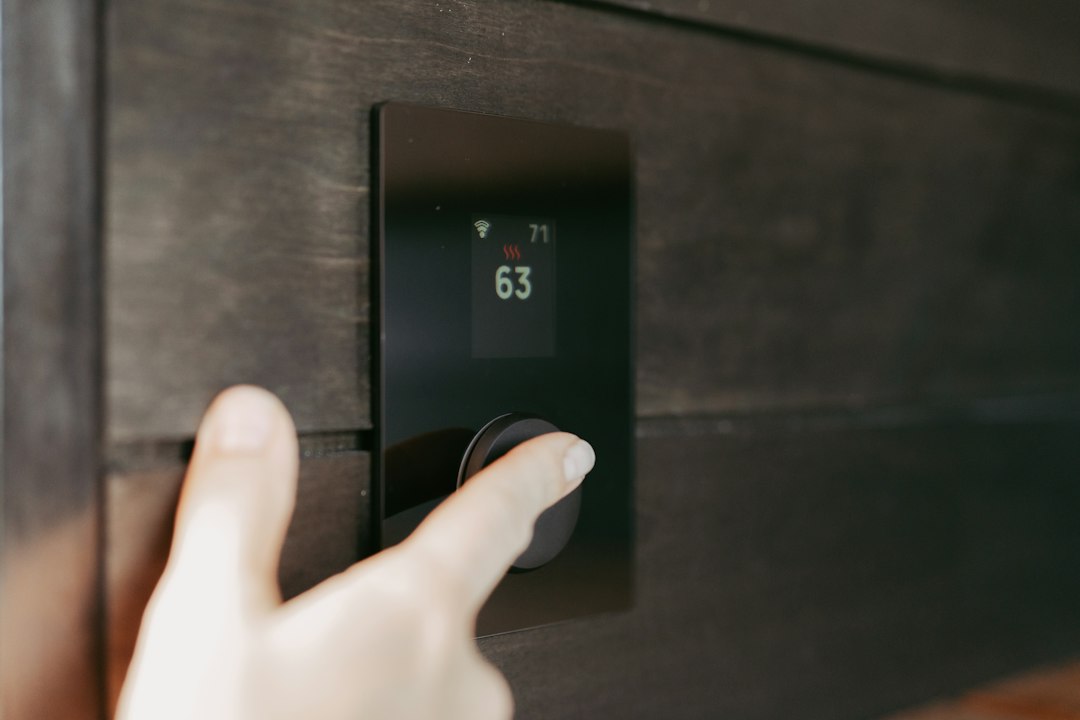
Apple Home Collection sounds like it was written for October and scheduled for winter. LG and Schneider thermostats from $199.95. Sensors from $39.95. An LG doorbell from $249.95, indoor cam from $199.95, outdoor plug-in cam from $299.95, floodlight cam from $399.95, deadbolt from $349.95. Cameras and the doorbell also reach the UK. Thermostats and sensors are U.S. and Canada. C-wire adapters start at $24.95, and a Schneider trim plate is $14.95, sold separately. Some of it lands in December. Some is early 2027. None of it heats the house this week.
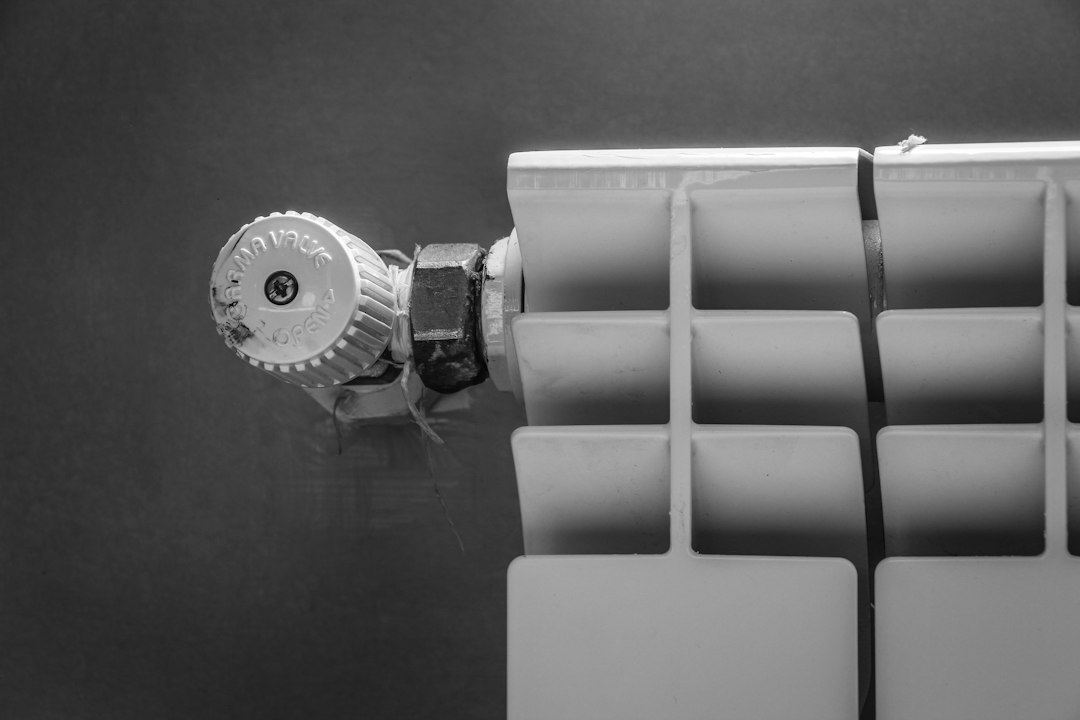
The furnace does not care about a press release. If the dial on your wall is a dumb slider, replace it now with something that already has a track record through a heating season, not a logo that arrives after the first utility bill. The ecobee Smart Thermostat Premium is the one I keep sending people toward when they ask what to install before the installer calendar fills up. Pair it with a couple of Aqara temperature and humidity sensors in the rooms the thermostat cannot see, the bedroom over the garage, the office with the space heater, and you will learn more in ten days than a December sensor will teach you in January. Apple’s $39.95 sensor is a fine object when it exists. It does not exist.
The space heater is the other October appliance missing from the recap, and it is how people start fires in the first cold week, usually on a plug that was never rated for the load. A Kasa plug that reports wattage tells you whether that heater is 750 watts or 1,500 before you leave it in a room. An Eve Energy does the same job if you want Matter and a Home app tile instead of another account. The counter that is about to grow a $299 screen needs a Belkin surge strip with enough outlets that you are not daisy-chaining. The first frost is when people skip that step.
Cameras are where the announcement quietly reintroduces a bill. Apple says HomeKit Secure Video history needs iCloud+. The 50GB plan covers one camera, 200GB covers up to five, and 2TB is the unlimited tier. A floodlight cam at $399.95 that also wants a monthly plan is not a deal because it matches the hinge. If you want cameras that do not invoice you for storing motion, the zero-fee setup still stands. The nine-feed face is a nice window. It is not a reason to reopen a subscription you already fired.
What actually goes on the card this week
Preorder the tabletop HomeView if the counter is a dead zone, the household is actually on iPhones, and November 13 is fine. Skip the wall until you have stood there with a tape measure. Skip it entirely if the person who cooks does not speak the language Siri AI launches in. Preorder one HomePod mini 2 if you want a speaker at the end of the month and you know the assistant shows up later. Do not preorder four.
Leave the new Apple TV alone if you already own a second-generation 4K or newer and the pitch was Siri. Spend the HDMI money instead. If you do not own a box and this weekend’s game is the deadline, buy the puck that ships now. Buy the thermostat, the room sensors, and a plug that reports watts. Those solve October. Apple’s versions solve a catalog page.
If the last month convinced you that voice assistants belong on hardware you control, or on Google’s aluminum, or nowhere, a stainless hinge is not a rebuttal. Welcome Home is a good name for a launch. It is a bad reason to rebuild a house that was already working because the days got short and Apple noticed.