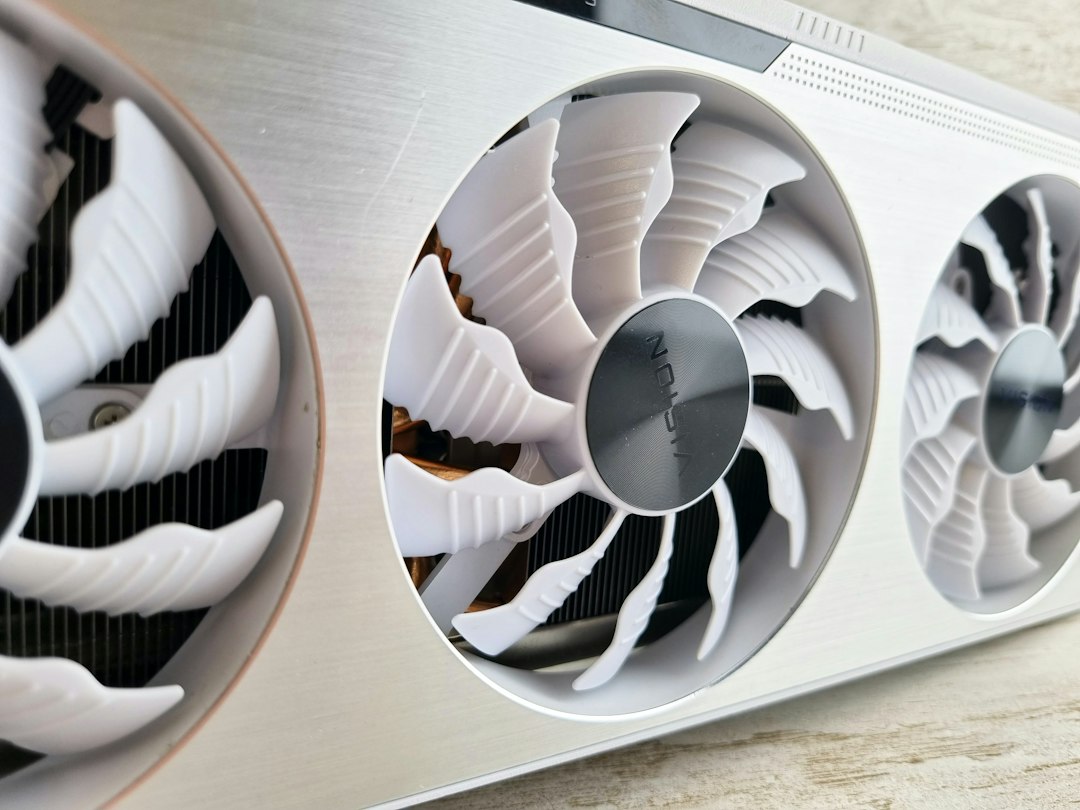
Friday, October 23, NVIDIA’s partners start selling a DGX Spark with half the memory. The press line is that this is a lifeline in a brutal RAM market. I have been staring at that sentence for a week, and it does not survive contact with the spec sheet.
I do not have the 64GB box on the bench. Nobody does, not in a way that counts. Acer, ASUS, Dell, Gigabyte, HP, and MSI are the names on the launch list, and the first units are still eight days out. What I do have is the chip, the price history, and a year of watching people buy the wrong amount of memory because the smaller number looked like a sale. The team pulled the partner listings, the clustering notes, and the boxes already sitting in the lab. The conclusion was boring, which is how I know it is right.
The job you bought the machine for did not get smaller. The sticker did.

Same chip. Half the room.
Strip the marketing and the two Sparks are the same computer. Both run NVIDIA’s GB10 Grace Blackwell Superchip: a 20-core Arm CPU married to a Blackwell GPU, 273 GB/s of unified memory bandwidth, and a ConnectX-7 port that speaks 200-gigabit Ethernet. The 64GB configuration does not get a slower chip, a cut-down network port, or a cheaper interconnect. NVIDIA halved the LPDDR5x and called the result an entry tier.
That is the whole product difference. Compute is identical. Bandwidth on a single box is identical. Capacity is not.
The price is the part that should make you sit down. The 128GB Spark opened around $3,999. It now sits near $6,950, a jump of roughly three quarters in a year, and the cause is memory, not a new architecture. Industry buyers are paying on the order of $2,000 for a 64GB ECC stick. Against that backdrop, a $4,999 64GB machine is not a discount on last year’s computer. It is a new floor under a market that moved.
One detail is still foggy, and I will not invent it. NVIDIA’s partners have not made it obvious whether that $4,999 starting price is a 1TB drive or a 4TB drive. Model weights are not small. If Friday’s cheapest listing is the small SSD, the “lifeline” needs another drive before it is useful, and that cost does not show up in the headline.
If you want the current partner pile rather than a guess, the DGX Spark listings are the place to watch between now and Friday. Treat any price you see before the 23rd as a rumor with a shopping cart.
The model did not agree to shrink
Memory is the admission ticket. Tokens per second are the show you get in after you are seated.
A 64GB unified pool will run the chat models most people actually open: 8B, 14B, a comfortable 32B, maybe a quantized 70B if you are willing to live with a short context and a machine that has no headroom left for the operating system, the KV cache, or the agent framework you installed last month. That last case is the trap. The model “fits” the way a suitcase fits when you sit on it. The first long prompt, the first tool call, the first second model you wanted loaded beside it, and you are swapping or crashing.
The interesting local models of late 2026 are not the ones that fit in 32GB of video memory. They are the mixture-of-experts builds and the 70B-to-120B class that made people buy unified-memory boxes in the first place. A 120B-class MoE wants the 128GB tier. A dense 70B with a real context window wants it too, once you stop pretending the KV cache is free. I walked through why gigabytes became the scarce part, not CUDA cores, in the RAM-market piece from earlier this week. The 64GB Spark does not repeal that article. It is a footnote that costs five thousand dollars.
If your actual workload is “a private chatbot for notes and email,” stop here and do not buy either Spark. I will get to the honest cheaper boxes. If your workload is agents, long context, or a model your cloud tab is not allowed to see, keep reading. The cheaper Spark is the one most likely to disappoint you.

The cable that pretends to be more memory
NVIDIA’s answer to the capacity cut is a cable. Sync Cluster Assistant links two Sparks through their ConnectX-7 ports with a single QSFP cable. No switch required for a pair. The software finds both boxes, checks the link, and presents a pooled 128GB with a combined 546 GB/s of bandwidth. On paper, two $4,999 machines become the 128GB computer you declined to buy, plus extra bandwidth, for about $10,000. NVIDIA has also floated a softer “around $8,000” cluster story. I would budget the sticker, not the softer number, until a receipt says otherwise.
The benchmark NVIDIA is willing to attach to that story is specific, and it is theirs, not mine. On a Qwen 3.8 27B test, a clustered pair delivered up to 1.7 times the throughput of one 64GB unit. Not 2 times. Bandwidth doubled. The model did not. A network hop is not a memory bus, and anyone who has clustered anything already knows the tax. 1.7x for a second $4,999 box is a real gain. It is not a bargain.

There is a worse version of this plan that I have already watched people sketch on a whiteboard. They hear “cluster” and reach for the blue cable in the junk drawer. ConnectX-7 is not the jack behind your couch. A two-node Spark pair wants a short, expensive DAC made for these ports, something in the family of this QSFP stacking cable built for GB10 boxes, not a Cat6 patch cord and a prayer.
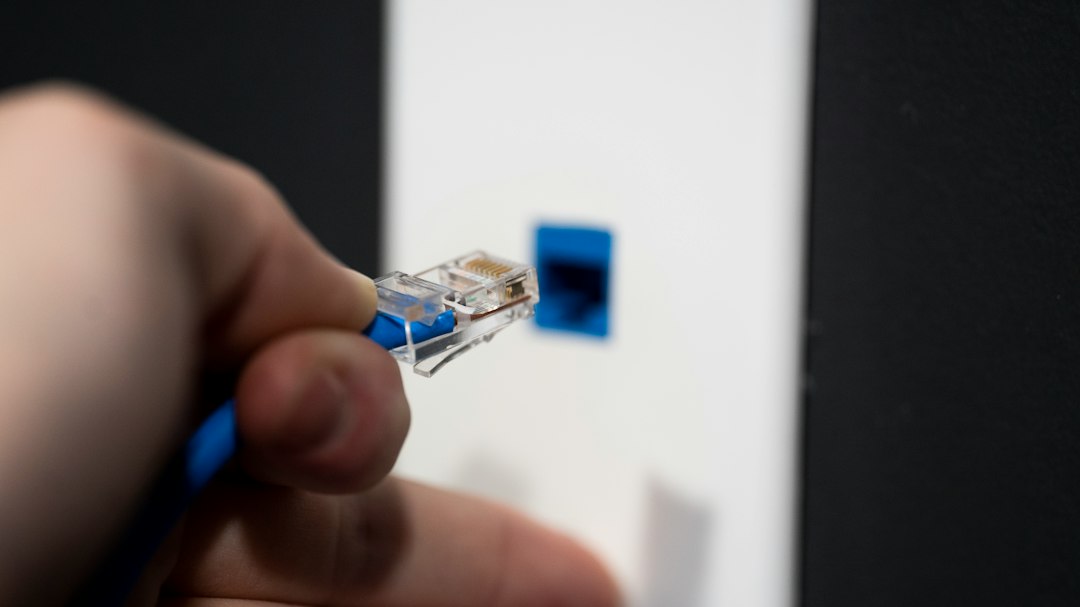
Then there is the part the software diagram leaves out. Two chassis means two power supplies, two fans, two thermal ceilings, and twice the chance that one node ruins the evening. People who have actually run GB10 clusters, including the lab work ServeTheHome published this month, keep landing on the same advice I would have given before the 64GB SKU existed: scale up, then scale out. Buy the memory in one box until one box cannot hold the model. A pair is a scaling tool. It is a bad way to fake a spec you could have ordered once.
If you are going to ignore that and rack two of them anyway, at least give the pair real airflow. A dual-node cooling duct made for these GB10 chassis exists because two of these little heaters in a closet is a bad hobby. I wrote about what sustained local inference does to clocks and case temperatures a while back; the physics did not get kinder because the sticker dropped.
If you want CUDA, buy the memory once
The 128GB GB10 boxes are already in the channel. They are not cheap, and after the price hike they are not the deal they were at launch. They are still the coherent purchase if you have already decided your stack is CUDA, vLLM, and the same tools you use against NVIDIA hardware at work.
The ASUS Ascent GX10 with 128GB and a 1TB SSD is the configuration I would start from if the partner page on Friday still shows it in stock. Stackable chassis, DGX OS, Wi-Fi 7, the GB10 you actually wanted. If your model library is a pile of 40GB weight files and you are tired of shuffling them, the 2TB Ascent GX10 is the same computer with the drive the 1TB version will make you wish you had bought. Storage is not glamour. It is the difference between “the model is local” and “the model is on a drive I have to go find.”
The other listing the team kept circling is the MSI EdgeXpert, the 128GB GB10 mini desktop with a 4TB Gen5 SSD. Four terabytes is the adult answer if this box is going to be the only inference machine in the house. You will fill a 1TB drive with two serious models, a few quantizations, and the datasets you swore you would not keep locally. I have done that dance. The drive always loses.
None of these is the $4,999 Friday special. That is the point. You are paying for the memory the job requires, on one thermal budget, with one failure domain. The 64GB unit is a down payment on a second purchase. The 128GB unit is the purchase.
The other desks already have 128GB
CUDA is a reason. It is not the only reason, and it is not worth $7,000 if your stack is MLX, llama.cpp, or “I just want the model to answer.”
AMD’s Strix Halo machines have been the awkward adult in this conversation since spring. A Ryzen AI Max+ 395 with 128GB of unified memory does not match GB10 on NVIDIA software, and the prompt-processing numbers on the big MoE models are not flattering next to a Spark. What they do is put 128GB in one chassis for less money than NVIDIA now wants for 64. I lived with one of those boxes and wrote up the month in the Strix Halo notes. The prices have moved with the RAM market, so I will not pretend a May receipt is an October quote. The shape of the deal has not flipped. Search the current Ryzen AI Max+ 395 128GB mini PCs and compare the out-the-door number to $4,999 before you let a logo make the decision.
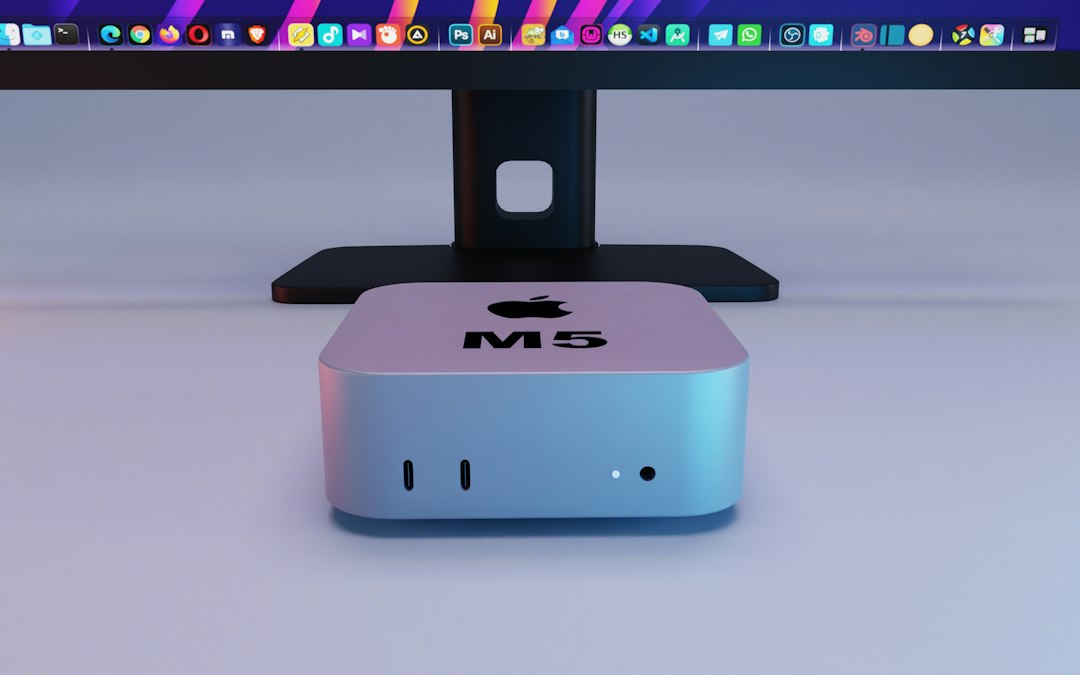
Apple is the other pole, and it is about to get louder. A 256GB Mac Studio M5 Ultra is the machine ServeTheHome is lining up against a pair of GB10s, at a price that starts looking reasonable the moment your cluster quote crosses five figures. I am not going to review a Studio that is still on a ship calendar. I am going to say the obvious thing: if your software already lives in MLX and you want one pool of memory bigger than either Spark tier, look at the Mac Studio configurations before you buy two black cubes and a cable.
And if your models are small, be honest about that. A Mac mini running a 7B or 14B at a handful of watts has been the correct home server in this house for months. That story is the eleven-watt writeup, and the current Mac mini is still the box I hand someone who says “local AI” and means “private notes, not a 120B model.” Buying a Spark for that job is how you end up with a very expensive space heater that answers email.
Faster, and too small
There is a third fork, and it is the one the Spark marketing never mentions because it loses the capacity argument and wins the speed argument.
A current high-end GeForce card, the RTX 5090 class, decodes several times faster than a GB10 on any model that fits in its 32GB. Measured writeups this fall put that gap around three to four times on chat-scale models. If your world is 8B to 32B, a discrete card is the impatient person’s correct buy. It will not load a 70B dense model. It will not load gpt-oss-120b. Physics does not grade on a curve.
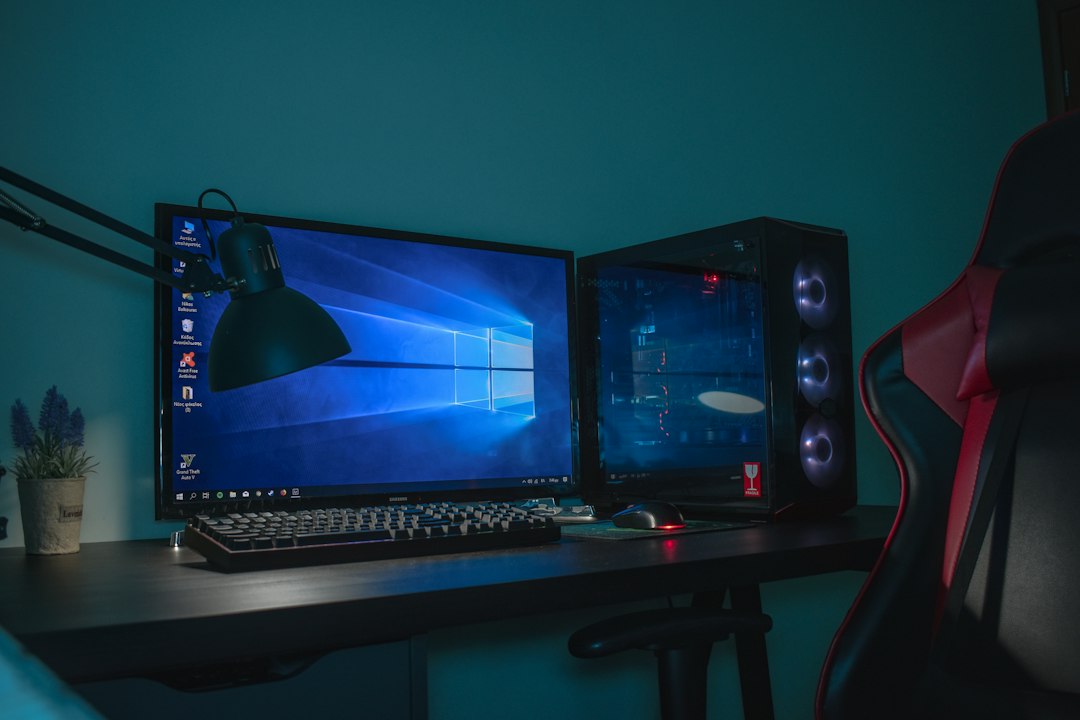
The used market is the same idea with a lower pulse rate. An off-lease tower and a last-generation card still beat a subscription drawer for a lot of people, which is why the secondhand rig piece is still the article I send when someone asks for permission to spend less. A Spark is not that permission. A Spark is a commitment to a software stack and a memory size. Pick the size first.
Where it sits, and what it plugs into
A single GB10 is a desk object. Two of them are a small rack that happens to look cute in the product photos. The standing desk in the lab has room for one quiet box under the monitor and not much patience for a second chassis, a DAC, and a power situation you solved with a $12 strip from a drawer.
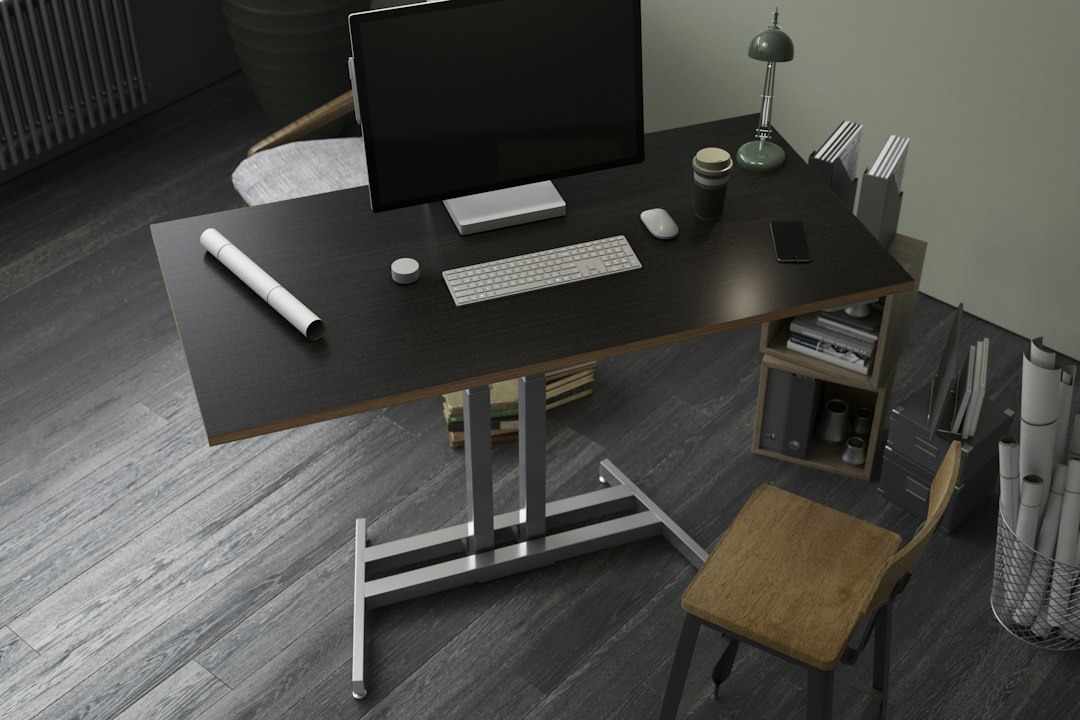
Do not do the strip. Two of these on a shared circuit, plus a monitor, plus whatever else the office already draws, is how you learn what a brownout does to an inference job at 11 p.m. A real 1500VA battery backup is the unglamorous line item. It will not make the 64GB box into a 128GB box. It will keep the 128GB box from becoming a paperweight the first time the lights flicker.
Footprint is a tiebreaker, not a reason. I like small computers. I have liked them since the machines on this desk stopped needing a tower to be taken seriously. Liking the shape is not a spec. If the model does not fit, the cube on the shelf is a sculpture.
What I would actually order on the 23rd
I am not ordering the $4,999 unit. Not for this lab, and not for the readers who write me asking which local box to buy before the memory market gets worse.
Here is the split, without the lifeline language.
Buy the 64GB Spark only if three things are true at once. Your models, with context, already fit in 64GB with room left over. You are committed to CUDA and you want the ConnectX-7 port because a second node is a plan, not a coping mechanism. And you have confirmed, on the partner page, that the drive in that $4,999 configuration is big enough for the weights you intend to keep. If any of those is false, you are financing a second purchase and calling it savings.
Buy one 128GB GB10, the Ascent or the EdgeXpert, if the work is NVIDIA-shaped and the model is not. One box. One power cord. The memory you will wish you had in November.
Buy a 128GB Strix Halo mini PC if you can live outside CUDA and you would rather spend the difference on time than on a logo. Buy a Mac Studio when the M5 Ultra configs you want are actually shipping and your software is already Apple’s. Buy a Mac mini, or a used GPU tower, if you have been honest and the model is small.
Do not buy two 64GB Sparks to reconstruct the computer NVIDIA used to sell as one. The cable works. The math does not. Scale up, then out. Friday does not change the order of those words.