
Five weeks ago I wrote an article about firing Alexa from my house and replacing her with a voice assistant that never phones home. I stand by every word of it. Which is why it’s deeply annoying that Amazon announced something this morning that made me open a new browser tab and start building an order: the Fire tablet line is dead, and its replacements are three aluminum slabs that run actual Android with the actual Google Play Store. The company isn’t even pretending it’s a Fire rebrand — a spokesperson confirmed to TechCrunch this is all-new hardware running a new OS, with Alexa+ baked in. They go on sale October 14, and for the first time in a decade, I think Amazon has built tablets worth arguing about.
The old lineup topped out at $279.99 and started at $59.99 — the doorbuster you bought a nephew, the kitchen recipe slab, the thing you tolerated because it was cheap. The new Alexa Tablet line starts at $229.99 and runs to $549.99. That’s not a price bump; that’s a different product category wearing the same smile. My team spent the morning pulling specs and comparing them against everything else in the cabinet, and the short version is this: Amazon stopped building “good enough” and started building “good.” Whether it’s good for you depends on which of three very different devices fits your life.
Fifteen Years of Fire Just Went Out
Some history, because it explains why today matters more than a normal gadget refresh. For fifteen years, Fire tablets ran Amazon’s forked version of Android with no Google services — you bought apps from Amazon’s own Appstore, which the company quietly shut down back in early 2025. Want YouTube? You installed a workaround or browser hack. Want Gmail? Same story. The hardware was cheap because the software was a walled garden with a gift shop.
The new Alexa Tablets are Google-certified Android devices with the full Play Store available on day one — YouTube, Netflix, Gmail, all of it, no sideloading. Meanwhile Amazon’s Fire Sticks are moving the opposite direction onto a custom Linux-based OS called Vega. So the company that spent a decade avoiding Android just bet its tablet future on it. When Amazon’s own Appstore died last year, I assumed tablets were next. Instead, someone in Seattle looked at the $349 iPad and the $200 Galaxy Tab and decided to compete instead of retreat.
The 12 Pro Is a Workstation, Not a Couch Slab
Let’s start with the flagship, because it’s the one that made my team sit up. The Alexa Tablet 12 Pro starts at $499.99 with a 12-inch, 2800×1840 display at 280 pixels per inch, a 120Hz refresh rate, 500 nits of peak brightness, and a taller 3:2 aspect ratio that’s genuinely better for split-screen work than the 16:9 slabs we grew up on. Amazon claims roughly three times the processing and nine times the graphics of any tablet it has ever shipped — credible, given this thing runs a MediaTek Dimensity 8400 with 8GB of RAM, not the budget silicon Amazon is famous for. It’s 6.5mm thin in an aluminum unibody, with Wi-Fi 6E, Dolby Atmos speakers, and 16 hours of video playback.
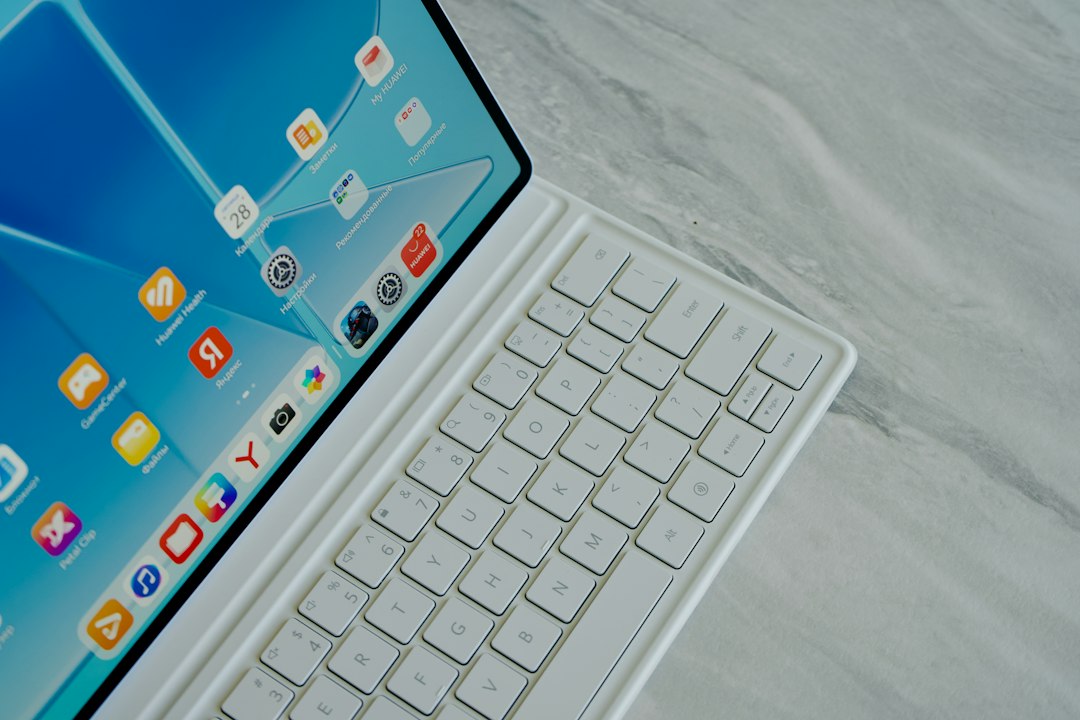
The workstation pitch gets real with accessories. The Pro Keyboard is $150 and the Pro Pen is $90, and together they turn the 12 Pro into something that wants to replace a laptop for light work — the same pitch Samsung makes with the Galaxy Tab line and Apple makes with the iPad. One honest note from someone who has tested every “tablet as laptop” claim of the last decade: budget for the keyboard if you’re buying this for work. A $500 tablet without one is a very nice streaming device. Also note the $50 upgrade to the Nanomatte anti-glare display at $549.99 — in my experience testing matte screens, it’s the difference between a usable kitchen-table device and a mirror.

The Tablet 11 Is the One Most People Should Buy
Here’s the model I think most readers should actually order: the Alexa Tablet 11 at $329.99. You get an 11-inch 2.5K display at 276 PPI with a 90Hz refresh rate, dual Dolby Atmos speakers, 15 hours of video playback, and the same aluminum unibody in three colors — Graphite, Amethyst, and Matcha. That undercuts the base iPad while offering a sharper screen, and it’s the natural home for the streaming, reading, and browsing most tablets actually do.

The honest caveat: the 8 and 11 run MediaTek’s budget 8189 processor. It’s a real upgrade over the ancient Fire chips, but nobody should buy the 11 expecting desktop-class multitasking. My team’s read after a morning of spec-sheet archaeology: if your tablet time is 80 percent video, books, recipes, and light browsing — which describes nearly everyone — the 11 is the sweet spot, and the $170 you save over the 12 Pro buys the keyboard and then some.
The Little One Wants to Be Your E-Reader
The Alexa Tablet 8 is the sleeper of the lineup. At $229.99, 8.7 inches, and 329 grams in aluminum, it’s the first Amazon tablet you can genuinely hold in one hand for a full novel — and Amazon knows it, because the company built a dedicated Kindle reading mode into all three tablets. Open the Kindle app and the tablet silences notifications, warms down the blue light, and stretches battery to a claimed 20 hours of reading. I’ve spent this fall testing every e-reader on the market, and I’ll still take e-ink for long sessions — but as an evening-and-bedside device, the 8 in Graphite, Rosette, or Teal is a compelling couch companion that also happens to run every Android app.

If pure reading is your actual goal, though, keep your eyes on the prize: a Kindle Paperwhite still costs less, lasts weeks instead of hours, and doesn’t buzz at you. The 8 is the “one device on the nightstand” answer. The Paperwhite is the “I just want to read” answer. Don’t talk yourself into the wrong one.
Alexa+ Comes Along for the Ride
Every new tablet ships with Alexa+ built in — you can use the wake word or an Ask Alexa button, and there’s a genuinely clever On-Screen Intelligence feature that lets the assistant look at what’s on the display. Amazon’s demo: you’re browsing a list of hiking trails and ask, “Which of these hikes is best for me?” That’s the first voice-assistant feature I’ve seen in years that feels designed for a screen instead of bolted onto one.
Now the fine print, because this is the part where subscriptions lurk. Alexa+ is free with Prime and $19.99 a month without it — that’s $240 a year, which would be the most expensive software subscription in your house. If you’re already a Prime member, the tablet gets smarter at no added cost, and if you’re not, a 30-day Prime trial covers Alexa+ while you decide. My anti-subscription radar stays on: an assistant you rent by the month should never be the reason you buy hardware. The tablet should stand on its own, and this one mostly does.
And no, I haven’t forgotten my own headline. The local assistant I installed after firing Alexa stays on duty for anything I don’t want crossing the internet — that experiment continues. But a screen the assistant can actually see through changes the calculus a bit, and I’ll be watching how much of On-Screen Intelligence processes on-device versus in the cloud when review units land.
The Kids’ Lineup Finally Gets Real Hardware
Alongside the grown-up tablets, Amazon announced new Kids Tablets in 8.7-inch and 11-inch sizes, on sale the same day. The bundles include a kid-proof case and a full year of Amazon Kids+ — the ad-free library of books, games, and videos that normally runs its own subscription. Pre-K kids (3 and up) get soft bumper cases in Paw Patrol and Barbie designs, while the 6-and-up crowd gets a slim hard case with a built-in kickstand, which is honestly the feature parents care about at dinner time.

Families already running Kids Tablet bundles as kitchen-wall calendars and chore trackers know the drill — we’ve covered how well that works in the digital calendar showdown. The upgrade here is that these kids’ tablets run the same new Android foundation, so the app ceiling just got dramatically higher. After the included year, budget for the Kids+ renewal or plan to side-load your own content.
Which One I’d Order on October 14
Sales open October 14 in the US, Mexico, and Canada, with the UK and most of Europe following October 19. My order, for what it’s worth: one Tablet 11 for general house duty, and I’m waiting on review units before committing to the 12 Pro — a $740 all-in workstation stack needs to beat an iPad or a Galaxy Tab S10 at the same money, and that’s a bar Amazon has never cleared.
Three more pointers before you click anything. If your current Fire tablet still works, keep it — clearance Fire HD 10s are about to get very cheap, and a $90 kitchen slab remains one of the best values in tech. If you’re buying purely for a smart-home command center, an Echo Show 8 does that job for less money and never needs charging. And if the October device-refresh wave has you itchy, this is the second salvo — the fall e-reader shootout flagged what was coming, and there’s likely more later this month.
The $60 tablet is gone, and I won’t mourn it. Amazon spent fifteen years selling hardware that apologizes for itself. These three don’t. That’s the whole story — the question now is only which size fits your couch.