I have spent twenty-five years reviewing gadgets, and most of them sit still while you use them — phones, laptops, the occasional robot vacuum that panics under the couch. The category that broke that streak this year has two wheels, a battery hiding in the frame, and a motor that turned my eleven-mile commute into the best part of my day. I did not see it coming. I fought it, actually, the way I fight every product category that arrives promising to disrupt something that already worked fine. A bicycle was the last screen-free sanctuary in my life.
Then a knee injury benched my road bike for the summer, a folding e-bike showed up for testing, and by September my car was spending entire weeks in the driveway wondering what it had done wrong. My team and I have now run four bikes through daily commute duty — school runs, grocery hauls, the office loop, one rainstorm I would rather not discuss — straight through the first cold snap of October. This is the buyer’s guide I wish had existed before we started, because the e-bike market quietly got good in 2026, and it also got very good at hiding the one spec that decides whether the box that arrives at your door is a joy or a twelve-foot lurch machine.
The Golf Cart Problem Nobody Warns You About
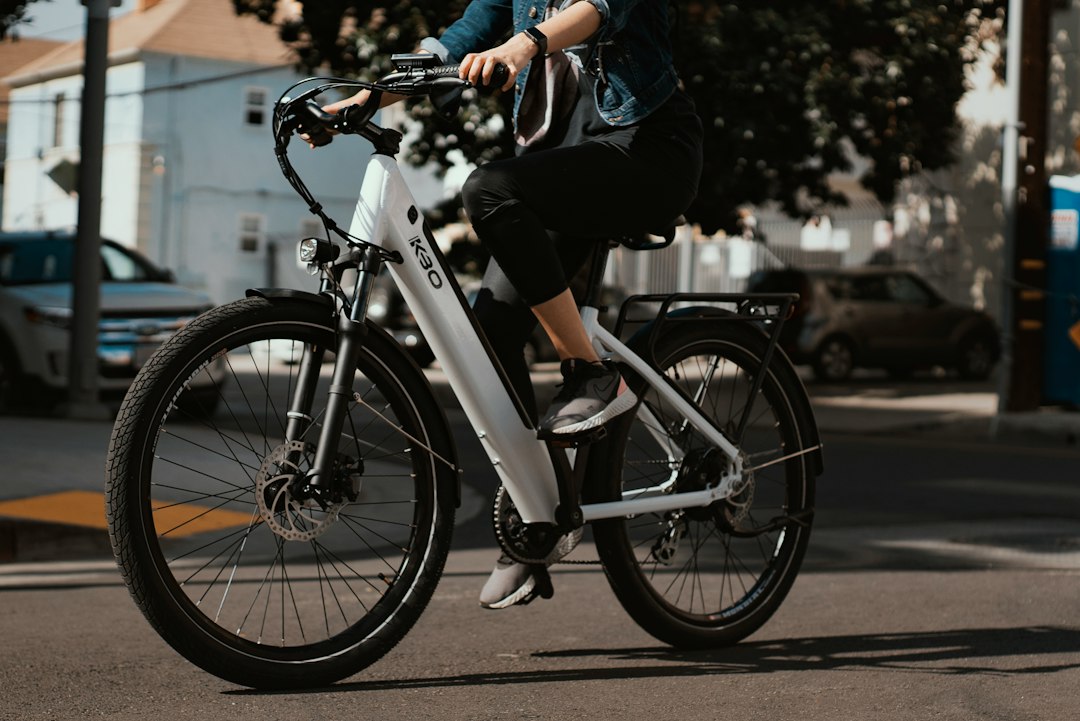
Ride a cheap e-bike and a good one back to back and you will feel the difference within ten feet, but almost nobody can name what caused it. It is not motor power. It is not battery capacity. It is the sensor that tells the motor you are pedaling — and there are exactly two species in the wild.
The first is a cadence sensor, and it is dumb in the strict engineering sense: it knows only whether your feet are moving. Pedal feather-light and the motor dumps full assist. Pedal like you are chasing a bus and it dumps the same assist. The result is a bike that launches off the line like a golf cart, cuts out with a lurch the moment you stop spinning, and turns a hill climb into a negotiation with a treadmill that has opinions. Nearly every e-bike under a thousand dollars runs a cadence sensor. The listings never mention it.
The second is a torque sensor, and it is the entire ballgame. A torque sensor measures how hard you are pushing the pedals, thousands of times a second, and multiplies your effort instead of replacing it. Pedal gently, get gentle help. Stand on the pedals when the light turns green and the bike surges like it read your mind. A torque-sensor e-bike does not feel motorized — it feels like you, on a very good day. Somewhere around week two, my test riders stopped calling the budget bikes electric and started calling them angry, which tells you most of what you need to know.
For years, torque sensors lived on bikes starting around two grand, which let budget brands keep shipping the on/off switch without consequence. That wall is finally cracking. New mid-market drive systems now pair a MIVICE torque sensor with a cadence sensor and let you choose which one runs the bike, and Aventon’s current Aventure generation added a proper torque sensor at a price that would have been impossible two years ago. If you remember one sentence from this article, make it this one: find out which sensor a bike has before you look at anything else on the spec sheet.
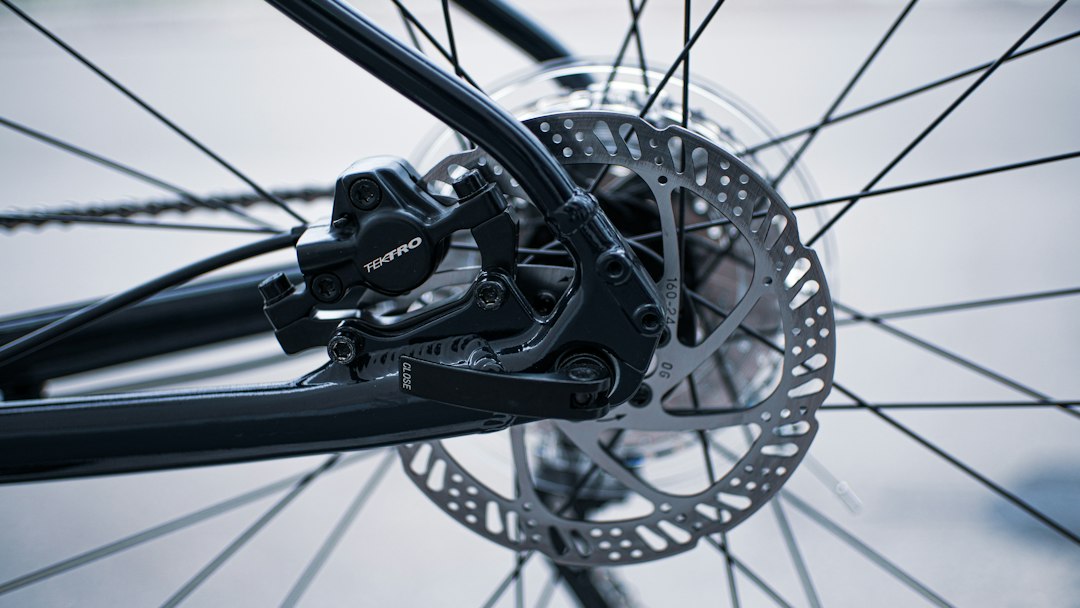
The second quiet differentiator is what stops you. Hydraulic disc brakes — real levers, sealed calipers, one-finger stopping with a loaded rack — used to be a step-up feature and now appear on bikes well under fifteen hundred dollars. Mechanical discs are serviceable but demand constant adjustment, and the first time you panic-brake downhill with forty pounds of groceries aboard, you will understand why the hydraulics matter.
The Acronym Worth More Than Any Watt Rating
Every e-bike listing shouts motor wattage, and almost none of them lead with the certification that actually matters: UL 2849. That is the standard covering the entire electrical system — battery, motor controller, charger, wiring — and it exists because untested lithium packs have a habit of making the evening news. New York City now requires certified e-bikes for its delivery fleets for exactly this reason, and fire departments around the country trace a rising share of residential fires to uncertified batteries charging in hallways.
The good news is that the reputable budget brands have cleaned up their act. Lectric certified its entire lineup to UL 2849 and its batteries to UL 2271 back in 2023, and Aventon and Velotric publish certifications for their current models. The bad news is that the long tail of online listings is still full of uncertified imports with impressive-sounding specs. My rule for 2026: if the listing does not explicitly say UL 2849 for the system — not just the charger — assume it is not, and keep scrolling. No discount is worth becoming the cautionary tale in next year’s fire-marshal briefing.
Two charging habits matter nearly as much as the sticker on the pack. Charge at room temperature, never below freezing, and store the battery around half full if the bike will sit out the winter. A pack that spends November to March parked at 100 percent in a cold garage will greet spring measurably weaker. I learned this the expensive way with an early power-station review unit, and I have been religious about it since — the same logic we applied when weaning the house off alkaline batteries, just with a much bigger cell.
The Honest Budget Tier: What a Grand Actually Buys
Let me be fair to the cheap seats, because a sub-$1,000 e-bike is not a scam — it is a specific tool for a specific rider. Flat streets, short hops, someone who wants to arrive less sweaty and does not care about refinement. What you are accepting is the cadence on/off switch, mechanical brakes on most models, and a heavier frame. Within that lane, a few brands deliver consistently: Engwe’s folding commuters shrug off train platforms and apartment closets, Vivi’s city bikes keep the price honest, and isinwheel’s compact models are the ones I hand to first-time riders. They ship fast, and — this matters — spare batteries and parts are actually findable, which is more than I can say for the alphabet-soup brands that appear and vanish between sales events.
Run this checklist before you click buy on any budget bike: a removable battery, so you can charge it at your desk instead of dragging the whole machine upstairs; UL 2849 in writing; and a real company behind the warranty. If a listing cannot clear those three bars, the forty dollars you saved is not a discount. It is a down payment on frustration.
The Sweet Spot: Torque Assist Without the Boutique Price
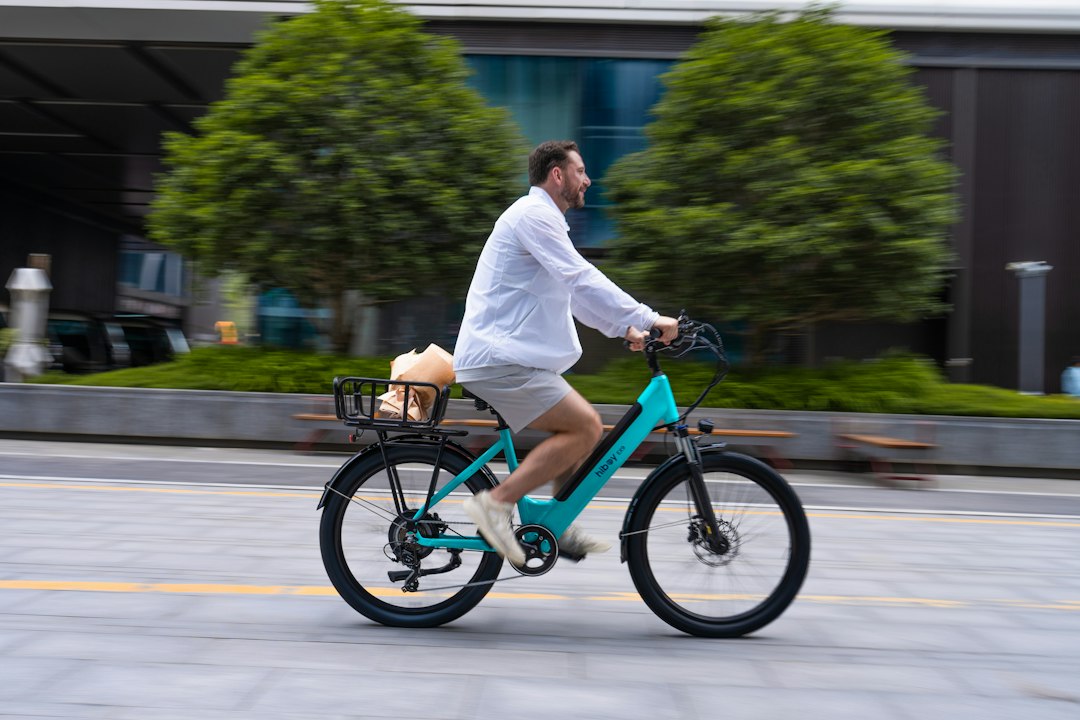
The most interesting action in 2026 sits between one and two thousand dollars, where torque sensors finally arrived and changed the math. Searching that band for step-throughs with torque sensors now returns real options instead of museum pieces, and Aventon’s current generation is the easiest to find in person — the Aventure.3, with its torque sensor and hydraulic brakes, earned permanent rack space at a friend’s house this summer after three of my testers spent a week fighting over it. Velotric’s UL-certified commuters play in the same league if you want something lighter for the bike-lane life.
If you want the one-line version of this entire guide: the cheapest bike with a torque sensor and hydraulic discs beats the most expensive bike without them, every single time. Components you can feel outrank numbers you can only read.
November Range Math: The Cold Takes Its Cut

Daylight saving time ends November 1, and your battery already knows. Lithium chemistry loses capacity as temperatures fall — figure on 15 to 30 percent less range once morning commutes start near freezing, which is precisely when the lights are also burning. That fifty-mile claim on the listing was measured by a hundred-and-fifty-pound rider on a warm, flat road. Your real number, in January darkness with a laptop and a full pannier, is about half of that. Planning around the real number is the difference between a smug commute and a two-mile impromptu interval workout.
So charge indoors, ride it most days rather than letting it sit, and skip the nightly race to 100 percent — eighty is the daily sweet spot for longevity. And since the sun will clock out before dinner for the next four months, put real lighting on the machine: a proper rechargeable headlight and taillight set is the cheapest safety-per-dollar upgrade in this entire article. My car trunk carries its own winter loadout for the snow days — the emergency kit I wrote about last month — and the bikes now carry a two-wheeled version of it.
The Gear That Earns Its Rack
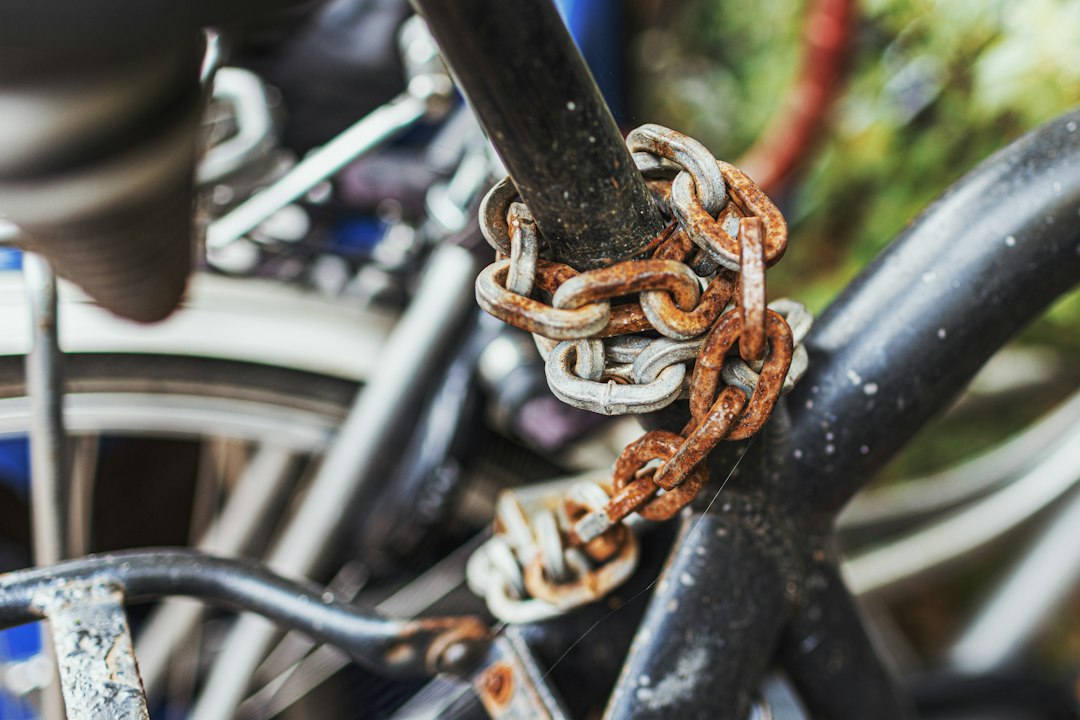
An e-bike that costs real money needs to survive real city life, and the lock comes before any other accessory. A hardened U-lock through the frame and rear wheel — the Kryptonite Evolution class is the baseline — defeats opportunists in a way no cable ever will. Cables are a suggestion, as that corroded chain above can attest. It is the same instinct that made me put cameras in both family cars: assume nobody is watching your stuff but you.

A MIPS commuter helmet is the other non-negotiable. The rotational-impact liner adds roughly the price of a pizza and shows up in every serious helmet test my team reads; a solid MIPS-rated urban helmet fits the same brain you use to enjoy this hobby.
Then the carrying system, which is what converts the bike from toy to transport. A waterproof pannier that clips onto the rear rack moves laptops and groceries off your back and off the handlebars, and a vibration-proof phone mount handles navigation without a death grip on the bars. Keep a floor pump with a real pressure gauge by the door, too — e-bikes are heavy, and under-inflated tires quietly murder range and rims alike. Together that kit replaced about eighty percent of our sub-five-mile car trips, which was the whole point of the experiment.
No App Required
One last thing, because it is the reason I am still writing about this category instead of grumbling about it. The best e-bikes of 2026 work entirely offline. No account, no subscription, no firmware update that relocates the headlight setting to a different menu. You unlock the battery, you pedal, it assists. A few brands are experimenting with app-locked features and connected services, and having watched free cloud features age across a decade of smart-home gear, my advice is to treat any bike that demands a login the way I treat printers with ink subscriptions. The motor should answer to your legs, not to a sign-in screen.
My car still handles the snow days and the lumber runs. But for everything inside five miles, the charger hanging by the door has quietly become my favorite gadget of the year. Now that you know the two things that matter — the sensor and the certificate — you can skip the learning curve entirely and get straight to the part where riding one sells itself.