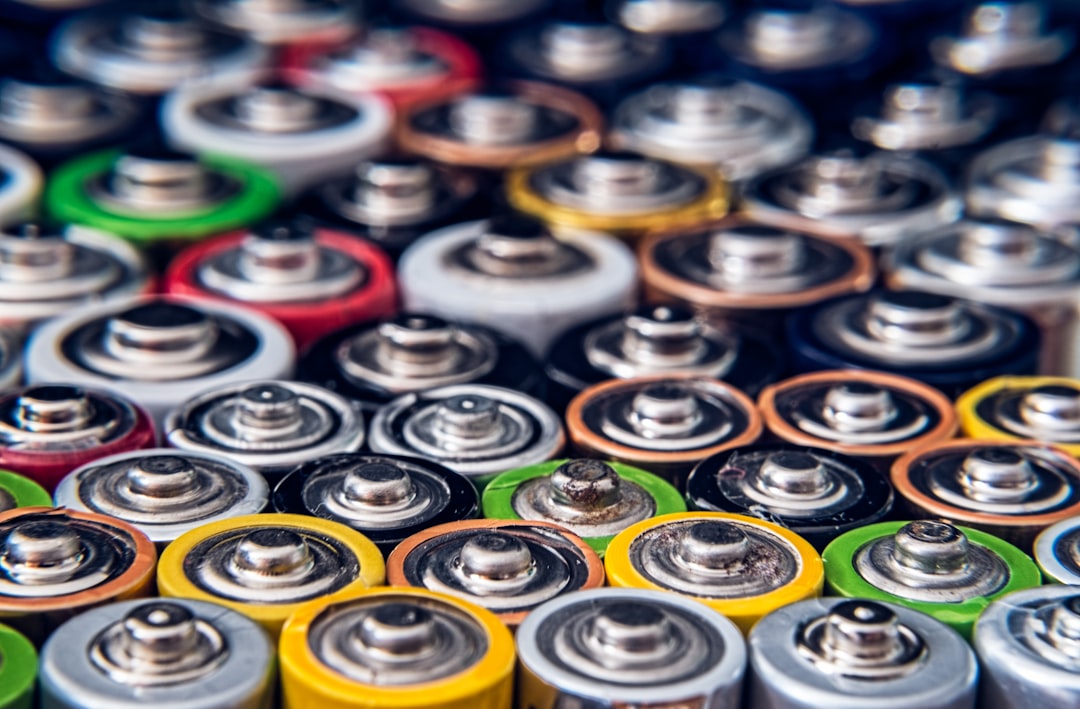
Every house has one: the drawer where dead batteries go to be forgotten. Mine had forty-one cells in it when I finally dumped the whole mess onto the kitchen table last month — a graveyard of alkalines in every size, most of them leaking, all of them money I’d already burned. My assistant counted them twice because I didn’t believe the number. Forty-one. And the truly embarrassing part? There were another twelve in the recycling bag under the sink, plus a half-open 8-pack in the pantry I’d bought during some late-night panic because the Xbox controller died mid-match.
That’s when it clicked. I’d been treating batteries like a utility instead of what they actually are: a recurring bill with no invoice. So my team and I spent six weeks rebuilding the battery situation in this house from scratch — testing cells, logging cycle counts, running controllers and flashlights and thermometers until the numbers told a story. Here’s the system that survived the audit, and the one exception where I still refuse to go rechargeable.
The Subscription You Never Signed Up For
Do the math with me, because it’s uglier than most people realize. A quality alkaline AA runs about fifty cents when you buy in bulk, and closer to a dollar when you buy them the way normal humans do — in desperation, at a drugstore, four at a time. A busy household with a couple of kids, a gaming habit, and the usual pile of remotes, scales, flashlights, and sensors burns through dozens of cells a year. My own receipts said roughly $140 a year. Over the three years I’ve owned the current house, that’s north of $400 on disposable cylinders whose entire job is to become garbage.
It’s the same trap I fell into with ink subscriptions before I broke up with them and bought a mono laser printer I actually trust. Small recurring costs you never itemize are the most expensive kind, because your brain files them under “household noise.” Pull the thread, and the sweater unravels.
The fix isn’t just buying rechargeables, though. Buy the wrong chemistry for the wrong device and you’ll be back to alkalines inside a month, convinced the whole idea is a scam. So let’s do the ten-minute version of the chemistry class first.
NiMH, Alkaline, and Lithium: What Actually Matters
Three things determine whether a rechargeable will make you happy in a given device. First, voltage. A standard NiMH cell delivers a nominal 1.2 volts against the alkaline’s 1.5. In practice most devices — controllers, remotes, flashlights, toys — barely notice, because alkaline voltage sags hard under load anyway. A handful of picky gadgets (certain clocks, some camera flashes, a few cheap thermometers) get moody. Second, self-discharge: old-school NiMH lost charge sitting in a drawer, which is why your dad’s rechargeables were always dead. Modern low-self-discharge cells fix this completely. Third, cycle life: how many charge cycles a cell survives before its capacity falls off a cliff.
There’s also a fourth category now — 1.5-volt lithium cells with built-in regulation and a USB-C port right on the side. Those behave like alkalines in a way NiMH never quite does, and they’ve quietly become my favorite battery story of the last two years. We’ll get there.

The Workhorse: Why Eneloop Still Runs My House
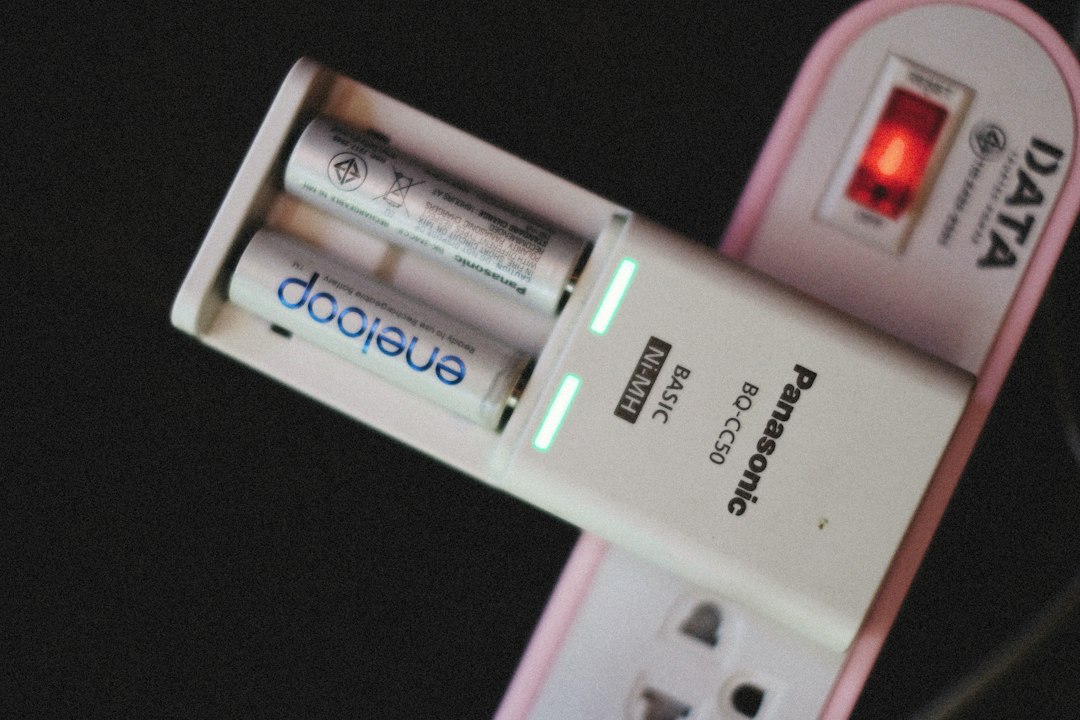
Start with the boring pick, because boring is the point. Panasonic’s standard Eneloop AA is rated for 2,100 recharge cycles, ships pre-charged using solar energy at the factory, and holds 70% of its charge after a decade in a drawer. That last spec matters more than any capacity number: it means a battery you charged in 2022 and forgot about is still usable tonight. One cell can replace, conservatively, hundreds of disposables over its life.
The standard white Eneloop (1,900mAh minimum) is the one to buy in bulk — I run an 8-pack of AAs plus an 8-pack of AAAs as the house baseline, which covers controllers, remotes, the kitchen scale, bike lights, and the assorted sensors this job has a way of accumulating. They live up to the spec sheet: in our controller test rig, a set cycled weekly is on cycle 340-something and still testing above 1,800mAh. That’s three years of heavy use per cell without a noticeable fade.
If you want a one-click starter bundle, the Eneloop power pack — 8 AA, 4 AAA, and the smart charger together — is the exact kit I’d hand a friend who’s starting from zero. It’s also, not coincidentally, roughly the price of a year’s alkaline habit for a family of four. The payback clock starts immediately.
When You Need More Run: The Pro Cells
The standard cells have one honest weakness: they’re middling for genuinely hungry gear. Camera flashes, trail cameras, high-output flashlights, and RC toys want capacity. That’s where Eneloop Pro (2,550mAh) earns its slot. In our flash-recycle test, Pros beat the standard cells by about a third in shots-per-charge — right in line with what the big review houses measured when they crowned the Pro their top overall pick earlier this year.
The tradeoff is cycle life: Pro cells are rated for around 500 cycles instead of 2,100, and they self-discharge faster. So don’t build your whole system on them. A 4-pack for the camera bag and the flashlight that lives by the door, standard cells for everything else — that’s the split that makes sense.
The Charger That Killed the Overnight Wait
Chargers are where cheap systems go to die. The wrong one charges in pairs (so one dead cell and one half-full cell fight each other), cooks batteries with dumb timers, and leaves you guessing. The Panasonic BQ-CC55 does the opposite: four independent bays, per-cell LED charge indicators you can actually read, AA and AAA support, and a full charge in about three hours instead of overnight. It also detects that one corpse cell that’s been hiding in your drawer and flags it instead of quietly ruining the whole batch.
If you already own cells and just need the brains, that’s the charger. Total damage, under thirty dollars. It’s the least glamorous purchase in this article and the one I’d replace first if it broke tomorrow.
The USB-C Shortcut: True 1.5-Volt Lithium
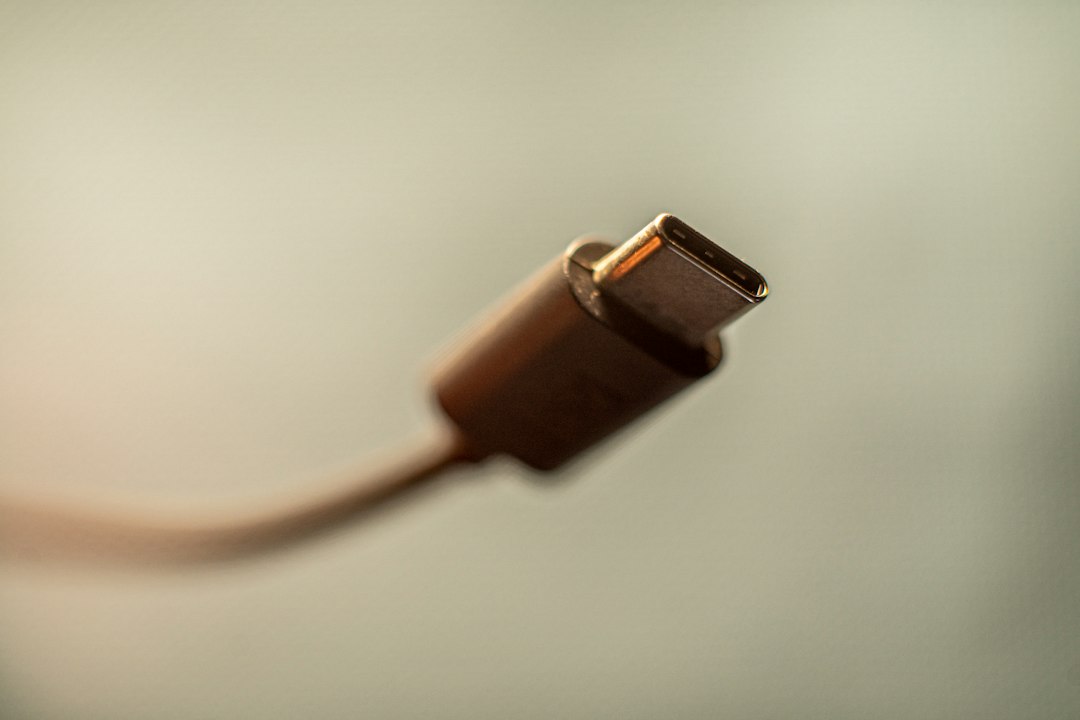
Now the modern twist. Pale Blue’s USB-C rechargeable AAs hide a lithium cell and a voltage regulator inside a standard AA shell. The regulator is the headline: they output a true, steady 1.5 volts — no sag, no 1.2-volt quirk — which means they work in exactly the devices that reject NiMH. Each cell has a USB-C port under a cap, so you charge them from any port you already own. No charger dock, no proprietary cradle. Four cells go from dead to full in about an hour.
I keep mine in the fussy stuff — an old clock, a blood-pressure cuff that hated NiMH, and the travel kit, where the no-dock thing genuinely matters. The honest caveats: effective capacity runs lower than the NiMH numbers suggest, they cost more per cell, and the rated cycle life (about 1,000) splits the difference between standard Eneloop and Pro. They are not your bulk play. They’re the specialist you call when NiMH gets bounced. For people who just want to grab batteries and go, they’re the easiest on-ramp in this entire space.
One quiet bonus the team flagged during testing: because the voltage never sags, remotes and keyboards on lithium cells report “full” until nearly the end, then die fast. NiMH gives you a slow warning curve instead. Neither is wrong — but knowing which behavior you’ll get prevents a lot of confused device troubleshooting.

The Budget Bin: What I Buy When Eneloops Are Priced Silly
Here’s a secret the battery industry doesn’t love: modern low-self-discharge NiMH cells have converged. When Wirecutter refreshed its rechargeables guide last month, its conclusion was essentially that many tested cells perform about the same. The Amazon Basics rechargeable AAs and the EBL 2,800mAh cells both cycle reliably in my rig — I’ve got Amazon Basics cells on cycle 180 that cost half what Eneloops do.
The differences are at the margins: Eneloops hold their edge in long-shelf-life performance and cycle-count consistency, and their quality control has never burned me. The budget cells drift more — a pack of eight will have one or two weaklings that fade early. My policy: Eneloop for gear I depend on, budget cells for the kids’ toys where a dead battery is a Tuesday, not an emergency. If the budget cells save you enough to actually build the system instead of postponing it, they’re the right buy.
The One Place I Refuse to Go Rechargeable
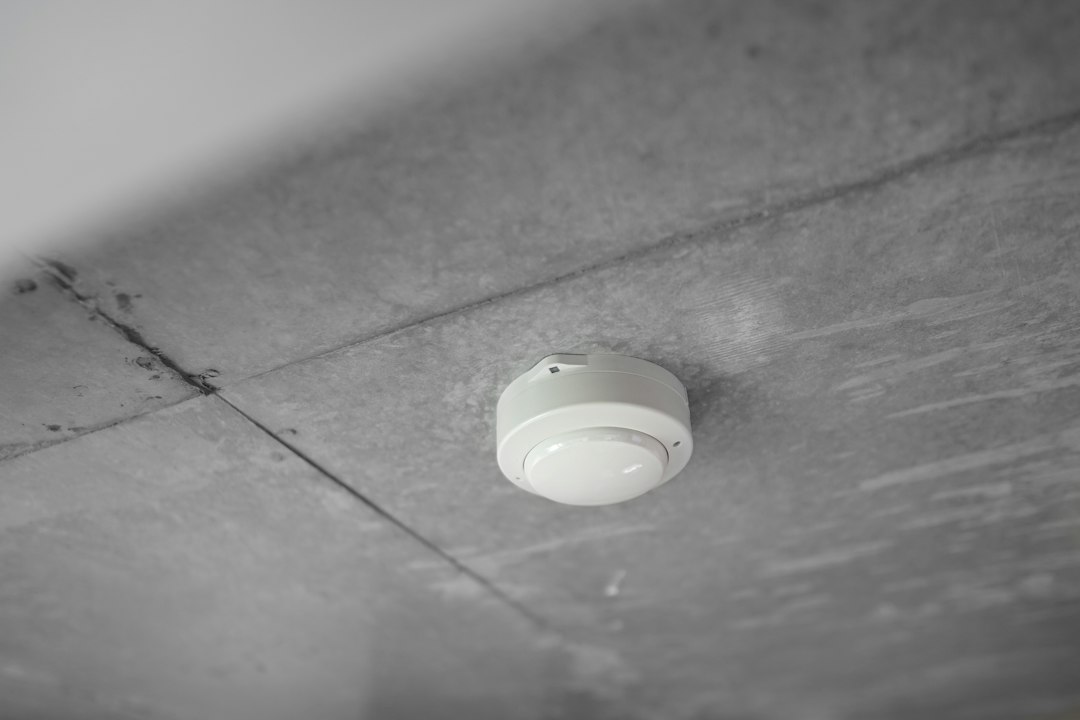
Smoke and carbon monoxide detectors. Full stop. These are the only devices in my house that still get primary lithium — Energizer Ultimate Lithium, the 20-year-shelf-life, 40-below-to-140-degree cells. The reasoning is boring and important: detectors sip power over years, need voltage that stays stable across that whole span, and fail at the worst possible moment if a cell quietly ages out. A rechargeable in a ceiling-mounted life-safety device is a maintenance obligation you will eventually forget. A 10-year-sealed primary cell is a promise you only have to keep once.
This is the same philosophy behind my blackout kit philosophy: resilience beats cleverness for the gear that has to work when everything else doesn’t. Emergency flashlights, the weather radio, the trunk kit — anything you reach for in a genuine emergency deserves cells you aren’t second-guessing. That’s a small standing stock of lithium primaries, checked twice a year.
Everything else in the house? Rechargeable, no exceptions.
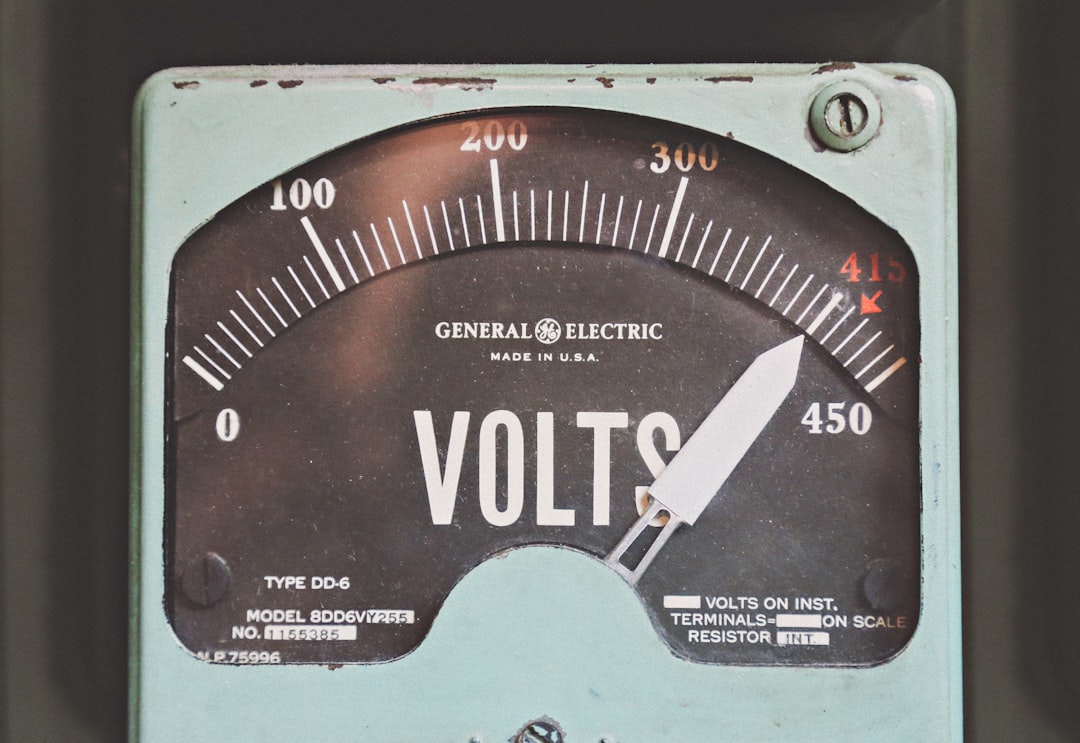
The Nine-Dollar Tool That Killed the Guesswork
The last piece isn’t a battery at all. A basic household battery tester ends the single most annoying ritual in modern life: holding a battery up to no test at all, shrugging, and swapping four cells to fix a problem caused by one. Ours lives in the battery drawer and paid for itself the first weekend.
One nuance worth knowing: NiMH cells read “weak” on cheap testers even when they’re nearly full, because the tester expects 1.5 volts and NiMH tops out around 1.4 fresh off the charger. Don’t panic-toss cells that test yellow — judge rechargeables by how they perform in the device, not by a dial calibrated for alkalines. It took my team an embarrassed afternoon to stop “discovering” that.
The Math That Closed the Drawer
Here’s the three-year ledger from my own rebuild. Starter kit with charger, 12 Eneloops, and a tester: about $75. Add a 4-pack of Pros for the camera bag and a set of USB-C lithiums for the fussy devices: about $50 more. Call it $125 all-in, one time. Against my measured alkaline burn rate of $140 a year, the system paid for itself inside ten months and will save roughly $300 over three years — while producing a fraction of the waste and exactly zero drawer corpses.
But the money isn’t really the point, and you know it. The point is that batteries stopped being a decision. The charger sits by the coffee maker, cells rotate through it like laundry, and the drawer now holds one tidy case of charged cells instead of forty-one question marks. My car emergency kit got the same treatment when I rebuilt the trunk — spares live there now, topped off, ready.
Break the alkaline habit once, set the system up right, and batteries become what they should have been all along: infrastructure you never think about. That’s the whole job.