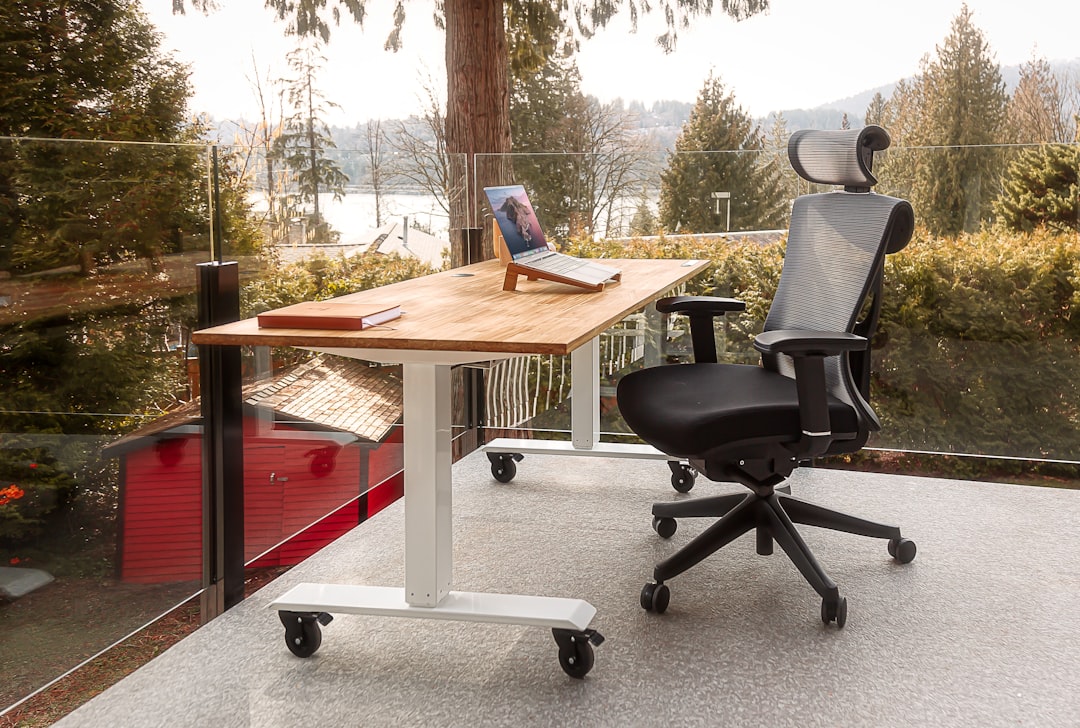
I did everything in the wrong order. Monitor first, then a mechanical keyboard, then a standing desk, then the desk lamp, then the dock. For roughly six years I sat inside whatever office chair happened to survive the previous upgrade cycle — a broken-armed hand-me-down that reclined when it felt like it and rolled only in circles. The gear around me got better every season while the thing holding my spine up got worse. My lower back finally filed a formal complaint last spring, and it turned out to be right.
So my team and I did what we usually do: we over-corrected. Six chairs moved through the office over sixty days — three cheap, three expensive — rotating the same four bodies across all of them, logging seat time the way we log battery drains and benchmark runs. This guide is the distillation of that experiment, and the short version is that price predicts comfort far less reliably than four specific specs do. Nail those specs and $220 buys you a chair you can sit in for a decade. Miss them and $1,400 buys you a very expensive conversation piece.
The Spec Sheet That Actually Predicts Comfort
Every chair box shouts about “ergonomic design,” which is marketing shorthand for nothing. After two months of swapping seats every week, the specs that consistently separated the comfortable chairs from the frustrating ones came down to a short list.
Lumbar support is the headline, and the details matter more than the word. A fixed lumbar bulge is a gamble — it either lands at your spine’s curve or it doesn’t, and you don’t get a say. Adjustable lumbar lets you move it up and down to match your torso, which is the difference between support and pressure. The best of the bunch this year was dynamic lumbar, a mechanism that shifts with you as you lean and slouch instead of staying where you left it. The first time I sat in a chair with genuinely dynamic support, I understood why people pay for it: my usual 3 p.m. slump had nowhere to go.

Seat depth is the spec nobody checks and everybody suffers from. You want two to three fingers of clearance between the front edge of the seat and the back of your knees. Too deep and the edge cuts circulation; too shallow and your thighs carry your weight instead of the chair. A seat-depth slider — sometimes called a seat slide — is the single most under-advertised feature in the category, and it’s non-negotiable if you’re tall or short. The levers and knobs look intimidating until you realize they’re each solving one specific fit problem, and once you’ve mapped them, every chair becomes adjustable in about ninety seconds.
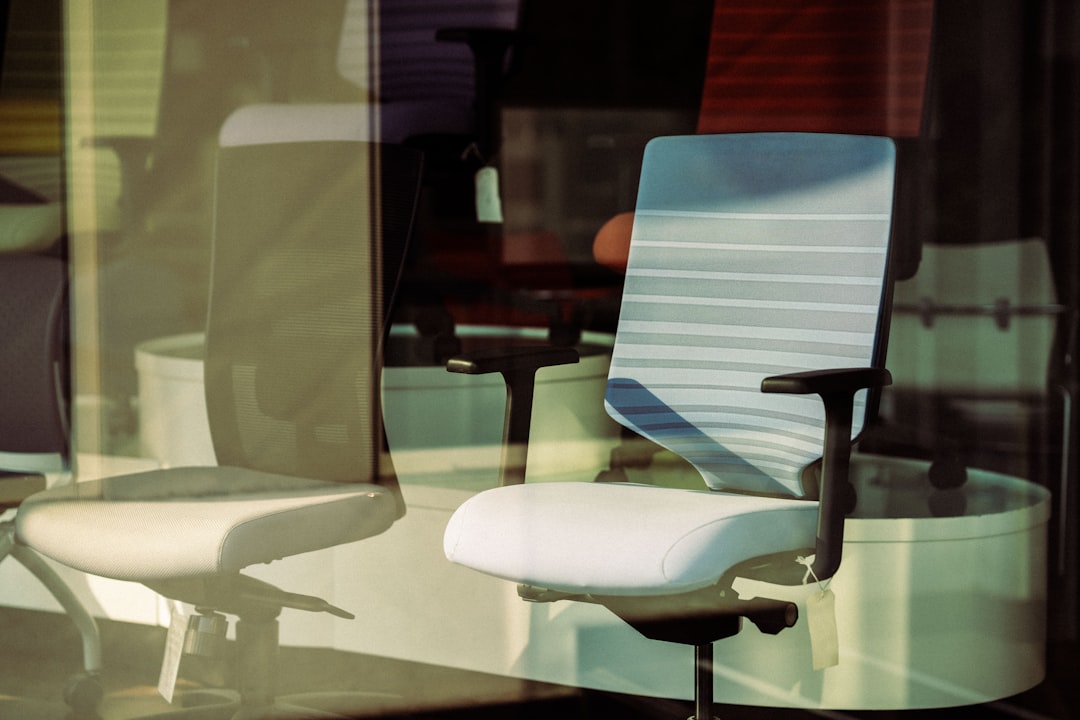
Armrest geometry comes next. Height adjustment is table stakes; 2D arms add depth; 3D adds width pivot; 4D adds rotation. What actually matters is whether the arms can land where your elbows naturally rest — shoulders dropped, forearms level with the desk. And don’t ignore tilt tension. A chair that reclines should resist your weight, not launch you backward, and it should lock somewhere between upright and 110 degrees.
Mesh versus foam is the last fork, and it’s a preference, not a hierarchy. Mesh breathes through August and gives a firmer ride; foam feels plush on day one and can compress by year three. I ended up preferring mesh after three straight summers in foam. It’s the same lesson I learned rebuilding desks — when thirty standing desks taught me which specs mattered, the marketing evaporated and the geometry remained.
The Budget Tier That Embarrasses the Expensive Stuff
Here’s the finding that surprised my whole team: the two most-recommended chairs at the end of our sixty days both cost less than a decent monitor arm. Budget ergonomics has quietly become excellent, largely because a handful of manufacturers converged on the same formula — high-back mesh, real adjustable lumbar, 3D arms, 300-pound rating — and then competed on execution.
The chair I’d hand most people is the SIHOO M18, a high-back mesh seat with genuinely adjustable lumbar support, an adjustable headrest, and tilt lock that has held up across two months of abuse from four different sitters. It is not refined — the arms feel hollow and the mesh is industrial rather than luxurious — but every adjustment lands where it should, and at roughly $230 it’s the value benchmark everything else in this test got measured against. For even less, the SIHOO B100 brings an adaptive lumbar system that TechRadar’s furniture writers have called the best in the budget class, usually floating between $160 and $220 depending on the week. One of my editors took the B100 home mid-test and refused to give it back, which is as strong an endorsement as this job produces.
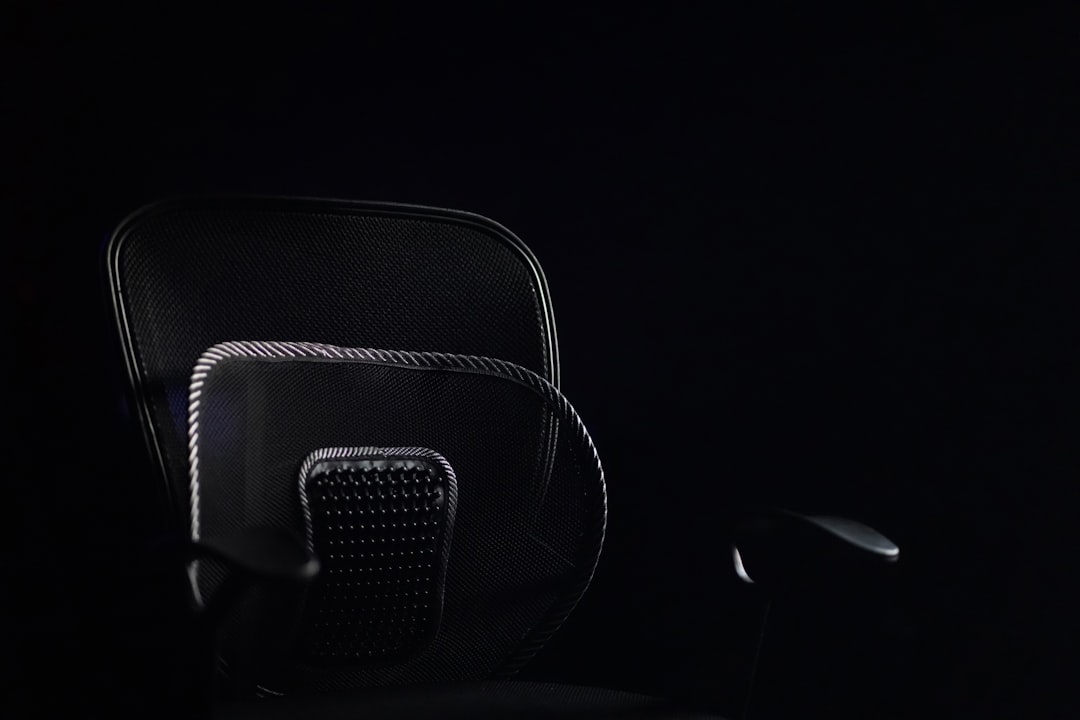
The wildcard is the FlexiSpot OC3, which undercuts both SIHOOS and pairs a high mesh back with a surprisingly well-damped recline. FlexiSpot built its name in standing desks and brought the same assembly logic to chairs: twenty minutes, one Allen key, no cursing. If you’re furnishing a first home office and the chair budget is fighting the monitor budget, this tier is where I’d spend the minimum needed and move on.
Where the Mid-Range Earns Its Keep
Spend between $300 and $600 and the improvements get specific rather than general. The FlexiSpot ErgoX anchored this tier for us: dynamic lumbar that actually tracks your spine, 3D arms, a deep, quiet recline, and a real flip-out footrest that converts the chair into an afternoon-reading station. The footrest sounds like a gimmick until the first day you take a call reclined at 125 degrees with your feet up and realize your hip flexors have unclenched for the first time all week.
The chair I keep circling back to is the OdinLake L3, which pairs dynamic lumbar with flip-back arms — a feature that matters more than you’d think if you ever slide a chair under a desk or play guitar between meetings. OdinLake has been climbing CNET’s rankings all year on adjustability alone, and our results agree: it fit every one of our four test bodies without a single compromise setting. For an office that has to look like an office, the Branch Verve is the polished pick — executive aesthetics, seven points of adjustment, and the kind of upholstery that survives a coffee incident. It’s the chair you buy when the room has visitors.
What does the extra money buy over the budget tier? Quieter mechanics, denser foam where foam is used, better casters, and fit tolerance — adjustments with finer steps that accommodate in-between body sizes. Is that worth $300? If the chair is shared between two people, or you’re at the edges of the height bell curve, it genuinely is.
So Is the Herman Miller Tax Real?
Partly. The classic Aeron remains the most famous chair on earth for reasons that survive contact with it: the mesh suspension distributes weight in a way foam can’t match, PostureFit lumbar support adjusts to the pelvis rather than the back, and the build is famously over-engineered. The number that changed my mind wasn’t a comfort score, though — it was the warranty. Twelve years, covering nearly everything. Amortize a $1,200-plus chair across twelve years of eight-hour days and the cost per sitting lands below the $230 SIHOO replaced every four years. The resale market is real, too; used Aerons hold value the way MacBooks do. I checked listings for a week and stopped being shocked by the prices.
But comfort-per-dollar peaks well below the Aeron, and I’d be lying to you if I claimed otherwise. What the premium tier sells is longevity and refinement, not a different category of comfort. If you want the Herman Miller design philosophy without the financing conversation, the Sayl — at roughly half the price — carries the same engineered-suspension thinking in a lighter, friendlier package. It was the chair my most skeptical tester kept “borrowing.”
Rescuing the Chair You Already Own
Not everyone needs a new chair, and some of the best money in this whole experiment went into accessories that fix the two or three things wrong with an otherwise acceptable seat. If your chair’s lumbar is a decorative ridge, a proper memory-foam lumbar pillow corrects the spine’s curve for about the cost of lunch — our testers fought over the Everlasting Comfort model enough that we bought a second one. A wedge-style seat cushion fixes the too-deep-seat problem, restores circulation to numb thighs, and quietly improves your recline angle. That trick has rescued at least three chairs in this office from the curb.
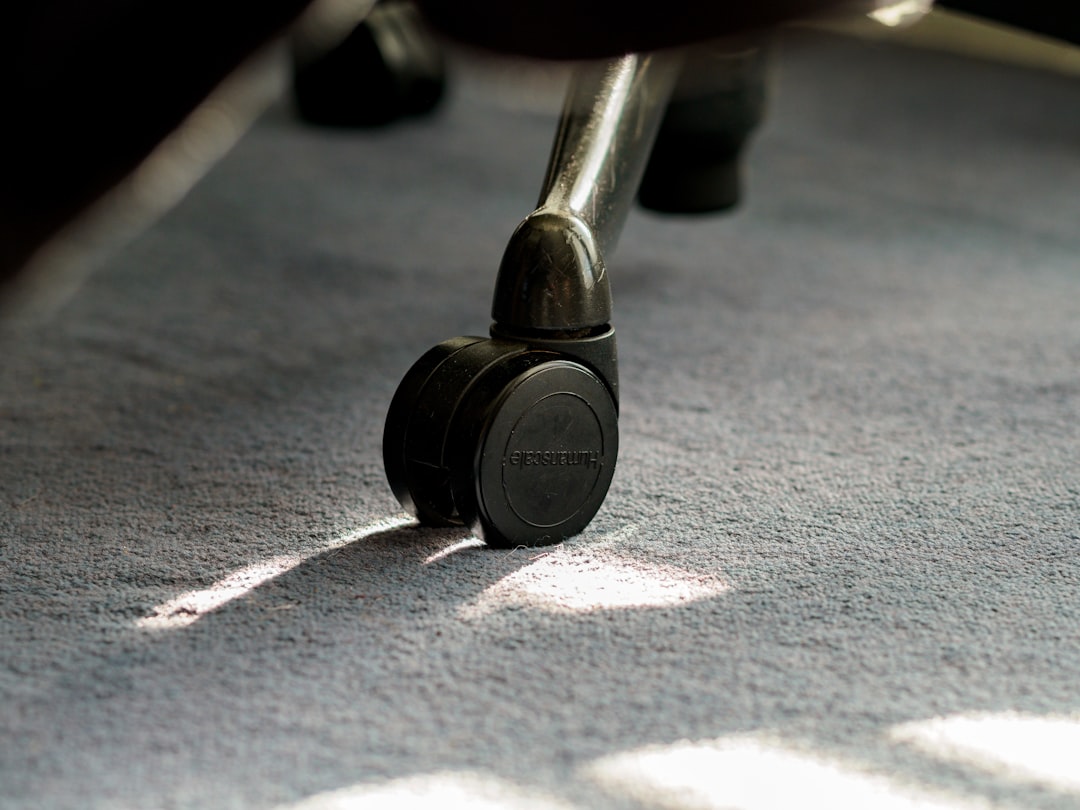
The cheapest transformation, though, is wheels. The stock casters on most chairs under $400 are plastic pucks that grip, skid, and scuff a hardwood floor. Swapping to polyurethane rollerblade-style casters takes four minutes, no tools, and turns every chair in the building into something that glides. Pair them with a low-profile chair mat if you’re on carpet, because even great casters lose to shag. We treated these as part of the standing-desk-and-accessories ecosystem in our under-$25 desk gear rundown, and the same logic holds here: small parts, outsized effect.
The Ten-Minute Fitting Nobody Walks You Through
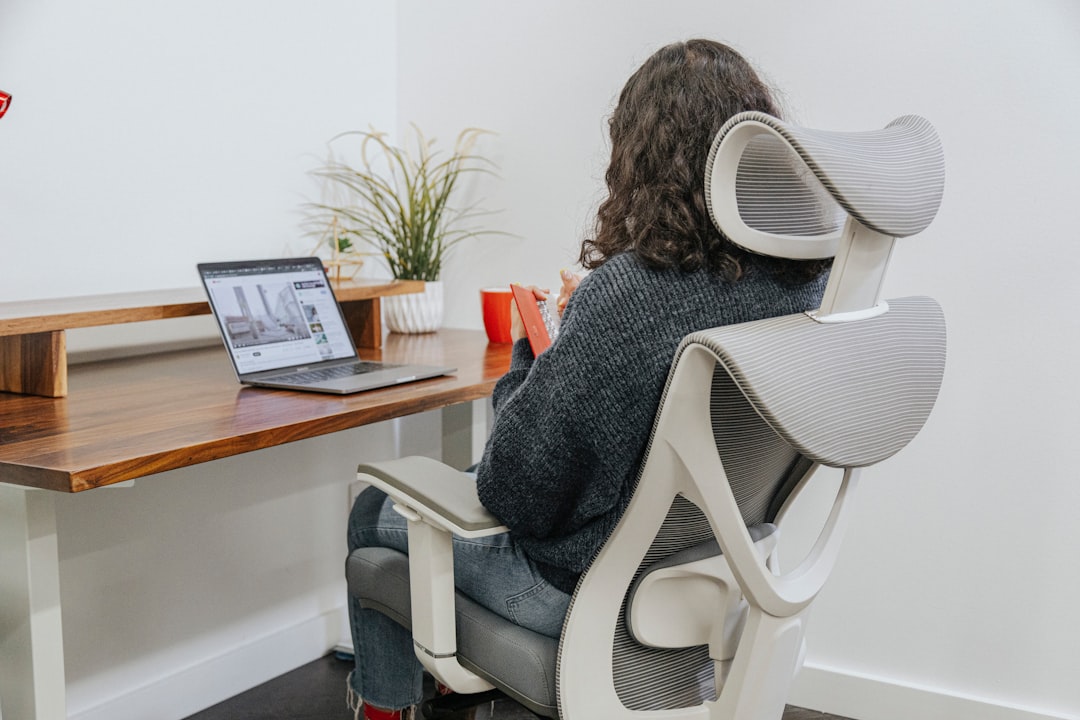
Every chair in this test performed badly when set up wrong and beautifully when set up right, which means the fitting matters as much as the purchase. The routine takes ten minutes. Raise the seat until your feet rest flat and your knees bend near ninety degrees — feet dangling is a height problem, not a posture problem. Check seat depth: fist’s width behind the knee, no more. Drop the armrests until your shoulders hang relaxed and your forearms rest level with the desk, then position the lumbar at the small of your back, not the middle. Set tilt tension so a full lean-back takes deliberate effort, and lock it a few degrees past upright.
Then — and I say this as someone who reviews chairs for a living — stand up anyway. The research is unambiguous that the best chair is the one you leave periodically, which is why my standing desk and my walking pad share credit for my back’s recovery with any seat in this test. If your shoulders carry the day’s tension regardless of hardware, our sixty-second shoulder ritual closes the loop no chair ever will.
The Verdict, Without the Marketing
Buy the adjustable lumbar and the seat slide before you buy the badge. The SIHOO M18 and B100 cover most people for under $250; the ErgoX and OdinLake L3 are worth the step up if two bodies share the chair or your dimensions run unusual; the Aeron is a twelve-year infrastructure purchase that stops feeling expensive the moment you stop thinking about it. And if the budget genuinely can’t move this quarter, a lumbar pillow, a seat cushion, and a set of rollerblade casters will get you most of the way there for under a hundred dollars.
Your monitor faces you. Your keyboard waits for you. Your chair holds you — eight hours a day, every day, for years. It’s the only purchase on the desk you actually sit inside, and it deserves better than the leftover line item it usually gets. My back spent six years telling me that. I should have listened sooner.