
The most common question I’ve fielded in twenty-five years of this job has nothing to do with laptops, phones, or whatever chip NVIDIA announced on Tuesday. It’s some version of “what TV should I buy?” — usually from a friend, a neighbor, or a reader whose patience died three smart-TV interfaces ago. And for most of that quarter century, my answer was a compromise. If you wanted the best picture, I sent you to LG or Sony and warned you about the menu system that would slowly bloat with ads and sponsored tiles. If you wanted the interface your grandmother could actually use, I sent you to Roku — and quietly accepted you’d be watching it on a middling LCD panel.

That compromise ended this week. On September 1, Roku shipped its first self-branded OLED televisions, and the pricing made me sit up straighter than any TV announcement in years: the Pro Series OLED starts at $999 for the 55-inch, with a 65-inch at $1,199. Both are on sale now, and both are exclusive to Amazon. My bench got its review units in ahead of launch, and we’ve spent the days since doing what we always do — measuring, poking at menus, and arguing about whether normal people will notice the difference.
The First Roku Worth Talking About in Picture Terms
Let’s be blunt about Roku’s television history. The company’s own TVs have been usability champions riding on forgettable panels — the 2025 Pro Series was a QLED Mini-LED that reviewed well for the money but never threatened a serious OLED. Roku built its name on software, and the hardware was where you forgave it.
The new Pro Series OLED (55-inch, $999) and its 65-inch sibling at $1,199 swap that LCD for a true 4K OLED panel running at 120Hz. You get Dolby Vision support, Roku’s Smart Picture Max processing that reads the room and adjusts the picture on its own, and an Automatic Game Mode with FreeSync Premium and variable refresh rate. In our initial viewing sessions — a stack of horror films for the black levels, football broadcasts for motion, and a weekend of console gaming — it behaved exactly the way you’d expect a 2026 OLED to behave. Infinite contrast. Dark-room scenes where shadows stay shadows instead of turning into gray soup. Off-angle viewing that doesn’t wash out when three people cram onto one couch.
One thousand dollars is not a small amount of money, but it’s a genuinely aggressive number for a first-party OLED. For context, that’s the territory where LG’s entry-level B-series has lived during sale season — and where Roku’s own Mini-LED models from last year still sell for hundreds less if absolute picture quality isn’t your priority. More on that math in a minute.
Why the Interface Still Wins the Argument
Here’s the thing I keep coming back to, and why I think this launch matters more than the spec sheet suggests: the smart TV industry has spent a decade making its software worse. Menu systems that once took two clicks now take five and include an ad. Home screens that put a streaming service’s paid placement above your own watchlist. Processors that feel quick in month one and sluggish by month eighteen as the “improvements” pile up. Every TV reviewer I know has a private ranking of which platform they’d least hate living with, and for most of us it’s Roku’s — the tiles are simple, the search works, and the operating system has stayed fast on hardware that’s five, six, seven years old.
The LG C5 is a better television than the standard Roku Pro OLED will likely be, on paper and probably in our eventual measurements. I’ll say that plainly, because pretending otherwise would be dishonest. But when my brother-in-law asked me last month which TV to buy for his family — the household where the TV is for Netflix, football, and the occasional Mario Kart night — I hesitated, because I knew webOS would eventually drive him to text me screenshots. Now I don’t have to hesitate. The cleanest major TV interface and a legitimate OLED panel finally live in the same box.
The Specs That Matter for a Football-and-Netflix Household
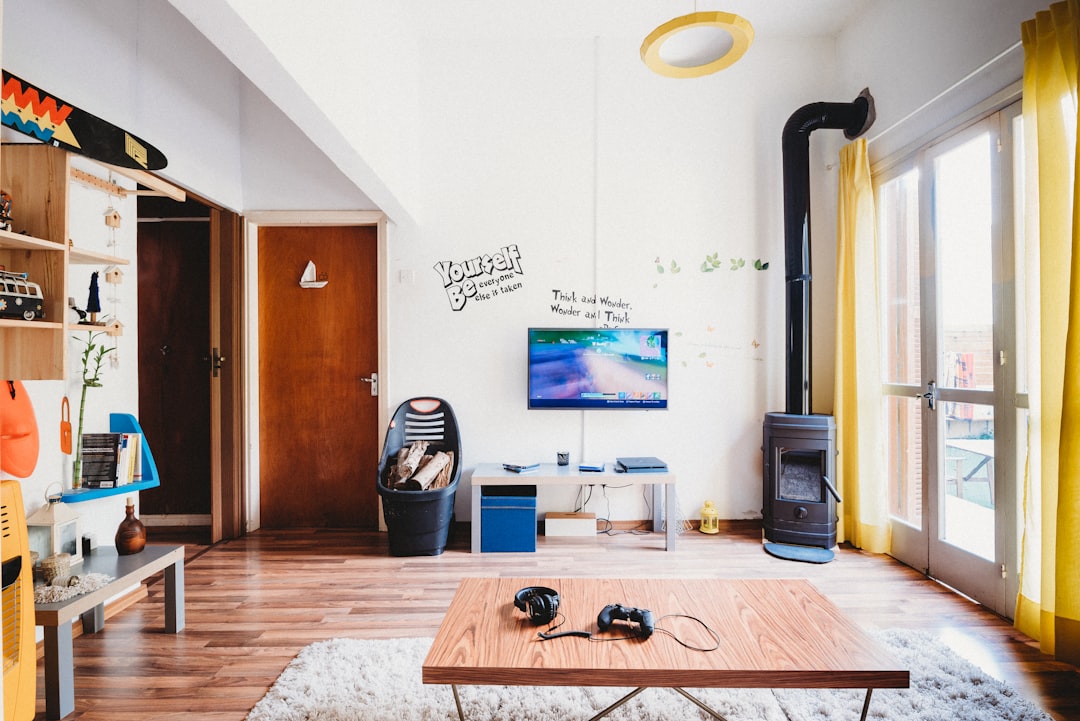
Most buyers can safely ignore about 80 percent of any TV spec sheet. Here’s the 20 percent that matters with this one. The 120Hz panel means sports and fast pans look smooth rather than smeary — that’s the single biggest real-world upgrade over the 60Hz panels that still dominate the budget tier. Dolby Vision means the HDR content you’re already streaming from Netflix and Disney+ actually renders the way it was graded. And the gaming features — FreeSync Premium, VRR, automatic low-latency switching — matter even if you don’t own a console, because they future-proof the set for whatever streaming box or cloud gaming service you plug in three years from now.
What you shouldn’t do is chase brightness numbers. OLED doesn’t win peak-brightness contests against high-end Mini-LED, and it doesn’t need to. If your living room is a sun-drenched south-facing space, that’s a real consideration — and weirdly enough, it’s also the strongest argument for waiting a month, which I’ll get to.
The Trade Roku Didn’t Put in the Press Release
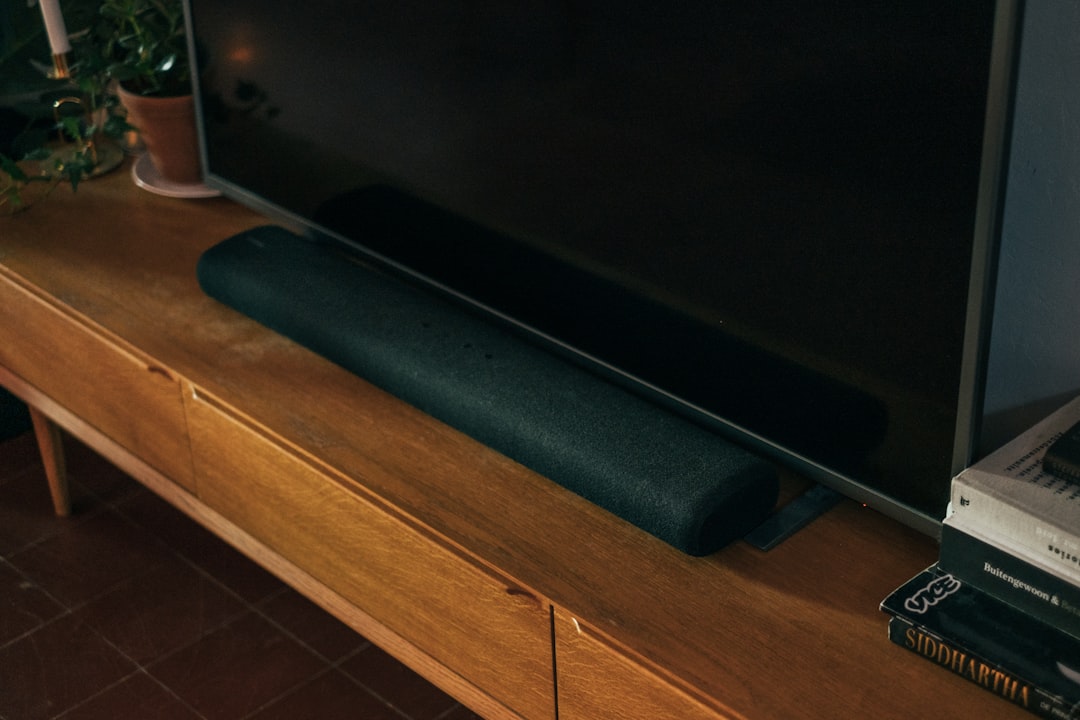
Buried in the fine print of this launch is a genuine loss: the Soundstage audio port is gone. Last year’s Pro Series had one of the few built-in TV sound systems I’ve actually complimented — a connector that paired the TV with a matching speaker for genuinely decent sound. Roku’s own people confirmed the obvious when pressed: the new ultra-thin metal bezel that makes these sets look so good simply doesn’t leave room for it. Thin wins, sound loses.
So budget for audio, please. A Roku Streambar solves it neatly if you just want clear dialogue and a bit of punch, and it keeps the one-remote simplicity that’s the whole point of buying a Roku. If this TV anchors a proper movie night setup, the Polk Audio Signa S4 with its wireless sub and Dolby Atmos support is the upgrade I’d make — it’s the same money you just saved choosing Roku over LG, spent where you’ll actually hear it. I’ve written before about building a sound environment you can live with, and the short version is that nobody regrets fixing bad TV audio.
Roku OLED or LG C5: My Honest Two-Answer Problem
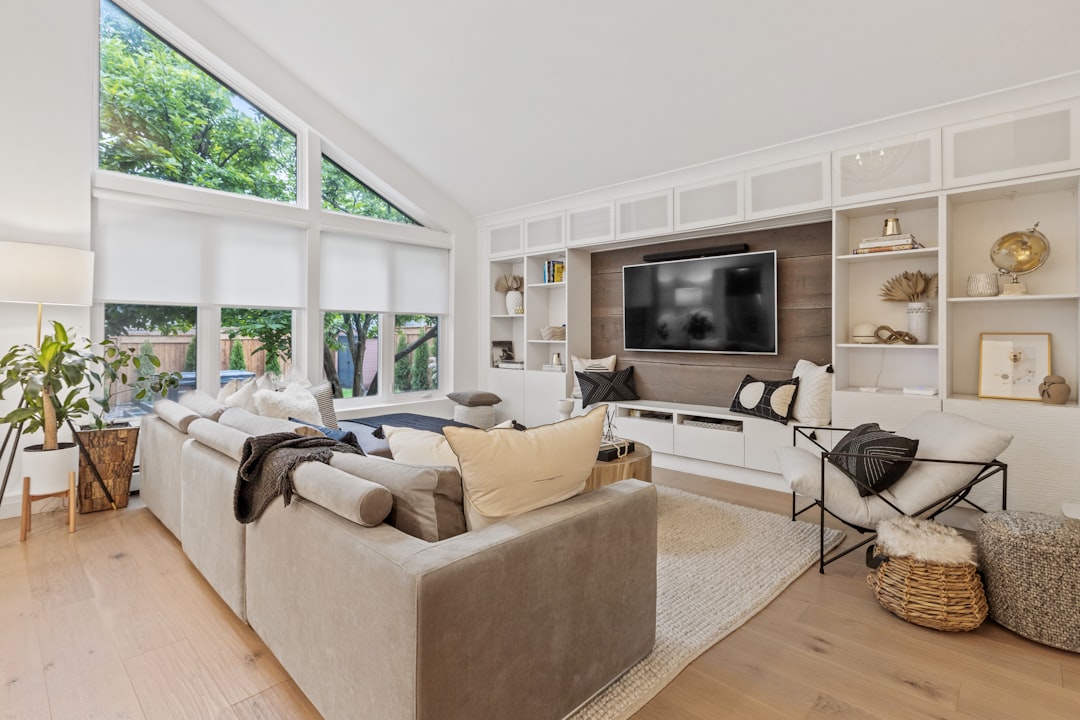
“So which one would you buy?” My inbox is already full of this question, and the honest answer is that it depends entirely on which failure mode you’d rather live with. Buy the LG if picture quality is your religion — the C5’s panel, processing, and brightness are the yardstick everyone else gets measured against, and gamers get four HDMI 2.1 ports to Roku’s more limited input layout. Buy the Roku if the TV is an appliance in a busy household and you want everyone from your kid to your babysitter to operate it without a seminar. That’s not a cop-out; it’s the same advice framework I use for every product category, and it’s why “best” lists annoy me.
There’s a third door, too, and I’d be doing my job poorly if I didn’t mention it: if $999 is still more TV than your budget wants, Roku’s 55-inch Pro Series Mini-LED from last year carries the identical operating system and interface experience for meaningfully less money. You give up OLED’s perfect blacks and the 120Hz panel, but you keep the part of the Roku proposition that made the company worth listening to in the first place.
Small Details That Show Who Roku Was Listening To
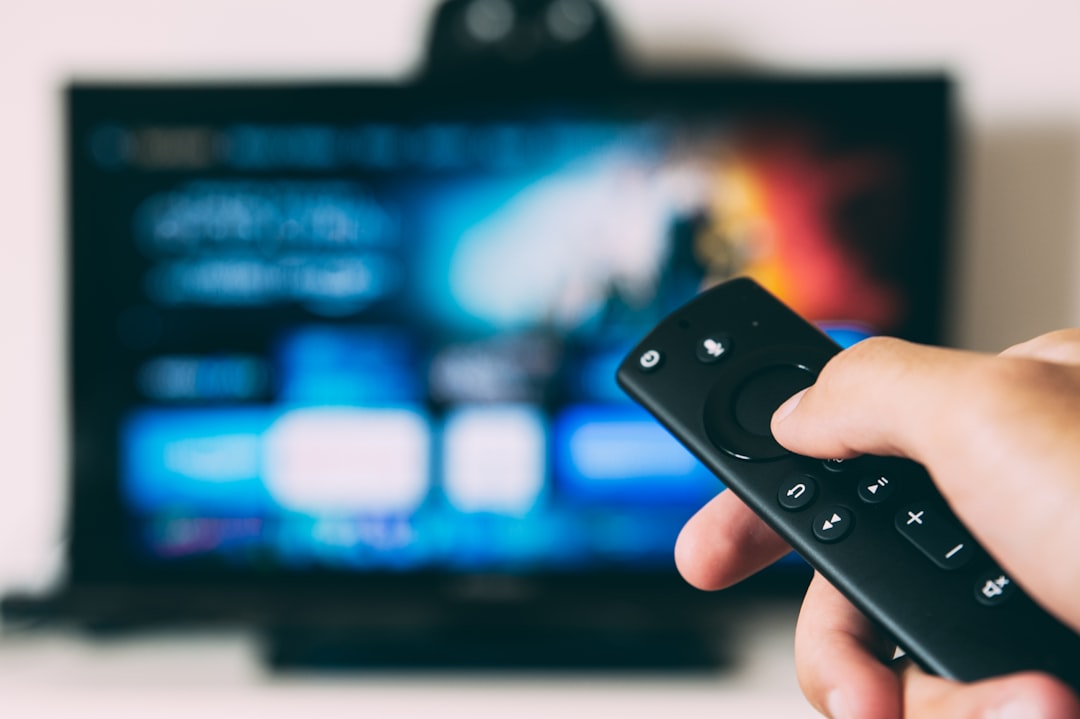
The details that earn my respect on a TV are rarely the ones on the box. The new Pros ship with an adjustable tool-free stand — no scavenging for a hex key at 10 p.m. — and Velcro cable straps integrated right into the legs, which is the sort of thing you only think to add if you’ve actually installed televisions. The push-to-talk voice remote has backlit buttons, which every remote should and most don’t. And you can pair Bluetooth headphones straight to the TV for private late-night viewing without buying anything extra.
If you already own a Roku setup, that remote deserves a note of its own: the Voice Remote Pro (2nd Edition) is rechargeable, backlit, and works across every Roku device and TV the company has made. It’s the twenty-dollar-feeling upgrade that makes a five-year-old set feel new, and it’s become the default housewarming gift from my entire team.
Install Notes Before the Boxes Arrive
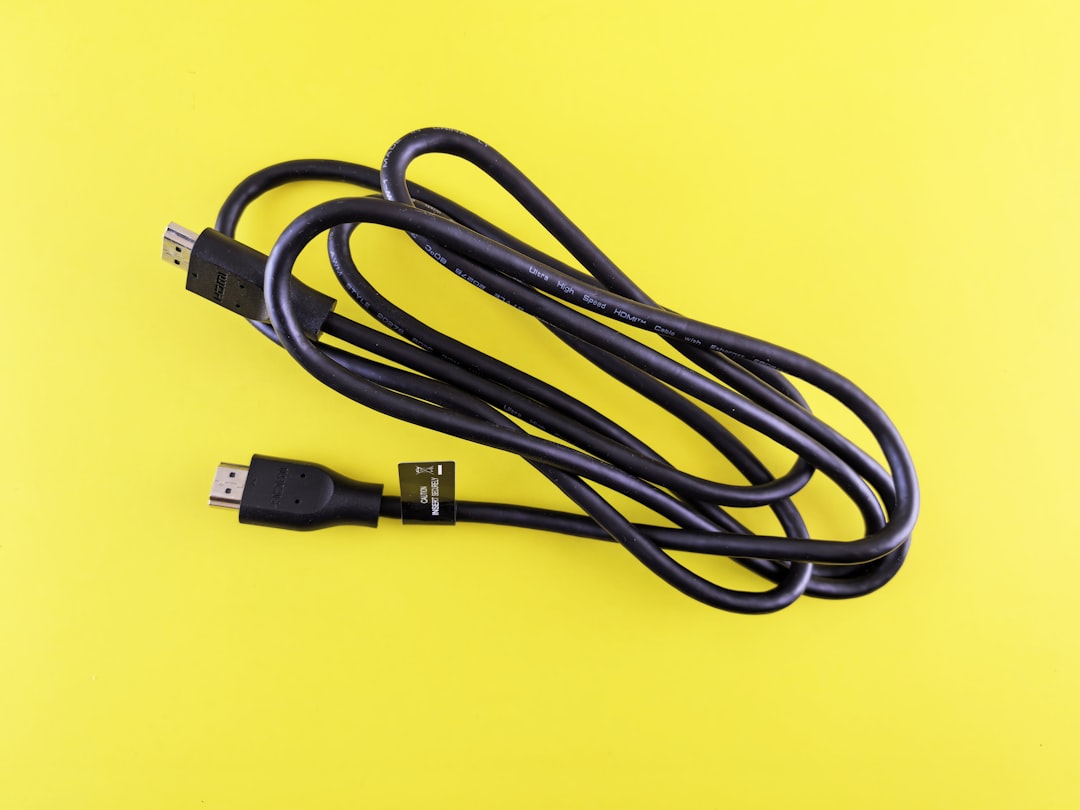
Two things to sort out before delivery day. First, if you’re wall-mounting — and a panel this thin practically begs for it — don’t reuse the mount from a 2014 set. A quality tilting bracket like the Mounting Dream tilt mount handles anything from 37 to 90 inches, and the tilt matters more than people expect for reducing window glare. Second, and I will repeat this until the industry fixes it: use a certified HDMI 2.1 cable. A $6 cable from a drawer will happily throttle your new 120Hz signal, and you’ll spend a confused evening blaming the television. The Highwings 48Gbps certified cable is the one we keep in bulk at the bench, and it costs less than a pizza.
And if this TV is one piece of a bigger cord-cutting overhaul — antenna, streaming stick, soundbar, the works — my football-season setup guide walks through the whole stack with real numbers.
Should You Wait for October’s LX?
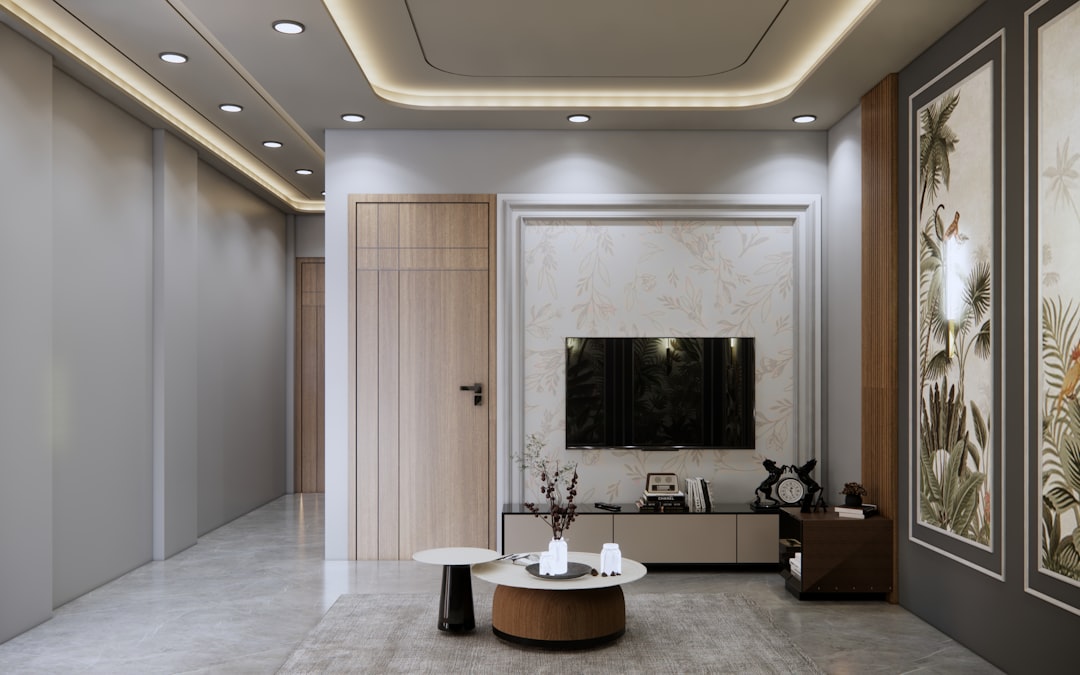
The standard Pro Series OLED is on sale now, but it has a sibling arriving in October: the Pro Series LX OLED, starting at $1,299 in 55 inches and $1,599 for the 65. The LX brings a brighter panel, a wider color range, a 144Hz variable refresh rate, and — this is the one that matters — an anti-reflective filter. You can watch the LX listings here as they go live.
Here’s my honest read. If your TV room is dark or dimly lit, the standard model is all the television you need, and there’s no reason to wait. If you’re fighting afternoon sun through big windows, or you’re a competitive gamer who’ll actually use 144Hz, the LX’s anti-reflective coating and brighter panel are worth both the extra money and the extra month. Reflection management is the last real weakness of affordable OLED, and it’s telling that Roku addressed it in the higher tier rather than the volume seller.
The Verdict: Buy, Wait, or Skip
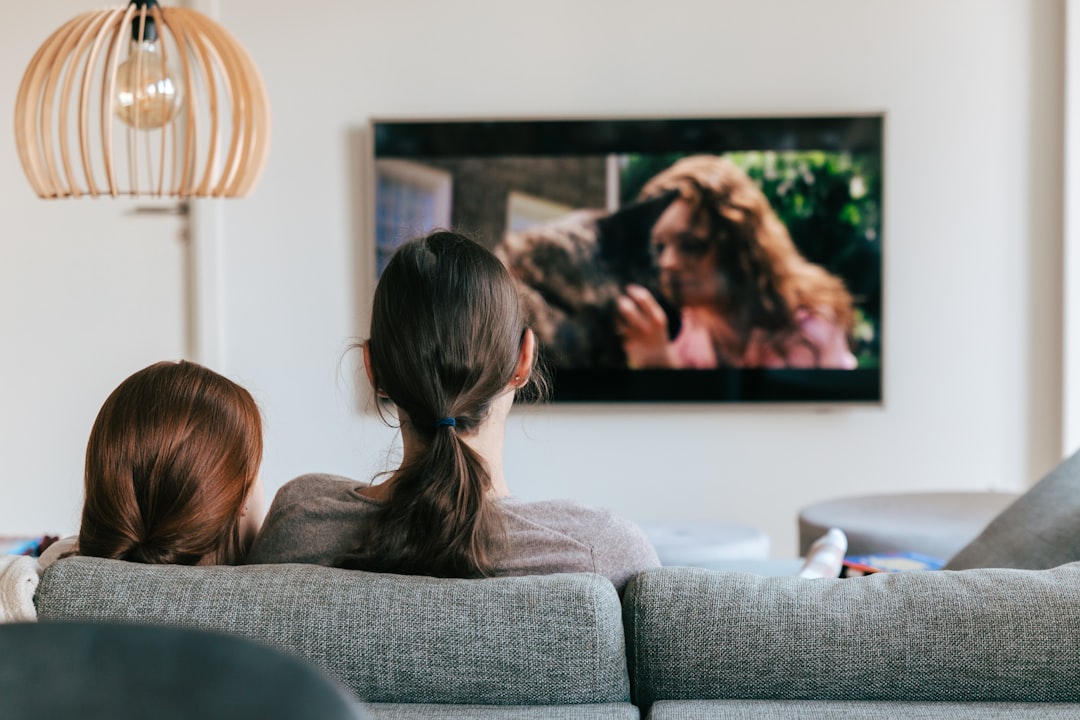
Buy if you’ve been putting off a TV upgrade because every option felt like choosing between picture and sanity. This is the first time Roku has sold a display I’d put in my own living room, and the $999 entry price turns “good enough for most people” into “genuinely good, full stop.” Wait for the LX if glare or gaming sits at the top of your priority list. Skip only if you’re a picture-quality maximalist with a dim, light-controlled room — for you, the LG was always going to be the answer, and the new Roku doesn’t change that.
The deeper story here isn’t one TV. It’s that the company with the most respect for your attention finally decided to compete on the screen itself — five weeks before football season, a month before the holiday flood, and at a price that forces everyone else to answer for their $1,400 entry panels. I’ve watched a lot of “game changer” launches come and go. This one just quietly changed the answer to the question my inbox asks every single week.
And if you’re sketching a broader home entertainment refresh — indoor screen, outdoor projector, the works — my backyard setup piece covers the part of the house this TV doesn’t.