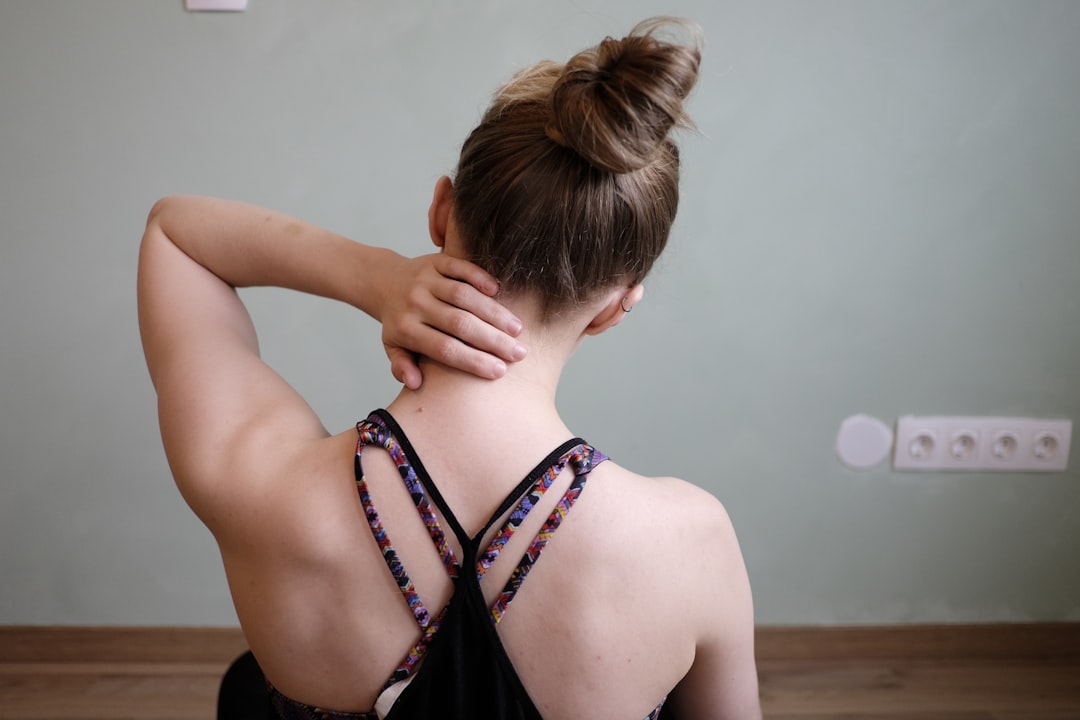
It took a physical therapist pressing one thumb into my left trapezius for me to accept what twenty-five years of keyboards had done to me. I’d booked the appointment because the knot under my shoulder blade had stopped responding to stretching, heat, and the optimistic little vibrating pad my sister gave me for Christmas. The diagnosis wasn’t an injury. It was simpler and more annoying than that. “You’re not hurt,” she said. “You’re desk-shaped.”
Desk-shaped. After a quarter century of reviewing gadgets, that one landed. My traps had been holding my head — all twelve-ish pounds of it, craned forward over review units and benchmark logs — in a position no mammal was designed to sustain. The fix, apparently, was threefold: move more, reposition the work, and break up the chronic tension that had been compounding for years. The first two are their own projects. The third is where a massage gun quietly became the most-used piece of recovery tech I own, and after six weeks of testing nine of them with my team, I can tell you exactly which ones earn their spot at a desk.
The Problem Isn’t Your Mouse, It’s Your Architecture
Most of us blame the wrong hardware. The wrist gets the villain treatment, but the real casualty of eight seated hours is the entire upper-back chain. Forward head posture — the technical term for the slow migration of your skull toward your monitor — forces your trapezius and levator scapulae muscles to hold a counterweight they were never designed to carry. Those muscles respond the way overworked muscles always do: they tighten, knot up, and restrict the blood flow that would otherwise flush them out. Add shortened pectorals pulling your shoulders inward, and you’ve built a feedback loop of tension that no amount of occasional stretching undoes.

What makes this a tech column instead of a complaint is that the recovery category has genuinely matured. Percussive therapy went from physical-therapy-clinic equipment to a $60 consumer device class in under a decade, and the current generation is quieter, lighter, and smarter than anything I tested even three years ago. The question stopped being “does this work” and became “which one do you actually need.”
Why Percussion Beats Kneading for Desk Tension
Here’s the mechanism, minus the marketing varnish. A massage gun delivers rapid pulses — 1,800 to 3,200 percussions per minute depending on model and speed — straight into muscle tissue. That does two things. First, it taps into what neurologists call the pain gate: rapid non-painful sensory input competes with and dampens the pain signals your knotted muscle is sending. Second, the mechanical thumping drives local blood flow into tissue that chronic tension has been starving, which is why a thirty-second session on a stubborn trap feels like it “releases” — you’re literally rehydrating the muscle with circulation.
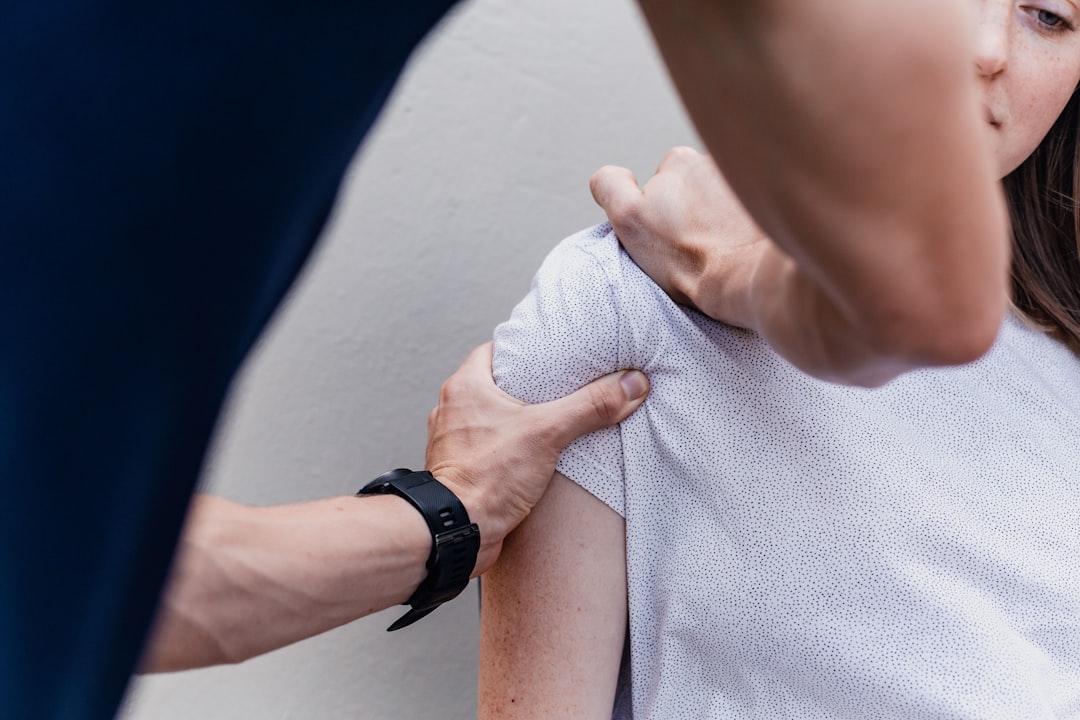
The advantage over foam rolling, for desk workers specifically, is reach and precision. Your upper traps and the muscles along your shoulder blades are nearly impossible to roll effectively. A gun with the right attachment gets in there with one hand while you’re sitting in the chair that caused the problem. It’s not magic and it’s not therapy — it’s maintenance. Think of it as defragmenting the muscle instead of replacing the drive.
How We Ran This Test
My team and I ran nine guns through six weeks of daily use, split across three desk-bound testers with different pain maps — one neck-dominant, one shoulder-blade-dominant, one forearm-dominant from a typing-heavy workload. Every gun got the same assignment: a two-minute session per pain zone, twice daily, at each speed setting. We logged noise (measured at arm’s length), stall-out under pressure, battery behavior over weeks, and — most importantly — whether the tester reached for it voluntarily after the test period ended. That last metric is brutally honest. A gun that lives in a drawer failed the test regardless of its spec sheet.
The Sweet Spot: Therabody Sense
If you buy one device, make it the Therabody Sense (2nd Gen). It sits in the middle of Therabody’s line, but “middle” undersells it: it has the amplitude to reach deep traps, it’s quiet enough to use during a video call with the mic hot (ask me how I know), and the companion app walks you through guided routines that target exactly the desk-worker zones I’ve been describing. One tester called the app’s reminders “the only wellness notification I don’t swipe away.” The second-gen version improved ergonomics over the original and holds a charge for weeks of desk-duty sessions.
For readers who want the Therabody experience at a gentler price and intensity, the Therabody Relief is the three-speed, lighter-duty sibling. It lacks the app depth, but for diffuse neck-and-shoulder tension rather than deep knots, it’s plenty — and it’s the model I hand to my dad, whose review needs are strictly “make the ache stop.”
The Desk-Drawer Size Class
There’s an entire tier of guns designed around a realization: the best recovery device is the one within arm’s reach when the 3 p.m. stiffness hits. The Theragun Mini (3rd Gen) is the category anchor — genuinely pocketable, surprisingly capable for its size, and it lives in my laptop bag next to the chargers. It won’t dig out a shoulder-blade knot the way its bigger siblings will, but for traps and forearms at a standing desk, it’s the one I actually travel with.
The other half of my go-bag slot is contested by Hyperice. The Hypervolt Go 2 earned loyal fans in our test for its signature quiet-glide motor — it’s the gun you can use in a shared office without becoming a nuisance — and the newer Hypervolt Go 3 trims weight, adds a carry case, and refines the attachment system. Between the two, I’d take the Go 3 at current pricing, but the Go 2 wins any deal under $120.
The Budget Tier Got Scary Good
This is where the category has moved fastest. RENPHO in particular has been shipping legitimate engineering at aggressive prices. The RENPHO Power caught our attention with a 12mm amplitude — deeper than some guns costing three times as much — and it survived all six weeks without a rattle or a battery complaint. It’s louder and less refined than the premium picks, but if your criterion is “most thump per dollar,” it’s the answer.
The physical-therapy duo Bob and Brad brought two more winners. Their C2 full-size gun is FSA/HSA eligible, which quietly makes it the cheapest real option for anyone with flexible spending dollars — those accounts cover it like a medical device, not a gadget. And the Q2 Pro Mini adds heat and cold therapy in a pocket frame, which turned out to be the sleeper feature of the whole test: cold on the forearm after a long typing day is a revelation.
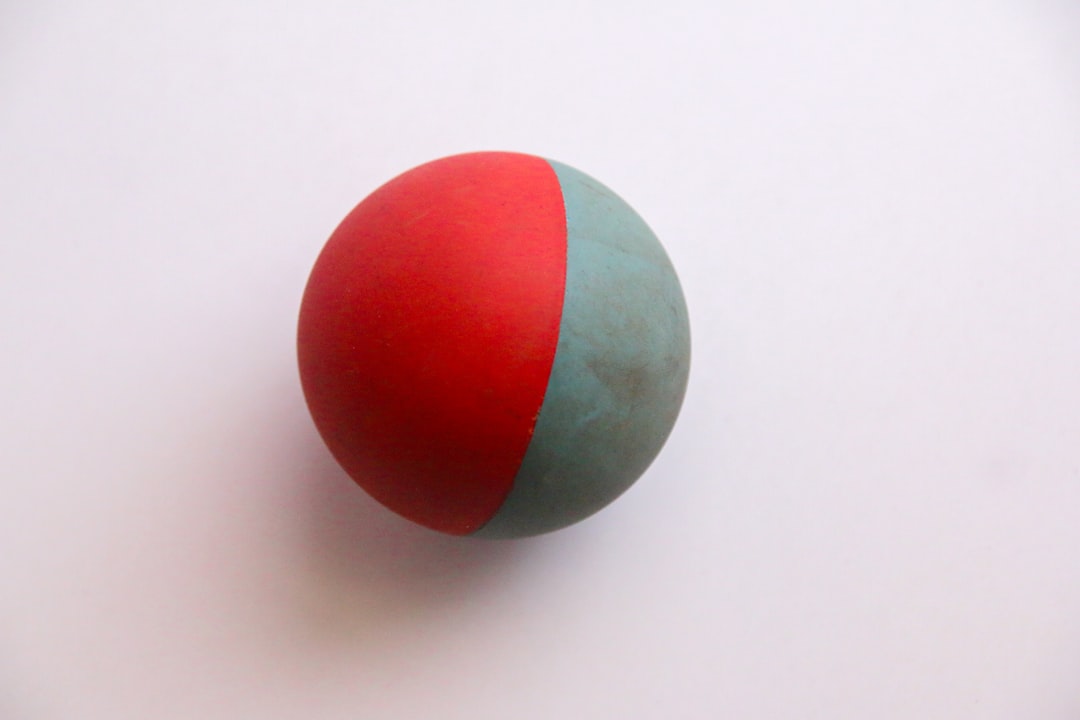
Don’t overlook the zero-battery option, either. A $15 lacrosse-style massage ball pinned between your shoulder blade and the back of your chair does a crude but effective impersonation of deep tissue work. It’s the gateway tool I recommend before anyone spends real money — if you won’t use a free ball, a $300 gun won’t change your habits.
The Sixty-Second Routine That Matters More Than the Gun
Hardware is half the equation; technique is the other half, and most people get it wrong by pressing hard. Here’s the routine my PT signed off on, tuned for desk bodies. Set the gun to its lowest or second speed and float it — let the device’s own weight do the work, no leaning into it. Spend twenty seconds on each upper trap, right where the slope of your neck meets your shoulder, then twenty on each forearm, top side, from wrist to elbow. Total: eighty seconds. The goal isn’t pain; a session that hurts more than it aches means you’re pressing too hard or lingering too long on one spot.

Timing matters too. Two windows pay off disproportionately: mid-afternoon, when the forward-head slump peaks, and evening, when loosening the traps before bed seems to affect how those muscles recover overnight. Pair the evening session with dimming your workspace lighting and you’ve built a wind-down protocol that costs nothing but discipline — the same subtract-don’t-add philosophy I keep arriving at in this column, from screen fatigue fixes to sleep tech that actually works.
What No Massage Gun Can Fix
I need to be blunt about the limits, because this category is full of overstated claims. A massage gun manages symptoms — it does not correct posture, rebuild your core, or substitute for a clinician if you have radiating pain, numbness, or tingling. Those are doctor symptoms, not gadget symptoms, and no amplitude figure changes that. What a gun does is buy back comfortable hours between the bigger structural fixes.
The structural fixes deserve their own budget line. If your workstation locks you into the shape causing the pain, start there: my months-long standing desk testing covered which desks actually get used past week three, and the walking-pad experiment turned my own desk into the single best health upgrade I’ve made. Add a proper monitor height to un-crane the neck, treat the afternoon eye strain that keeps you leaning in, and the massage gun’s job gets dramatically easier. It’s a maintenance tool for a body you’re actively repairing elsewhere.
The Recovery Stack, Ranked by Use
After six weeks, my personal rotation settled into three devices. The Sense handles scheduled maintenance — the guided trap-and-forearm routine three afternoons a week. The Theragun Mini travels. And the surprise nightly companion is the RENPHO Mini Thermal, whose heat function, run gently across the shoulders before bed, has become part of a wind-down ritual that my sleep tracker confirms is doing something right. Recovery data from the smart-ring experiment I ran last year backs the pattern: the nights I loosen up before sleeping are the nights my readiness scores jump.
That’s the honest version of the pitch. You don’t need nine guns — you need one good one, a two-minute habit, and a workstation that stops recreating the problem. Get those three right, and “desk-shaped” stops being a diagnosis and starts being a joke you get to make at your own expense. The knot under my shoulder blade? Gone in week four. My physical therapist gets a follow-up visit, my gadgets get the warranty, and my shoulders get the last laugh.