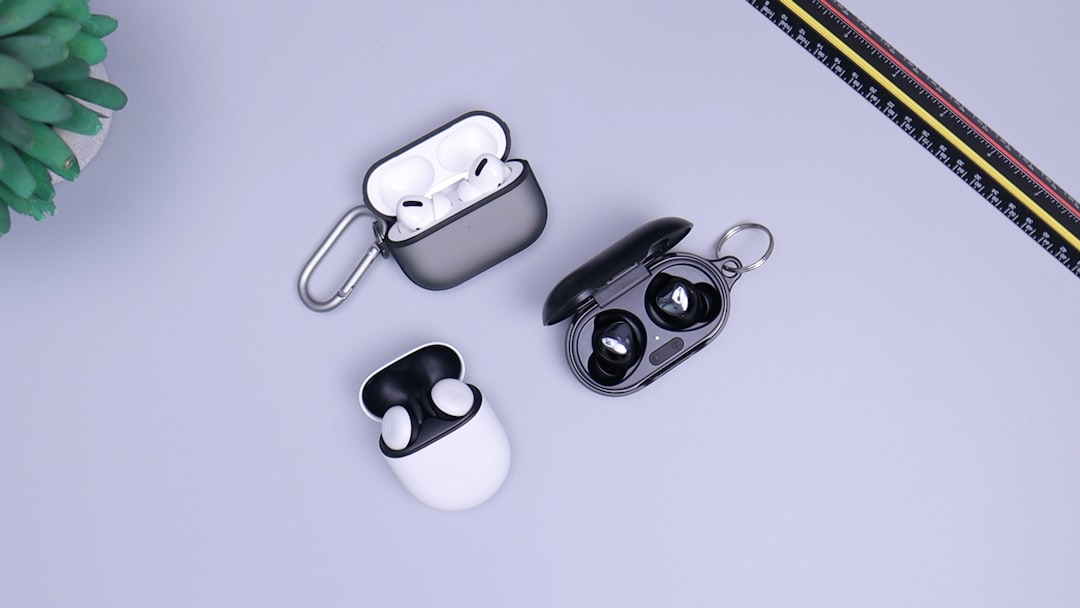
I have a drawer in my workshop that I’ve started calling the earbud graveyard. Inside it: six pairs of true wireless earbuds from the last seven years, every single one of them dead for the same reason. Not blown drivers. Not broken Bluetooth chips. Batteries. Tiny lithium cells that charged three hundred times, quietly lost their appetite, and took a pair of otherwise perfectly functional earphones to the grave with them.
That’s why Sennheiser’s announcement this week stopped me mid-scroll. The Momentum True Wireless 5, which ships September 3 at $299.95, is the first flagship earbud I’ve seen that takes the battery death cycle seriously. The cells in both the earbuds and the charging case are user-replaceable. With a screwdriver. At home. No glue-fight, no heat gun, no iFixit trauma kit required.
My team and I have spent a few days with early hardware ahead of the shipping date, and I’ve been digesting the full spec sheet between listening sessions. Here’s what actually matters about these buds — and what doesn’t.
Why Every Pair of Earbuds You’ve Owned Died the Same Death

Quick chemistry refresher, because it explains the entire product category’s dirty secret. A lithium-ion cell is good for roughly 300 to 500 full charge cycles before its capacity drops meaningfully. Earbud cases live on their charging pads. Commuters top off daily. Two years of that behavior and a pair of buds that once ran seven hours per charge is limping through three, with the case itself wheezing behind it.
The industry’s answer to this has been, bluntly, replacement. Most true wireless earbuds are glued shut so thoroughly that even professional repair shops balk at battery swaps. The cell costs a few dollars; the labor and risk of cracking a housing costs more than the buds are worth. So into the drawer they go, and then into the recycling stream, drivers and antennas and microphones still in working order. Multiply that by the hundreds of millions of pairs sold each year and you have one of consumer tech’s most predictable waste streams.
I wrote last month about how earbuds have quietly become the most interesting AI hardware of 2026. The processing inside them is genuinely impressive now. That’s exactly why letting them die of battery wear has gotten so absurd — we’re throwing away pocket supercomputers over a $4 cell.
What Sennheiser Changed Under the Shell
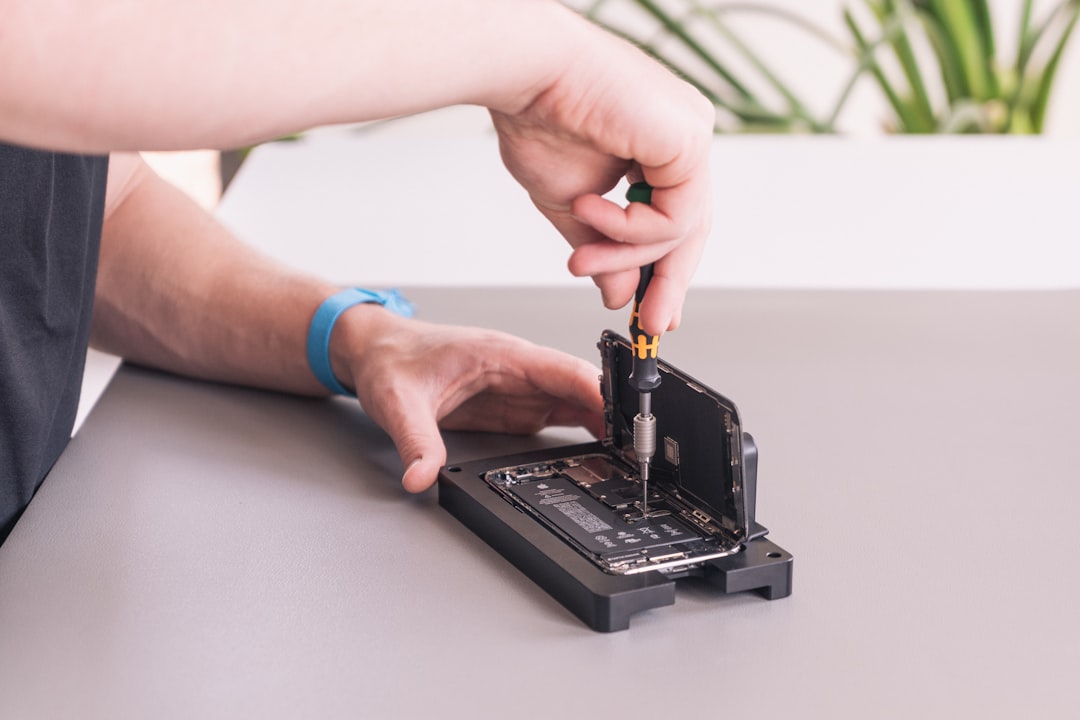
The headline feature of the Momentum True Wireless 5 isn’t a codec or a noise cancellation claim — it’s a serviceability decision. Pop the right access panel and both the buds and the case accept fresh cells. Sennheiser will sell replacement batteries, and judging by the hardware we handled, the swap is designed for normal humans with normal patience rather than repair technicians with magnifying lamps.
This is the part where I’d normally insert skepticism about first-generation repairability promises, and I’ll keep a slot open for it. But the structural story checks out: Sennheiser built the fifth generation knowing that a repairable flagship is the single most differentiating thing it could do in a category where every competitor sells sealed black pebbles. Holding the price at $299.95 — identical to what the Momentum True Wireless 4 launched at — while adding this is the kind of math I like seeing.
There’s a strategic angle too, which I suspect Sennheiser’s product team would admit after a second beer: the EU’s eco-design rules are tightening around user-replaceable batteries. Getting there two years early turns a compliance chore into a marketing win. Whatever the motive, I’ll take it.
Bluetooth 6.0 and the Lossless Question
Under the hood, the TW5 is the first earbud I’ve handled running Bluetooth 6.0, stacked with aptX Adaptive, aptX Lossless, Snapdragon Sound certification, and hi-res playback up to 24-bit/96kHz. The driver itself is the familiar 7mm TrueResponse dynamic unit carried over from the TW4 — and I’m fine with that. That driver was never the weak link; the wireless pipeline in front of it was.
Here’s the honest caveat that most spec-sheet coverage skips: aptX Lossless only does its trick when the source device plays along, which in practice means a recent Android phone with a Snapdragon chip inside. Pair these to an iPhone and you’re on AAC like everyone else. If you’re an iOS household, the AirPods Pro 3 remain the path of least resistance and honestly the better software experience. The TW5’s lossless story is real, but it’s an Android-flavored story.
The signal robustness features matter more day to day than the codec badge. A new selectable “robust mode” is built for RF-crowded spaces — airports, train stations, that one coffee shop where 40 devices fight over 2.4GHz. And there’s now an automatic anti-wind mode that detects gusts and rebalances the noise processing instead of letting wind noise crush your music on blustery platforms. Small feature, disproportionate real-world payoff.
Noise Control That Finally Respects the Wind

Adaptive noise cancellation gets another generational tick upward, and the transparency mode has been reworked to sound more like not wearing earbuds at all — which is the only transparency mode I’ve ever actually wanted. Hearing gate announcements without yanking buds out of your ears sounds trivial until you’ve missed one.
In my early listening, the ANC is competitive but I’m reserving judgment on the pecking order until my shipping unit arrives and I can run it against the current kings. Bose still owns the crown for raw cancellation — I noted the same thing in my look at the refreshed QuietComfort headphones — and the QuietComfort Ultra Earbuds (2nd Gen) remain the in-ear benchmark Sennheiser is chasing. Sony’s WF-1000XM6 is the other obvious cross-shop for silence seekers.
Where Sennheiser historically wins is tonal balance, and nothing here suggests that’s changed. If your priority is music that sounds like music rather than maximally suppressed airplane roar, this is the camp to be in. I’ve written before about building a sound environment for deep work, and a well-tuned pair of buds is the cornerstone of that whole stack.
The Call Test: Six Mics and Two Bone Sensors

Voice pickup is where the TW5 gets genuinely clever. Each bud carries three microphones, backed by two bone-conduction voice sensors that feel your jaw and skull vibrate when you speak. That physical signal is hard to fake — traffic can hammer a microphone, but it can’t vibrate your skull like speech does. An AI processing layer fuses all of it to separate your voice from the café chaos around you.
On my test calls from a busy sidewalk, the difference was noticeable enough that one caller asked if I’d finally fixed my “echoey office.” I hadn’t. I’d just stopped letting a microphone guess which sounds were mine.
Dolby Atmos with head tracking is also aboard for spatial audio, which I consider a nice demo and occasionally a lovely experience with certain records, but not a buying reason. Buying reasons are batteries, call quality, and sound — roughly in that order for most people who don’t want to think about their earbuds again for five years.
Fit Data From Thousands of Ears
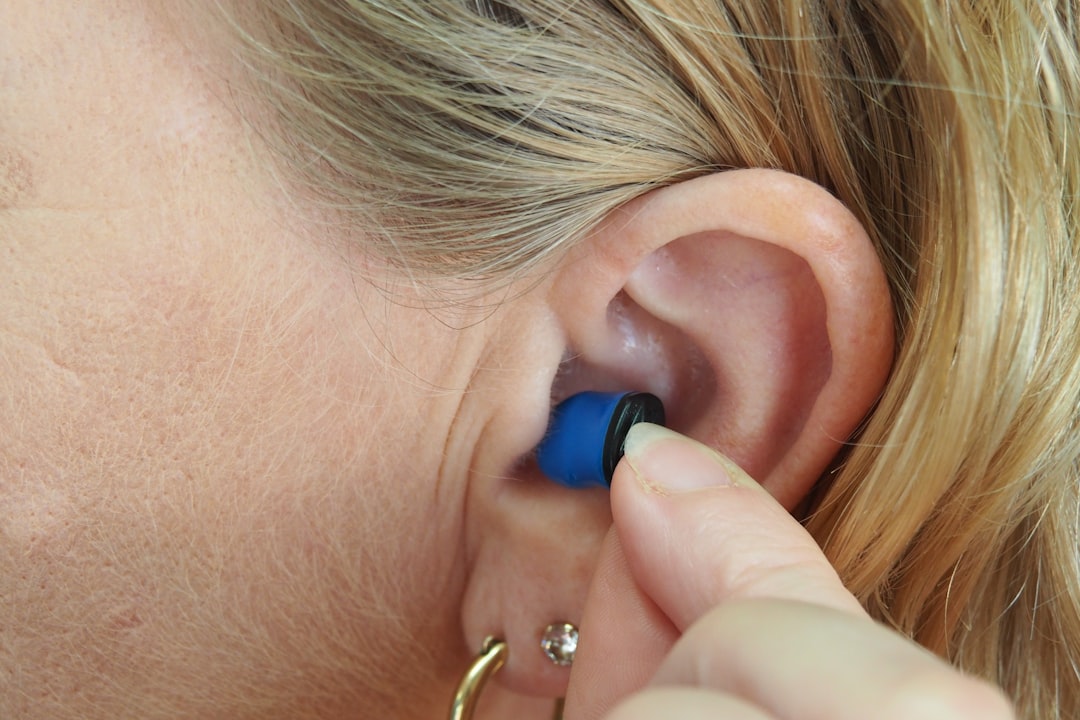
Sennheiser reshaped the buds using scan data from thousands of ears — the new oval silhouette protrudes less and the redesigned nozzle is meant to reduce pressure in the ear canal. My ears are apparently near the statistical middle, because I found them comfortable across long sessions without the fidgeting some barrel-shaped buds cause. Five colorways at launch (Cream, Graphite, Copper, Denim, and Lavender) is a bigger palette than the category norm; the Copper finish is the one that keeps catching eyes around the office.
The case is narrower this generation, which sounds like trivia until you try to wedge it into the infuriatingly small pockets the apparel industry insists on shipping. It fits. That’s a feature now, apparently.
Two accessories worth budgeting alongside any premium buds: a set of memory foam tips sized for Sennheiser’s nozzles, which improve both seal and bass for a trivial sum, and a proper cleaning kit, because wax-logged nozzles quietly assassinate sound quality long before any battery gives up.
Battery Numbers That Actually Matter

Rated run time is 12 hours per charge with 40 hours total including the wireless-charging case. Those are strong numbers for the premium class — comfortably ahead of the AirPods Pro 3, within shouting distance of the endurance champions. An eight-minute quick charge buys back roughly an hour of playback, which covers the “forgot to charge, leaving in ten minutes” scenario that defines real-world battery anxiety.
But the numbers that matter most aren’t on the spec sheet. They’re the ones you’ll be reading in 2029, when a lesser pair would be down 40 percent of its capacity with no recourse. Buy a $15 replacement cell instead of $300 new buds, run them another three years, and the true cost of ownership does something no competitor’s spreadsheet can replicate: it goes down.
Pre-Order, Wait, or Buy Something Else?

If you’re an Android user with a lossless library and any environmental conscience, the Momentum True Wireless 5 is an easy pre-order — this is the most interesting flagship earbud of the fall, and the replaceable-battery gambit changes the ownership math outright. iPhone users should weigh ecosystem gravity honestly toward AirPods before crossing over.
The bargain hunter’s move is different: watch the Momentum True Wireless 4 as retailers clear it out. Same driver, same price tier originally, and it remains a genuinely excellent pair of buds at what should become a discount. And if your budget is closer to $50 than $300, read my eight-way budget ANC test before spending flagship money — though if it’s earbuds specifically you want at that price, the Soundcore Liberty 4 NC punches absurdly far above its sticker.
My full verdict waits for the shipping hardware and a month of commuting abuse, per house rules. But the direction is clear: after a decade of earbuds built to be thrown away, someone finally built one to be kept. I’ve cleared a space in the drawer — the graveyard, specifically — for the day these batteries eventually die. I’m just not expecting to visit it nearly as soon.