
It was 6:10 on a Tuesday morning when the crossover answered my key turn with a single apologetic click. Not the rapid stutter of a dying starter — just one click, the automotive equivalent of a shrug. I had a 7:30 call, a phone at 14 percent, and a trunk containing one ice scraper, a faded umbrella, and what I’m fairly sure was a single gardening glove. That morning cost me a tow-truck fee, the call, and a chunk of my dignity as a man who writes about gadgets for a living.
So I did what I do after every gear failure: I turned it into a project. Over the following weeks, my team and I stress-tested the current crop of emergency car tech — lithium jump starters, cordless tire inflators, LED beacons, battery maintainers — the same way we test anything around here. We drained batteries on purpose. We flattened tires in a parking lot and filmed ourselves fixing them. What follows is the kit that survived the audit and now lives in three vehicles I’m responsible for.

Why a Lithium Brick Replaced My Jumper Cables
Let me settle the jumper cable debate first. Cables still work, and a good set of 4-gauge, 20-foot cables costs about thirty bucks — cheaper than anything with a battery inside it. But cables need a second car, a stranger’s goodwill, and enough daylight to avoid hooking things up backwards. Every winter morning at 6 AM, all three of those are in short supply.
The lithium jump starter is the single highest-value piece of emergency tech you can buy, and the category has matured to the point where the decision is mostly about engine size and climate. Cold cranking amps — the honest number, not the marketing peak figure — is what determines whether a brick can save you at 15°F, when a tired battery may need double the current it wants on a warm afternoon. Lithium cells also lose charge sitting in a hot trunk through a summer; expect to top them off monthly in Arizona, quarterly in Ohio.
The NOCO Boost GB40 is the one most people should buy — 1,000 amps, spark-proof clamps, small enough to live in a door pocket, around a hundred dollars. It has started everything from a Corolla to a 4.6-liter V8 pickup during our testing, and it doubles as a USB power bank, which is exactly what you want when your phone is dying alongside your battery.
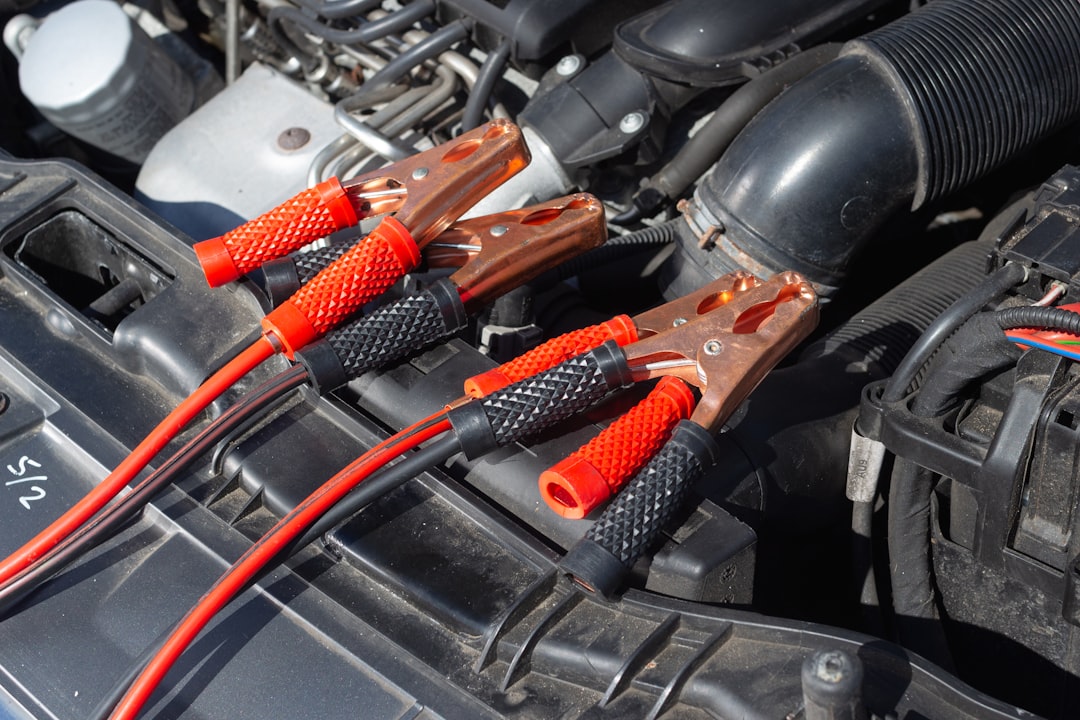
If you tow, drive a big diesel, or live somewhere genuinely cold, step up to the GBX55. Its 1,750 amps will spin a 6-liter diesel without breaking a sweat, and its USB-C fast charging means you can go from empty to rescue-ready in about an hour. For a second car — the kid’s first hatchback, the beach car — the compact GB20 handles four-cylinder duty for under eighty dollars. One warning from our testing: these bricks hate being left at zero charge. Top them up every few months, the same way you’d check a smoke detector.
The Flat Tire Math Nobody Actually Runs
Here’s the scenario that convinced me: a slow leak discovered at 40 percent pressure in a dark parking garage. Driving to a gas station air pump on a half-flat tire ruins the sidewall — that’s a $180 tire turned into a roadside loss. A cordless inflator turns that into a four-minute fix, in place, on your schedule.
The Avid Power 20V cordless inflator is the value pick at roughly forty dollars, and it’s the one riding in my trunk right now. Set the pressure, hit start, and it shuts itself off at the target — no crouching with a gauge in traffic noise. Testers at three different outlets independently landed on it as their budget winner this year, which is about as close to consensus as gear reviewing ever gets.
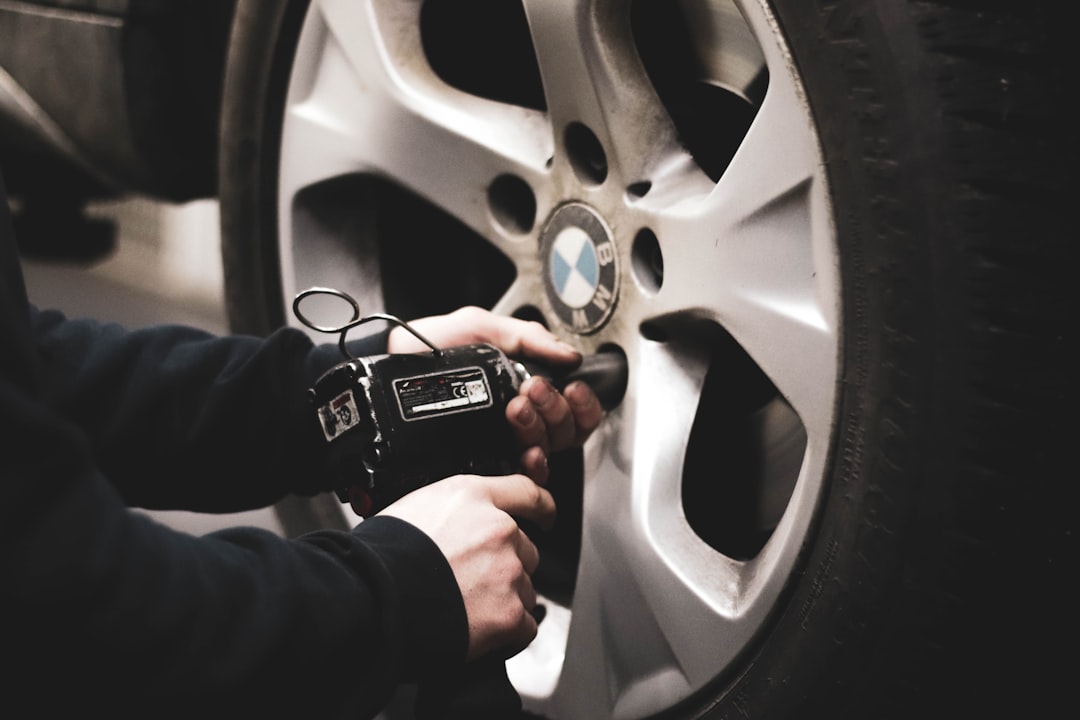
People already inside a tool ecosystem should think differently. The DeWalt 20V inflator runs on the same batteries as your drill, is built like it expects to be dropped, and moves serious air — enough for truck tires and the occasional paddle board. And if you want something that plugs into the car’s 12-volt outlet so it can never have a dead battery of its own, the AstroAI L7 does credible work for about the price of a pizza night. Buy whichever matches how you already use tools; the important part is that one of them is in the car before the tire goes soft.
Being Seen Is Half the Rescue
Every roadside safety course hammers the same statistic: a huge share of roadside fatalities happen not in the original breakdown but in the minutes after it, when a stopped car gets struck by traffic that never saw it. Reflective triangles help, but rechargeable LED beacons are better — visible from a half mile away, magnetic, and immune to the wind that sends triangles skating across the shoulder.
The Ecoangel USB-C rechargeable flares come three to a pack for around twenty-five dollars, stick to the paint or the asphalt, and run for hours on a charge. Mine live under the trunk floor with the inflator. Total deployment time in our practice runs: under ninety seconds for all three, which beat every triangle kit we tried.

A note on where the beacons go: the first one goes behind your car at roughly fifty feet, the second farther back, the third beside the vehicle. The goal is to build a runway of attention that gives approaching drivers time to merge. It feels theatrical the first time you do it. It feels completely rational the first time you watch an SUV swerve around your position at highway speed.
The Twenty-Dollar Tool You Hope to Never Use
The ugliest corner of car-emergency planning is the one nobody likes discussing: getting out of the car when a door won’t open. Post-crash, seatbelts lock and windows stop cooperating, and the tool that solves both problems costs less than a takeout lunch. The resqme keychain 2-pack puts a spring-loaded glass punch and a belt cutter on your keyring, where it will actually be within reach instead of buried in the glovebox you can no longer reach.

We tested the glass punch mechanism on a salvage-yard window, and I’ll spare you the drama: it works, instantly, with almost no force. Keep one on your keys and gift the second to the driver in your house who texts you “almost there.” This is also the part of the kit where I’ll point you toward two things I’ve written before — a dash cam handles the aftermath of the incident, and the CarPlay upgrade in my old Honda means maps, calls, and roadside assistance numbers are hands-free when stress is high.
Keeping the Battery From Dying in the First Place
The best emergency is the one that never happens, and the humble battery maintainer is the most under-appreciated gadget in this whole category. If you own anything that sits — a second car, a project car, a riding mower, a boat — a maintainer pays for itself the first season. The NOCO Genius5 is the standard: it charges, diagnoses, and then float-maintains 6- and 12-volt batteries without ever overcooking them, and it’s sealed against the humidity of a garage that leaks exactly as much as mine does.
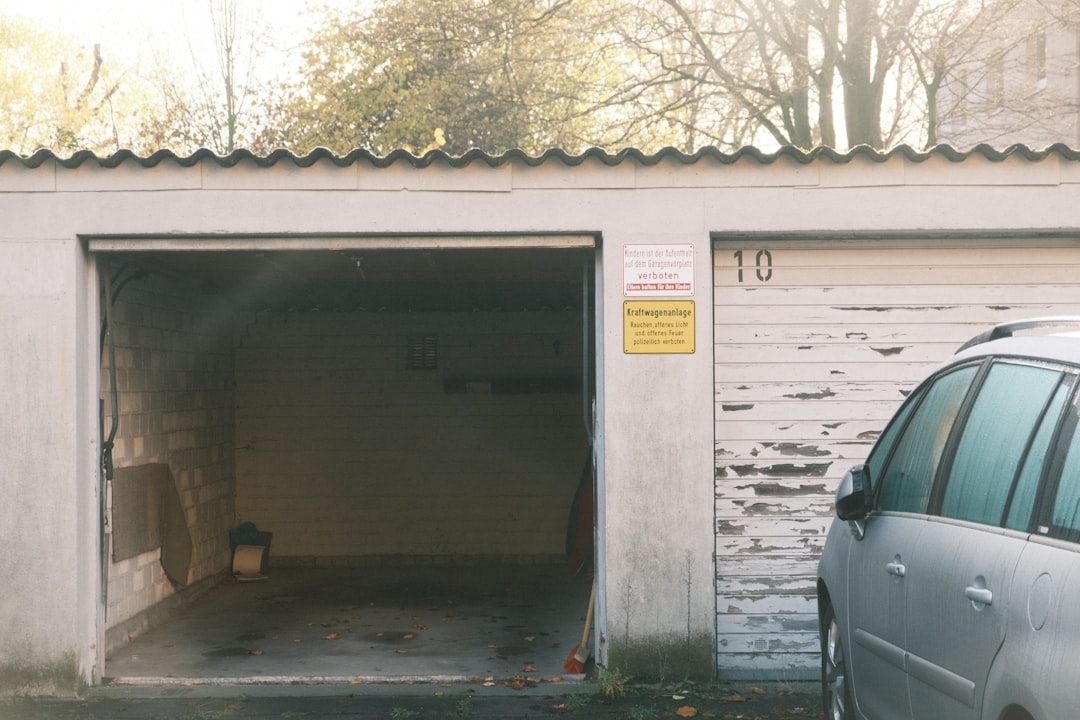
Since installing one on the vehicle that died that Tuesday morning, I’ve had exactly zero no-start events, which is the kind of boring result I’ve learned to get excited about. My colleague runs the ten-amp version on a truck that sits all winter; same story. The maintainer doesn’t replace the jump starter in the trunk — it just means the jump starter stays a backup instead of a routine.
Where Everything Lives
A kit scattered across a trunk is a kit you won’t find in the dark. After two iterations, the answer turned out to be mundane: a collapsible trunk organizer with Velcro strips that grip the carpet. The HOTOR organizer runs about twenty-five dollars, folds flat when I need the trunk for groceries, and holds everything in labeled positions — jump starter up front, inflator and beacons in the middle, first aid and tools in the rear compartment.
The discipline matters more than the bag. When something gets used, it goes back to its slot the same day, because the entire value of emergency gear is that it’s where muscle memory says it is. My team mocks my labeled compartments. My team has also never had to dig through a trunk at night in the rain.
The organizer is also where the analog essentials live, because no amount of lithium solves a scraped knuckle or a dead phone. Beyond the electronics, the rear compartment holds a compact first aid kit, a headlamp with fresh batteries, work gloves, a rain poncho, a bottle of water, and a protein bar — the unglamorous layer that makes every other gadget easier to use. The headlamp in particular earns its spot constantly: jump-starting a car or threading a valve stem by phone flashlight is exactly as miserable as it sounds.
The Priced-Out Kit and the Point of It All
For the curious, the full load-out — GB40-class jump starter, cordless inflator, three-pack of beacons, escape tools, maintainer in the garage, organizer to contain it — lands somewhere between $230 and $280 depending on sales, less than a single tow-truck call and one missed morning. Skimp versions exist: cables, a 12-volt inflator, and beacons get you functional for around $85.

I think about that Tuesday differently now. The dead battery wasn’t really the failure — batteries die; that’s their whole personality. The failure was the trunk: gear that existed in my head but not in the car. Emergency tech is unusual among gadgets because its job is to be forgotten, quietly holding a charge in the dark, worthless right up until the moment it is suddenly worth everything. Do the audit before the car does it for you. And if a road trip is what’s on your calendar instead, the same philosophy applies — my travel tech packing list covers the carry-on side of preparedness.