
The default gift in this house used to be another screen. A hand-me-down tablet, a “kids” tablet that was just an ad-loaded Android with a rubber bumper, a streaming stick nobody asked for. By February the thing was facedown on a couch cushion and the kid was bored of the same three apps. The team started keeping a February test for holiday tech: if it is still out of the box after the new year, it earned the wrap. Tablets fail that test more often than the box art admits. The stack below is what we wrap instead when the child already has a screen and does not need a second one feeding them.
This is not an anti-technology lecture. I like gadgets. I also like gifts that teach a hand skill, a listening habit, or a way of looking that a tablet cannot fake. Audio with a hard volume cap. A camera that spends paper. A microscope that survives January. Tiles and snap-together circuits that work with the Wi-Fi off. A radio you can hand to a sibling without creating an account. None of these replace a parent. They do replace the panic buy of another glowing rectangle.
The February test, before the cart
We score a kids gift on four questions, and we do it before anyone gets sentimental in a store aisle. Does it work with the tablet already in a drawer? Does it have an ongoing cost the giver will resent in March? Does the age on the box match the child, or the child the marketing department invented? And will a tired adult still set it up on December 26 without downloading three apps?
That last one eliminates more products than price does. A printer that only prints through a phone app is a tablet accessory wearing a camera costume. A microscope that only works if you install a Windows driver on a laptop the kid is not allowed to touch is a desk ornament. A headphone with a volume cap you can defeat by holding two buttons is not a volume cap. The gifts that pass are boring in the best way: they turn on, they do one job, and they do not ask for a login.
Price bands matter more than a single sale price, because holiday stickers move. Volume-limited kids headphones generally live in the $25 to $50 band. Instant-print cameras for small hands sit around $40 to $80 before you count paper or film. A digital microscope that is not a toy lens runs $40 to $90. A magnetic-tile starter set is $30 to $80 depending on whether you buy the premium clear tiles or the value set that actually gets used. I am not quoting a midnight price. I am quoting the band we shop inside so a coupon does not talk us into the wrong class of product.
Headphones are a volume-cap problem, not a brand problem
Kids Bluetooth headphones are a huge category for a reason, and most of the reason is hearing, not fashion. The number that matters is the cap, not the cartoon on the ear cup. Look for a hard limit around 85 dB, the level hearing guidance treats as a long-session ceiling, with some sets offering a parent switch up to about 94 dB for noisier rooms. If the listing brags about bass and never mentions a cap, put it back. Adult headphones turned down “a little” are not the same thing. Kids crank them. The cap has to be in the hardware.

In that band, the iClever class of volume-limited kids headphones is the one we reach for first. Share jack or share mode matters if two kids are on a car trip and you refuse to pack two pairs. A fold-flat hinge matters because these live in backpacks, not on a stand. Battery life claims in the 30-hour range are common and usually close enough. What fails in February is the pair with a fabric headband that smells like a gym sock and a microphone so muffled that a school call is useless. Over-ear, not on-ear. Padding you can wipe. A cable in the box for the day Bluetooth acts up on a school Chromebook.
The budget fork is the 85 dB kids Bluetooth headphone that does not pretend to be a studio monitor. Same rules: cap in hardware, over-ear seal, no app required to set the limit. If a set needs a phone app to enable the safe volume, it has already failed the December 26 test. An adult in the house should be able to confirm the cap with a glance at a switch, not a settings menu.
Skip anything marketed as a gaming headset for ages six and up with RGB and no decibel number. That is a toy wearing adult copy. And skip bone-conduction “open ear” sets for young kids. Those are a different product, built for people who need to hear traffic, and the volume story is messier. For focus, homework audio, and the car, a capped over-ear is the gift. It also gives a child a way to listen to an audiobook without the tablet’s notification tray sitting an inch from their face.
A camera that spends paper
The camera gift splits by age, and pretending it does not is how you end up with a $15 toy that prints smears. Under about eight, an inkless instant camera built for small hands beats a “real” instant camera. The myFirst Camera Insta 2 is the one that keeps showing up in that slot: simple controls, prints without a phone, and a picture quality that is good enough for a fridge and honest about not being a photographer’s tool. Treat the paper rolls as part of the gift. A camera with no paper is a brick by New Year’s.
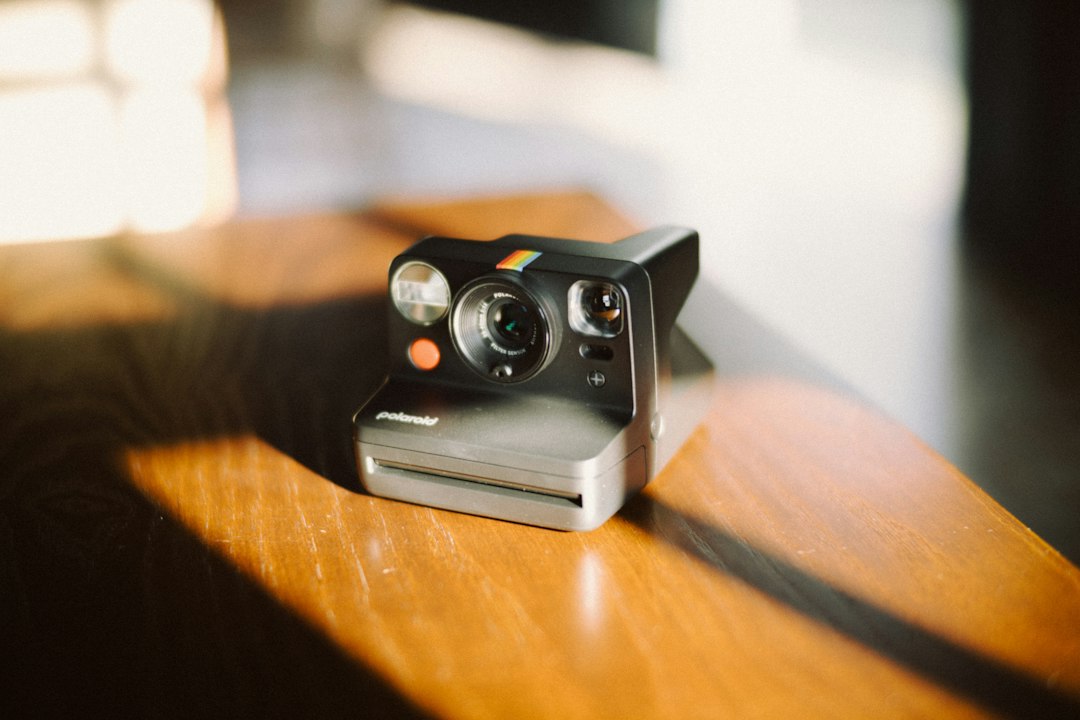
From about eight up, I would rather hand over a Fujifilm Instax Mini 12 and a discipline problem. The Mini 13’s main addition is a selfie timer. If that is not the feature this child needs, the Mini 12 is the camera, and it is the one used photographers still point parents toward when the kid wants prints that look like photographs instead of receipt paper. Instax Mini frames are small. That is a feature. Each shot costs money, so the child learns to look before they press the button. That is the opposite of a camera roll with 40,000 photos nobody prints.
Buy the film in the same order. A twin pack of Instax Mini film is the real price of this gift, and it is also the refill you will be asked for in January if the camera passed the test. Do not hide that cost. A giver who thinks the camera is a one-time $70 purchase will be annoyed the first time the kid wants to shoot a birthday. Tell them. Twenty frames is a weekend, not a year.
What I will not wrap: a kids camera whose only print path is a companion app. That routes every picture back through the phone you were trying to get out of their hands. It also dies the week the app loses support. Thermal toy printers are fine for the under-eight set if the child can print from the camera itself. The moment the phone is required, you bought a peripheral.
The microscope that still has a job in March
A toy microscope with “1200x” molded into the plastic is a paperweight. The magnification number on the box is a marketing ceiling, not a useful working range, and the plastic lens goes soft the moment you ask it to show a circuit trace or a leaf vein. The class worth gifting is a digital microscope in that $40 to $90 band, and the fork is whether it has its own screen.

If the only computer in the house is a work laptop, buy a handheld digital microscope with its own screen and LED ring. The child can take it to the porch, a coin, a stamp, a bug that has already been invited inside on a leaf. No driver. No “ask dad to plug in the USB.” That independence is why these outlast the USB-only scopes in a family that is not running a maker bench.
If there is a shared family computer the kid is allowed to use, a USB digital microscope on a stand is the better picture, and it is the one that later earns a spot next to a soldering iron. Stands matter more than the advertised zoom. A handheld you cannot brace will never show you a stable image, no matter what the box promises. For a first gift, the screen-on-device model wins. For a twelve-year-old who already takes things apart, the USB stand wins.
This is the cheap end of a habit this site already covers at the adult end. The phone thermal camera is what I hand an adult who wants to see what eyes miss. A kid does not need thermal. They need a stable, lit, close look at something real, and then a reason to go find another something. Coins, fabric, a printed circuit from a dead toy, pond water in a jar you are willing to throw away. If they get obsessed, the next gift is not another microscope. It is the smart telescope I wrote up earlier this month, once they are old enough to care about the sky after dark and you are old enough to accept that you will be the one carrying it outside.
Tiles and snap circuits, with the Wi-Fi off
Magnetic building tiles are the STEM gift that does not require a speech about STEM. A 32-piece starter is the size that fits in a gift bag and still builds a house with a roof. The premium clear sets look better in photos. The value sets get built more often because nobody is afraid of the price of a lost tile under the couch. Either way, buy a set with a storage bin. Loose tiles on a playroom floor are how this gift gets banned by the person who vacuums.
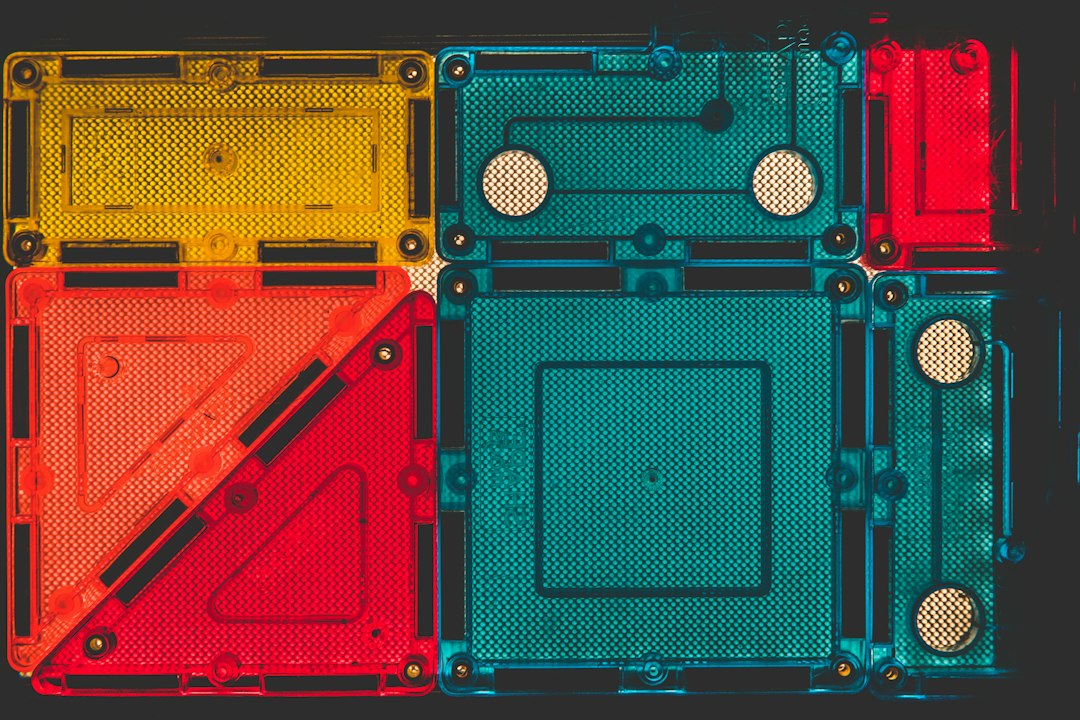
Start with a 32-piece magnetic building tile set unless you already know this child builds for hours. A 100-piece set is the February upgrade, not the first wrap, and it is wasted on a kid who would rather draw. One safety line, because it is the line that matters: these are not for children who still mouth small parts. Strong magnets and toddlers are a hospital trip, not a learning moment. If the recipient is under three, this is the wrong gift. Full stop.
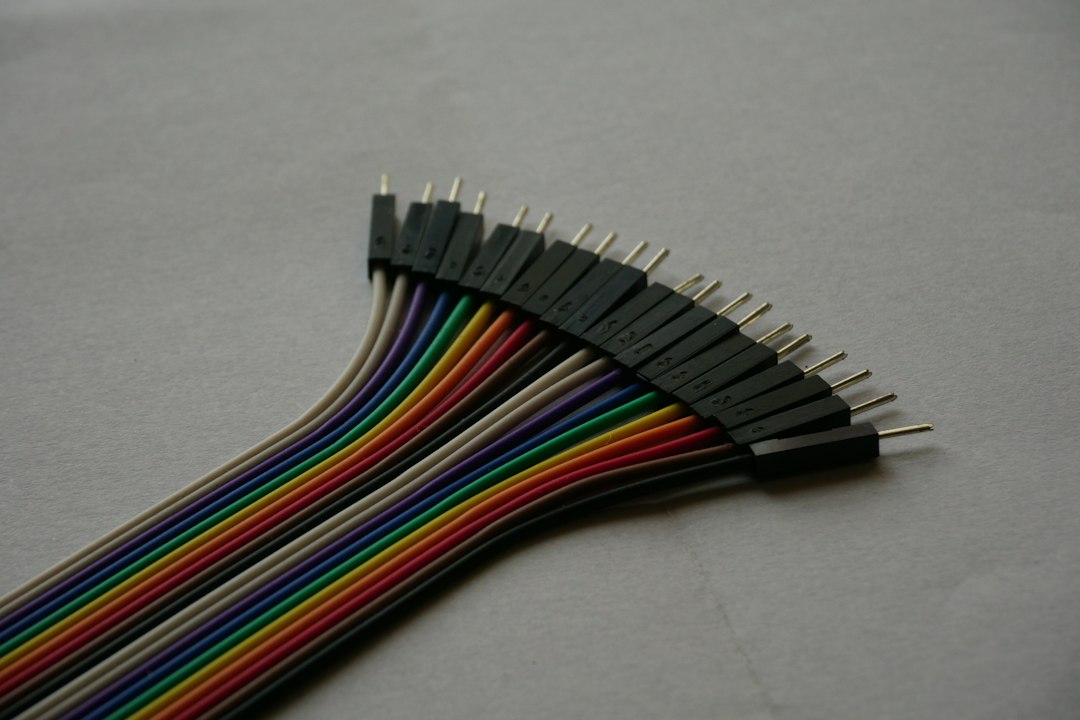
When they are old enough to follow a diagram, Snap Circuits Junior is the electronics kit I trust in a living room. Color-coded modules, no soldering iron, a closed circuit you can see. The first project should be done with an adult in the room, mostly so the instructions get read once. After that, the kit does not need you, and it does not need an account. That is rare. Junior is the right size for a first kit. The bigger Snap Circuits sets are a second Christmas, after you know the modules are not going to live in a junk drawer. Jumper wires and a breadboard are the year after that, once the color codes have stopped being the point.
I do not wrap a coding robot in the same pile unless the child has already asked for one. A lot of them are a tablet with wheels. If the pitch is “download the app to make it move,” you are back at the screen you were trying to leave in the drawer. Physical builds first. Robots later, and only the ones that still do something when the phone is in another room.
A radio, and a player that uses cards
Two more gifts pass the February test often enough to keep in the rotation, and they solve different problems.
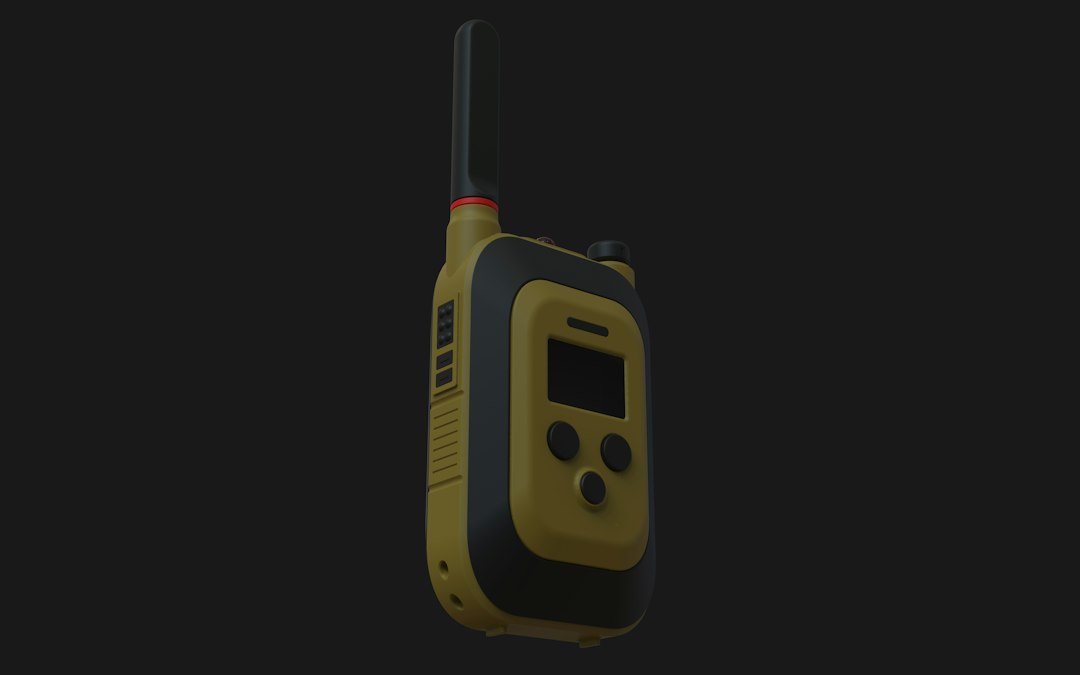
Rechargeable kids walkie talkies are for yards, camping, and the boring half of a road trip where two siblings need a job that is not poking each other. Range numbers on the box are open-field fiction. Expect a house or two in a suburb, not the miles printed next to a cartoon ranger. License-free FRS is what you want, rechargeable batteries instead of a AA tax, and a volume that an adult can cap. They are not a phone. They are a way to be outside and still talk. For an older kid who wants something that actually flies, I would send you to the sub-250-gram drone guide instead of a toy quadcopter that cannot hold altitude. Walkies are the younger, cheaper, less regulated version of “go outside and do a thing.”
The other one is a screen-free audio player. A Yoto Mini uses physical cards. No ads, no feed, no “recommended for you” tray. You put a card in, a story or an album plays, and the glowing display is a pixel face, not a video. Cards are an ongoing cost, the same way Instax film is an ongoing cost. Say that out loud when you give it. The Mini is the travel size. A Toniebox, which uses figurines instead of cards, skews younger and lives on a shelf. I link the Mini because it still makes sense at eight or nine, which is exactly the age when a tablet starts winning every evening by default.

Headphones plus a card player is the focus stack. Camera plus film is the looking stack. Microscope plus tiles is the building stack. You do not need all of them in one year. You need one that matches the child in front of you, plus the refill that keeps it alive past the wrapping paper.
What I leave on the shelf
Another tablet, including the ones with a kids mode that is mostly a subscription pitch. A smartwatch with its own app store for a child who cannot tell time on a wall clock yet. Any “learning laptop” that is a locked Android with a keyboard sticker. Toy drones under twenty dollars. Headphones without a published decibel cap. Microscopes whose only spec is a multiplication sign. Cameras that print only through a phone.
I also leave the giant tile set, the 200-in-1 electronics lab with a soldering iron, and the “family” instant camera that needs a firmware update before Christmas morning. Ambition is how good gifts become returns. The February test is humble on purpose. One job. No login. A refill you can name. If it is still on the table when the decorations come down, you bought tech. If it is in a drawer under a charging cable, you bought a screen’s understudy, and the screen already won.
Wrap one thing from this stack. Put the tablet in a drawer for the afternoon you give it. That afternoon is the whole point.