There is a zippered binder in my closet that has survived four moves, two format funerals, and one very confident declaration in 2014 that I would “never need optical media again.” Three hundred discs, most of them bought used for pocket change, sitting quietly through the entire streaming era while I paid a monthly bill to rent music I already owned. Last month I finally unzipped it, and I wish I could tell you it was nostalgia. It wasn’t. It was the sales charts.
Here’s the headline that got me: compact discs generated $171 million in the first half of 2026, and for the first time in a decade, the format’s growth outpaced vinyl’s. Records rose a modest 2.4 percent while 16.3 million CDs walked out of American stores. Luminate’s survey work found that 34 percent of Gen Z bought a CD in the past twelve months, up from 22 percent in 2023 — these are people who largely never owned a Discman, buying shiny plastic on purpose. The joke format stopped being a joke, and nobody at the streaming party noticed.
So I did what I do: my team and I rebuilt a disc rig from scratch at three price points, crate-dug our way through every secondhand source within an hour of the office, and lived with the results for a few weeks. This is the honest account — what’s worth buying, what the discs cost now, and whether any of this makes sense or it’s just middle-aged cosplaying. Spoiler: the math is better than you think.
The Numbers Stopped Being a Punchline
For twenty years, the CD was tech’s favorite punchline — the coaster, the debt-ridden tower in the dorm room, the thing your car stereo ate. Then three things happened at once. Streaming prices climbed again, with every major service nudging subscriptions toward the $14-and-up bracket. Licensing purges kept quietly deleting albums from catalogs — search any “removed from streaming” thread and watch people discover their favorite record now exists only as a used disc. And a generation that grew up owning nothing tangible started buying things that don’t require a login.
The average Gen Z CD buyer spent $47.80 on physical music in 2025, up 28 percent year over year. That’s not a vinyl-class splurge — it’s sticker-money economics, which is exactly the point. A used CD is the cheapest way on Earth to own an album outright. Two dollars at a thrift store buys you the same 16-bit master that audiophiles paid $30 to get on 180-gram vinyl, in a format that fits in a shoebox and doesn’t warp in a hot car.
My colleague on the testing bench put it flatly after our first weekend of digging: “This is the cord-cutting story again, but for music.” She’s right, and if you watched me build a football-season setup around an antenna instead of a cable bill, you already know how this movie ends — the thing you own beats the thing you rent.
Ownership Is the Feature Nobody Ships Anymore
Streaming is a phenomenal deal right up until it isn’t. The catalog you pay for is a rental agreement with a landlord who can evict songs at license expiry, remaster your favorite album out from under you, or move your queue behind a “Premium Plus” paywall. None of this is hypothetical anymore. Ask anyone whose favorite live album vanished mid-playlist.
A disc inverts the whole relationship. You buy it once, it plays forever, and no server sunset can touch it. The jewel case comes with artwork you can actually read and liner notes that don’t require pinch-to-zoom. There’s a reason the format Gen Z never grew up with is the one they’re adopting on purpose — ownership turned out to be the feature the subscription era quietly deleted, the same instinct that fueled my escape from ink subscriptions and voice assistants that demand dues.
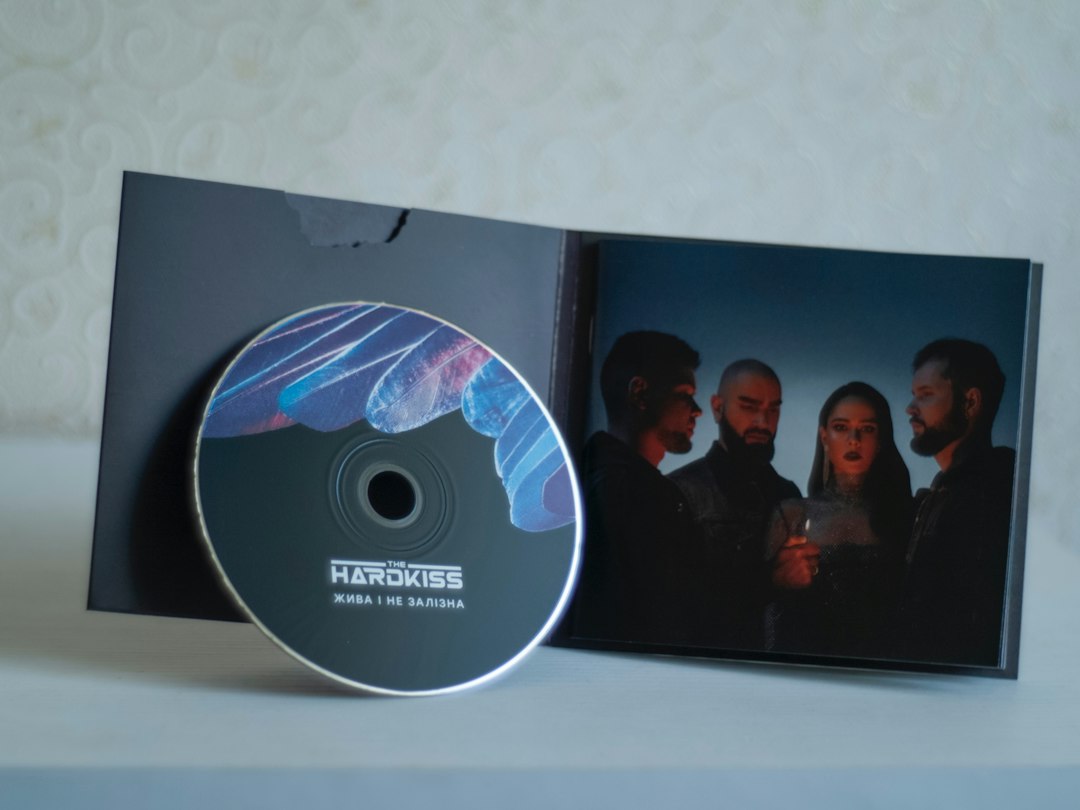
The economics are almost comical. Library sales here price discs at a dollar or two; thrift stores run three for five bucks; even new releases still ship on CD for twelve to sixteen dollars because labels never stopped pressing them. Vinyl’s comeback priced a lot of people out. The disc’s comeback costs less than lunch.
The Audio Argument Holds Up (With an Asterisk)
Let’s be precise, because this is where CD revivalists get sloppy. A CD carries uncompressed 16-bit/44.1 kHz PCM — 1,411 kilobits per second of raw audio. Default streaming tiers run 256 to 320 kbps lossy compression, which discards data your ears are mostly supposed to ignore. Mostly.
The asterisk: premium streaming tiers now stream lossless too, and bits are bits — a lossless stream of the same master is audibly identical to the disc. What the CD actually guarantees is the master. You own that specific mix, at full resolution, with no re-encode roulette, no loudness-war “remaster” swapped in years later, and no Bluetooth codec squeezing the last mile if you play it through a real system. Play a disc through a proper player’s analog output and the chain from plastic to speaker is uncompressed, end to end.
So no, the disc isn’t magic. It’s a guarantee — the only consumer audio format where nobody can change the file after you buy it. In 2026, that’s a rarer feature than any audiophile spec.
Three Doors Back Into the Disc
The Cheap Door: Portables and Boomboxes
You can re-enter this format for under fifty dollars. Modern portable CD players with anti-skip memory run about $40 and do the Discman thing with a rechargeable battery and Bluetooth transmitter built in. The anti-skip buffers that were cutting-edge in 1998 now hold minutes of audio, which means the format’s one historical weakness — skipping when you moved — is simply gone.
The other cheap door is a boombox with a CD deck and Bluetooth, which is what actually ended up on my workbench shelf. It plays the binder, it streams from the phone when guests bring their own music, and it fills a garage better than anything else at the price. My tester lived through two weeks of sawdust and solvents without complaint.
The Middle Door: Shelf Systems and Changers
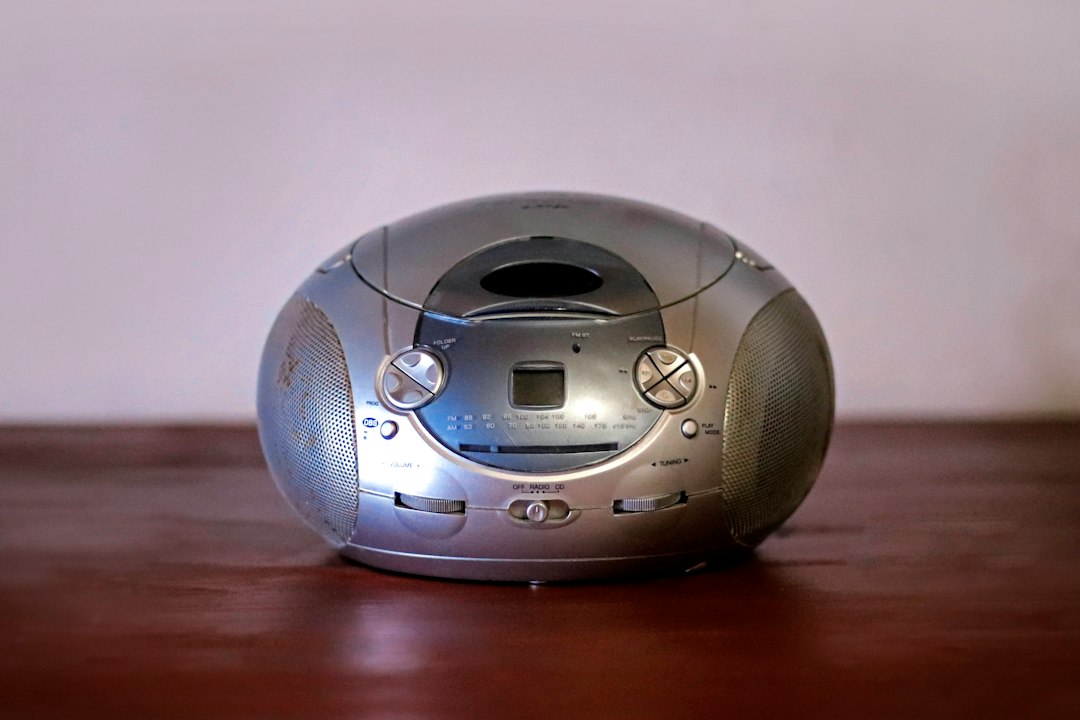
The step up is furniture. A proper shelf system with a CD player gives you speakers, radio, and remote for the kitchen or office, and the disc deck stops being a novelty and starts being an appliance. This is the tier I’d hand someone who wants music in a workshop or a kid’s room without putting a phone in the equation.
The sleeper pick of the whole test, though, is the five-disc carousel changer. Load five albums, hit shuffle, and the thing becomes a dinner-party jukebox — the exact behavior we all abandoned when playlists went digital, except now it’s physical and weirdly delightful. Ours has been running a rotation of thrift-store finds since it arrived, and the team fights over what goes in slot five.
The Hi-Fi Door: A Real Transport
If you already own an amplifier, this is the door that matters. A dedicated player like the Marantz CD60 is a serious transport with a proper DAC and analog output stage — it plugs into any receiver’s line inputs and turns the binder into a legitimate source. Run it through a decent pair of RCA interconnects and into the Yamaha R200A I wrote about last week, and you have a system that would have cost four figures in the nineties and embarrasses plenty of streaming rigs now.
On the personal-listening side, a wired front end completes the rebellion — my Sony MDR-7506 pair has outlived every wireless headphone I’ve owned, and plugging it into a player’s headphone jack is the full-circle moment this whole exercise was building toward.
Where the Discs Actually Come From
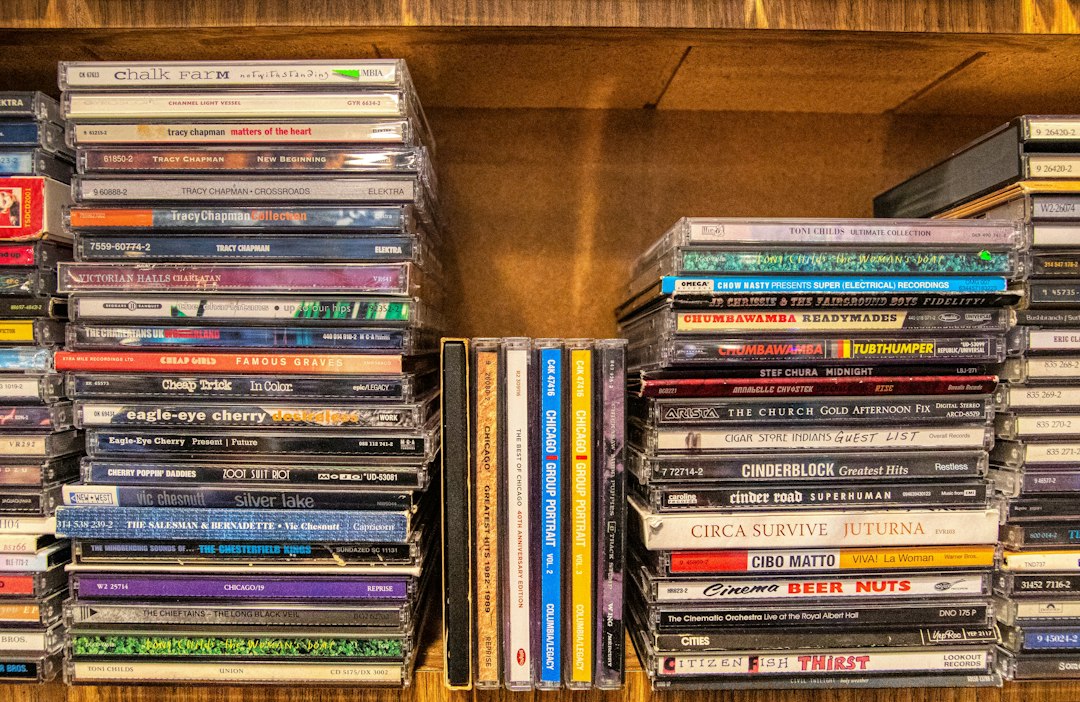
The gear is the easy part; the hunting is the hobby. Thrift stores are the volume play — a dollar or two per disc, quality lottery included. Library sales are the cheat code: our team walked out of one October sale with forty albums for under sixty dollars, including pressings that go for twenty-plus online. Discogs and eBay handle the specific-want cases, and new releases are still pressed in quantity — big-box stores and record shops both stock them.
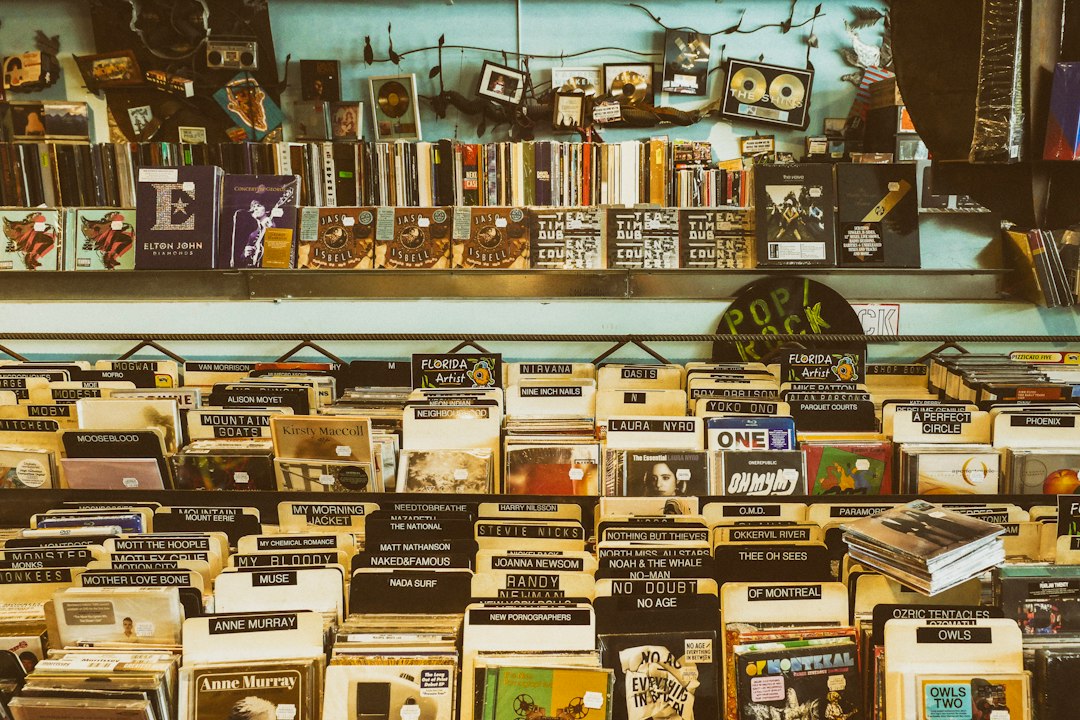
One warning from the trenches: once you start flipping through dollar bins, you will develop opinions about early-nineties mastering and digipak packaging. There is no cure. The binder wins in the end.
Rip Once, Own Forever
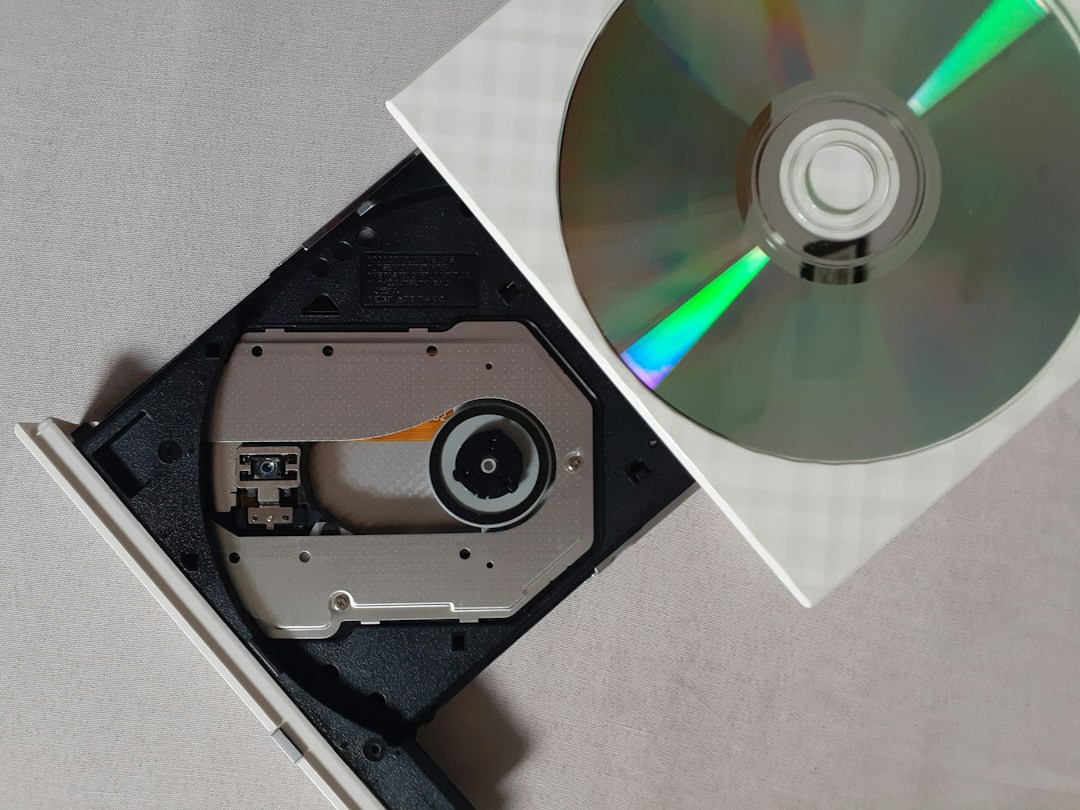
The disc and the stream don’t have to be enemies. Rip your collection to lossless files and the physical media becomes archival backup while your phone gets the convenience — a private streaming service with one user, zero ads, and no price increases. A $30 external USB drive does the ripping on any modern laptop, and exact-copy rippers make bit-perfect FLAC files a one-evening project.
The math stays friendly even in 2026’s storage squeeze. Three hundred albums rip to roughly a hundred gigabytes of FLAC — meaningful, but music is still the cheap tenant on any drive, as I learned the hard way when I re-priced my whole storage plan. The disc you own twice, in other words: once on the shelf, once on the server, and nobody can revoke either copy.
Keeping a Collection Alive
Discs are durable, not immortal. The two failure modes are scratches on the data side and a dusty lens in the player, and both are cheap to prevent. A storage binder trades jewel cases for density — three hundred discs in the space of fourteen boxes — just keep the booklets, because future-you will want the artwork. Run a lens-cleaning disc through the player every few months, especially workshop units breathing sawdust.
For the casualties: scratch repair kits genuinely work on light radial scuffs, though a deep gouge is a eulogy. Handle discs by the edges, wipe center-out, never in circles, and the collection outlives the player you bought to revive it.
The Ritual Is the Point
Here’s what the sales charts can’t capture, and what I didn’t expect to defend: the ritual. You pick a disc, you commit to it, and for fifty-some minutes there is no skip button and no algorithm watching. It’s the same rebellion as the wired earbuds sitting on my desk right now — friction deliberately chosen over infinite choice, because infinite choice turned out to be its own kind of exhausting.

Streaming still lives in this house, and it should live in yours — nothing else puts a hundred thousand albums in your pocket for the price of a burrito. But the disc does something the subscription structurally cannot: it ends. One album, one sitting, owned outright, playing at full resolution through gear that will still work in twenty years without a single server’s permission. Sixteen million buyers figured that out this year. The binder in my closet is officially out of retirement, and slot five in the carousel is currently held by a two-dollar thrift-store find that hasn’t left rotation in three weeks. That’s the whole comeback, right there.