I did something embarrassing last week: I priced a 2TB NVMe drive I’ve been recommending for two years and briefly assumed the retailer had been hacked. The kit that sat at $99 through most of 2023 now carries a sticker north of $350. My first instinct was to wait it out. Then a member of my testing team pulled the price trackers, and the line on that chart doesn’t bend down anywhere — it climbs steadily from the 2023 trough to a plateau that has held since early this year. This isn’t a glitch. It’s the new floor, and it’s worth understanding before you buy a single terabyte this fall.

Regular readers watched me walk through the laptop side of this mess when memory prices first went vertical — the piece on reviving old laptops instead of overpaying for new ones was born from exactly that math. But RAM was act one. Storage is act two, and it’s arguably worse, because this time the shortage is eating flash and spinning drives at the same time.
How the Datacenters Ate Your Drive Shelf
The short version of what happened: AI happened. Every hyperscaler on the planet is building storage as fast as fabs can bake it, and NAND flash — the silicon inside every SSD — is being pulled toward enterprise buyers who’ll pay whatever the invoice says. Component analysts at Fusion Worldwide put the overall NAND shortage at roughly 7 to 8 percent of demand, and their projections have it persisting through the rest of 2026 and into the third quarter of 2027. Samsung told investors in its Q2 report that DRAM and NAND inventories are “significantly low,” which is corporate-speak for the warehouses are bare. Drive makers have described themselves to trade press as essentially sold out.
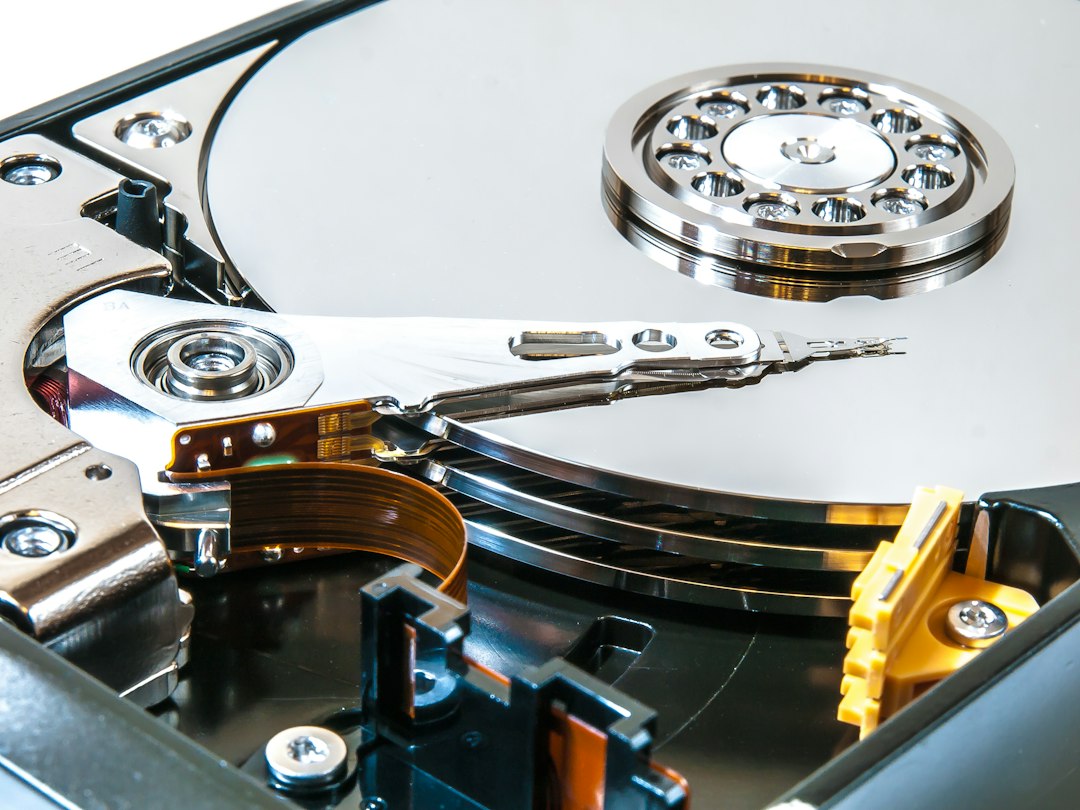
When suppliers can’t smooth out demand from stock, retail is the shock absorber that takes the hit. The drives that do reach Amazon and Best Buy arrive at prices that reflect what a datacenter would pay, not what a weekend PC builder wants to pay. And it’s not just flash: the same datacenter building spree drained hard drive supply first, which is why an 8TB NAS drive now costs what a 12TB did a couple of years ago. The whole storage pyramid got repriced from the bottom up.

The Math That Made Me Relearn Arithmetic
Price trackers tell this story more cleanly than I can. A typical 2TB NVMe SSD that cost about $100 in June 2023 averaged around $354 in September 2026 — a 254 percent increase. On a per-terabyte basis, mainstream Gen4 drives bottomed near $38 per TB in 2023 and have sat at $75 to $76 per TB since early this year. The cheap end of 1TB NVMe now starts around $150; a Samsung 990 Pro 1TB, which launched at $179, has been spotted at $389. And it mirrors what happened to RAM: a 32GB DDR5 kit that ran $100 to $200 in late 2025 crossed $400 as of late September.
Here’s the part that matters for your wallet: big drives are climbing fastest per gigabyte, because 4TB and 8TB drives eat the most NAND. The market is actively punishing anyone who buys capacity. Which produces a genuinely weird buying environment — the strategy that saves money now is the opposite of the one that saved money in 2023.
Buy, Wait, or Shrug: The Framework I Actually Use
After twenty-five years of buying gear through shortages, crypto winters, and pandemic panics, I’ve boiled my decision down to three questions. One: is a drive failing or full *today*? If yes, buy — there is no relief valve in 2026, and waiting costs you more each month. Two: will I fill this capacity within twelve months? If yes, buying early is hedging, not hoarding, because the same terabyte costs more later. Three: can I substitute? If your workload fits on a spare drive you already own, or shifts to a NAS you already run, do that and sit this cycle out.
What I don’t recommend is panic-buying capacity you’ll never touch. That’s how we ended up with a nation of garages full of 2020 toilet paper. Buy the terabytes you’ll use, not the terabytes that make you feel safe.
The Internal Drives I’d Actually Buy This Fall
For most people, the smart play is a 4TB drive bought once instead of a 2TB bought twice — capacity math being what it is, the 4TB Samsung 990 EVO Plus at roughly the price of two smaller drives is the move I made in my own build. It’s not the fastest stick on the bench, but PCIe 4.0 x4 with 7,250 MB/s reads is more than any normal human saturates, and TLC endurance that’ll outlive the machine around it.
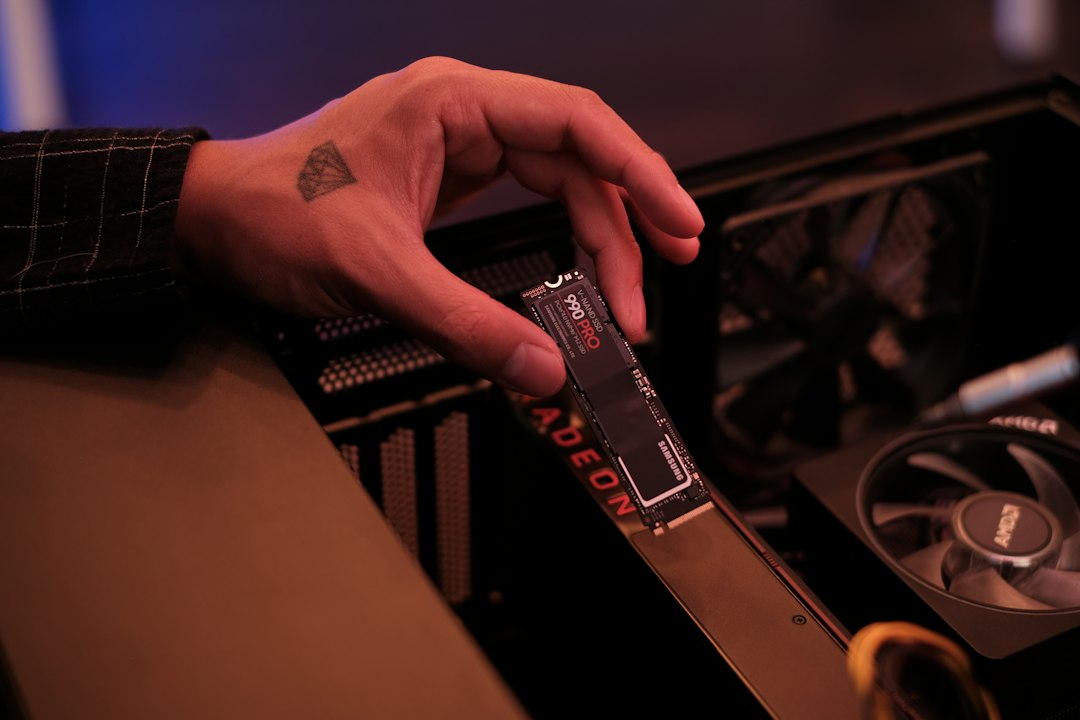
If your board has a free M.2 slot and your Steam library is the motivating injury, the Crucial T500 2TB is the value pick that hasn’t abandoned its price discipline — 7,400 MB/s, TLC NAND, and a controller that doesn’t melt in a laptop. The WD_BLACK SN770 2TB plays the same tune with slightly better availability, and its newer SN7100 sibling is worth a look if the two are within ten bucks of each other on the day you shop. And if you want the one-drive answer with no asterisks, the 990 PRO 2TB remains the stick I put in my own editing machine — but check the price the morning you buy it, because its premium has been floating with the market.
The Portable Tier: What Lives in My Bag
Portable SSDs follow the same NAND curve, and this is where I’d move fastest — the pocket drive is the piece of kit most likely to get repriced out from under you. I’ve carried the ruggedized Samsung T7 Shield 2TB through two years of checked luggage and it has never blinked; it’s still my default recommendation for people who travel. On a tighter budget, the Crucial X9 2TB delivers the same 1,050 MB/s class speeds in a lighter shell, and it’s often the last drive to get hit when prices jump.
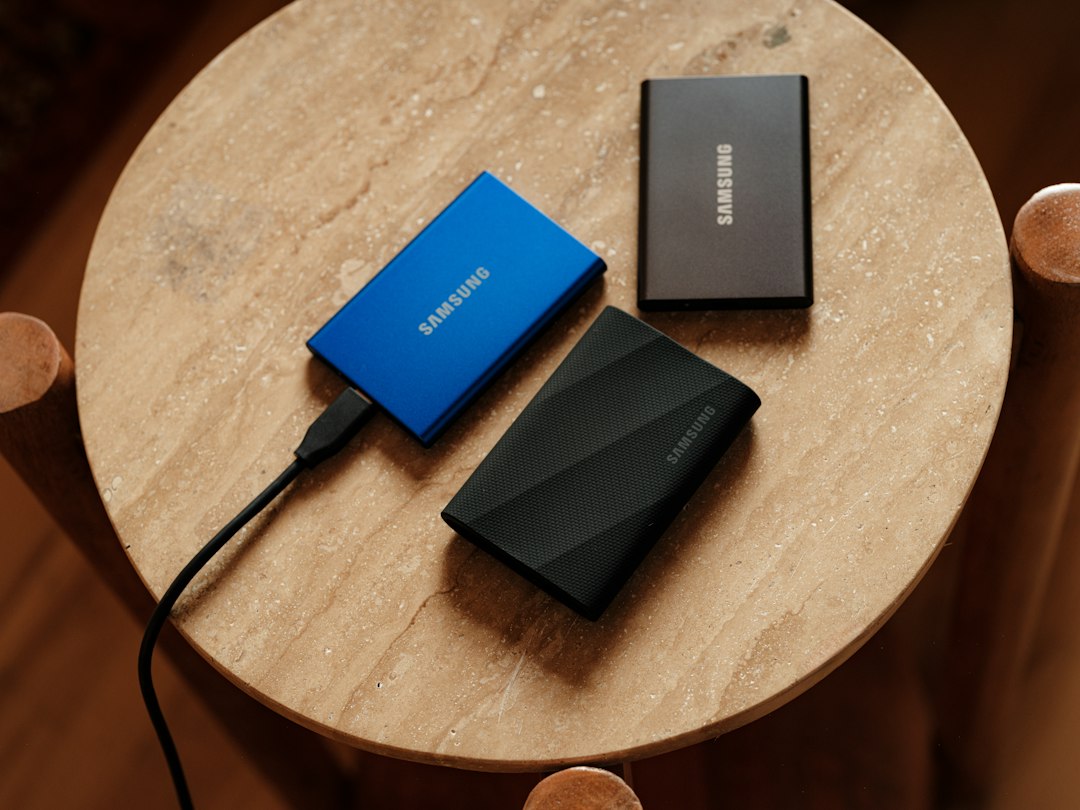
The SanDisk Extreme 2TB rounds out the shortlist — it’s the one I hand to video shooters, because sustained write speed is where it earns its keep. If you want the deeper dive on which pocket drives survive drops, washers, and airport scanners, my earlier portable SSD buyer’s guide still holds up; just mentally inflate every price in it by half.
Spinning Rust Strikes Back
Now for the plot twist nobody had on their 2026 bingo card: hard drives are back. With flash priced like a controlled substance, capacity-per-dollar once again belongs to spinning platters, and the quiet winners are NAS-class drives — CMR recording, rated for always-on duty, and priced per terabyte at rates flash can’t touch right now. An 8TB Seagate IronWolf or a 10TB WD Red Plus costs less per usable terabyte than any SSD on this page, and it’ll still be chugging along when the SSD you paid triple for has been upgraded out.
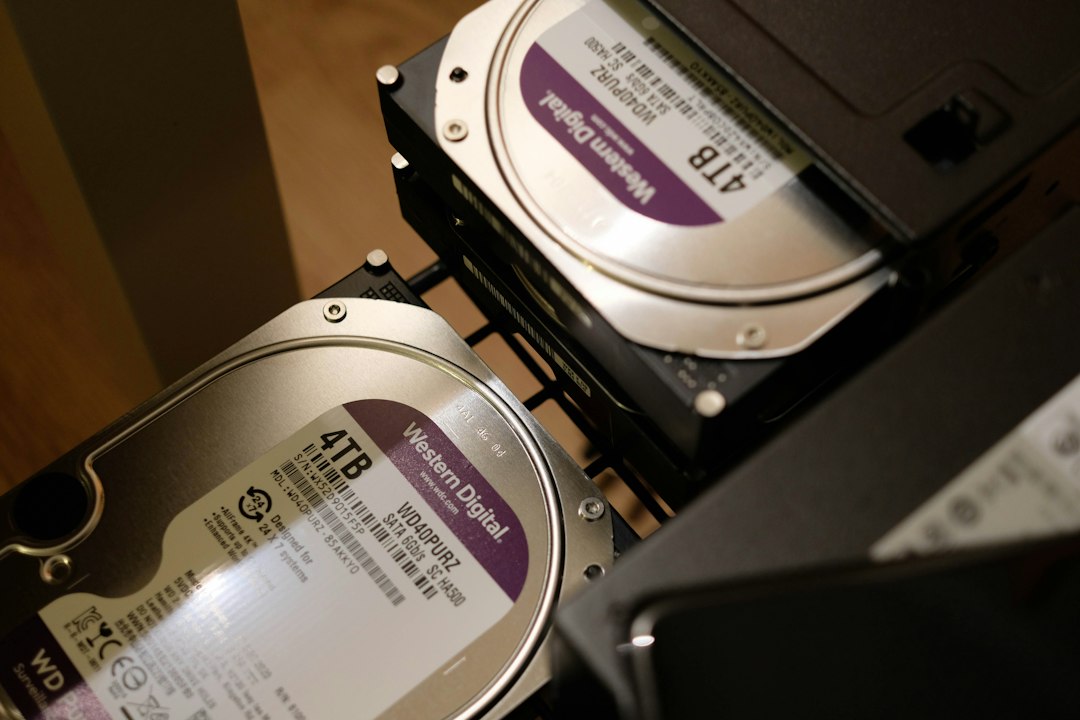
You don’t need a NAS to use them, either. A twenty-dollar Sabrent USB docking station turns any bare 3.5-inch drive into an oversized removable cartridge — I keep one on the test bench for exactly this. If you’re shuffling archives between drives, the dual-bay version with offline clone mode duplicates a drive with no computer involved, which is how my team images review loaners before returning them.
Three Traps That Look Like Bargains
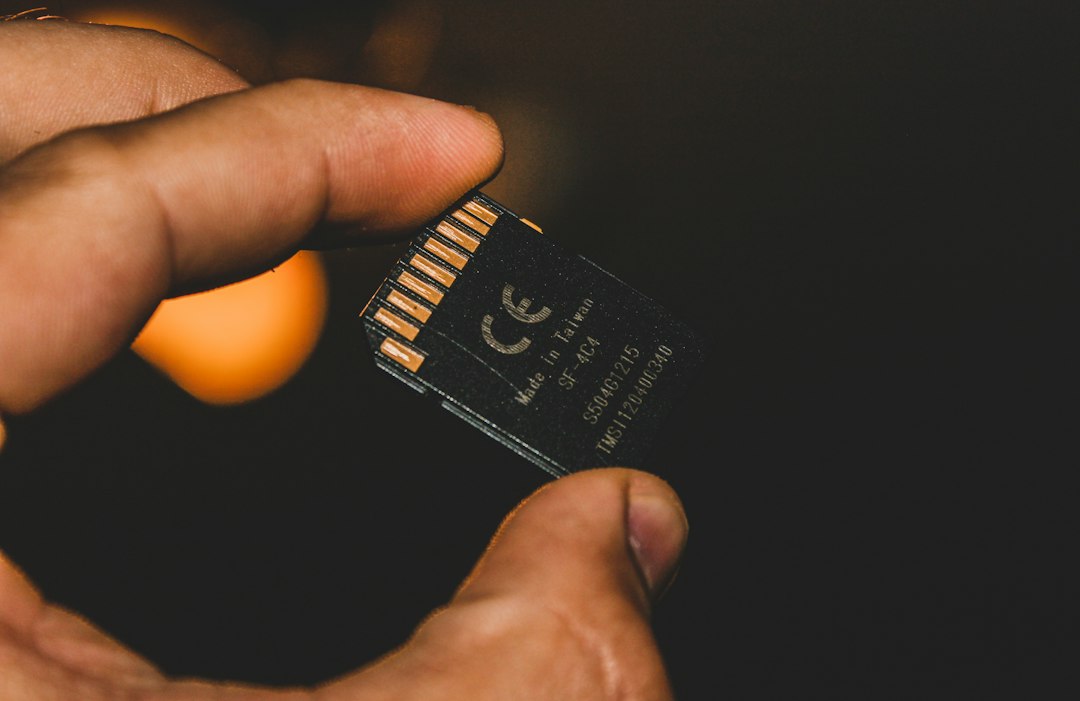
Every shortage breeds vultures, and storage’s moment has three I keep seeing. First, no-name marketplace drives advertising 4TB for $60 — these are almost always recycled NAND in a fancy shell, and they fail in the specific way that takes your data with them. Second, shingled magnetic recording (SMR) hard drives sold at NAS-adjacent prices; under sustained writes they crawl, so check that any drive going into a server role is CMR before you click buy. Third, microSD hoarding. Cards are convenient, but they’re the slowest, least durable flash you can buy — fine for cameras and Raspberry Pis, wrong for anything you’d call a backup. I say this as someone staring at a drawer of them like it’s a coin collection.
The Backup Math Changed Too
Here’s the quiet consequence of all this: when terabytes cost double, people quietly stop backing up. I’ve watched it happen in my own family tech-support rotation — the drive that was “due for replacement” gets one more year, then two, and suddenly the only copy of twenty years of photos lives on a five-year-old SSD with no redundancy. That’s a worse outcome than any price increase.
The fix is to buy your backup capacity strategically rather than emotionally. A single big NAS drive in a dock satisfies the “second copy on second media” leg of the 3-2-1 rule for less than a mid-range SSD, and if you’re ready to build the full three-copy setup, my walkthrough of building a personal cloud that pays for itself still works at 2026 prices — the math just leans even harder toward spinning drives than it did when I wrote it.

The Bottom Line
Storage isn’t going to get cheaper on any timeline that helps you this cycle. Analysts have NAND tight into late 2027, and the datacenter demand driving it isn’t a fad — it’s infrastructure. So buy the capacity you’ll actually fill, favor capacity-per-dollar over benchmark bragging rights, let spinning drives carry your archives, and skip the panic purchases. The terabytes will still be there when prices eventually relax. The money you didn’t overspend on them will be too.