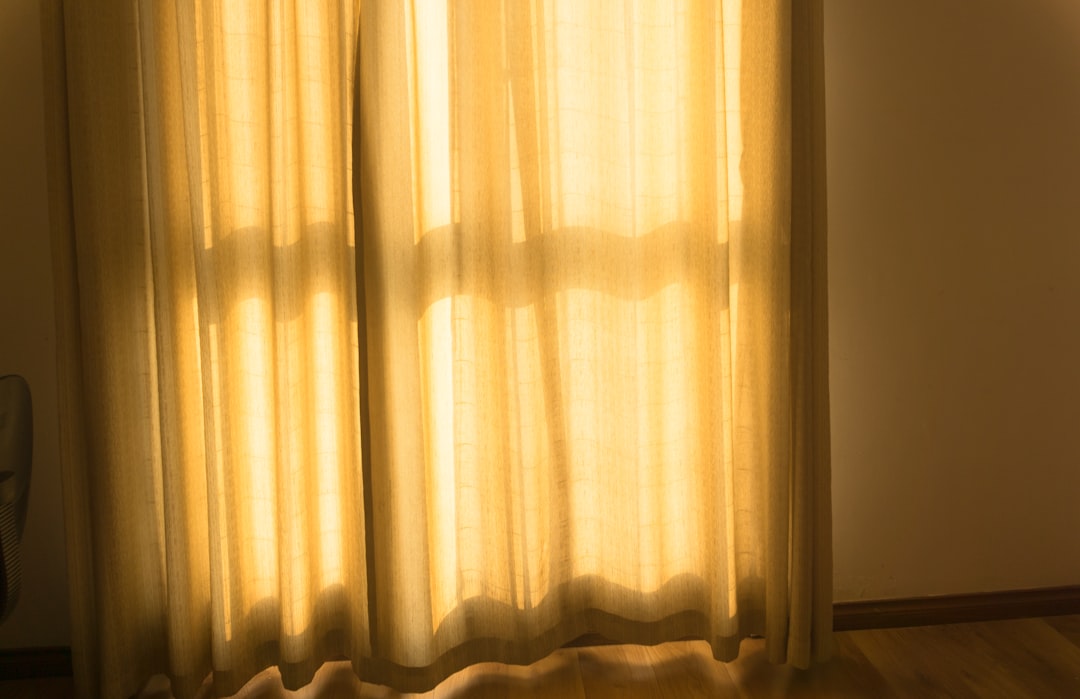
I used to think I was a bad sleeper. Then I spent six months instrumenting my bedroom like a lab, and it turns out I was just a good sleeper in a hostile environment. A creaky old house, a streetlight leaking through cheap blinds, a phone that buzzed at 2:47 a.m. because a server somewhere decided that was a fine time for an update — my bedroom was working against me, and yours probably is too.
So my team and I did what we do with every category: we bought the popular stuff, lived with it, returned what didn’t earn its plug, and kept notes. This guide is what survived. It’s not a listicle of sleep gadgets — half of those are solutions looking for a problem. It’s the specific order I’d fix a bad sleep setup in 2026, starting with the cheapest wins and ending with the splurges that actually justified themselves.
First, Stop Using Your Phone as a Sound Machine
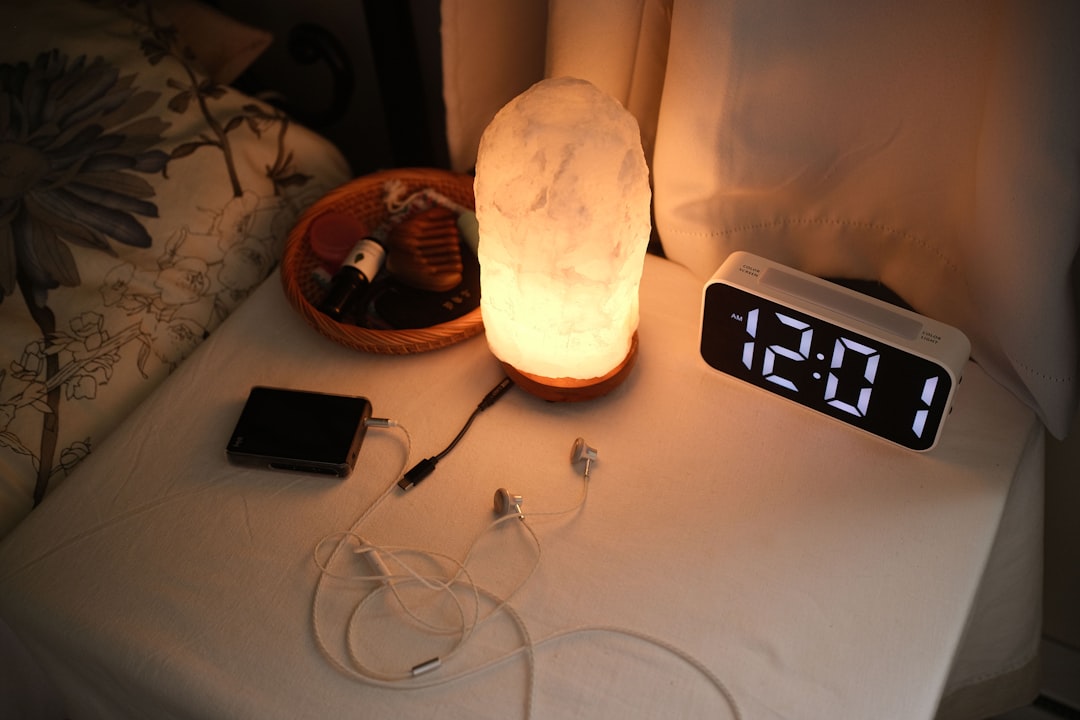
Nearly everyone I talk to about sleep is running white noise from a phone app. It works — until it doesn’t. The speaker is tiny and tuned for voices, not low-frequency masking. The app phones home, drains the battery, and one notification at 3 a.m. turns your ocean waves into a chime. When we logged a week of overnight interruptions across the team’s test phones, every single one had at least one app break through Do Not Disturb. Every one.
The fix is a dedicated sound machine, and after years of testing these, the LectroFan EVO remains the machine I hand people first. It’s a plain little puck, but the non-looping white, pink, and brown noise actually sounds like something — no eight-second seam your brain learns to anticipate. There’s a trick with brown noise that most people miss: the deeper register masks low-frequency noise (HVAC rumble, traffic, a snoring partner) far better than bright white noise. Switch it to brown, and the coverage changes noticeably.
If you want something with actual moving air instead of digital noise, the Yogasleep Dohm Nova is the modern version of the classic fan-in-a-box that my parents’ generation swore by. It’s a real fan with adjustable tone, plus a warm amber night light on top that doesn’t nuke your melatonin. My only complaint: at the loudest setting it has a faint mechanical character. Some people love that. It’s the sound of a house settling, and it reads as safe.
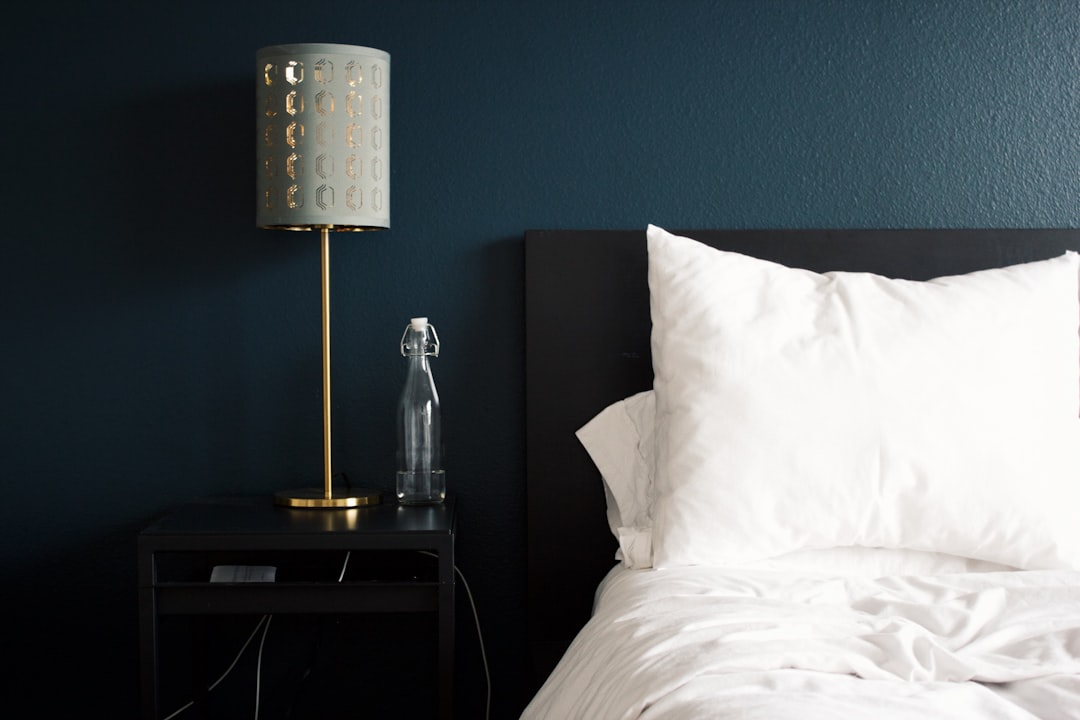
Frequent travelers should look at the Yogasleep Rohm, which is roughly the size of a hockey puck and runs all night on battery. Hotel rooms are the worst sleep environments most of us voluntarily enter — hallway chatter, ice machines, HVAC units with the acoustic profile of a jet engine. The Rohm lives in my carry-on permanently now. It’s the single highest-value $20 in my travel bag.
One placement note that took us embarrassingly long to figure out: put the machine between you and the noise source, not on your nightstand. Sound masking works by raising the floor, and a unit sitting a foot from your head has to run louder to cover the hallway, which then becomes its own sleep disruption. Across the room, near the door, at low volume — the masking is smoother, and you stop hearing the machine itself. The team ran A/B nights with units in both positions, and the far-placement setup won for every tester within two nights.
The Sunrise Alarm Is the One Nobody Believes Until They Try It
Here’s the gadget I mocked for years. A lamp that wakes you up? I have an alarm clock. It works. Then I actually tested one for a month and had to eat my words. The physics are simple: a gradual light ramp over 30 minutes suppresses melatonin on a schedule instead of shocking you awake with cortisol. You wake up before the audio alarm ever fires, and the difference in how the first hour of the day feels is not subtle.
The Hatch Restore 3 is the one on my nightstand. It combines the sunrise simulation, a wind-down routine with reading light, and a sound machine in one unit, which replaced two other gadgets on my table. The wind-down piece matters more than I expected — a scheduled dimming cue in the evening does as much for falling asleep as the sunrise does for waking. Fair warning: the good routines sit behind a subscription, which I resented and then, annoyingly, paid for.
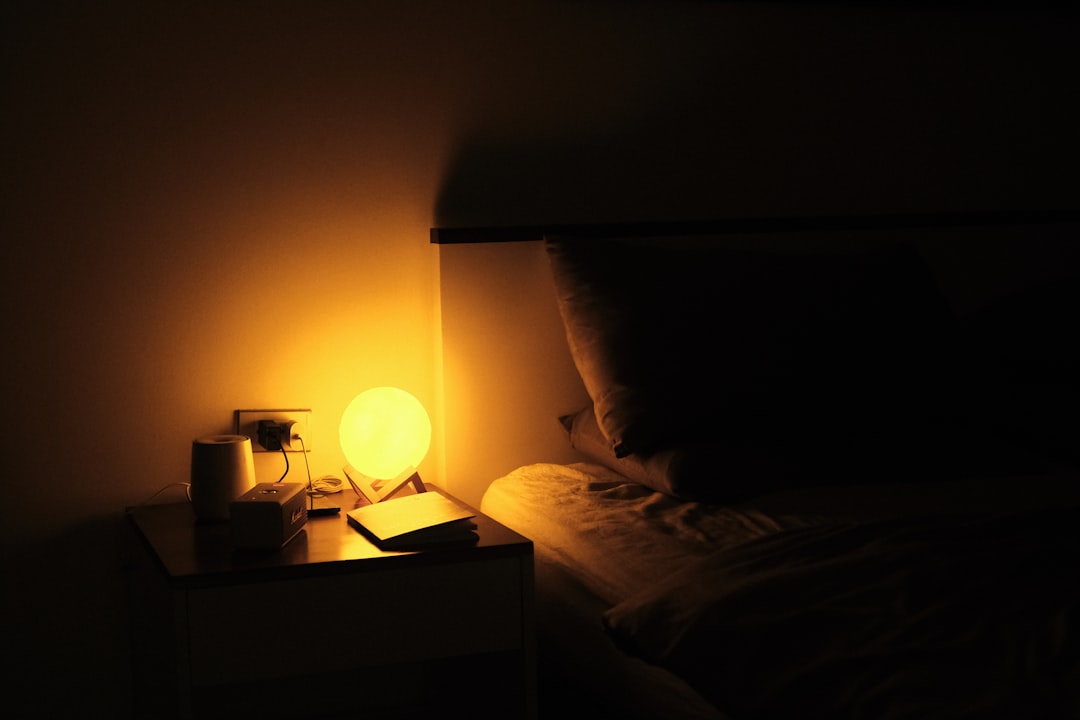
The Philips SmartSleep HF3520 is the pick if you want the best pure light simulation without an app ecosystem. Philips has been refining these for over a decade, and it shows — the 20 brightness levels and red-to-orange sunrise ramp look like an actual morning instead of a screen turning on. The Loftie Lamp is the design-forward option that sleep clinicians keep recommending, with two-part light and sound in a package that doesn’t look like a gadget at all.
On a budget, the Jall Wake Up Light gets you 90% of the sunrise experience for under $40. It’s the one I bought for the guest room, and guests consistently ask about it. The light ramp isn’t as smooth as the Philips and the buttons feel cheap, but the core function — waking to light instead of noise — is fully intact.
Sleep Earbuds: The Answer for Shared Bedrooms
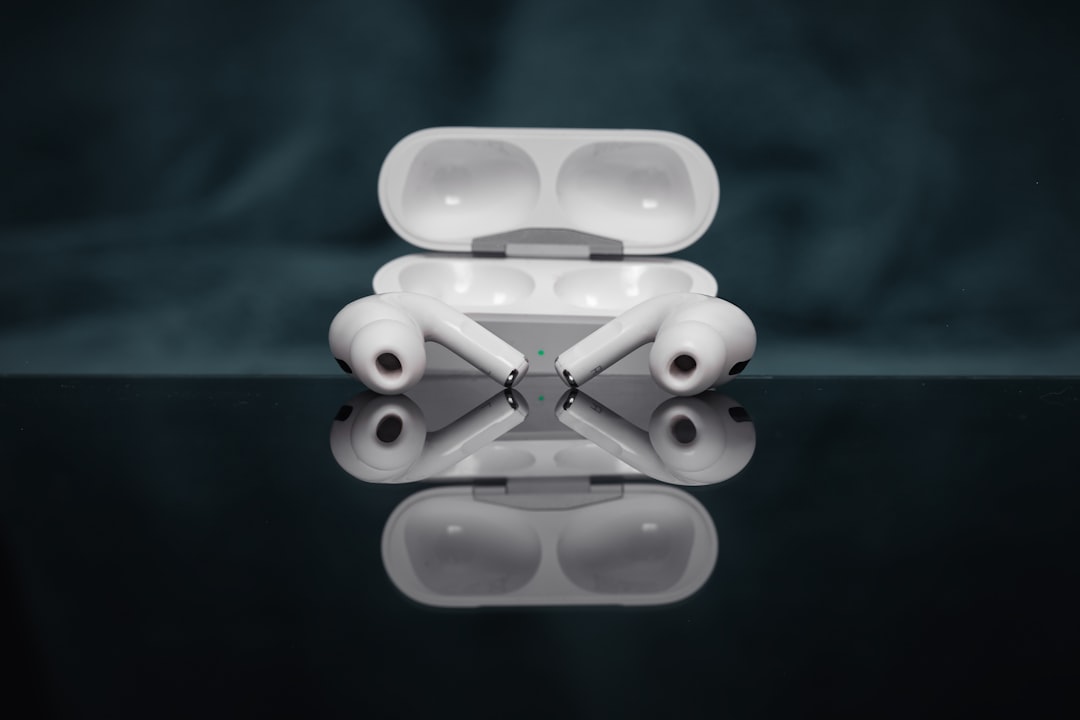
Sometimes a nightstand machine isn’t the right tool. If you share a bed with a snorer, or you’re the snorer’s victim on business trips, ambient masking from across the room can’t compete with a sound source six inches from a freight train. That’s where sleep earbuds earn their keep.
The Soundcore Sleep A30 is the practical pick: thin, flat buds designed for side sleepers, with masking sounds streamed from the app and a battery that survives a full night. They don’t disappear entirely — side sleepers will feel them on a firm pillow — but they’re comfortable enough that I stopped noticing by the third night.
At the extreme end, the Ozlo Sleepbuds 2 (the team that took over Bose’s sleepbuds program) are barely earbuds at all — they’re tiny masking devices that sit flush in the ear. They’re a real investment, and I’d only recommend them for serious partner-snoring situations. But for that specific problem, they’re close to magic.
The Cheapest Fix in This Entire Guide
Before you spend $300 on sunrise lamps and sleep buds, spend $20 on darkness. Light pollution is the most under-treated sleep problem in tech-adjacent households — LED standby dots, smart speaker halos, streetlight bleed through blinds. My sleep scores improved more from killing stray light sources than from any single gadget I tested.
While you are at it, walk the room once after lights-out and count the glow points. Router status LEDs, TV standby dots, a monitor power light, the charging cable indicator — the modern bedroom has a dozen tiny beacons that individually look harmless and collectively read like a runway. A strip of black electrical tape solves the stubborn ones. For lights you actually want sometimes, a smart plug with a schedule is the cleaner fix, the same trick we used in the smart plug automation project — our router and TV now go fully dark at 11 p.m. without anyone remembering to do anything.
A proper blackout mask is the nuclear option, and the MZOO sleep mask is the one that survived our testing. The contoured eye cups keep pressure off your eyelids — you can actually blink with it on — and the light blocking is total. I keep one in the nightstand drawer for summer mornings when the sun comes up before I’m ready to.
What I Skipped, and Why
You’ll notice what’s missing here: smart mattresses, sleep-tracking rings on every finger, $1,500 temperature-control systems. Some of that gear is genuinely interesting — we’ve covered our smart ring sleep-tracking experiment separately — but tracking is not fixing. A dashboard that tells you your deep sleep was terrible does not make it better. I’d rather see that money go into sound, light, and darkness first, then add tracking once the fundamentals are handled.
The same logic applies to blue-light panic. The research on blue-blocking glasses is weaker than the marketing suggests — we dug into this in our screen fatigue investigation — but the underlying instinct is right. Your evening environment matters. A sunrise alarm with a sunset fade handles that automatically, which beats willpower every time.
And if your sleep trouble is really an afternoon-caffeine-plus-brain-fog spiral, fix the daytime side too. Our air quality experiment made a bigger difference to my afternoons — and by extension my nights — than I ever expected from a $130 fan.
The Order I’d Spend Money In
After six months, here’s the build order I’d give a friend. Start with a dedicated sound machine — the LectroFan EVO if you want digital precision, the Dohm Nova if you want analog charm. That’s the single biggest win per dollar for most people. Add a sunrise alarm second; the Hatch if you want the full wind-down ecosystem, the Philips or Jall if you just want better mornings. Fix darkness third, with a mask or blackout curtains. Sleep earbuds only if you’re fighting a partner’s snoring. Everything else is a nice-to-have.
The through-line in everything that survived testing: sleep tech works when it removes something — noise, light, abrupt waking — rather than when it adds another screen, another subscription, another dashboard. The best nightstand I ever built looks less like a control room and more like a plain wooden table with a lamp that knows when the sun comes up. Your 3 a.m. self will thank you.