
I’ve been testing audio gear for the better part of two decades, and I can tell you exactly when earbuds stopped being about music. It was the moment I realized a pair of wireless buds on my desk had quietly replaced three apps, a dedicated voice recorder, and a notebook I’d carried to every meeting for five years. The earbuds didn’t just get better at pumping sound into my ears — they started listening back.
The catalyst was the Soundcore Liberty 5 Pro Max, which landed on my test bench a few weeks ago and immediately made me reconsider what “smart audio” actually means. These aren’t just earbuds with a companion app. The charging case has its own microphone array — eight mics — that can record up to twelve hours of in-person conversations. Put the case on the conference table, and it captures everything. An AI then transcribes the recording, generates summaries with action items, and syncs the whole thing to your phone. I’ve spent years writing about how audio shapes productivity, but this is a category shift. The earbuds became the meeting notes.
The Earbud-as-Computer Shift Nobody Expected
For most of wireless audio history, “smart” meant a decent app with an EQ slider. Maybe some touch controls. The last eighteen months have been different. Silicon got cheaper, AI models got smaller, and manufacturers realized that earbuds — with their always-on positioning, multiple microphones, and constant Bluetooth connection to your phone — are actually ideal edge devices for AI processing.

Apple was first to push this direction with the AirPods Pro 3, which added live translation and heart rate sensing alongside the expected ANC improvements. The translation feature is genuinely useful — I tested it during a call with a Japanese hardware supplier, and while it wasn’t perfect, the latency was low enough that the conversation flowed naturally. Apple also integrated hearing aid functionality, which sounds boring until you realize it means the AirPods are now a legitimate medical device that fits in your pocket.
Samsung’s answer came with the Galaxy Buds 4 Pro, shipping with ANC 2.0, live translation, and what Samsung calls “Adaptive Equalizer with Galaxy AI” — essentially real-time sound adjustment based on how the buds sit in your ear canal. It sounds like marketing fluff until you wear them during a workout and notice the bass doesn’t vanish when the seal shifts. Samsung also bumped the water resistance to IP57, which means they’ll survive everything from sweat to an accidental rinse under the tap.
Where Soundcore Changed the Game
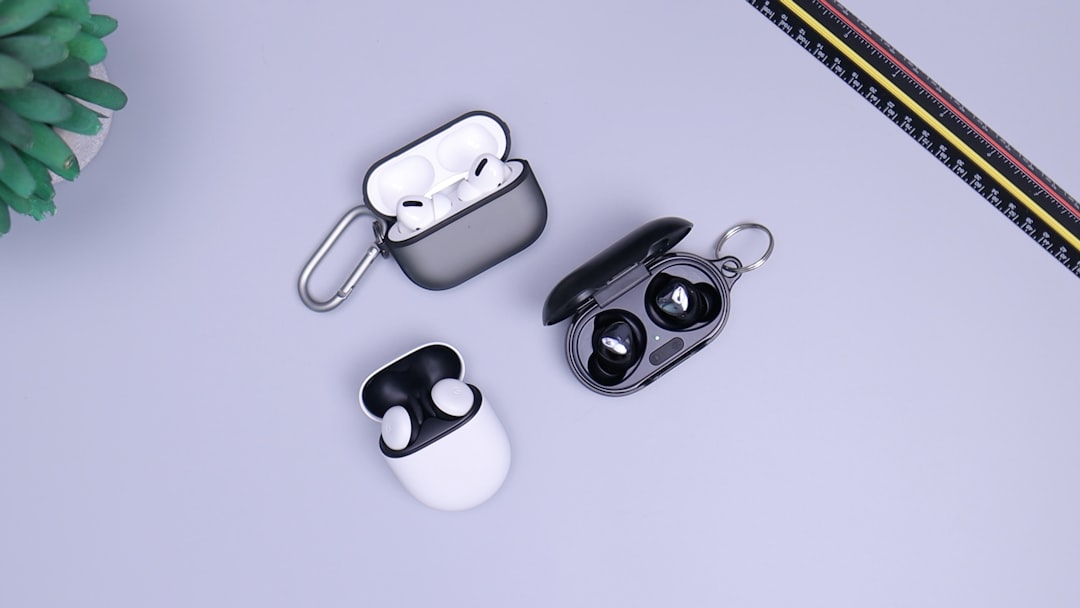
The Liberty 5 Pro Max costs $230. For context, that’s roughly $70 less than AirPods Pro 3 and about $50 less than the Sony flagship. Soundcore isn’t trying to win on brand prestige — they’re competing on raw functionality, and the AI note-taking feature is the wedge.
Here’s how it works in practice. You walk into a meeting, set the case on the table, and tap record. The case handles everything. It doesn’t need your phone to be active — the mics and storage are built into the case itself. When the meeting ends, the companion app processes the audio, generates a transcript with speaker labels, and produces an AI summary with key points and action items. You get 120 minutes free per month; a subscription covers heavier use.
In my testing, transcription accuracy landed around 85-90% in a quiet conference room with four people. That dropped to maybe 70% in a noisy coffee shop, but the AI summary was still good enough to remind me what was discussed and who agreed to what. The real value isn’t perfection — it’s that I stopped furiously typing notes during meetings and actually started paying attention.

What surprised me more was the call quality. Soundcore built a custom AI chip — the Thus chip — specifically for voice processing, and it earned a Guinness World Record for call clarity. Marketing? Sure. But I took a call from my backyard with a lawnmower running two houses down, and the person on the other end said it sounded like I was in a quiet office. That’s not supposed to happen with $230 earbuds.
The Established Players Aren’t Sitting Still
The old guard of premium audio still has plenty to offer, even without AI transcription. Sony’s WF-1000XM5 remains the benchmark for pure noise cancellation in a compact form factor. If your primary use case is drowning out the world on a flight or in an open office, nothing else comes close to the adaptive ANC tuning Sony has dialed in. They’re not trying to be a productivity tool — they’re trying to disappear, and they nearly do.
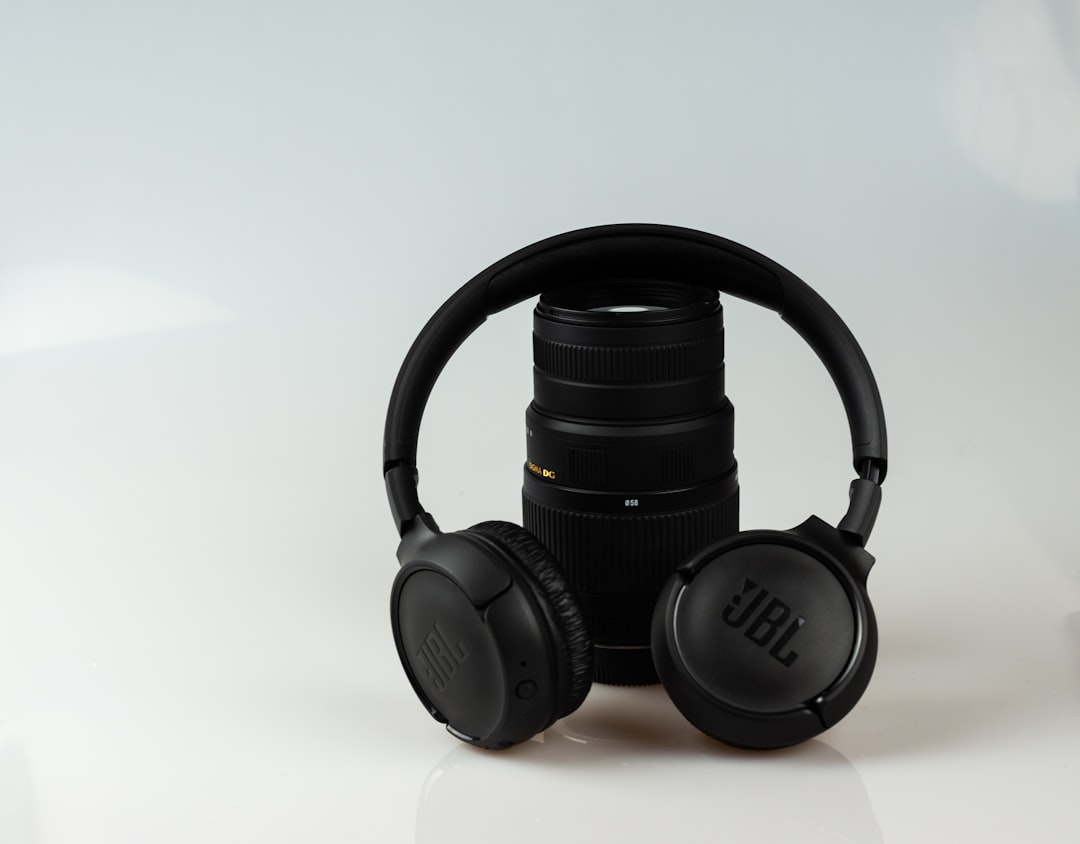
Bose took a different route with the QuietComfort Ultra Earbuds (2nd Gen), focusing on what they call “Immersive Audio” — a spatial audio implementation that’s less about productivity and more about losing yourself in a movie or album. The ANC is nearly Sony-level, and the comfort is unmatched in my testing. These are the buds I reach for when I want to sit on the porch with an audiobook and forget about deadlines.
Google’s Pixel Buds Pro 2 deserve a mention here because they’re built for Gemini integration. The AI assistant access is seamless on Pixel phones, and the conversation detection feature — which automatically switches to transparency mode when you start talking — is the kind of ambient intelligence that actually changes behavior. I stopped taking my earbuds out every time someone walked up to my desk. They just… handled it.
The Enthusiast Options Worth Your Attention

Sennheiser’s Momentum True Wireless 4 is the audiophile pick. Bluetooth 5.4 with aptX Lossless support means these deliver the best raw audio quality in this group — if your source device supports it. The ANC is competent but not class-leading, and there’s no AI wizardry to speak of. What you get is sound reproduction that makes you realize how compressed your Spotify playlists actually are.
For all-day comfort, the Jabra Elite 10 remains my recommendation for people who wear earbuds for six-plus hours at a stretch. The Dolby Atmos surround sound implementation is fun for movies, and the multipoint Bluetooth means you can stay connected to your laptop and phone simultaneously — a feature I consider mandatory for any work-focused earbuds in 2026.
The Accessories That Make Smart Earbuds Smarter
The unglamorous truth about owning $200+ earbuds is that maintenance matters more than you’d think. I’ve written about the importance of cleaning up your audio chain before, and that applies to earbuds too. A $10 earbud cleaning kit will extend the life of your buds by months. The mesh grilles on every pair of earbuds I’ve tested accumulate wax and debris faster than you’d believe, and clogged meshes are the number one cause of muffled sound and degraded ANC performance.

If your earbuds didn’t come with memory foam tips — or if the stock tips are wearing out — a set of replacement foam tips dramatically improves both comfort and passive noise isolation. I’ve found that good foam tips can reduce ANC load by 10-15%, which translates to noticeable battery savings over a full day.
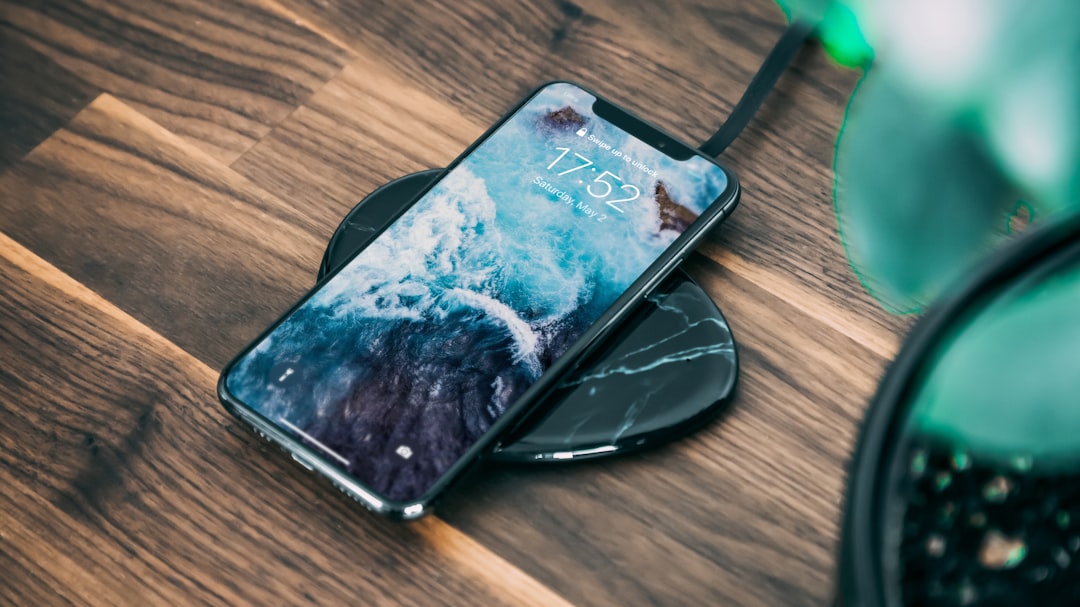
And if you’re investing in the full ecosystem, a multi-device wireless charging station solves the nightly juggling act. The best ones handle your phone, earbuds case, and smartwatch from a single pad, which means one cable instead of three.
What Actually Matters When You’re Choosing

I’ve been testing audio gear long enough to know that spec sheets are poor predictors of real-world satisfaction. Here’s what I tell people who ask:
If meeting notes and transcription are your priority, the Soundcore Liberty 5 Pro Max is the clear leader right now. Nobody else has matched the case-based recording approach, and the subscription cost is reasonable for anyone who spends significant time in meetings.
If you’re embedded in an ecosystem — Apple or Samsung — stay there. The deep integration (handoff, find my device, spatial audio tied to head tracking) is worth more than any single feature advantage. AirPods Pro 3 on iOS and Galaxy Buds 4 Pro on Samsung devices both deliver experiences that cross-platform buds simply can’t replicate.
If pure audio quality is what you’re after, the Sennheiser Momentum TW4 or Sony WF-1000XM5 are still the top of the heap. Neither will transcribe your meetings or translate your conversations, but both will make your favorite music sound better than anything else in this list.
If you live in earbuds all day, comfort wins. The Jabra Elite 10 and Bose QC Ultra are the two I’d recommend for marathon sessions. Both sit comfortably for 6+ hours without ear fatigue, and the multipoint Bluetooth on the Jabras means you never miss a call because you were connected to the wrong device.
Where This Is Heading
The earbud-as-AI-device trend is just getting started. What Soundcore did with the Liberty 5 Pro Max — putting dedicated recording hardware in the case — is the kind of lateral thinking that opens up new categories. I expect within twelve months we’ll see earbud cases with LTE connectivity, eliminating the phone dependency entirely. Real-time translation that works across brands, not just within an ecosystem. Health monitoring that goes beyond heart rate.
The AI gadgets I’ve been testing this summer all share a common thread: they’re removing friction between intention and action. The best earbuds of 2026 do this by listening when you need them to listen, going quiet when you need silence, and handling the cognitive busywork — like remembering what was said in a meeting — that used to eat into your actual thinking time.
I used to carry a dedicated voice recorder to every product briefing. It sat next to a notebook full of handwritten notes that I’d transcribe that evening, losing two hours of every day to administrative overhead. That workflow is gone. The earbuds handle it now, and I’m not going back. The question isn’t whether smart earbuds will become the default — they already are for anyone paying attention. The question is which platform earns your ears. Test them yourself. The hardware has never been this good, and it’s getting better every quarter.