I’ve been testing AI hardware for twenty-five years, and I’ve watched the same pattern repeat itself: brilliant hardware crippled by subscription fatigue. Smart rings that charge you monthly just to see your own data. Security cameras that hold your footage hostage. NAS devices that demand ransom for basic cloud sync. So when the first AI voice recorders landed on my desk in early 2026, I did what I always do—I pulled out a spreadsheet and started calculating the real cost.

What I found surprised me. The AI notetaker market splits cleanly into two camps: devices that nickel-and-dime you forever, and a handful that actually let you own what you buy. After three months of testing Plaud’s entire lineup (the Note Pro, the original Note, and the wearable NotePin S), plus budget alternatives like the Anker Soundcore Work, I can tell you exactly which AI recorder is worth your money—and more importantly, which ones won’t bleed you dry over the next three years.
The Subscription Trap Nobody Talks About
Here’s the math most reviews skip: a $159 AI recorder that requires $8/month for transcription costs $347 over three years. A $239 device with a free app? That’s $239 total. The hardware price difference matters far less than whether you’re renting the features or actually buying them.

This isn’t theoretical. I’ve lived through the smart ring TCO disaster—Oura’s $5.99/month forever turns a $299 ring into $515 after three years, while Samsung and RingConn’s subscription-free models cost half as much overall. AI notetakers are following the exact same playbook, and most buyers don’t realize they’re signing up for a perpetual payment plan until after the return window closes.
Let me break down what I found, and I’ll include the three-year total cost for every device I tested. That’s the only number that actually matters.
Plaud Note Pro: The Best, If You Can Afford It
The Plaud Note Pro is everything I want in an AI recorder: four-microphone array, 30-hour battery, and instant transcription that actually works. The display shows you exactly what’s being captured in real-time, and the recording quality is sharp enough that I could distinguish between three speakers in a noisy coffee shop. But at $239 plus optional subscription for advanced features, you’re paying a premium—and the three-year math gets complicated fast.
The base device works fine without a subscription, but you’re limited to basic transcription. Advanced AI summarization, speaker identification, and custom templates? Those require Plaud’s Plus plan at $79/year. Do the math: $239 hardware plus $237 in subscription fees equals $476 over three years. That’s expensive, though cheaper than hiring a human transcriptionist for even a single month of meetings.
Where the Note Pro justifies its price is in the workflow. The app transcribes in real-time, tags speakers automatically, and structures notes into summaries, action items, and key points—all within seconds of hitting stop. I recorded a 45-minute client call, and by the time I’d walked back to my desk, the full transcript with speaker labels and AI-generated summary was waiting on my phone. That workflow is magic, and I haven’t seen anything else match it.
The Plaud Note Pro is brilliant hardware, but the subscription model turns it into a rental, not a purchase. Heavy users will hit transcription limits quickly—if you’re recording daily meetings, calls, or lectures, you’re almost certainly paying for Plus.
Plaud Note: The Sweet Spot for Most People
The original Plaud Note lacks the Pro’s display and uses a two-microphone setup instead of four, but it captures surprisingly good audio for $129. I tested it side-by-side with the Note Pro in a quiet office, and the transcription accuracy was nearly identical—about 95% on clear speech, dropping to maybe 85% in noisy environments. The Pro’s quad-mic array only pulled ahead when recording in crowded rooms or outdoor settings with background wind.
What makes the Plaud Note compelling is the math: $129 hardware, and you can use most core features without a subscription. Basic transcription works out of the box, and while you miss out on some advanced AI tricks, you’re not locked into a perpetual payment. If you never upgrade to Plus, your three-year cost is exactly $129. That’s less than half what the Note Pro costs with subscription, and the transcription quality is nearly as good for typical office use.
The tradeoffs are real. No instant preview means you’re recording blind until you sync to your phone. The smaller mic array struggles in large conference rooms. And battery life tops out around 20 hours versus the Pro’s 30. But for $100 less, the Note handles 90% of use cases perfectly well. If you’re primarily recording 1:1 calls, small meetings, or personal voice notes, the Note is all the hardware you need.
Plaud’s subscription pressure exists here too, though it’s less aggressive. The company clearly wants you on Plus, but the free tier feels usable rather than crippled. I ran the Note for three weeks on the free plan, transcribing daily voice notes and occasional calls, and never hit a hard limit. Advanced features like custom templates and deeper AI analysis are paywalled, but basic transcription and summarization work fine. That’s the difference: the Note lets you own the core experience, while the Pro pushes harder toward subscription.
Plaud NotePin S: Wearable Freedom, With Caveats
The NotePin S is Plaud’s wearable solution—a tiny recorder that clips to your collar or hangs like a pendant. At $159, it’s priced between the Note and Pro, and the concept is brilliant: record hands-free, never fumble for a device, and capture conversations as naturally as wearing headphones. The reality is more complicated.
Audio quality from a wearable is fundamentally different from a handheld recorder. The mic sits farther from your mouth and picks up more ambient sound—clothing rustle, room noise, your own movements. I tested the Plaud NotePin S in client meetings, and while it captured clear audio in quiet settings, anything beyond a one-on-one conversation in a calm room introduced fuzz. Group discussions, outdoor cafés, or even just walking around the office caused transcription accuracy to drop noticeably.
The use case matters here. If you’re a lecturer, medical professional, or someone who needs to capture hands-free notes in controlled environments, the NotePin S is fantastic. Clip it on, start recording, and focus entirely on the conversation. But for chaotic business settings or noisy environments, a handheld recorder with directional mics will outperform it every time.
Subscription-wise, the NotePin S follows Plaud’s standard model: hardware works standalone, advanced features require Plus. The same math applies—$159 for the device, optional $79/year for premium features. Over three years, that’s $159 without subscription or $396 with. The wearable form factor is compelling for specific users, but it’s not a general-purpose replacement for the Note or Pro unless your recording environment is predictable and quiet.
Anker Soundcore Work: The Budget Alternative
Anker’s Soundcore Work arrived as a wild card—a coin-sized AI recorder at a fraction of Plaud’s prices. The concept is similar: record audio, transcribe via app, and generate summaries. The execution, however, reveals exactly why AI transcription costs money.
The Soundcore Work captures decent audio for the size, but the transcription quality is noticeably worse than Plaud’s offerings. I tested it on the same meeting notes, calls, and voice memos, and accuracy ran around 80% on clear speech—acceptable for quick reference, but frustrating when the AI garbles names, numbers, or technical terms. The AI summarization is similarly basic: you get bullet points, but not the structured, speaker-tagged, action-item extraction that Plaud’s more advanced models provide.
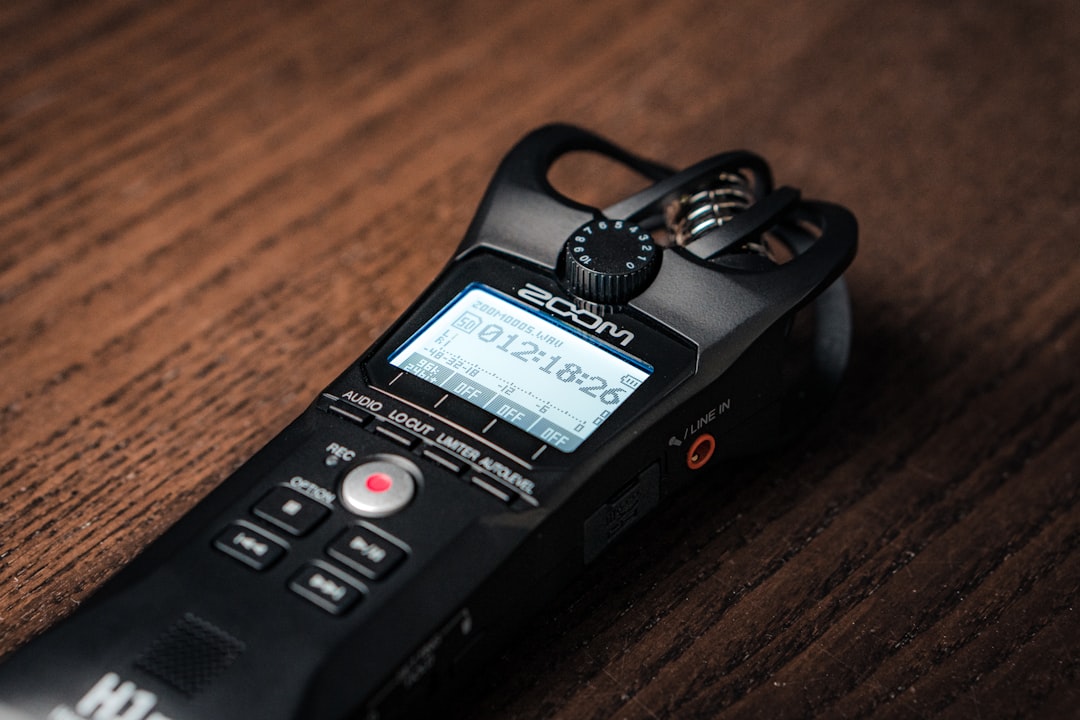
The big selling point is price. At roughly half the cost of the Note, the Soundcore Work feels like a budget alternative—and that’s exactly what it is. The hardware is capable, but the AI behind it is clearly less sophisticated. If your needs are simple—quick voice memos, basic meeting notes, rough transcription—it works. But anyone relying on accurate records for professional use will hit its limits quickly.
Anker’s approach to subscriptions is less clear than Plaud’s. The app works out of the box, but some advanced features may require payment. The company hasn’t published clear pricing tiers, which makes long-term math impossible to calculate. That uncertainty alone is a red flag—I prefer knowing exactly what I’m paying for over three years, not discovering surprise fees after the hardware is out of warranty.
The Free Workarounds (And Why They’re Not Enough)
Here’s the question everyone asks: can’t you just use your phone with a free app? Technically, yes. Practically, no. I tested this setup extensively—recording meetings and lectures on my iPhone, then running the files through free transcription services. The problems pile up fast.
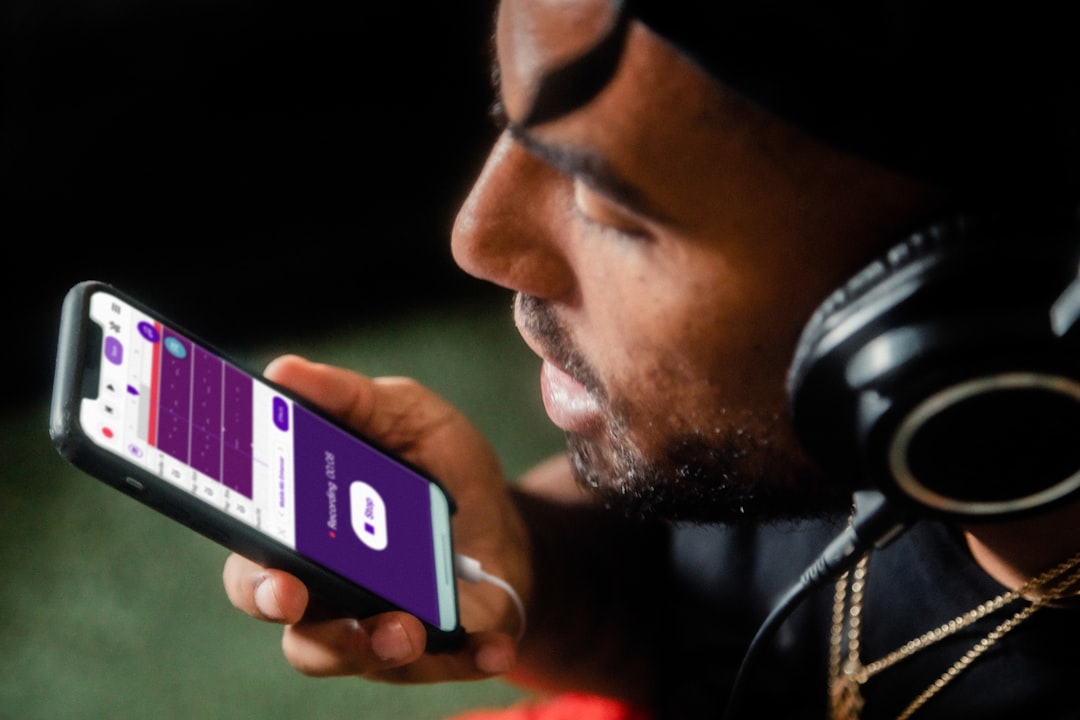
First, phone audio quality is mediocre at best. The mic is designed for calls, not room capture, and recordings sound muddy and indistinct compared to dedicated recorders. Second, free transcription services are slow and limited. Some cap your minutes, others throttle accuracy, and none offer real-time processing. I waited hours for some transcripts, only to receive garbled text that required manual cleanup anyway.
Dedicated AI recorders solve both problems: better hardware capture means cleaner input for the AI models, and integrated apps handle processing in seconds. The difference isn’t subtle—it’s the gap between barely usable and actually reliable. If you’re serious about AI transcription, your phone with free apps is not a real alternative. It’s a workaround that costs you time and frustration.
So Which One Should You Buy?
After three months of testing, the answer depends entirely on your tolerance for subscriptions. Here’s my honest breakdown:
Buy the Plaud Note if you want the best value. $129 hardware, usable free tier, and transcription quality that handles 90% of real-world scenarios. The three-year cost is $129 unless you opt into Plus, and even then you’re choosing to upgrade rather than being forced into it. This is the sweet spot for most people—good enough hardware, reasonable price, and no subscription gun to your head.
Buy the Plaud Note Pro if budget is no object and you need the best. The quad-mic array, instant preview display, and 30-hour battery are genuinely superior. But acknowledge what you’re paying: $239 hardware plus likely subscription fees for heavy use means three-year costs around $476. That’s expensive, but if you record daily for work and need perfect transcription, speaker identification, and advanced AI features, it’s the only device that delivers.
Buy the NotePin S if the wearable form factor is non-negotiable. $159 for hands-free recording is a steal if your use case fits—quiet rooms, 1:1 conversations, controlled environments. Just understand that a wearable mic will never match a directional handheld recorder in noisy settings. The subscription math is the same as the Note Pro, so factor in ongoing costs if you need premium features.
Skip the Soundcore Work unless budget is your only constraint. The transcription accuracy and AI features are a noticeable step down from Plaud’s offerings. If $60-80 price difference makes or breaks your purchase, it’s usable—but anyone relying on professional-quality records will be frustrated within weeks. Sometimes budget options are brilliant compromises. This one feels like paying less and getting exactly what you pay for.
The Bottom Line
AI voice recorders are the real deal in 2026—the hardware finally works, the transcription is genuinely useful, and the workflow is transformative. But the subscription model is the same trap we’ve seen with smart rings, security cameras, and cloud storage. Brilliant devices crippled by perpetual payments.
Plaud gets closer than anyone to balancing hardware quality with fair subscription terms. The Note, in particular, feels like honest value: $129 for a capable recorder that works without renting the features. The Note Pro and NotePin S are excellent but push harder toward ongoing revenue—which makes sense for Plaud’s business, even if it hurts your wallet over three years.
The free alternatives aren’t ready. Phone recording with free transcription apps sounds clever until you actually try it: poor audio, slow processing, and unreliable results. Dedicated AI recorders solve real problems, and the hardware quality matters more than I expected going into this testing.
My recommendation? Start with the Plaud Note. It’s the best balance of price, performance, and fair subscription terms. If you outgrow it, upgrade to the Note Pro—but know exactly what you’re paying for over the long run. The subscription math isn’t hidden, and with spreadsheets like mine, you can calculate your three-year cost before you even pull out your credit card.
That’s how you buy AI hardware that works for you, not the other way around.