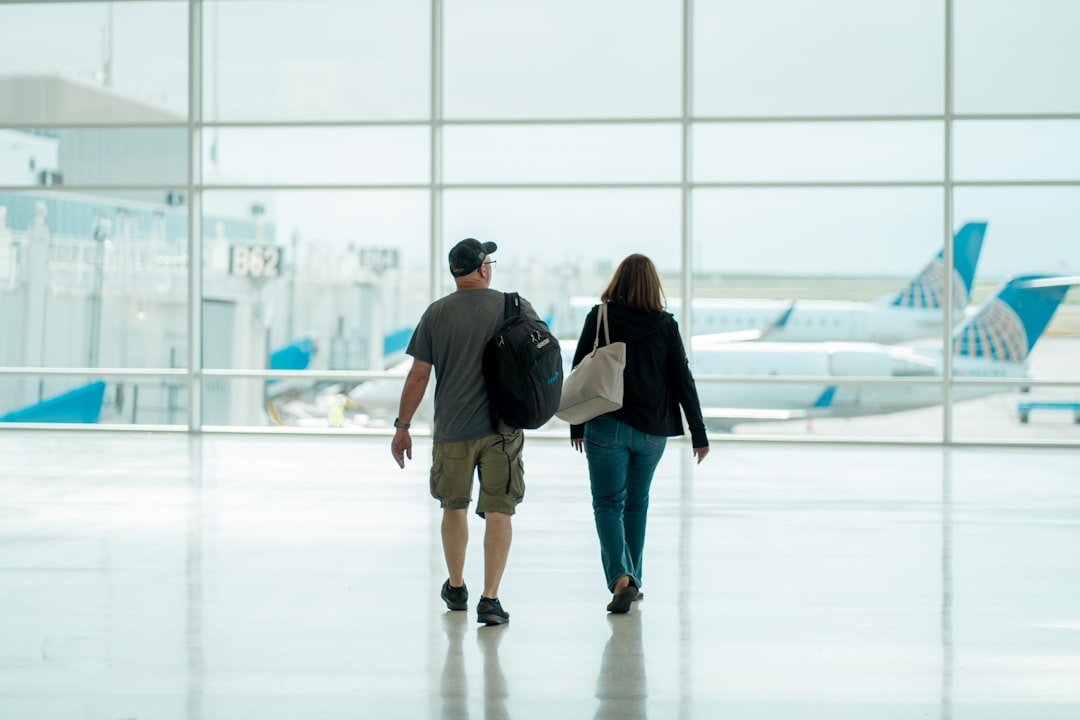
I’ve spent the better part of two decades flying with tech bags stuffed to the brim — laptops, chargers, cables, cameras, and enough dongles to open a small museum of obsolete connectors. Along the way, I’ve learned something that still surprises people: the difference between a miserable trip and a smooth one almost always comes down to a handful of small decisions made before you leave the house. Not the destination. Not the airline. The gear you shoved into your bag at 6 AM while half-awake.
With Amazon Prime Day arriving June 23rd through the 26th, this is genuinely the best window of the summer to fix the weak links in your travel kit — whether you’re upgrading your home office setup or gearing up for a summer trip. I’ve been sorting through this year’s promotional lineup — there are thousands of items — and pulling out the ones that actually solve real problems for people who travel with tech. Not novelty junk. Not the seventh bluetooth speaker you don’t need. Just solid upgrades at prices that won’t last past the 26th.
Here’s what I’d grab right now, bookmark the pages, and pull the trigger when Prime Day pricing goes live.
The Bag That Eats Everything (Without Eating Your Spine)
Let’s start with the single most important piece of travel tech you own: the thing carrying all the other things. I went through at least a dozen backpacks before understanding that most “travel laptop backpacks” are designed by people who have clearly never run through an airport. The compartments are wrong, the laptop sleeve is an afterthought, and the straps feel like they were borrowed from a child’s school bag.
The LTINVECK Extra Large Travel Laptop Backpack isn’t the fanciest bag on the market — it’s not going to win design awards next to a $400 Tom Bihn — but it does the job better than anything I’ve found under $50. It’s TSA-friendly, which means the laptop compartment lays flat for security scanning, and it genuinely fits a 17-inch machine without that cramped, forced fit that stretches the zipper over time. The RFID-blocking pocket is a nice bonus for anyone carrying corporate badges or contactless cards through busy terminals.
I’ve been using mine for three months of weekly travel. The zippers still move like new, the water-resistant fabric has survived a surprise downpour in Chicago, and the padding on the shoulder straps hasn’t gone flat. That last point matters more than people realize — compressed strap foam is the difference between a bag you reach for and one you avoid.
If you prefer something more protective for shorter trips — say, a weekend conference where you’re carrying a laptop and not much else — the Pelican Adventurer Laptop Case is the nuclear option. Pelican built their reputation on cases that survive being thrown off buildings, and this slim version brings that same ruggedness to everyday laptop protection. It’s drop-tested, water-resistant, and rigid enough that I’ve watched a coffee spill slide right off the surface onto the table instead of soaking through to the machine. At Prime Day pricing, it’s almost irresponsible not to grab one.
Stabilizing Your Travel Videos Without a Gimbal Cemetery
I have a drawer full of smartphone gimbals. Three of them. Each one was “the one that would finally make my travel videos watchable.” Each one ended up abandoned because it was too heavy, too fiddly to balance, or required an app update that broke everything right before I needed it.
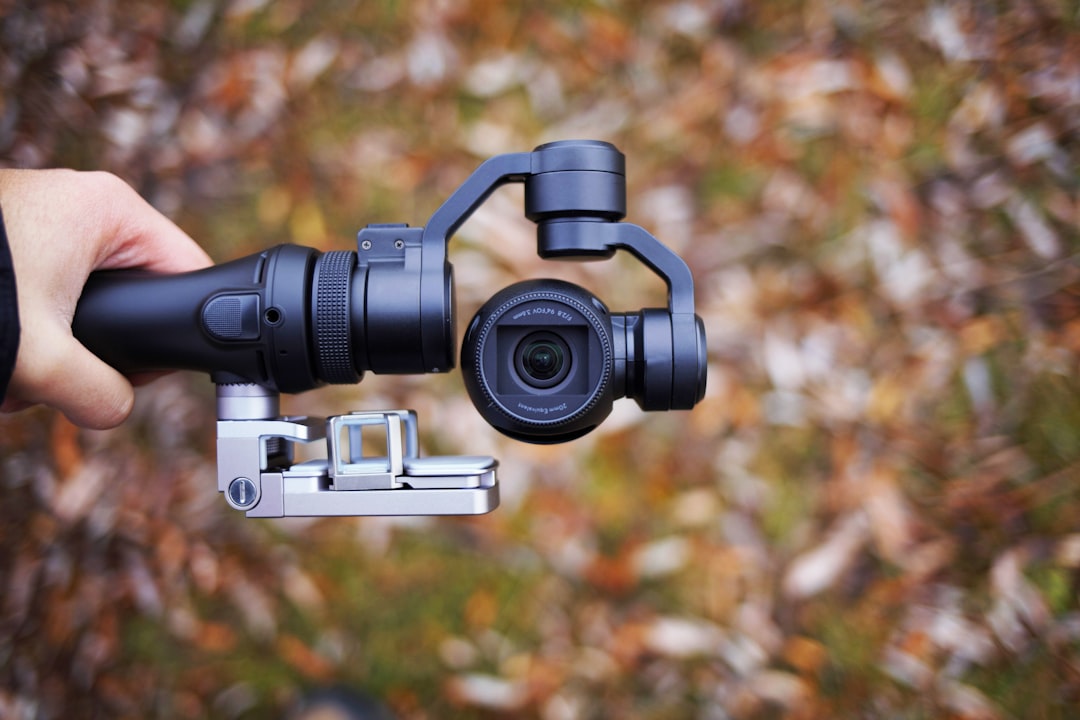
The DJI Osmo Mobile 7P is different, and I don’t say that lightly. DJI has been iterating on this form factor for years, and the 7P is the first version I’ve used that genuinely feels designed for someone who doesn’t want to think about stabilization. The magnetic phone mount means you snap in and start shooting — no balancing, no calibration. It folds small enough to live in a jacket pocket. And the built-in extension rod means you can flip it into a selfie stick or low-angle rig without carrying a second piece of gear.
And if you’re also trying to improve how your videos look — whether that’s calls, vlogs, or just better family clips — the gimbal handles stabilization so you don’t have to think about it. DJI’s ActiveTrack has gotten scary good. You can set the phone on a rock, walk twenty feet away, and the gimbal will keep you centered in frame as you move. I tested this on a beach in Florida last month — my wife couldn’t tell the difference between footage I shot on the gimbal and footage I’d paid a drone operator to capture the year before.
For the kind of person who wants better memories of their trips but has no interest in becoming a cinematographer, this is the one travel gadget I’d tell them to buy at full price. At Prime Day pricing, it’s a no-brainer.
Sounds That Travel With You
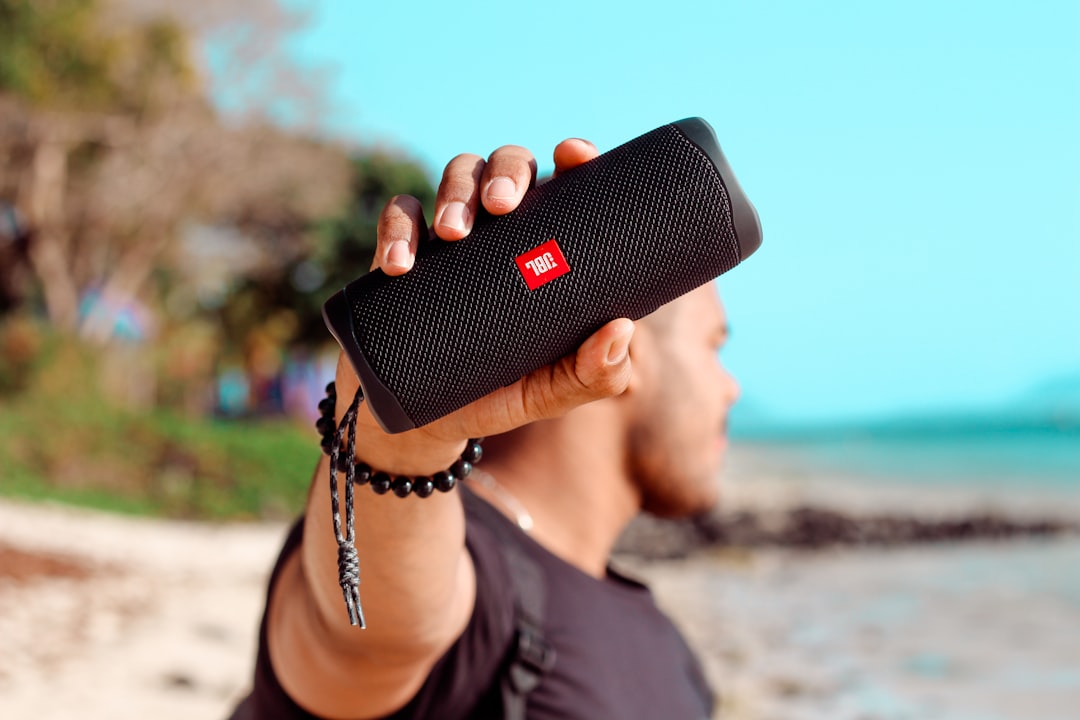
A travel speaker used to mean choosing between something that sounded decent and something that fit in a water bottle pocket. The JBL Flip 6 exists in the rare overlap where you don’t have to pick. I’ve been carrying one on every trip since March, and it handles hotel rooms, balconies, and beach setups with equal confidence.
The sound signature is aggressively tuned — JBL pushes the bass harder than purists would prefer — but that’s exactly what you want outdoors where low frequencies disappear into open air. It’s IP67 waterproof, which I tested accidentally by leaving it on the edge of a pool deck in Phoenix. Three songs underwater, and it came back like nothing happened.
Battery life lands around 12 hours in real-world use, which is enough for a full beach day plus the evening cookout. Pair two of them for stereo and you’ve got better sound than most rental properties’ built-in systems.

For a more personal listening experience — especially if your travels involve water — I’ve been testing bone conduction swimming headphones from Nilsinn. The concept sounds gimmicky until you’re swimming laps in a hotel pool with your audiobook still playing. They bypass your eardrum entirely, transmitting sound through your cheekbones, which means your ears stay open to what’s happening around you. That situational awareness makes them surprisingly useful for runners and cyclists, too.
The audio quality won’t replace your over-ear cans for critical listening. Bass is thin, and anything complex in the high end gets a little smeared. But for the gym, the trail, or the water — places where normal earbuds die or fall out — they earn their spot in the bag.
Power: The Thing You’ll Actually Fight Over
Every traveler I know has a charging story that still makes them angry. The hotel with one outlet. The airport gate with zero. The Airbnb where the only working plug is behind a dresser that weighs 300 pounds. Power access is the real travel bottleneck, and it’s the area where a $30 upgrade changes your entire experience.
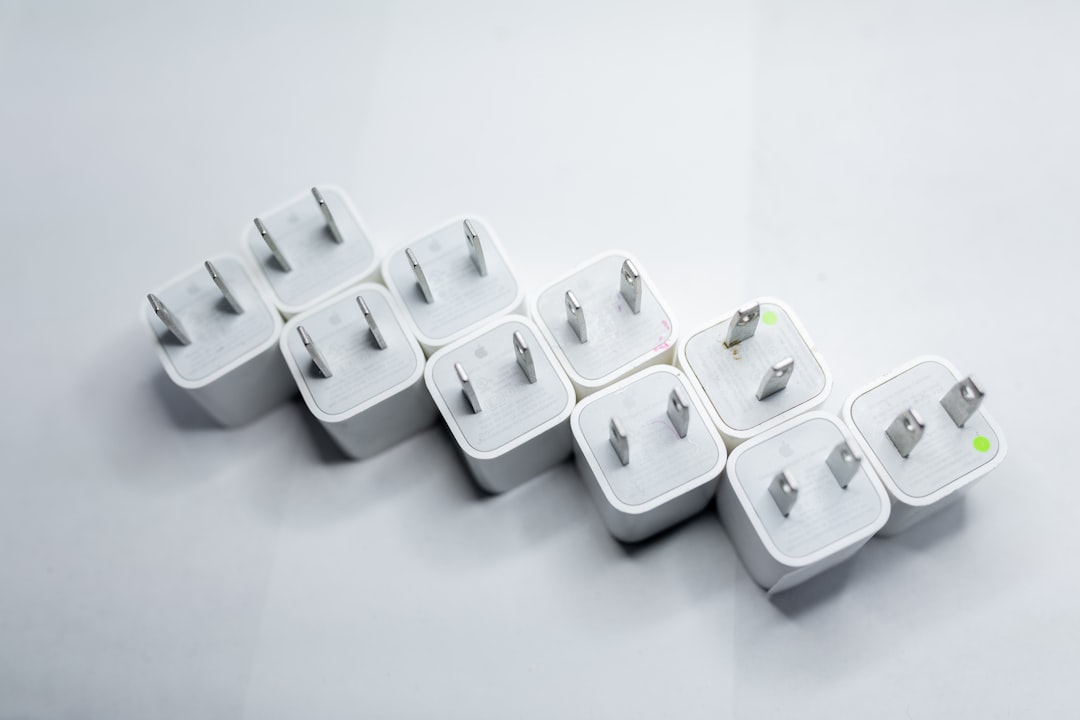
The NTONPOWER travel power strip is the one I’ve standardized on. It’s compact — about the size of a thick marker — and gives you two USB-A ports, one USB-C port, and two AC outlets in a package that weighs almost nothing. I plug this into whatever single outlet I can find in a hotel room and suddenly have enough charging capacity for my phone, my wife’s phone, my Kindle, my laptop brick, and my wireless earbuds simultaneously.
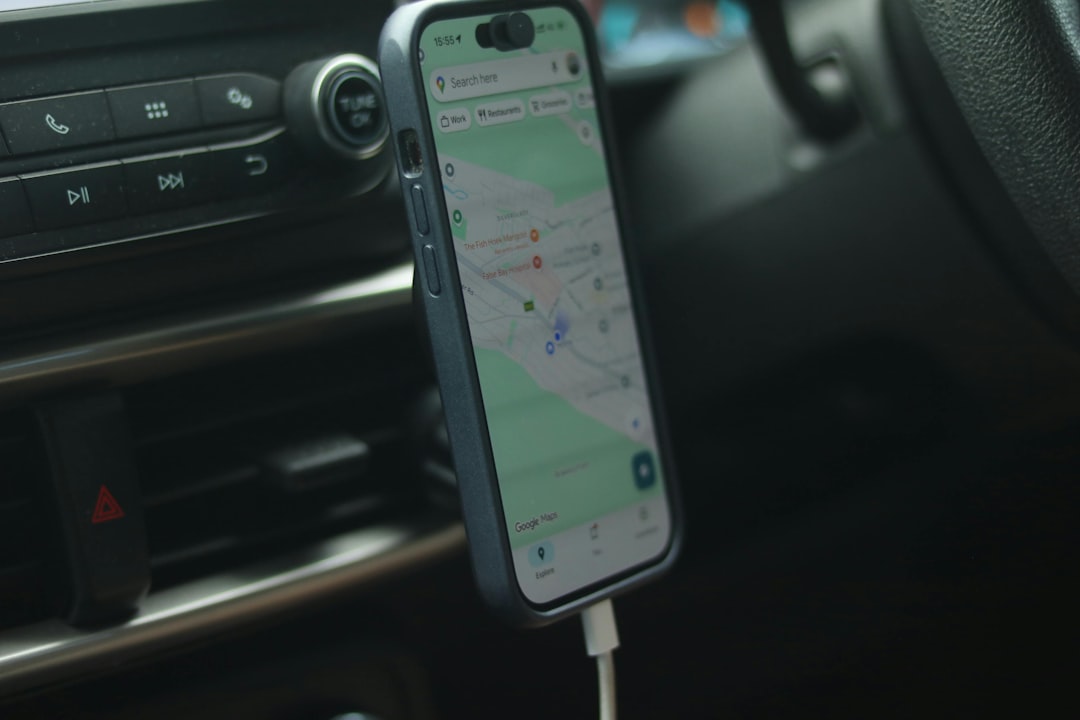
For summer road trips, I don’t leave without the Samsung Super Fast Dual Car Charger. It’s a 45-watt USB-C port paired with a 15-watt USB-A port, which means you can fast-charge a phone while still topping up a secondary device. My older car charger took three hours to bring my phone from 20% to 80%. This one does it in 45 minutes while running navigation. That’s not a luxury — it’s the difference between having maps and driving blind.
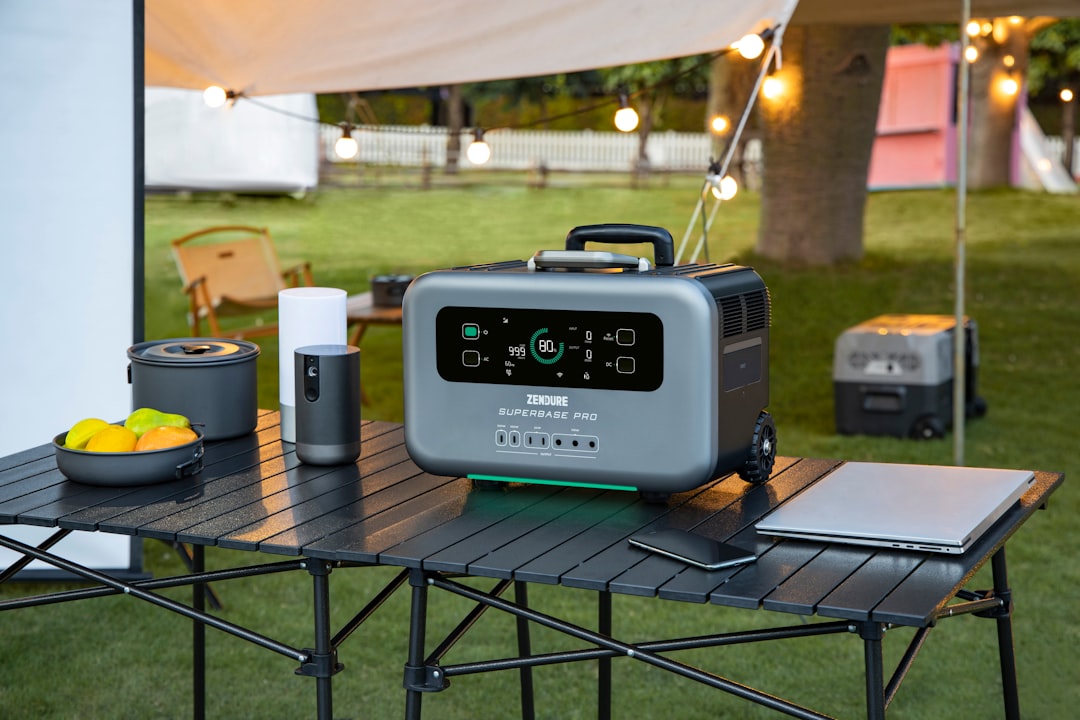
And if you’re going somewhere genuinely off-grid — camping, remote cabins, that Airbnb in the middle of nowhere that sounded romantic until you realized the nearest plug is in the main house — the BLUETTI Elite 200 V2 Portable Power Station is the most capable backup battery I’ve tested in this size class. It stores over 2,000 watt-hours, which translates to roughly 15 full phone charges, 5 laptop charges, or enough juice to run a CPAP machine all night. The LFP battery chemistry means it’ll hold capacity for years instead of degrading after one season like cheaper lithium-ion packs.
I took one to a cabin trip in Tennessee in April. It ran a small space heater for 90 minutes, charged every device in our group of four, and still had 40% left when we packed up. Not cheap, but Prime Day brings it into a range where it makes sense as a house emergency backup that also happens to travel.
The Small Things That Save You Hours
Most travel tech advice focuses on the big items — laptops, cameras, headphones — but the gear that actually saves you time and stress tends to be smaller and less glamorous. These are the things I add to every trip prep now without thinking about it.
A universal travel adapter seems obvious, but you’d be amazed how many people still travel with the wrong one. I keep a compact universal adapter in every bag I own so I never have to think about it. Look for one that handles Type C, G, A, and I at minimum — that covers Europe, UK, US, and Australia/New Zealand in a single device.
A good portable external SSD is the insurance policy most people skip until they’re standing in a hotel room with a phone full of 4K videos and zero free space. I carry a 2TB Samsung T7 on every trip. Offload your photos each night, and you’ll never have to make the heartbreaking choice between deleting a video and not recording the next one.
Then there’s the one piece of tech I’d recommend even to people who “aren’t tech people”: a Bluetooth luggage tracker. Whether you go with Tile, AirTag, or one of the newer GPS-enabled options, knowing where your bag is — in real time, from your phone — eliminates the single most stressful part of air travel. I watched my checked bag sit in Dallas for two hours on a connecting flight last summer, called the airline before they even knew there was a problem, and had it rerouted the same day. That tracker paid for itself in that single incident.
And don’t overlook the boring stuff. A set of packing cubes sounds like something your aunt would recommend, but the first time you pull a clean shirt out of a perfectly organized cube instead of digging through a duffel bag that looks like a laundromat exploded, you’ll understand. They compress clothing, keep clean and dirty separated, and turn a chaotic bag into a system.
Timing the Deals
Here’s what I’ve learned from covering Prime Day for the last several years: the best deals don’t wait. Amazon’s lightning deals sell out. The “limited stock” warnings are sometimes real. And the items that get the deepest discounts tend to be the ones everyone wants — which means by 2 PM on day one, the good stuff is gone.
My strategy is simple: bookmark the product pages now, set a reminder for June 23rd, and check prices first thing in the morning. Amazon price-matches throughout the event, so if something drops lower than expected, grab it. The items I’ve highlighted here are the ones I’ve personally tested or can vouch for based on brand reputation and real-world specs. None of them are filler.
Travel tech should solve problems, not create new ones. Every item in this list replaces something harder, heavier, or less reliable. That’s the test I apply to everything I pack — and it’s why my bag has gotten noticeably lighter over the years even as my trips have gotten more ambitious.
Prime Day runs June 23rd through the 26th. Set your reminders. I’ll be refreshing pages right alongside you.