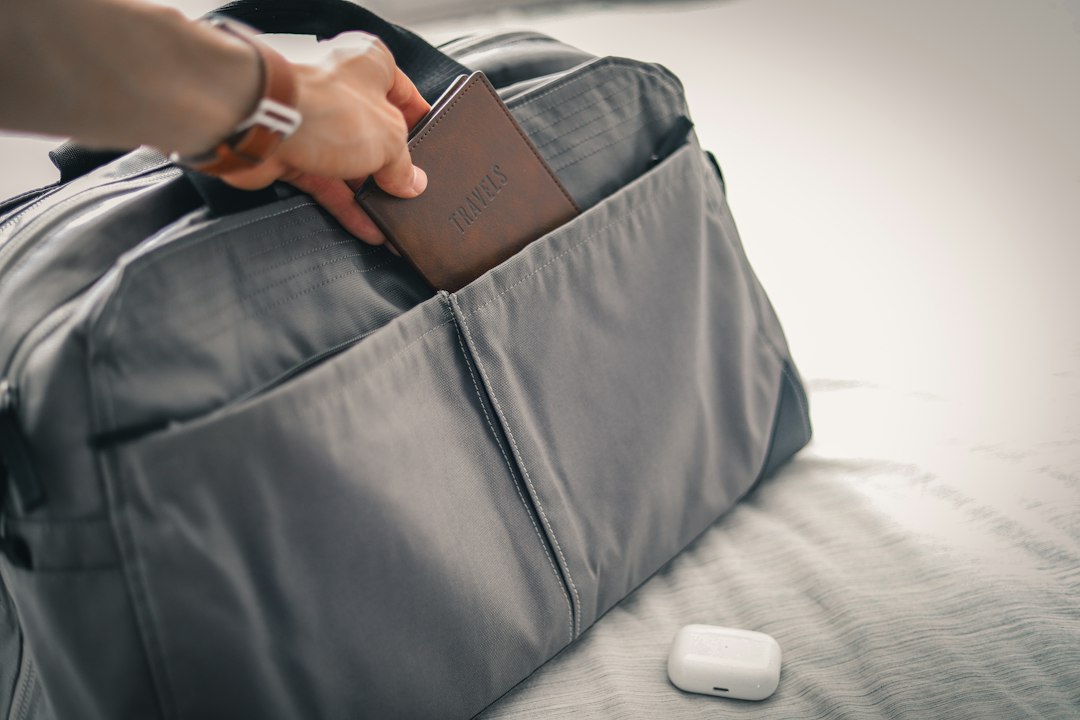
Two boxes landed on my desk this week at almost exactly the same price. One is a pair of Sony WH-1000XM5 headphones, a last-generation flagship that Amazon has quietly marked down to about $198, the lowest I have seen it sit for more than a day. The other is a pair of AirPods Pro 3, Apple’s current earbuds, at $199 instead of the $249 list. One dollar apart. Same shopping cart, same early Black Friday banner, same little red “deal” badge.
And they are not remotely the same product. That is the whole point of this piece. Every November I watch people pick headphones by the size of the discount instead of the job they need done, and every January a few of those people email me asking why the thing they bought lives in a drawer. So let’s skip the percent-off math and do the job math instead: where you listen, who you talk to, what phone is in your pocket, and how long you need the battery to last.
The Short Answer
If you want the verdict before the reasoning, here it is. I have lived with both of these for a long time, the XM5 since launch and the Pro 3 since they shipped, and these are the picks I’d actually make at today’s prices:
- Long flights, trains, and an open office: Sony WH-1000XM5 Noise Canceling Headphones — the bigger seal and 30-hour battery win long sessions.
- iPhone owners who want one pair for everything: Apple AirPods Pro 3 — pocketable, great calls, and the tightest iPhone integration you can buy.
- Want the newest Sony instead: Sony WH-1000XM6 Headphones — only if the XM5 price creeps back above $229 in your color.
- Android household on a budget: Soundcore by Anker Space One Headphones — most of the over-ear experience for far less.
Why These Two Are Even in the Same Conversation
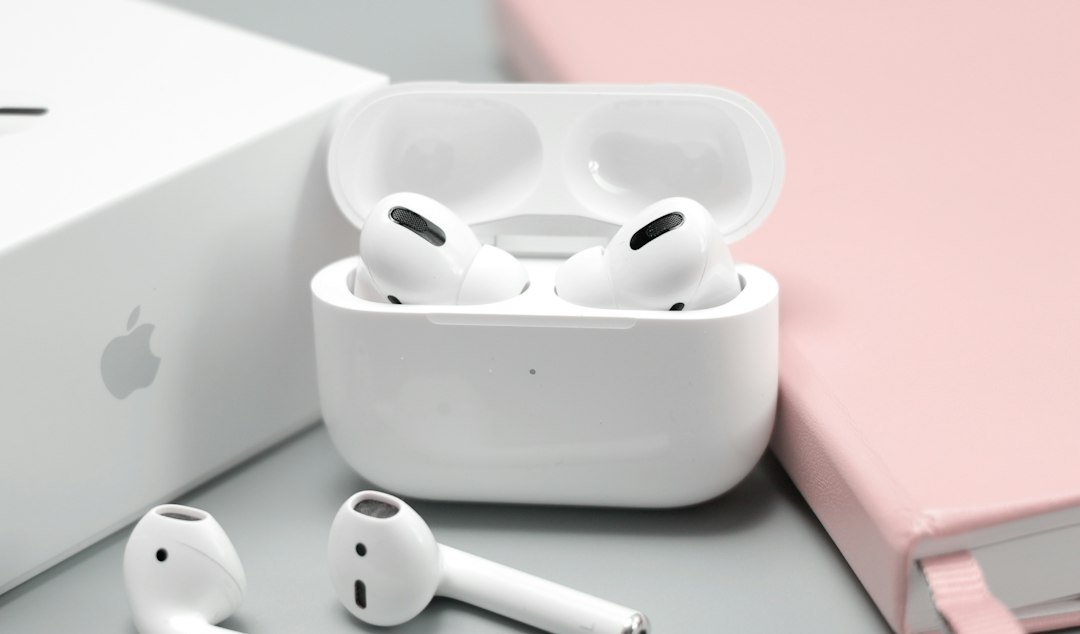
Price is the only thing these two have in common, and this year that coincidence is unusually tight. The XM5 launched at $399.99 and spent most of this fall around $228 at Amazon. Late October it dropped to $198 and has bounced between $198 and $199.99 since. The AirPods Pro 3 launched at $249 and have been sitting at $199 at Amazon since November began, which already beats last Black Friday’s $219.99 price on them.
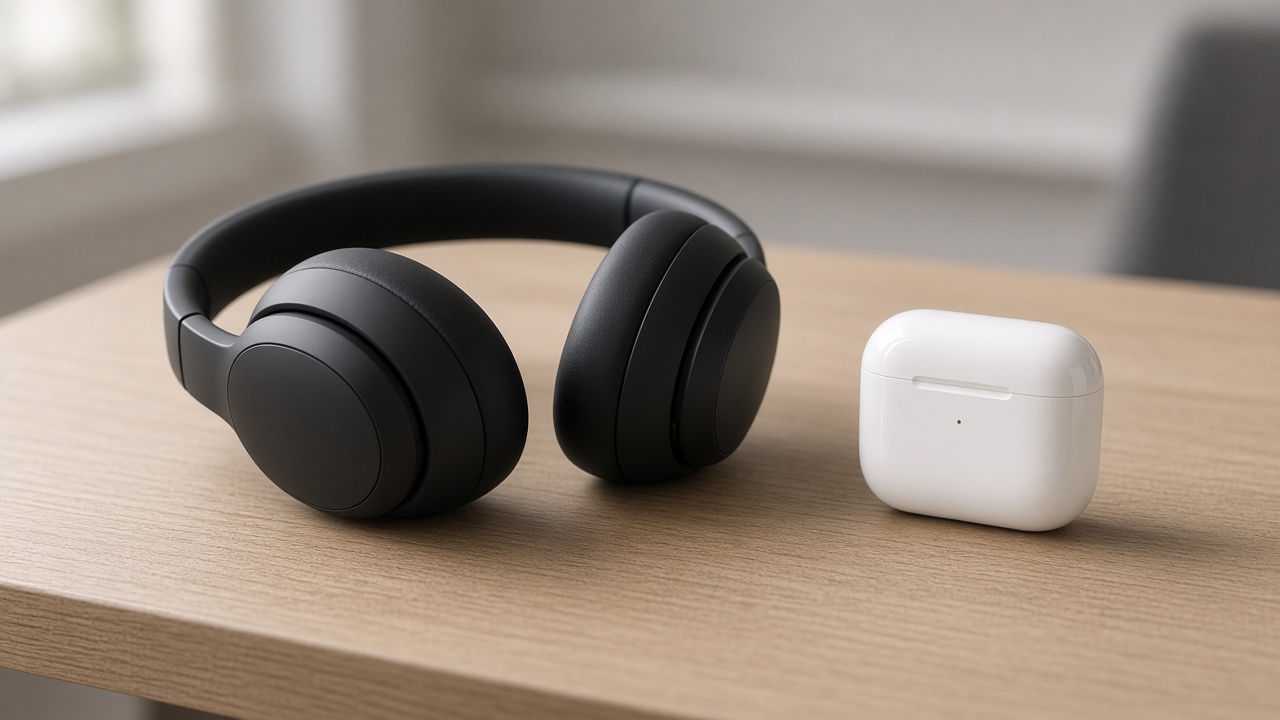
So a lot of people are standing in front of the same question: “I have two hundred dollars for headphones. Which ones?” That is a fair question, but it hides two very different products. One goes over your ears, weighs about 250 grams, and folds into a case the size of a hardback book. The other weighs a few grams per bud and disappears into a coin pocket. One is a generation behind. One is current. Both are excellent at what they were built for.
My rule for this kind of decision is simple and has held up for twenty-five years: buy the form factor first, the brand second, and the discount last. If you get the form factor wrong, no price is low enough.
The Commute Test: Where Each One Earns Its Keep

I ran both through my usual commute loop for a couple of weeks: a walk to the train, twenty-five minutes on a rattling regional line, a coffee shop, and the walk home. Here is what actually happened, not what the spec sheet promised.
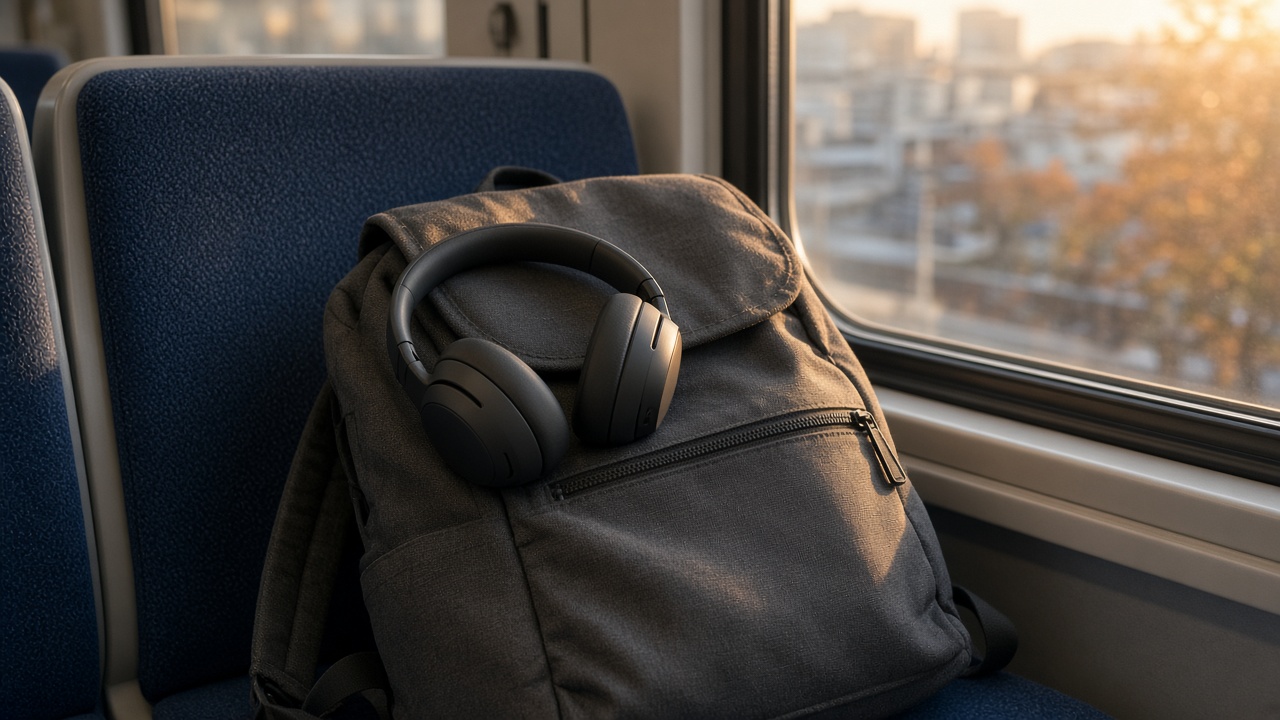
On the train, the XM5 is in a different league. Over-ear cups block the low rumble of the rails passively before the noise canceling even does its job, and the active noise canceling layers on top. The AirPods Pro 3 are genuinely impressive for earbuds, and Apple’s newest ANC closes a lot of the gap, but there is physics involved here. A sealed cup around your whole ear beats a foam or silicone tip in your ear canal when the noise is low and constant.
On the walk, the story flips. The XM5 in a cold November wind is cozy, sure, but they are bulky around your neck when you take them off to order coffee, and they don’t fit in a jacket pocket. The AirPods Pro 3 go in and out in a second, the transparency mode is the most natural I’ve used, and you forget you’re carrying them. If your commute has a lot of stops, starts, and conversations, the earbuds make your day easier.
My honest take: if you sit for more than thirty minutes in a loud place most days, buy the over-ears. If your day is a series of short hops, buy the earbuds. If you want the full ANC field test that informed this, my budget ANC headphone shootout covers what cheaper cans manage on the same train.
The Flight Test: Thirty Hours Versus Eight

Battery life is where the “same price” framing falls apart completely. The XM5 is rated for up to 30 hours with noise canceling on, and in my use that is close to the truth. I flew to the West Coast and back on one charge with a layover, and they still had juice. Sony rates a three-minute top-up for roughly three hours only with a USB-PD-compatible AC adapter rated at 9 V/2.3 A or more, under its stated conditions. Its charging guide specifies 25–35°C (77–95°F) and notes that results vary with use conditions; the standard three-minute charging figure is about one hour. That quick top-up has saved me more than once at a gate, but not every USB-C charger delivers the faster result.
The AirPods Pro 3 are rated for up to 8 hours per charge with ANC, and the case refills them several times. Eight hours is a lot for earbuds, and on a domestic flight you will never notice. On a long-haul overnight, though, you will be popping them into the case at some point, and some people hate sleeping in earbuds anyway. Others hate sleeping in over-ears because the headband presses on the seat back. Know which one you are before you buy.
For frequent travelers, I’d also budget for the boring accessories that make either pair better on a plane: an Airplane Headphone Adapter so the XM5 can plug into the seatback screen with its included cable, or a Twelve South AirFly Pro Bluetooth Transmitter so the AirPods can connect to in-flight entertainment wirelessly. That second one is a small purchase that fixes the biggest earbud annoyance on a plane.
The Call Test: Who Hears You Better

I take a lot of calls. Some are from my home office, some are from the train platform, and some are from a kitchen where a dishwasher is running. Calls are where I expected the XM5 to win on sheer microphone count, and it’s closer than you’d think.
The XM5 uses an array of beamforming microphones and does a solid job isolating your voice. People on the other end told me I sounded clear indoors and fine outdoors, with some wind wash when it gusted. The AirPods Pro 3, paired with an iPhone, were consistently rated as slightly better by the people I called, especially in noisy rooms. Apple’s voice isolation processing is very good, and the mic is closer to your mouth.
The bigger difference is comfort over a long call day. Four hours of video meetings in the XM5 is easy for me; the earcups are soft and the clamp is light. Four hours of earbuds starts to feel like four hours of earbuds. If your workday is mostly calls at a desk, I’d lean over-ear, or skip both and look at a dedicated headset. If you take calls on the move, the earbuds win.
One more desk note: if you also want speakers for when the headphones come off, my piece on giving your desk a real sound system pairs well with whichever you choose here.
The Ecosystem Test: Your Phone Already Picked for You
Here’s the part nobody likes to hear. If you own an iPhone, the AirPods Pro 3 are tied into it in ways no third-party headphone can match: instant pairing, automatic switching between your iPhone, iPad and Mac, hearing health features, Find My tracking for the case, and the newer live translation features. That integration is a real feature, not marketing.
If you own an Android phone, the AirPods Pro 3 lose a big chunk of what makes them special. They still work as Bluetooth earbuds, but you give up the automatic switching, most of the settings, and some of the smart features. For Android users, the XM5 is the much easier call, and Sony’s app works the same on both platforms. If you want earbuds on Android, look at the Sony WF-1000XM5 Earbuds or the Samsung Galaxy Buds3 Pro instead of fighting the Apple ecosystem.
The XM5 also supports multipoint Bluetooth, meaning it can stay connected to a laptop and a phone at the same time. If you split your day between a Windows laptop and an iPhone, that is a genuinely useful trick the AirPods only do cleanly inside Apple’s own world.
The Fit and Workout Test

Neither of these is a gym headphone in the strict sense, but people will use them that way, so I tried. The AirPods Pro 3 have an IP rating for sweat and water resistance, they stay put with the right tip size, and the heart-rate sensing is a nice bonus if you live in Apple Fitness. For a run, a gym session, or yard work, they’re the obvious choice.
The XM5 is not built for sweat. The earpads will get warm and damp, they slide on a run, and the headband is not designed to be bounced around. Use them for the cool-down walk home, not the treadmill. If you want a dedicated workout pair, the Beats Powerbeats Pro 2 with ear hooks are the better gym tool.
Fit is also the most personal thing here. Some people simply can’t wear earbuds: the tips never seal, or they itch after an hour. Some people get headaches from any headband. If you have a history with either, trust it over any review, including mine. I’d also add a pack of foam ear tips to the cart for AirPods buyers who struggle with the silicone seal; they fix the fit for a lot of people and improve noise canceling at the same time.
If neither in-ear nor over-ear sounds pleasant, read my notes on open-ear earbuds finally getting a reasonable price. That is a third category worth considering if you need to hear traffic.
The Last-Generation Question
I’ll address the elephant in the room: the XM5 is a previous-generation product. Sony’s current flagship is the XM6, which sits around $378 right now. Buying last year’s model is usually a smart move when the gap is this large and the improvements are incremental. The XM6 has better noise canceling, an improved fold, and better call processing. The XM5 still has excellent sound, great comfort, and the battery life I care most about.
My rule: the XM5 is a strong buy below $200, a reasonable one up to about $229, and a bad one anywhere near its $399 list price. The low price has not applied equally to every color, so check the exact color you’re buying. If the one you want is $229 or more, the gap to the XM6 narrows enough that the newer model makes more sense.
The AirPods Pro 3 are current, and Apple usually doesn’t refresh AirPods Pro every year. You’re buying something that will be the latest model for a while, and that matters for resale and software support. The flip side: reports suggest Black Friday could push them toward $179 or even $169, which matches what they hit on Prime Day. If you can wait three weeks and are comfortable with risk, waiting might save you another $20 to $30. If you need them for a trip before Thanksgiving, $199 is a fair price and I would not lose sleep over it.
This is the same discipline I laid out in my Black Friday laptop rules: check the price history on the exact model and color, confirm it’s sold by Amazon or the manufacturer, and ignore the “was” price on the badge.
The Accessories That Matter More Than the Discount
Whatever you choose, a few cheap add-ons will make your $200 purchase last longer and work better. These are the ones I actually use:
- For the XM5: Replacement Ear Pads for Sony WH-1000XM5. Earpads wear out before electronics do. Fresh pads after a year or two make the headphones feel new and restore the noise seal.
- For the AirPods Pro 3: a protective case with a carabiner, like the Silicone Case for AirPods Pro 3. It prevents the scratches and dropped-case cracks that make AirPods look old.
- For both: a small charger that handles everything on your nightstand, like the Anker Nano 30W USB-C Charger. Both charge over USB-C, and one charger in the bag beats two.
My Decision Table
Here’s the cheat sheet I give friends and family when they ask:
- Long-haul traveler, any phone: Sony WH-1000XM5. The battery and passive seal win.
- iPhone user who wants one pair for everything: AirPods Pro 3. The integration and pocketability win.
- Android user: Sony WH-1000XM5, or Sony WF-1000XM5 / Samsung Galaxy Buds3 Pro earbuds if you want in-ear.
- Office worker on calls all day: Sony WH-1000XM5 for comfort, AirPods Pro 3 if you move around a lot.
- Gym, running, yard work: AirPods Pro 3, or Beats Powerbeats Pro 2 for maximum stability.
- Gift for someone whose habits you don’t know: AirPods Pro 3 if they have an iPhone; otherwise wait and ask.
- Color you want for the XM5 is $229 or higher: go Sony WH-1000XM6 or skip.
The Bottom Line
The $1 price difference is a coincidence. The real difference is whether you need a long-session isolation tool or an all-day, everywhere companion. The Sony XM5 at $198 is one of the best long-session headphone deals of the season, especially if you travel or work in noise. The AirPods Pro 3 at $199 are the best everyday earbuds for iPhone owners, and they’ll stay current for a while.
Don’t let the deal badge decide. Picture your average Tuesday, then pick the one that fits it. If you still can’t decide, think about where you’ll be when you reach for them most. That answer is almost always the right one. For more on getting the most out of earbuds at work, my productivity earbuds roundup is still a good starting point.