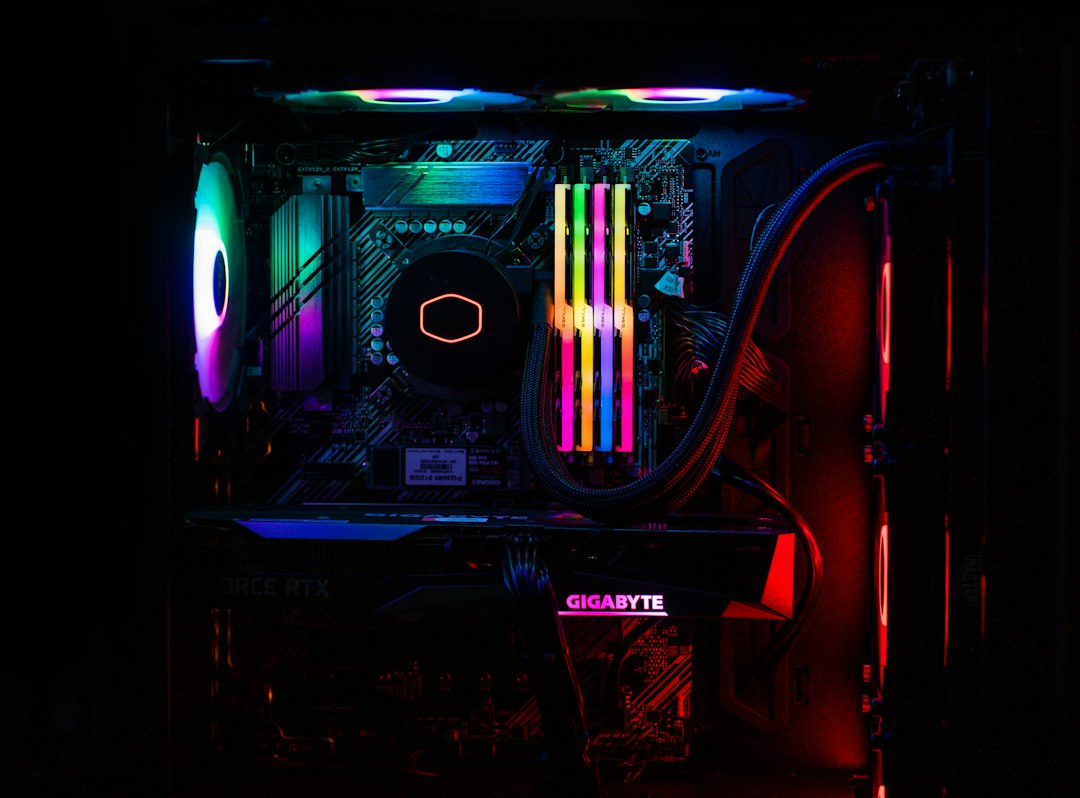
Every quarter, my team and I refresh the three parts lists we keep for readers who want a local AI machine — a budget box, a midweight tower, and a no-limits rig. It’s a two-hour ritual: re-price the CPUs, sanity-check GPU availability, argue about cases nobody sees. This quarter the ritual broke. The line item that used to be an afterthought — memory — now costs more than the processor, the motherboard, and the case combined. A decent 32GB DDR5 kit, the one I recommended without a second thought last spring, currently carries a street price around $429. The 64GB kit that anchors the midweight build? Tracking north of $1,100 at several retailers, with stock coming and going like a phishing scam.
I want to be precise about what happened, because the numbers sound like hyperbole until you check them yourself. Tracking by Tom’s Hardware has the spot price of a single 16-gigabit DDR5 chip up nearly 300 percent across a brutal stretch this fall. TrendForce data showed consumer DRAM contract prices climbing as much as 89 percent in one quarter, and their latest forecast calls for another 10 to 15 percent in the fourth quarter — with NAND flash, the stuff inside your SSDs, predicted to jump 15 to 20 percent on top of it. This is not a sale cycle. It’s a structural squeeze, and if you run large language models at home, it landed directly on the one component your rig cannot live without.
The Rig Is Mostly a Memory Vessel
Here’s the thing most build guides still don’t internalize: a local AI machine is not a compute problem first. It’s a capacity problem first. A quantized 32-billion-parameter model wants roughly 18 to 20GB of memory just to hold its weights. A 70B model at 4-bit needs north of 40GB before it answers a single question. Add a long context window — feeding the model a 200-page PDF, say — and the key-value cache quietly eats several more gigabytes on top of the weights. The GPU or NPU determines how fast you generate tokens. Memory capacity determines whether the model loads at all.
That flips the entire build logic. For twenty years we spec’d machines CPU-first, treated RAM as a rounding error, and upgraded sticks the way we upgraded doormats. In 2026, the honest spec sheet for a local AI rig starts with a memory budget and works backward. When a reader asks “what computer runs a 70B model,” the real answer is “whichever one you can afford to fill with 48-plus gigabytes,” and this year that sentence got painfully expensive.
How the Cloud Ate Your Parts Cart
The cause isn’t mysterious, and it isn’t your fault. The same factories that stamp out DDR5 for desktops also stamp out high-bandwidth memory stacks for AI accelerators, and those HBM orders are paying better than consumer DIMMs ever will. When a fab has limited wafer starts, the allocation follows the money — straight into data centers. Everything you and I buy gets made from the crumbs, and the crumbs got scarce. Digitimes has been tracking server DDR5 spot prices climbing week after week; when enterprise buyers absorb supply at a premium, retail kits don’t stand a chance.
Even NVIDIA’s own desk-side box tells the story. The 64GB DGX Spark arriving October 23 lands at $4,999 — and the honest read isn’t “wow, expensive.” It’s that fast memory has become the entire cost center of AI computing, from a $5,000 desktop appliance all the way down to the $429 32GB kit in your cart. Meanwhile, reports out of Korea this month describe home AI servers migrating into basements and attics, because the machines that used to be “a beefy desktop” now deserve their own room, their own power circuit, and their own depreciation schedule. The era of casually bumping RAM to 64GB because a game streamer told you to is over.
Buy the Depreciation, Not the Sticks
So what do you actually do? My first move, and the one I’d recommend to anyone starting from zero: stop buying new memory entirely, and buy someone else’s depreciated memory pre-installed. Off-lease corporate workstations — Dell Precision towers, HP Z-series, Lenovo ThinkStations — were specced by IT departments that paid $400 a stick for 32GB ECC modules back when nobody blinked. Three years later, those towers liquidate at auction for less than the memory inside them cost new. A renewed Dell Precision tower with 64GB already seated routinely lands under what a bare 64GB DDR5 kit costs today. The RAM arrives installed, burned in, and effectively free.
We proved this playbook on the bench in August when we built a secondhand AI rig from a used GPU and an off-lease tower — it beat the subscription drawer handily, and it still would. But the window is narrowing, because the used market reads the same news you do. DDR4 chip prices just set a record near $42.50 each, which means the scrap value of old ECC sticks is climbing, and resellers are repricing towers by the gigabyte. If you want a renewed ThinkStation with threads to spare or a stack of DDR4 ECC modules to top one off, I wouldn’t spend October deliberating.
There’s a parlor trick here worth naming, too. A workstation with eight empty ECC slots and a 128GB ceiling is effectively a futures contract on cheap memory: buy the chassis now with whatever it ships with, then fill slots opportunistically as DDR4 supply loosens in whatever quarter the AI procurement frenzy pauses for breath. That’s the opposite of locking in today’s DDR5 peak pricing. Depreciation is the only discount left in this market — let someone else’s IT budget pay it.
Unified Memory Skips the Whole Negotiation
The second path sidesteps the DIMM market completely. Apple’s unified memory isn’t sockets and sticks; it’s LPDDRAX soldered to the package, priced by Apple, and quietly immune to the spot-market chaos. A 64GB Mac mini still costs what a 64GB Mac mini cost last quarter, while the equivalent DIY memory budget doubled. We ran our whole house off an eleven-watt mini for six weeks this summer and documented how a Mac mini quietly replaced the home server — the memory math has only strengthened that argument since.
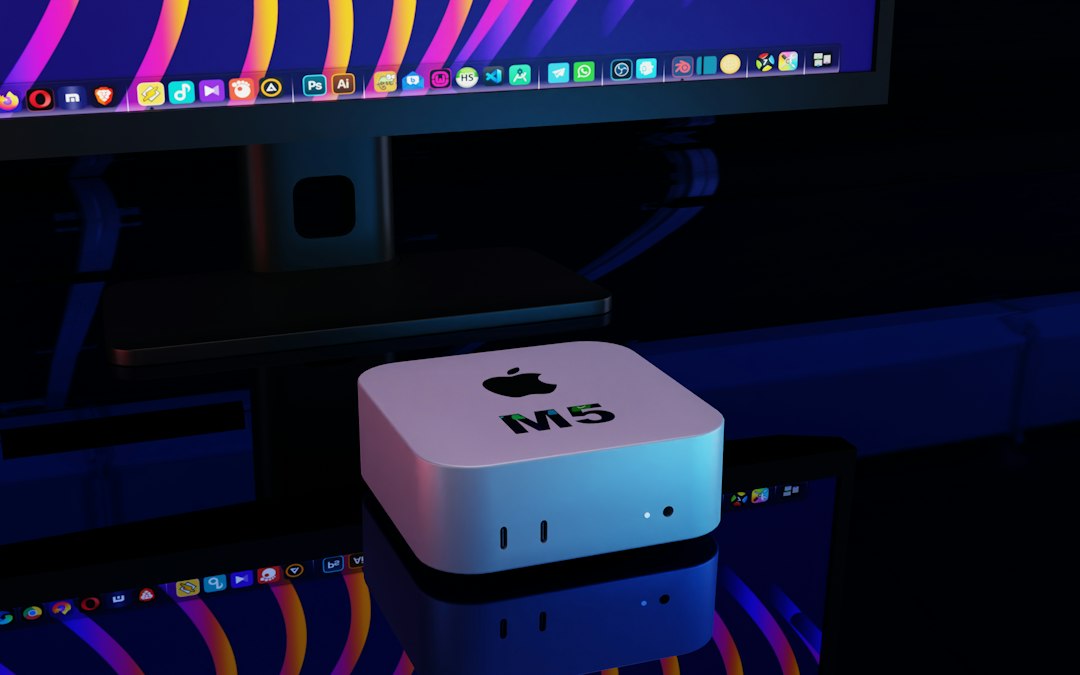
Two caveats keep me honest. Unified memory is not upgradeable — the gigabytes you buy on day one are a permanent decision, so in a memory-expensive world, splurge up front with zero guilt. And if you need serious capacity, the pricing curve bends steep: a Mac Studio configured to 128GB costs more than a used sedan. But for the 30-to-70B model class that most home users actually run, a 64GB unified-memory box is suddenly the rational purchase in a way it never was when DDR5 was cheap. Funny how a supply crunch can make the expensive option the value option.
The Storage Tax Nobody Budgets
Quick heads-up while we’re pricing the invisible: models are storage-hungry, and storage is the next domino. A working library — a couple of 70B quantizations, a few 32Bs, an embedding model, a vision model — swallows 400GB before you’ve curated anything. TrendForce is forecasting NAND flash up another 15 to 20 percent this quarter, which is why I already wrote the field guide on the great storage squeeze of 2026. The short version: buy the SSD before you buy the GPU.
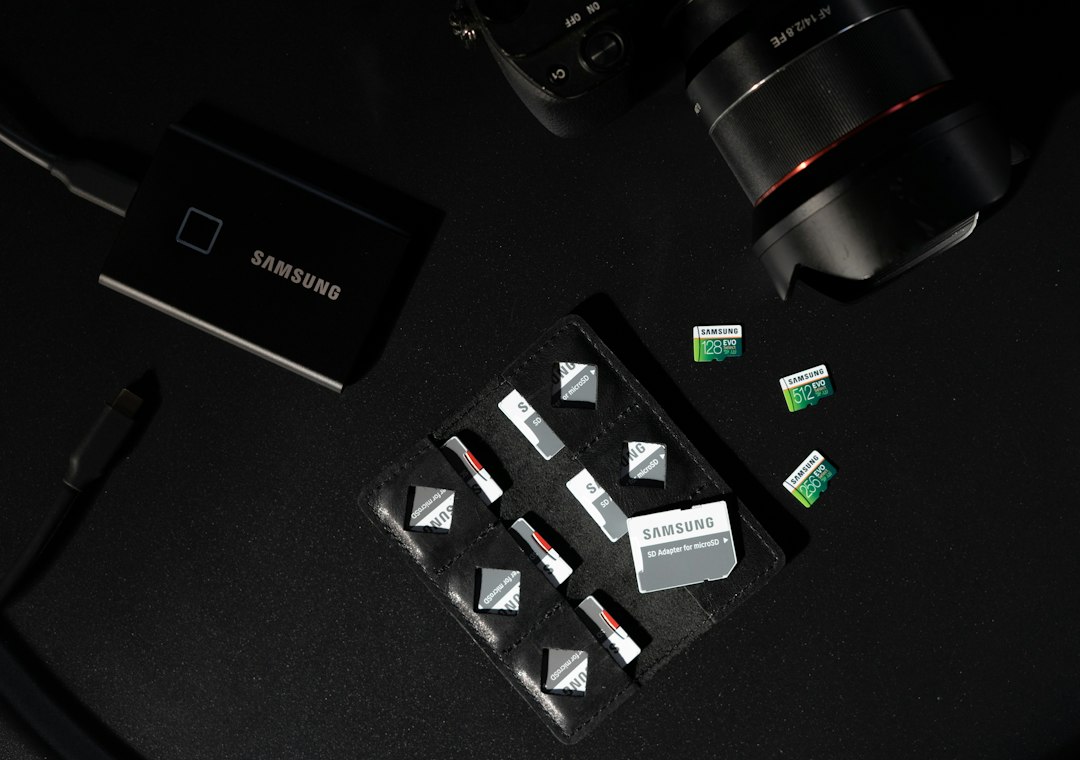
Concretely, a 2TB NVMe drive like the WD Black SN850X holds a full model zoo with room for experiments, and model loading from fast NVMe is the difference between switching models in forty seconds and scheduling a coffee run. For the overflow — the 120GB quantization you run twice a month — a 4TB Samsung T7 Shield keeps the archive off your boot drive and survives being knocked off the desk, which in my house is a feature, not a bonus.
The List I’d Run This Week
Distilling the whole mess into decisions: if you’re building new and must have DDR5, buy once, buy 32GB of name-brand 6000 MT/s — a Corsair Vengeance kit is the default — and set a price alert instead of paying today’s peak. Generic 32GB DDR5 kits are the same play for less money. Do not build a 64GB DIMM machine in October 2026; that’s catching a falling knife made of money. If you need 64GB-class capacity, buy the renewed tower or the unified-memory box instead.
If your ambitions run to small models and agents rather than 70B monsters, a Copilot+ mini PC with a real NPU runs 8B-class models beautifully for under $700, memory included, and fits behind a monitor. And if you already own any 32GB-plus machine from the last few years, the best upgrade this quarter is no upgrade — your old machine is the bargain now. Quantize harder, cache smarter, and outlast the market.
Memory Winters End
Every memory crunch in computing history has eventually reversed — the gluts of 2009, 2013, and 2019 all followed manias exactly like this one, and each time RAM got so cheap that builders stuffed 64GB into machines that opened email. That day will come again. New fabs are coming online, HBM demand will crest, and someday a 64GB kit will be a line item you brag about skipping. Until then, the play is patience with DIMMs, aggression with depreciation, and creativity with quantization. The gigabyte is the new GPU. Treat every one you own like it costs a hundred bucks — because this quarter, it does.