
When I moved my office home permanently six years ago, I inherited two coworkers I never interviewed: a sixty-pound shepherd mix who treats my 3 p.m. stand-up break as a personal appointment, and a gray tabby who has claimed the warm spot behind my monitor since the day the monitor arrived. I have reviewed thousands of gadgets in twenty-five years of doing this, but the gear that gets the most daily use in my house isn’t a laptop or a keyboard. It’s the small fleet of pet tech that keeps a work-from-home household from descending into chaos between meetings.
Over two shedding seasons, my team and I ran the stuff that matters: feeders that portion kibble while you’re on a call, cameras that check on the dog without a cloud bill, a GPS collar that actually earned its keep the day the gate didn’t latch, and one very expensive litter box that I have complicated feelings about. Here’s what survived — and where the subscription trap is hiding.

The Feeder That Ends the Staring
Every remote worker with a dog knows the stare. You’re mid-sentence in a client call and a wet nose appears under your elbow at 11:58 a.m., because lunch is at noon and dogs do not understand calendar buffers. The fix that actually stuck is an automatic feeder, and after months of testing, the one I keep recommending is the PetSafe Smart Feed. It’s held Wirecutter’s top feeder spot through multiple testing cycles for good reason: the 24-cup hopper lasts my dog nearly three weeks, the app schedules portions down to an eighth of a cup, and the slow-dispense mode stretches a meal across fifteen minutes so fast eaters don’t inhale their kibble. Veterinarians I spoke with while researching this piece were unanimous that slow feeding matters more than most owners think.
The best part for a subscription-fatigued household: scheduling and manual feeds work in the free app forever. There’s an optional premium tier, but the core function — meals happen at mealtimes whether you’re on a call or not — never asks for a credit card refresh. If you want the same discipline for under fifty dollars, the PETLIBRO Wi-Fi feeder covers the basics with a freshness-preserving hopper and a low-food sensor, and it’s the unit I hand to cat-owning friends who just want dinner to happen on time.
Cat people on wet-food duty got a new option this year too. The PetSafe FreshFeed is a refrigerated feeder with six sealed compartments that keeps a multi-day rotation of wet meals cold and opens them on schedule — the first device I’ve tested that solves the actual reason wet-food households can’t automate: spoilage. It’s early, and the capacity means it’s a supplement rather than a replacement for dry kibble automation, but it’s the first genuine innovation in feeders I’ve seen since app scheduling went mainstream.
One feeder note from the school of hard knocks: measure your kibble before you buy. My first feeder jammed weekly until we realized the oversized dental sticks in the mix were exactly the shape the dispenser hated. Portion precision only works when the mechanism and the food agree.

The Camera Question: Treat Toss or No Bill at All?
Here’s where pet tech gets philosophically interesting. The Furbo 360° Dog Camera is the best pure pet camera made — 2K video, a full rotating view of the room, two-way audio, and a treat launcher that has never once failed to deploy. My dog hears the toss motor from anywhere in the house. But Furbo’s newer lineup quietly splits in two: some bundles now list paid plans required to activate features that used to be free, and the listing for the core 360 camera specifically advertises “no ongoing cost.” Read the box before you buy, because the difference compounds. Furbo’s Nanny subscription for AI alerts runs well over a hundred dollars a year, and as one reviewer put it, if you work from home, the subscription’s value is close to negligible — you’re usually thirty feet from the dog.
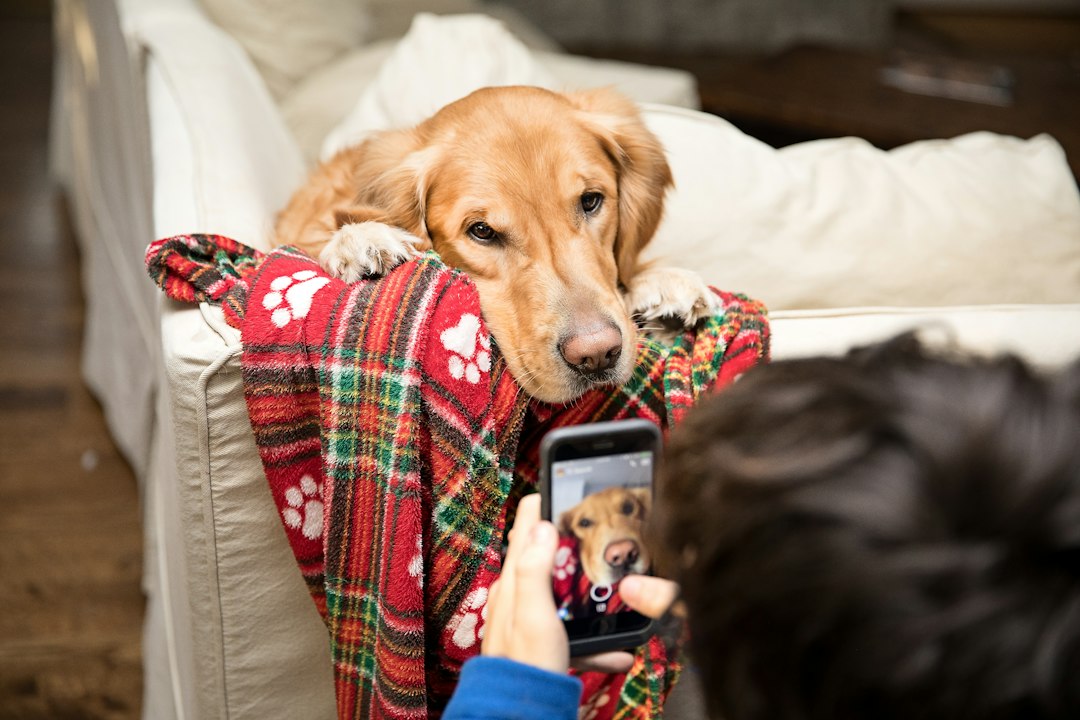
That’s why my default recommendation for WFH households is a camera that treats pet duty as a side gig. The eufy 4K Indoor Camera E30 records locally, works as a pet monitor with no monthly fee at all, and the image quality embarrasses dedicated pet cams at half again the price. My team runs one as the backup for the Furbo, and honestly, for cats — who do not care about treats launched across the room — the Kasa pan-and-tilt indoor camera at around thirty dollars is the rational buy. It’s the same logic I applied when I wrote about smart rings and their subscription creep: hardware that works without a monthly invoice ages gracefully. Hardware that doesn’t, haunts your credit card statement.
The GPS Collar That Actually Found the Cat
Some subscriptions are honest. A GPS tracker needs a cellular connection to beam location from anywhere, and cellular airtime isn’t free — that’s physics and carriers, not greed. The Tractive GPS tracker is upfront about this: the device itself is cheap, the plan is the product, and it works across 175-plus countries with live tracking and a virtual-fence alert that pings your phone the moment your dog leaves the yard.

I can put a number on what that’s worth. One afternoon this spring, a delivery driver left the side gate unlatched, and the shepherd was three houses down before I got my shoes on. The Tractive’s live map turned a fifteen-minute panic into a ninety-second retrieval. Wirecutter’s long-term price tracking also shows Tractive costing less than the competition once you pass year two, which is the only horizon that matters — nobody buys a tracker for one year. Big-dog households should look at the Tractive XL, which stretches battery life for collars that carry more wattage. When I ran the three-year subscription math on AI voice recorders last year, the rule that emerged was simple: pay monthly only when the money buys something physical, like cell towers. The tracker passes that test. A fee to unlock footage your own camera recorded does not.
The Litter Box That Pays Rent
Now the big one. The Litter-Robot 4 is the most expensive pet purchase I’ve ever defended, and after a year of daily use, I’ll defend it: it self-cleans after every visit, the waste drawer lasts days, and the Whisker app tracks litter level and usage without a mandatory monthly fee for the core functions. For a two-cat household where both humans take back-to-back calls, the reduction in mid-meeting scooping runs is not a luxury — it’s marital infrastructure. The tabby’s litter-box visits are now a data stream, and the day her usage pattern changed, that datastream is what got her to the vet two days before symptoms showed.
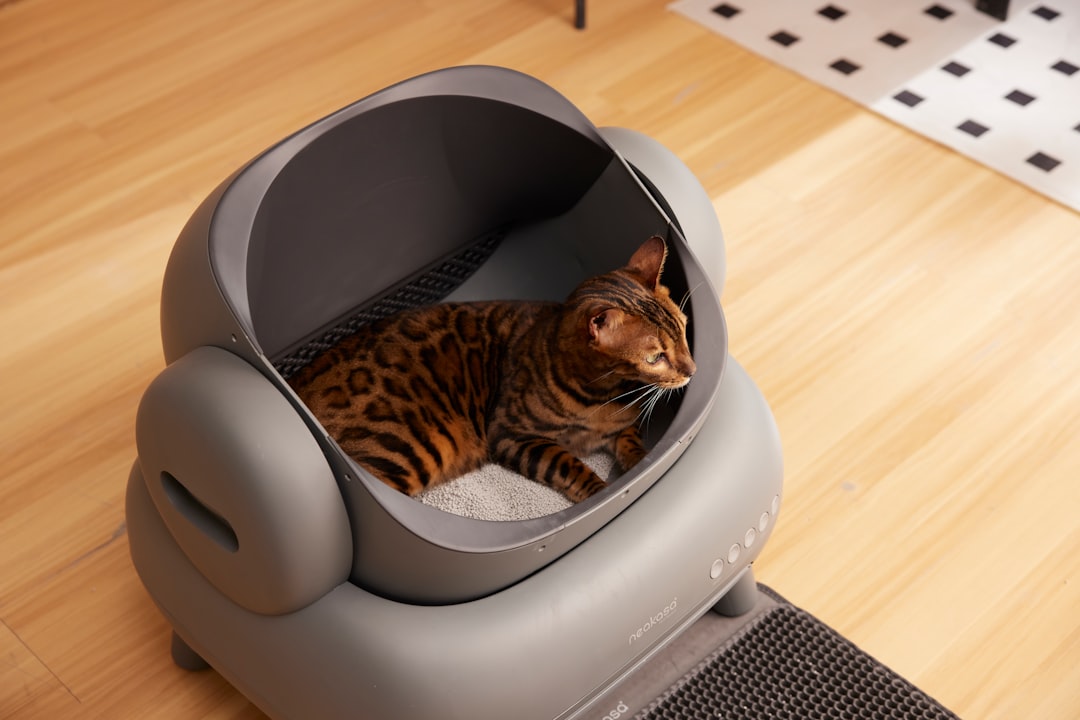
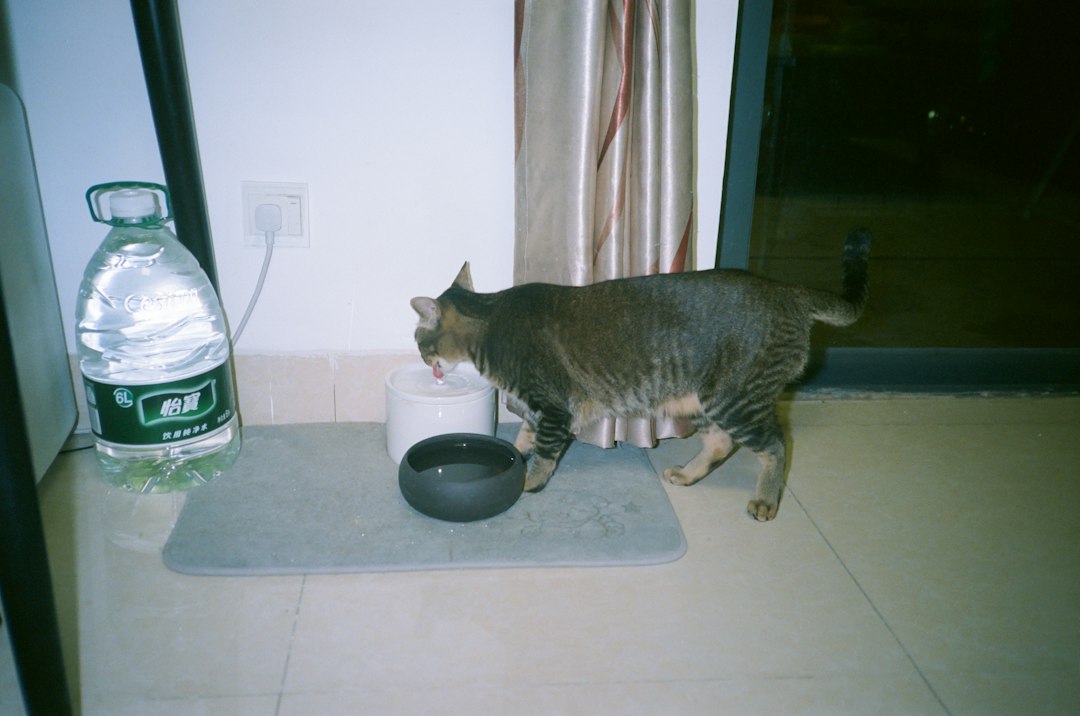
Is it for everyone? No. It’s a major appliance with an appliance’s price, and if one cat and a daily scoop routine work for you, keep your money and buy a nicer stainless steel water fountain instead — hydration tech is the unglamorous wellness upgrade nobody regrets, and the award-winning Veken unit costs less than a bag of the litter the robot eats. If you do take the plunge, the custom-fit waste drawer liners are the recurring cost to budget for, and they’re a genuinely better experience than improvising with grocery bags.
What Two Shedding Seasons Taught Me
Pet tech marketing assumes you’re leaving the house eight hours a day. Almost none of it is designed for the opposite problem — being home constantly, with an animal who has learned that you are technically always available. That asymmetry produced the most useful finding of this whole test: the gear that thrives in a WFH house is the gear that removes you from the loop, not the gear that connects you more. The feeder means I’m not the noon bell. The cameras mean checking on a suspicious silence doesn’t mean leaving my desk. The litter box means scooping happens on my schedule, not hers.
The failures were instructive in the other direction. A “smart” water bowl with app-reported drink volumes demanded an account, a cloud connection, and a monthly fee to tell me things a glance at the bowl told me for free — it went back within a week. An activity collar for the dog promised step counts nobody asked for and a subscription nobody renewed. When a pet gadget’s main feature is a notification, ask who the notification is actually for. The animals never once opened an app.

Running the Household Like a System
What surprised me most about pet tech in a WFH house is how quickly it becomes infrastructure rather than gadgets. The feeder is a scheduler. The cameras are presence sensors. The tracker is a geofence. Together they do for a pet what my automation stack does for the rest of the house — the same philosophy I leaned on when I replaced my voice assistant with local hardware that doesn’t phone home. And no amount of gadgets replaces the low-tech stuff: the shepherd still gets his walk between meetings, and the robot vacuum that handles the shedding — I wrote up the one that finally justifies its price here — does more for household peace than any connected toy on this list.
The decision rule I’d leave you with is the same one this site keeps rediscovering: buy the hardware outright, and pay monthly only for physics. Feeders that schedule for free, cameras that store locally, and a tracker with an honest cell bill — that’s a stack that runs for years without a single renewal email. Your coworkers with paws don’t care about any of it, of course. They just care that dinner lands at noon, even when the call runs long.