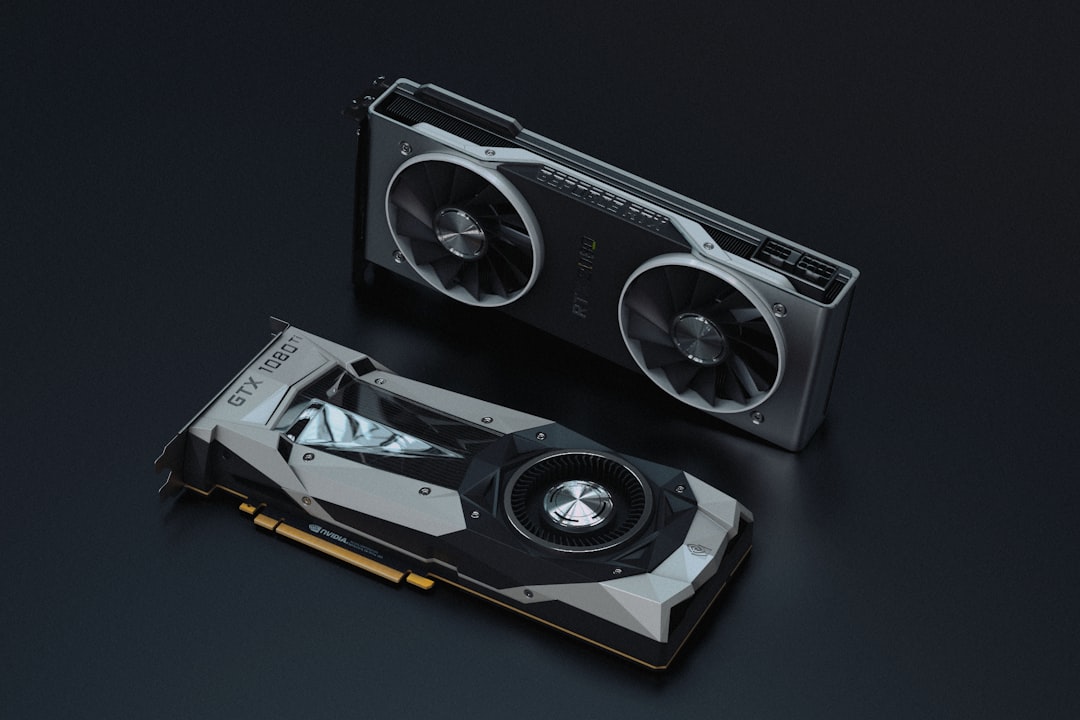
There’s a drawer in my test lab where AI subscriptions go to die. Plaque charges, assistant upgrades, transcription credits — at one point last spring my team was bleeding roughly sixty dollars a month across five services, and the honest answer to “what are we getting for that?” was a shrug. So we tried an experiment: build a local AI machine out of hardware the market has already depreciated, and see whether the used GPU shelf could do what the $2,000 mini PCs couldn’t — make local AI boring. Reliable. Cheap. It took three builds, two returned cards, and one genuinely cursed PCIe riser, but the answer turned out to be yes, with asterisks worth reading.
The timing is not an accident. I wrote earlier this summer about how the RAM price spike wrecked the economics of new machines, and the same logic applies here with interest. When new memory and new silicon carry panic pricing, yesterday’s flagships become the arbitrage. A five-year-old RTX 3090 with 24GB of VRAM sells used for roughly $700 on the open market right now — sometimes less if you hunt — while new cards with that much memory start at four figures and climb fast. For inference, memory is the whole game. Everything else is negotiable.
VRAM Is the Only Spec on the Label That Matters
Here’s the mental model that took me embarrassingly long to internalize: a local model has to fit its weights into memory, full stop. A quantized 32B-parameter model wants about 18 to 20GB. An 8B model gets comfortable in 6 to 8GB. If the weights don’t fit, the system starts swapping layers to system RAM, and throughput falls off a cliff — not “slightly slower,” but ten-times slower. The GPU’s raw teraflops barely move the needle by comparison. A card with 24GB from 2020 will run circles around a card with 12GB from 2026 for this workload, which is exactly the kind of market inefficiency a bargain hunter lives for.
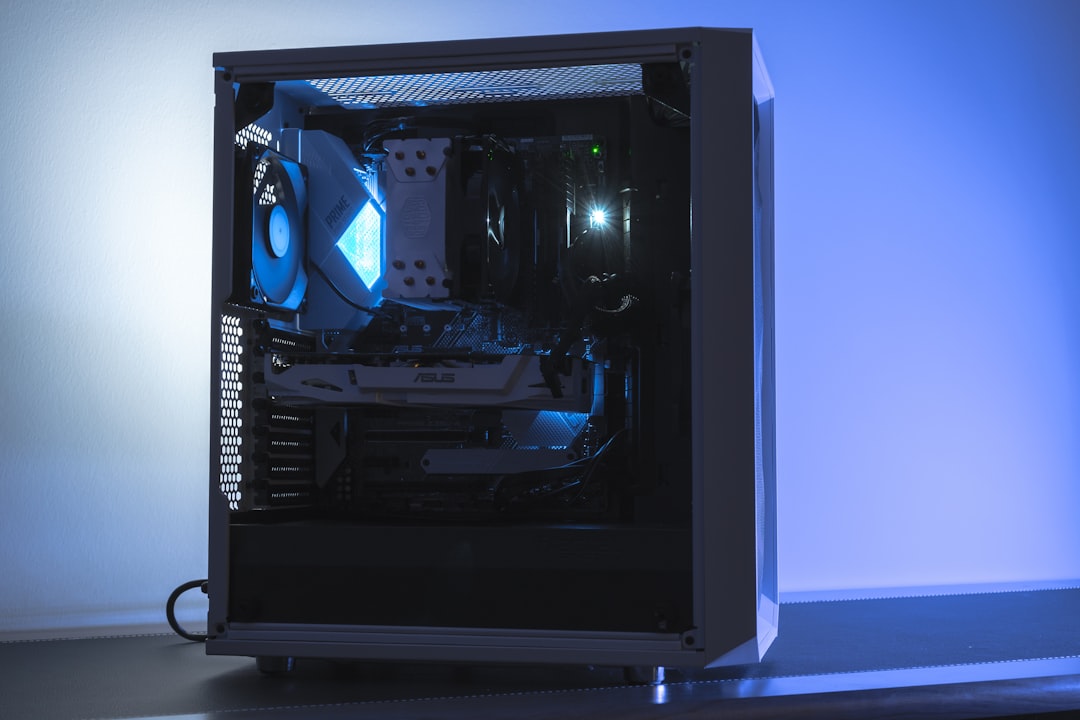
That’s why the used 3090 has become the community’s default answer. It hit 24GB at launch when nobody needed 24GB for gaming, NVIDIA kept it alive as a creator card, and now it sits precisely at the sweet spot: big enough for 32B-class models, cheap enough that buying one doesn’t require a committee meeting. Current used pricing hovers between $600 and $800 depending on condition and seller, with Amazon Renewed listings running higher but carrying a return window that eBay often doesn’t. The MSI Ventus 3X 3090 in Renewed condition is the listing I point friends to first — a triple-fan card with no RGB nonsense, backed by an actual returns policy. The Zotac Trinity 3090 (Renewed) is usually the cheaper alternative, and if you’re dreaming of a two-card rig down the road, the blower-style Gigabyte Turbo 3090 dumps heat out the back of the case instead of into its neighbor’s intake.
Build One: The Founder’s Flex
The first machine we assembled is the one I’d recommend to most people: a used 3090 dropped into a refurbished workstation tower. The trick is buying the tower the way businesses buy computers — off-lease, three years old, half price. A renewed Dell Precision 5820 with a Xeon W and 64GB of RAM showed up at the lab for less than the price of a midrange gaming motherboard bundle, with a case, cooling, and a power supply already sorted. If the budget is tighter, a Precision 3630 with an i7 and 32GB handles the same job for smaller models. Pair either with the 3090, install your inference stack of choice, and you have a machine that chews through a quantized 32B model at 15 to 20 tokens per second — faster than I read, which is the only benchmark that has ever mattered to me.
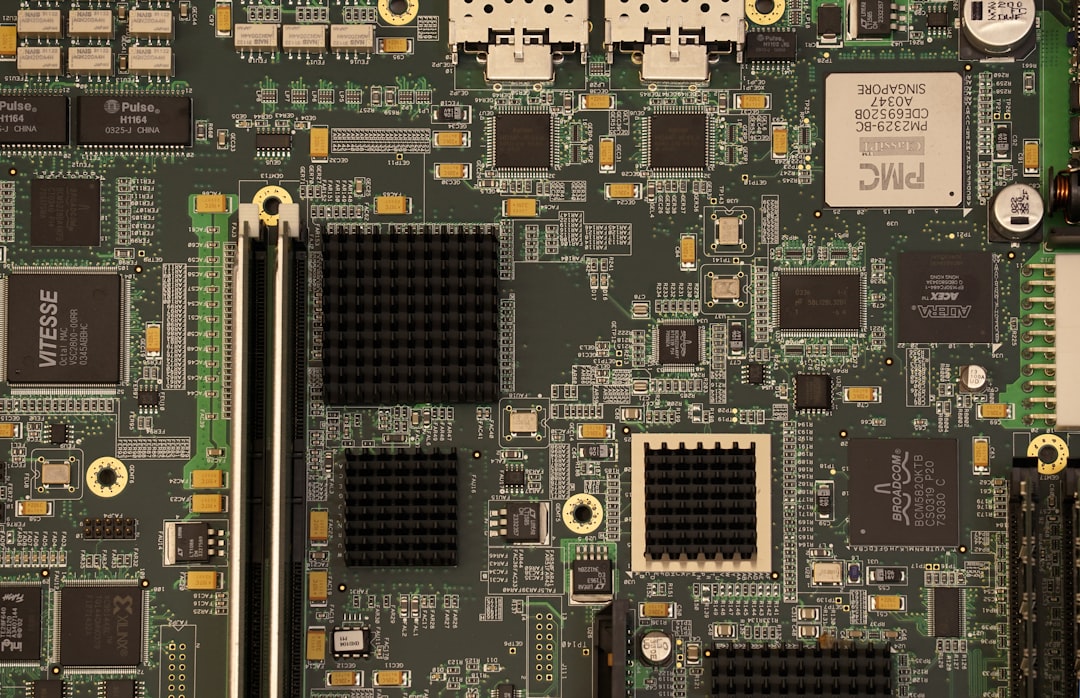
The trap in this build is power. The 3090 has two eight-pin connectors and transient spikes that flatten marginal PSUs, and the 460W unit inside that off-lease Dell will absolutely not survive the encounter. You need 850 watts of clean, modern delivery — the Corsair RM850e is the one we run, fully modular, ATX 3.1 compliant, and quiet enough that it never enters the conversation. And before you close the case: a card this heavy sags in its slot within months. A five-dollar problem, solved by a simple adjustable GPU support brace. My failure to install one on the first build is why the second build exists. Learn from me.
Build Two: The Gateway Card
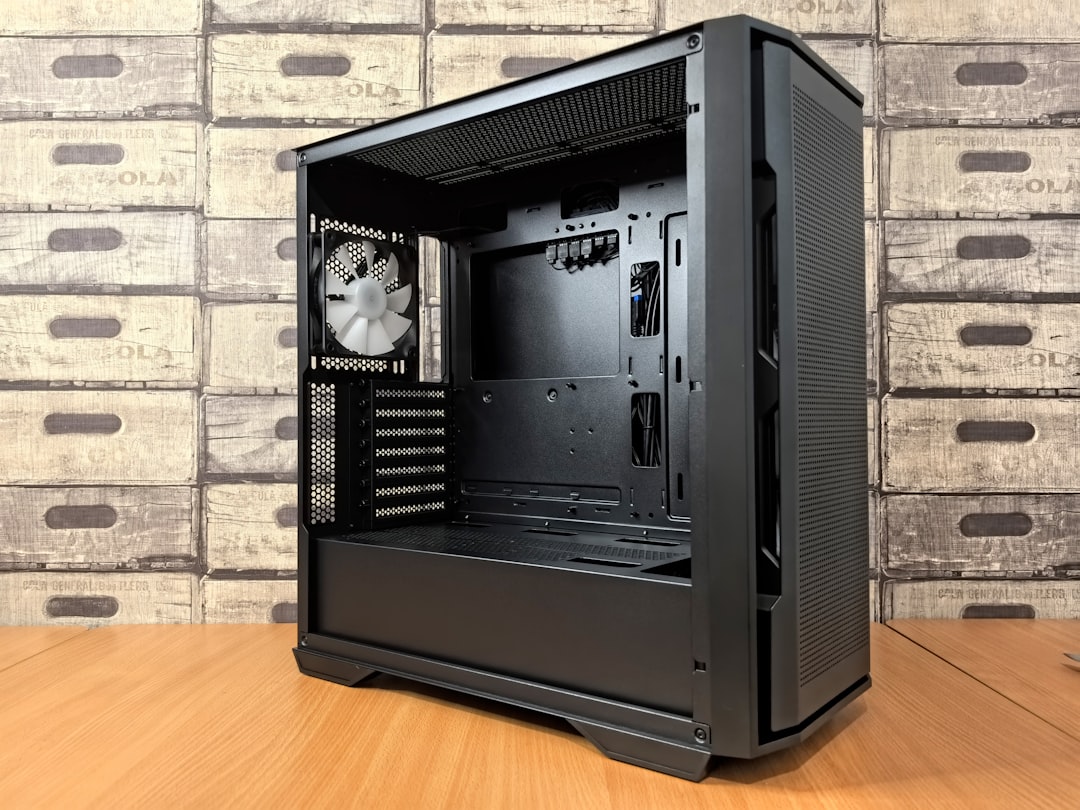
Not everyone needs a 32B model, and this is where the conversation gets practical. If your workload is summarization, email drafting, code snippets — the daily-grind stuff — an 8B model does remarkably competent work, and an 8B model fits on a 12GB card. The humble RTX 3060 12GB, new or barely-used, is the community’s gateway drug for exactly this reason. Something like the Zotac 3060 Twin Edge 12GB runs around $300, sips 170 watts, fits in anything, and pushes 8B models at 30-plus tokens a second. It also handles the GPU-offload tricks in llama.cpp well enough that a 13B model remains usable in a pinch. For a lot of people reading this, that card plus the desktop you already own is the entire purchase. Start there. Graduate later.
Build Three: The Datacenter Refugee
Then there’s the build for the terminally curious. Datacenter cards — the Tesla P40 being the classic — carry 24GB of VRAM at prices that seem too good to be true, and a renewed P40 listing will tempt you with the same memory as a 3090 for roughly half the money. What the listing won’t mention: no fan (they were cooled by chassis airflow in server racks), no display outputs, older architecture that thinks about some modern kernels the way my grandfather thought about smartphones. My team ran one for six weeks with a zip-tied cooling mod before conceding that the 3090’s sanity tax was worth paying. If you enjoy the tinkering itself — and some of us do — the P40 is a genuinely fun project. If you want an appliance, skip it.
Buying Used Without Getting Burned
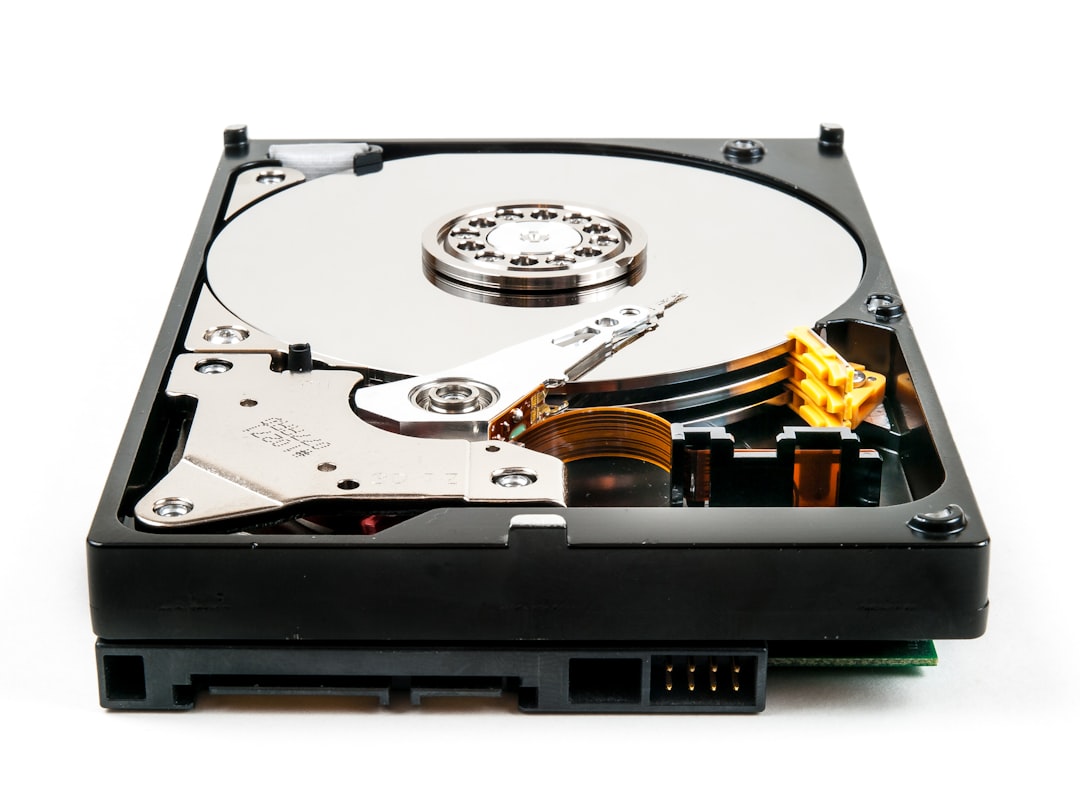
The used GPU market rewards a little paranoia. Mining-era cards are the boogeyman everyone mentions; the honest data says memory that ran undervolted mining workloads often aged fine, while thermal cycling from gaming did more damage. What actually kills these cards is VRAM heat and dried-out thermal paste, and you can’t inspect either from a listing photo. So buy where returns are honored. Amazon Renewed’s window has saved us twice — one card with artifacting memory went back within a week, no questions. On eBay, filter for sellers with actual return policies and read the description language like a lawyer. And when the card arrives, run a memory stress test for a full hour before you trust it with anything. An hour of testing beats a month of intermittent crashes that make you question your own sanity.
While you’re under the hood, look at the cooling with fresh eyes. Five years of use dries paste and packs fins with dust, and a card running hot throttles exactly when inference loads it longest. I laid out the full thermal playbook in my piece on why local AI workstations need better cooling than you think, and every word applies double to secondhand silicon. A repaste takes twenty minutes and routinely buys back several degrees.
What It Costs to Actually Run
The electricity question deserves real numbers instead of hand-waving. My 3090 rig idles around 25 watts doing nothing, which is where it spends most of its life, waiting for the next request like a very patient intern. Under sustained inference it pulls 300 to 370 watts, but my actual usage — bursts of drafting, summarizing, the odd coding session — averages out to maybe two hours of load per day. At my utility rates that lands around six dollars a month. Six dollars. Against the sixty a month the subscription drawer was collecting, the hardware pays for itself inside a year, and the models never rate-limit me, never train on my client files, and never announce a price increase in a cheerful blog post.
The Software Side Is the Easy Part
The part everyone fears — installing the stack — turned out to be a non-event, and it’s worth saying plainly because hardware fear is the only thing keeping some of you on subscriptions. The current tooling installs in one command, presents a model library like an app store, and handles quantization, memory allocation, and API endpoints without you touching a config file. My team had the refurb Dell serving requests across the local network within an evening, and none of us are software engineers. The models themselves are free downloads measured in gigabytes, so budget disk space, not dollars. If you can install a game from Steam, the software half of this project is genuinely easier than that.
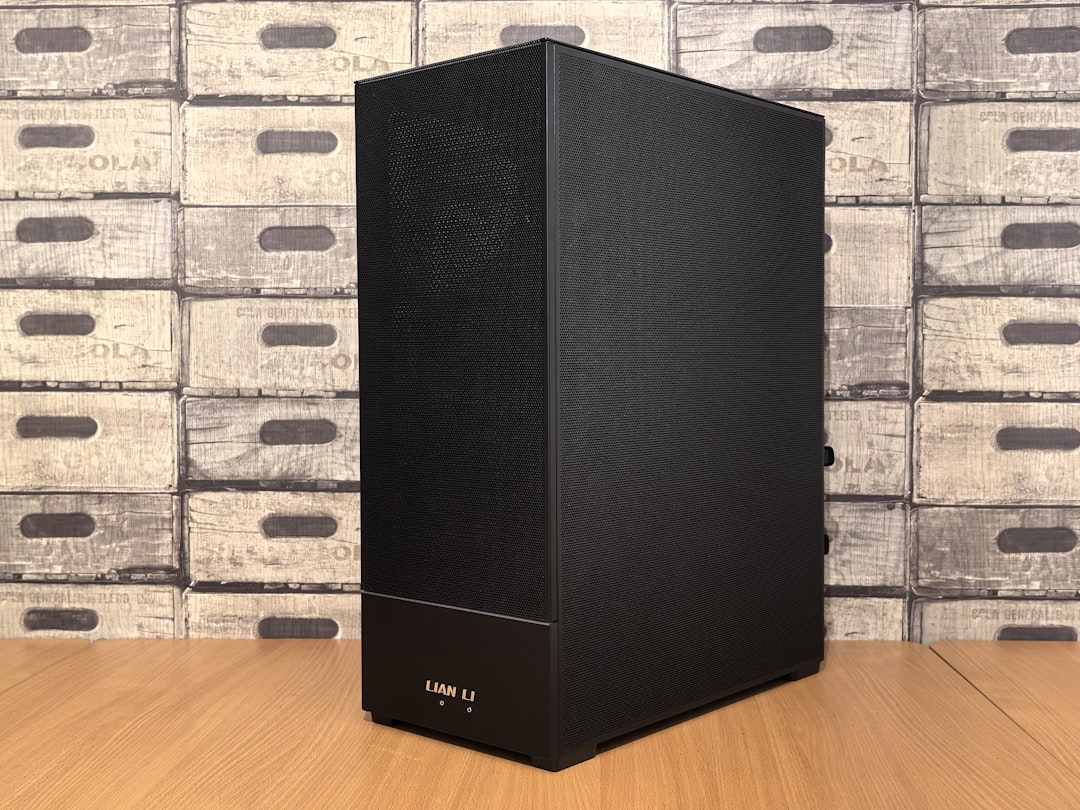
There are honest downsides. This is a desktop-class machine with a fan that you can hear when it thinks, not a silent shelf appliance — if quiet matters more than model size, my earlier writeup on the eleven-watt Mac mini that replaced my home server is the better architecture for you. And none of this hardware will run the frontier models; the 70B-class heavyweights fit only partially in 24GB and crawl. What you get instead is the 8B-to-32B band, which covers a startling amount of real work.
The Verdict From a Crowded Test Bench
After three builds, the ranking is clean. Most people should buy the 3060 12GB today and see if it covers their needs, because it probably does. People who know they want bigger models should go straight to the used 3090 inside a refurb workstation — call it $1,400 all-in for a machine that would have cost $3,000 built new, and yes, I priced the new-build version for comparison in my three-tier AI workstation guide earlier this year. The P40 remains a hobbyist’s delight and everyone else’s cautionary tale. And if a riser cable enters your plans for vertical mounting, buy a proper PCIe 4.0-rated one like the Glotrends 200mm riser — the cheap ones ghost-crash under sustained load in ways that will have you reflashing drivers at midnight, asking yourself uncharitable questions.
The secondhand shelf won’t stay this generous. VRAM-rich older cards are a finite supply being chased by a growing crowd of local-AI converts, and the same pricing chaos inflating new hardware is quietly lifting used prices too. The window is open now. It’s the rare moment in tech where the frugal move and the smart move are the same move, and those moments never announce how long they’ll last.