
The gear bin came down off the garage shelf last weekend — the annual ritual where I inventory ski gear, discover last season’s glove liners are somewhere in the house, and ask myself whether the camera situation is still working. This year the answer was no. My Hero 13 came back from a March trip with a cracked lens cover, and when I sat down to order a replacement, I realized the shelf I bought it from doesn’t exist anymore. GoPro hasn’t shipped a new numbered Hero in two years. The company went up-market instead, DJI kept grinding, and the camera most people should actually buy this winter is not the one they’d reflexively add to a cart.
So we did what we always do: cleared the workbench, borrowed hardware from every obliging PR mailbox, and spent three weekends getting these things muddy, cold, and wet. Two of my guys mounted identical rigs on their downhill bikes. I ran the low-light gauntlet — dusk hikes, a dim hockey rink, one memorable night paddle that I will not be posting footage from. What follows is the honest state of the action camera market heading into gift season, from the $699 ceiling down to the $90 bargain bin.
What Changed While the Hero Stood Still
Quick context, because it matters for every recommendation here. The GoPro Hero 13 Black arrived in September 2024 at $399 and nothing has replaced it since — no Hero 14 in 2025, no Hero 14 in 2026. GoPro has kept the camera reasonably fresh with firmware, but the hardware is a known quantity now. What the company did instead was launch an entirely new premium line this past May: the Mission 1 and Mission 1 Pro, with bigger sensors and starting prices up at $599 and $699.
Meanwhile DJI shipped the Osmo Action 6, and Insta360’s excellent Ace Pro 2 is still the current model — the rumored Ace Pro 3 has slipped past every expected window, which tells you something about how chaotic this segment has gotten. The practical upshot: every interesting action camera of 2026 is either brand-new and expensive, or a proven design that’s now discounted. That’s actually a great setup for buyers, if you know which bucket you’re shopping in.
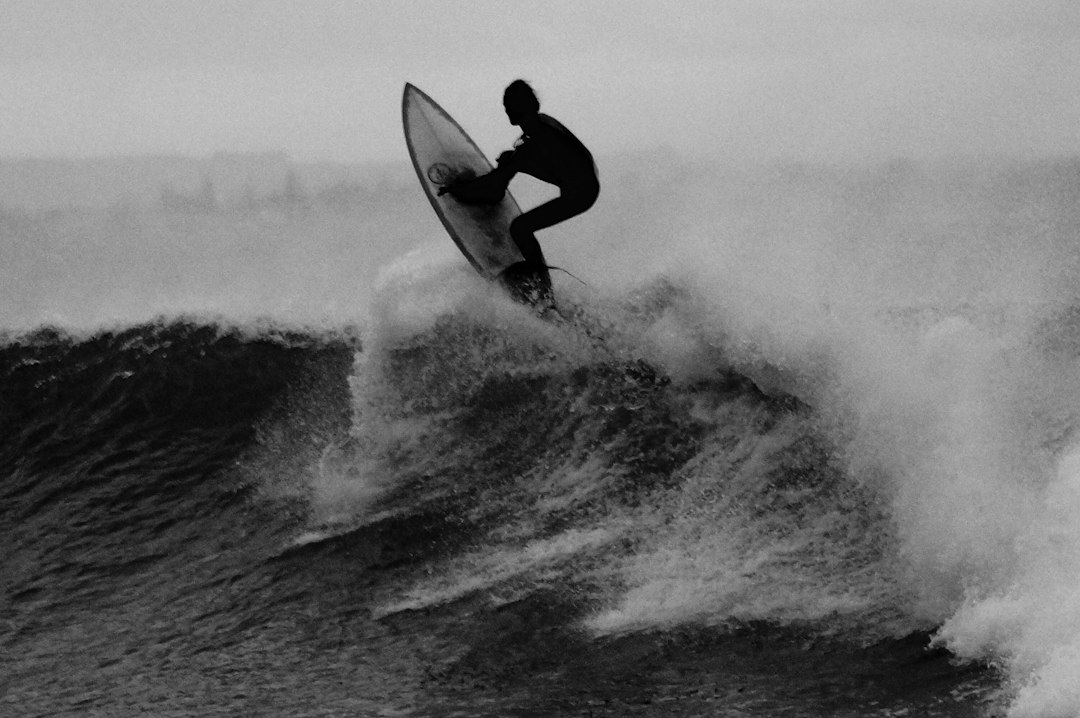
The other thing worth saying out loud: action cams stopped being adrenaline-jock equipment. The parents at my daughter’s swim meets film from the deck. My neighbor straps one to his kayak drain plug. Half the footage we shot this month had no action in it at all — just small, waterproof, glove-operable cameras doing jobs a $1,200 phone shouldn’t be asked to do on a mountain. If you’ve been telling yourself you don’t do enough “action” to justify one, that objection expired a few product cycles ago. The budget end of the category starts around what a nice dinner costs.
The Ceiling: Mission 1 Pro Does Things Nothing Else Can
Start at the top, because the Mission 1 Pro is genuinely the most interesting thing GoPro has built in years — reviewers I trust were saying that back in May and our time with it backs them up. The headline is a Type-1 sensor, dramatically larger than the chips in the Hero line, paired with a new GP3 processor. In plain terms: it collects light like a real camera. Dusk footage that used to dissolve into gray mush holds together. The 8K open-gate shooting gives you a tall enough frame to crop vertical video for social without ever touching the sensor’s full width. And the 960fps slow motion is the kind of spec that sounds like marketing until you watch a water balloon die in buttery detail on a 4K TV.

Two honest caveats. First, at $699.99 this is a specialist tool — if you’re not going to notice the low-light difference, you’re paying $260 over the sweet spot for bragging rights. Second, GoPro will knock $100 off the price if you subscribe to its $60/year plan. Run that math before you click: the discount is real, but you’re re-upping a subscription to keep getting it, and this site has strong feelings about gear that rents you back your own discount. The standard Hero 13 Black at $399 remains in the lineup precisely because most people never touch the ceiling the Mission occupies.
The One Most People Should Buy: DJI Osmo Action 6
Here’s the part where I save you an afternoon of spec-table squinting. If you’re buying one action camera this winter and you don’t have a specific reason to pick something else, buy the DJI Osmo Action 6. At $436 — yes, an odd price, DJI does that — it shoots 8K30 for future-proofing and 4K120 for slow motion that actually looks smooth. The f/2.0 lens pulls in usable footage well past sunset, which is where most of my disappointing action cam memories were made.
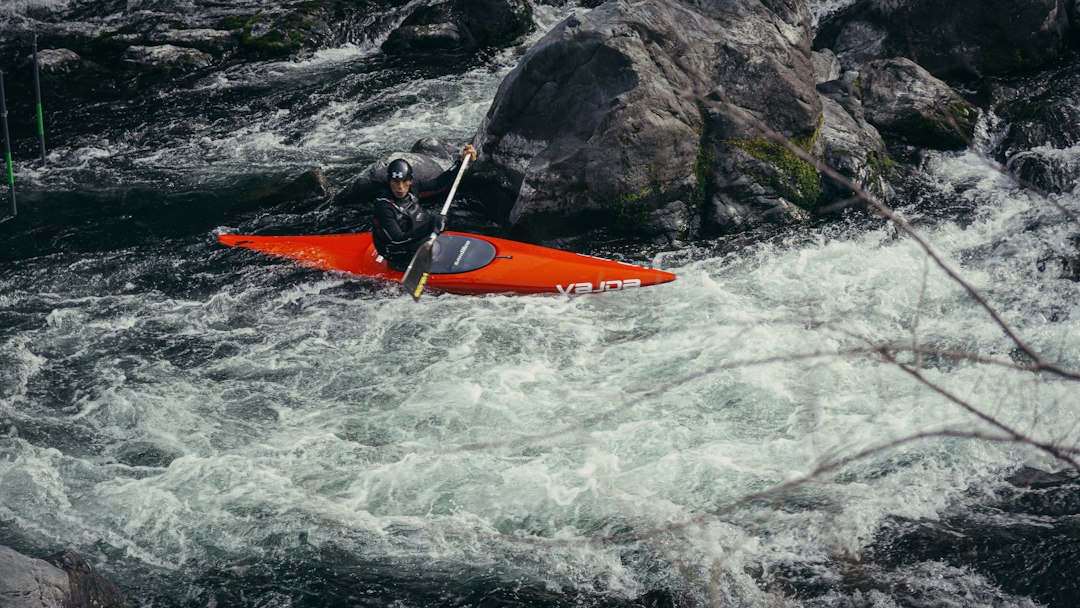
The details are what sold us. It’s waterproof to 20 meters with no housing at all — 60 with the case — so pool days and rain squalls stop being a logistics exercise. There’s 50GB of built-in storage, which once saved a shoot when someone (me) forgot a memory card in a card reader at home. The magnetic accessories snap on with gloves. The interchangeable lens system even takes an optional macro lens, which sounds gimmicky until you’re filming bees on a trailside flower while waiting for slower riders. The tilt-style body flips tall for vlogging. Tom’s Guide called it better than anything GoPro or Insta360 currently offers, and while I’d quibble at the margins, I can’t name a stronger all-arounder right now.
The Framing Specialist: Insta360 Ace Pro 2
The Ace Pro 2 is the camera I hand people who care more about composition than specs. The flip-up screen — a proper Leica-branded lens partnership, a body that stands up on its own — makes low-angle and selfie framing genuinely easy, which the Action 6’s fixed screens fumble. Low-light performance from its large 1/1.3-inch sensor is right at the front of the pack, and 8K gives you crop room to spare. Street pricing has drifted under its $449 launch price, which makes the Ace Pro 2 the value play among the three flagships — you’re getting last year’s refinement at this year’s discount.

One buying note: an Ace Pro 3 has been rumored all year and hasn’t materialized. If you need a camera before the holidays, don’t wait on it — this segment no longer follows a calendar. And if the Ace Pro 2 sells out or spikes, the Action 6 covers most of the same ground.
The Bargain Bin Grew a Brain
Not every action cam needs to cost like a game console. The little GoPro HERO — the $199-ish small one, not the numbered flagship — shoots 4K, survives drops, and fits in a jacket pocket, which made it the most-borrowed camera in our test pile. The Hero 13 Black itself, two years old and still $399 new, turns up discounted constantly now; that’s a proven, accessory-rich buy if you find it under $330. And the AKASO end of the pool — roughly $90 to $140 — has quietly gotten good enough for kids, helmets on bikes, and the dog-cam experiment you’ll abandon in a week. Would I take one snorkeling? No. Will it survive a season of skateboard attempts in the driveway? Absolutely.

The Accessories That Actually Decide Whether the Trip Survives
Every year someone on my team learns this lesson the hard way, so let me be the one to tell you: the camera is half the cost, and the small stuff is half the trip. In rough order of importance:
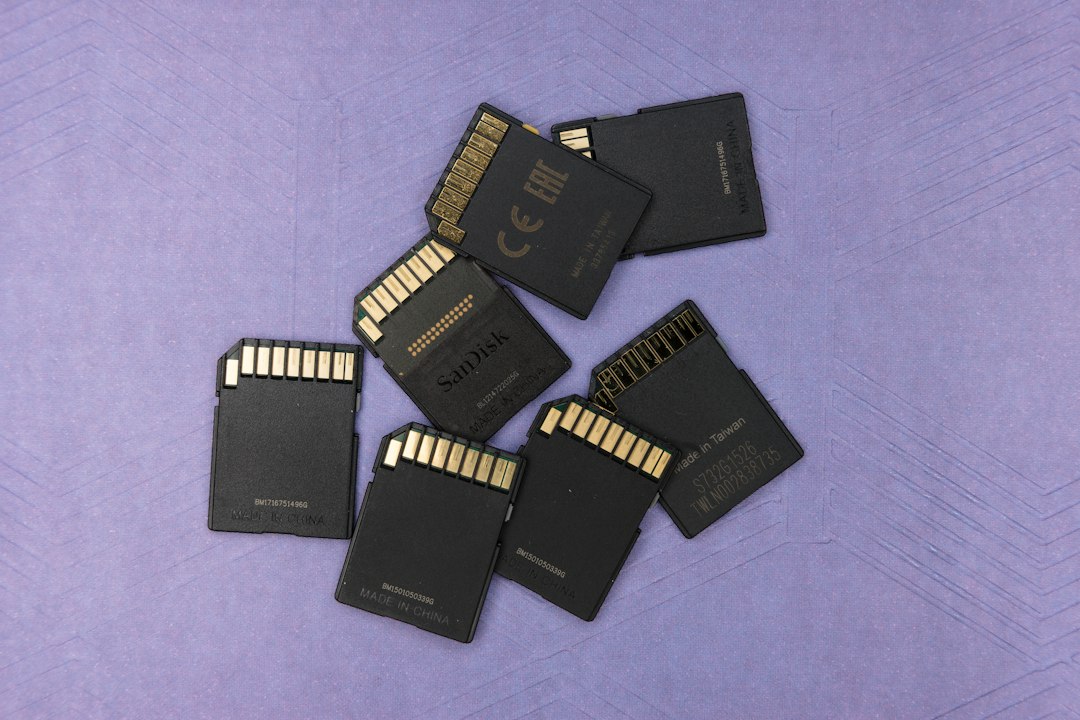
- A real memory card. 8K footage eats storage like a shark. Get a 256GB SanDisk Extreme (V30 speed class minimum) and stop thinking about it. The 50GB built into the Action 6 is a lifeline, not a plan.
- A spare battery. Cold weather cuts rated runtime by a third, sometimes half. A charged second battery in an inside pocket has rescued more footage for me than any spec on the box.
- A floating grip if water is involved. The cameras are waterproof; the laws of physics regarding dark lake bottoms are not. A buoyant hand grip is $20 insurance on a $436 camera.
- A chest mount for skiing and biking — stabler than a helmet mount, and you can check the frame without a mirror. The classic chest harness fits most bodies and most jackets.
- Anti-fog inserts. Cold outside, warm camera inside, humidity in between: fogged lenses have ruined more ski mornings for me than lift lines. Paper-thin desiccant strips cost less than a hot chocolate.
- A case with compartments. Batteries, thumb screws, mounts, and cards migrate to random backpack pockets by day three. A small hard case ends that.
Where the Footage Goes After the Mountain
A quiet truth nobody puts on the box: an action camera is really the front door of a pipeline. A weekend at 5.3K or 8K can generate 100GB of clips, and the difference between footage you’ll rewatch and footage that dies on a card is the boring offload habit. My routine hasn’t changed in years — dump everything to a fast portable SSD the same night, cut the keepers, and let the archive live somewhere with redundancy. If you’re shooting family stuff, the payoff end of that pipeline is a good Wi-Fi photo frame — the relatives would rather have one great weekly clip than a 40-minute unedited descent.
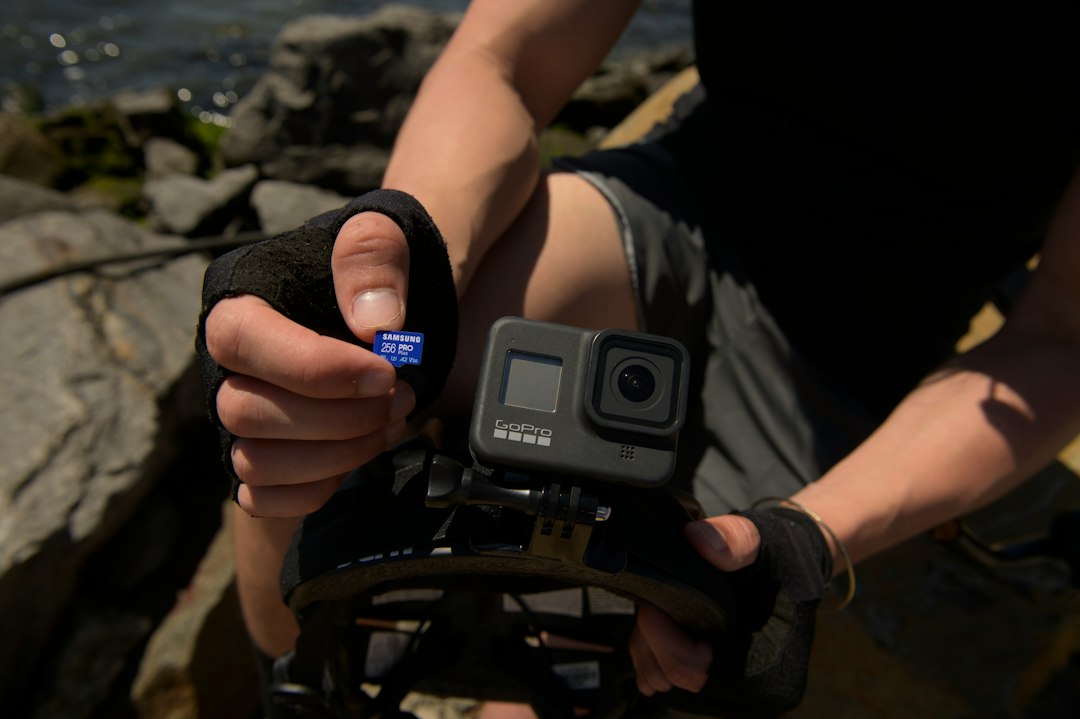
One workflow warning: every one of these apps will cheerfully offer to auto-upload your life to a cloud plan. GoPro’s subscription pitch is embedded so deeply in setup that two of our testers accidentally started trials. The plans aren’t evil — some include the camera discounts I mentioned — but decide on purpose, not during a gondola ride.
The Bottom Line on the 2026 Shelf
Buys, in one breath: DJI Osmo Action 6 for most humans, Mission 1 Pro if low light and slow motion pay your bills, Ace Pro 2 at its current price if you frame shots before you take them, something cheap for the kids. Skip nothing in the accessory list above — the $40 of cards, batteries, and desiccant is what actually puts the footage in the can.
And if your gadget itch runs wider than one camera this gift season, the same “buy the proven thing at the discount” logic applies across the board — I ran it for first drones and pocket cameras earlier this year. The Hero turning two isn’t a crisis. It’s a clearance sale with better cameras behind it.