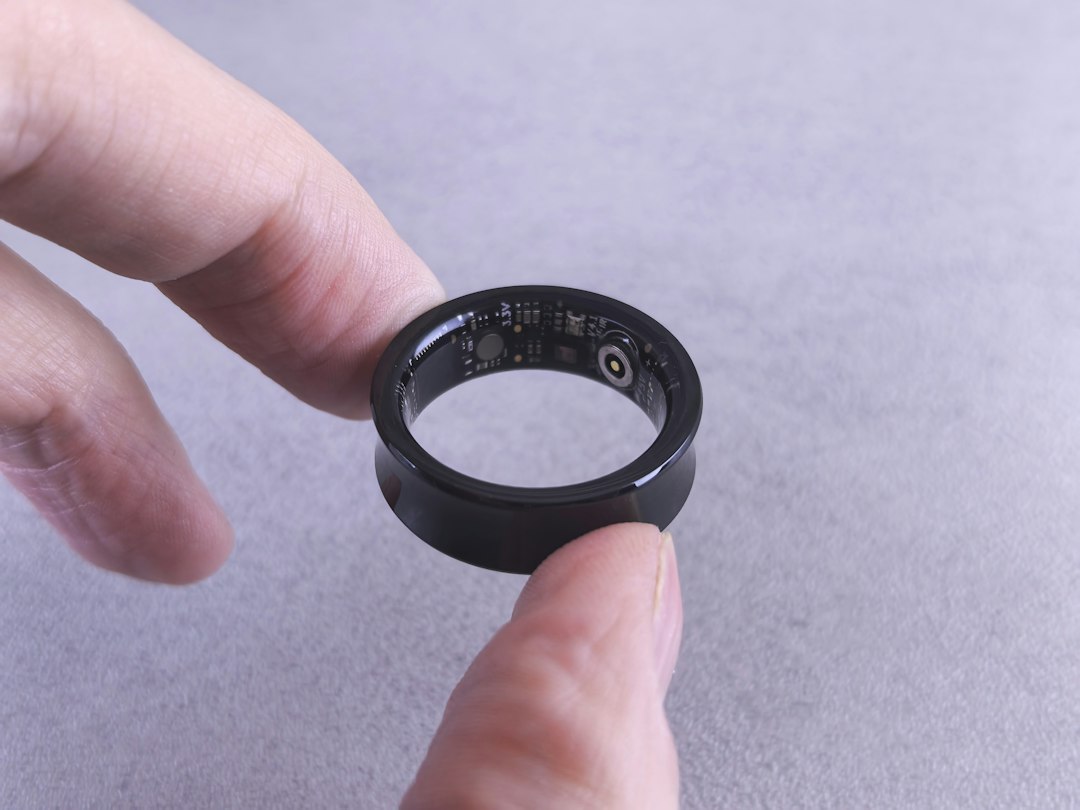
When I wrapped up the four-ring experiment back in August, I thought the smart ring story was settled for a while. Oura made the best hardware and charged rent for the software; RingConn and Samsung made very good rings and charged nothing beyond the sticker. Pick your philosophy, sign accordingly. Then Oura did something nobody predicted: instead of waiting until late 2027 like the rumor mill insisted, it announced the Oura Ring 5 on May 28 and had it on fingers by June 4. The ring I’d called “the incumbent” was suddenly the newcomer again.
So we bought two — one Silver size 10 for me, one Gold size 8 for a team member with slimmer fingers and different sleep habits — and put them through the same fourteen weeks of wear-everywhere testing the first four rings got. The short version: Oura fixed nearly every hardware complaint I had, quietly raised the price, and kept the subscription exactly where it was. Whether that adds up to a buy depends entirely on which side of the paywall you want to live on.
What Oura Actually Changed
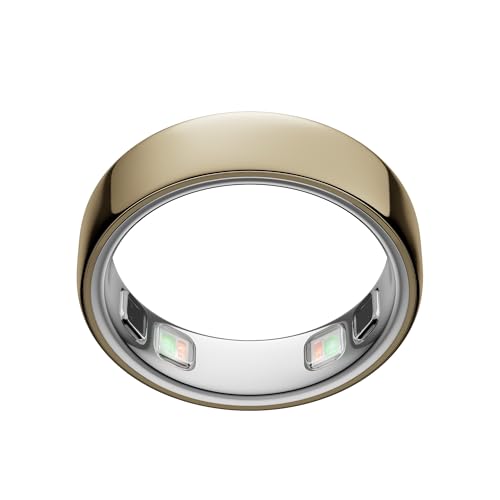
The headline number is 40 percent. The Ring 5 is 40 percent smaller than the Ring 4, and Oura isn’t shy about calling it the smallest smart ring in the world. It measures 6.09 millimeters wide and 2.28 millimeters thick, and in smaller sizes it weighs just two grams. Two grams. The Ring 4 was never a boat anchor, but you noticed it when you typed. Nobody on the team can feel the Ring 5 while working, and two of us have forgotten we were wearing it during showers — which the 100-meter water resistance rating says is fine.
The shrink comes from new low-profile sensor domes and a redesigned battery, and it’s the rare smaller-and-lighter story that doesn’t cost you anything. The titanium shell keeps the non-allergenic interior Oura has used for generations, now with a tougher physical vapor deposition coating that’s supposed to resist scratches better. Our Silver unit has crossed paths with a garage workbench, a beach week, and one memorable run-in with a brick wall. It still looks new.
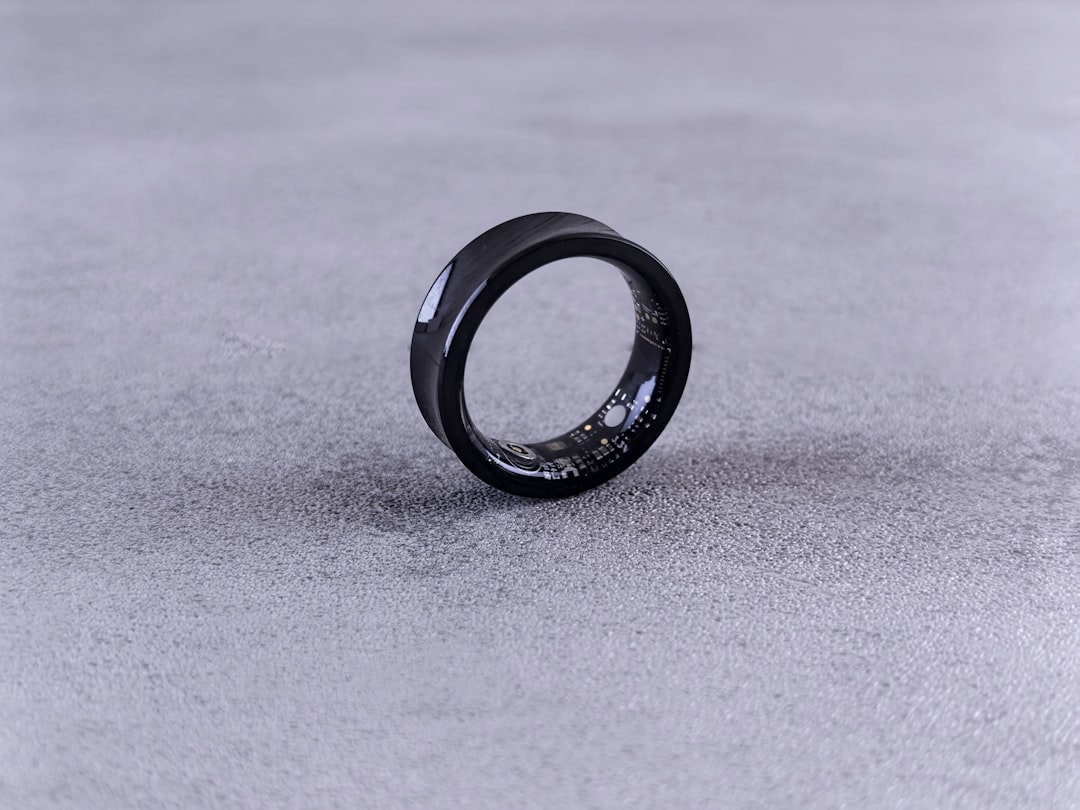
Finish options run from $399 Silver and Black up to $499 for Gold, Stealth, Brushed Silver, and the new Deep Rose. That’s a $50 bump over the Ring 4’s launch pricing for the base models, which matters less than it seems and more than Oura admits. More on that in the math section.
The Battery Finally Outlasts the Trip
Battery life was my biggest daily annoyance with the Ring 4 — rated for a week, realistically five or six days, which meant packing the charger for any trip longer than a long weekend. The Ring 5 genuinely fixed it. In our testing it ran between nine and ten days per charge, and PCMag’s bench testing clocked 10.5 days, tied with the RingConn Gen 2 Air for the longest run time of any smart ring they’ve tested. That’s a full business trip plus the weekend, no charger in the bag.
If you travel harder than that, Oura sells a Ring 5 Charging Case for $99 that tops the ring up on the go. It’s well made and it’s size-specific — the ring snaps in with a satisfying little magnet snap — but I’d only bother if you’re regularly gone two weeks at a stretch. A ring that charges to full in under an hour next to the hotel bed makes a $99 case a luxury, not a necessity.
The New Features Live Behind the Fence

Here’s where the story gets complicated. The upgraded sensor domes pack stronger LEDs and twelve signal pathways, and the accuracy bump is real — sleep staging in particular matches closer to how I actually feel in the morning than any ring I’ve worn. Live activity tracking is the sleeper feature of the bunch: during a run, the Ring 5 now streams heart rate continuously the way a watch does, instead of sampling and guessing afterward. My teammate’s post-run charts finally land within a couple of beats per minute of her chest strap, a gap the Ring 4 never closed. Oura’s readiness coaching, which Wareable still calls the benchmark in its field, remains the best “should I train today or not” answer in consumer health tech.
But the marquee Ring 5 features — live activity heart rate during workouts, GLP-1 medication insights, proactive blood pressure trend signals, nighttime breathing monitoring — all sit on the membership side of the fence. And the membership still costs $5.99 a month or $69.99 a year. The hardware got smaller and the price of admission went up fifty dollars, yet the subscription didn’t budge. Oura looked at the subscription-free uprising building outside its walls and responded by building better defenses rather than opening the gate.
To be fair to the fence, some of what’s behind it is genuinely useful. The nighttime breathing data flagged my teammate’s congestion during a bad allergy week before she’d noticed it. The blood pressure feature is trend-based — it won’t replace a cuff, and Oura says as much — but as an early-warning signal alongside a proper smart scale routine, I can see the shape of where this category is going. The question isn’t whether Oura’s software is worth money. It’s whether it’s worth money every single year, forever, when the competition keeps saying no.
The Three-Year Math, Updated
Two years of ownership is the honest floor for evaluating a smart ring, so let’s run three. Ring 5 in Silver: $399, plus $215.64 in membership over 36 months. Call it $615. The fancy finishes land around $715. The Ring 4, still sold and still excellent, works out to about $565 over the same window at $349 — that’s the exact figure from my original four-ring experiment, and Ring 5 just moved Oura’s floor up fifty bucks. The RingConn Gen 2 Air I crowned the value pick? Still $249 total. Three years, no line item, done.
One non-negotiable before any of this math matters: sizing. The Ring 5’s new profile fits differently than the Ring 4, and Oura explicitly tells existing owners not to assume their old size carries over. Buy the official Ring 5 sizing kit first — it’s credited back toward your ring purchase, so it’s really a free step that costs you three days of patience. One more note from the field: the Ring 5’s dome bump is smaller but sits slightly differently against the skin, and two of our testers ended up a half size off from their Ring 4 fit — one went up, one went down, with no pattern to guess from. That’s exactly why the plastic try-before-you-buy step exists. If you’re going subscription-free instead, a cheap ring sizer tool handles RingConn and Galaxy Ring sizing for a couple of bucks.
Is the Oura experience $366 better over three years than the best free alternative? Some months I’d say absolutely — the sleep staging and readiness coaching are that good. Other months I’d tell you to put the difference into a budget smartwatch and a nice dinner. Your tolerance for subscriptions is the whole ballgame here.
The Rings That Still Don’t Ask for Rent
The subscription-free camp didn’t stand still while Oura slimmed down. RingConn’s Gen 3 is the strongest challenge yet: a fourteen-day official battery rating, haptic alerts the Oura still doesn’t have, vascular trend tracking, and the same no-membership pricing that made the brand’s name. Its companion app remains a step behind Oura’s in polish — the insights are presented, not narrated — but the raw data capture has closed most of the gap.
The RingConn Gen 2 Air at $249 is still the value king and now holds a battery crown-share at 2.0 millimeters thin. Samsung’s Galaxy Ring — titanium, seven-day battery, no app subscription — makes sense the moment you’re already living in the Samsung ecosystem, though its best features want a Galaxy phone nearby. And the Ultrahuman Ring Air remains the fitness-first pick for people who think in training loads rather than readiness scores. None of them match Ring 5’s total package. All of them let you stop paying the day you stop caring.
Upgrade, Switch, or Wait?
If you own a Ring 4 and it fits comfortably: the Ring 5’s comfort and battery are real upgrades, but they’re quality-of-life upgrades, not obligations. Wait for a sale — Oura hardware discounts show up reliably around major shopping events, and the Ring 4 itself just became the smart discounted buy with identical subscription costs.
If you’re buying your first smart ring and sleep data is the mission: the Ring 5 is the best hardware in the category, full stop, and I’d rather pay the subscription for the ring that stages sleep most accurately than save money for a blurrier picture. If you’re subscription-averse on principle — and after the nightstand reset experiment taught me how much of good sleep is free behavior change, I respect that instinct — get the Gen 3 or Gen 2 Air and pocket the difference.
Fourteen weeks in, my verdict is the same shape as the ring itself: small, polished, and harder to argue against than I expected. Oura built the two-gram ring everyone else now has to beat. It just built a taller fence around it too. The Ring 5 in Silver is the configuration I’d buy for myself; the gold one on my teammate’s hand has survived everything a summer could throw at it and still looks like jewelry. That’s the quiet achievement here. The loud one is the bill.