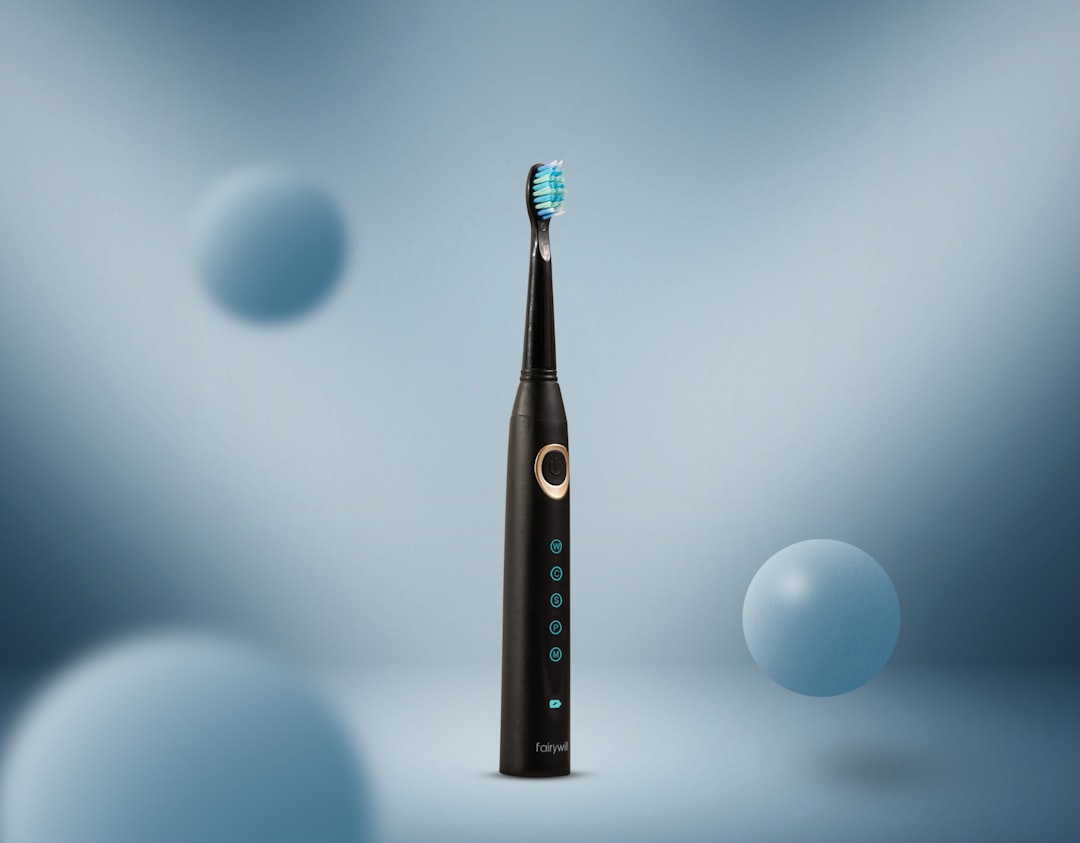
On the first of September, in Paris, James Dyson stood on a stage and revealed a toothbrush. Not a vacuum, not a fan, not a hair tool — a toothbrush with a camera in its head, a water jet in its handle, and a $499.99 price tag. The CameraJet is the company’s first swing at oral care, reportedly the work of 661 engineers, and it exists to do something no brush has done before: watch the inside of your mouth at 28 frames per second while it brushes and “precision-flosses” at the same time.
The gadget press spent a week arguing about it, IFA attendees lined up to squirt demo dentures, and pre-orders shipped on September 8th. Then, within days, the early-adopter threads started filling with a very specific complaint: water was showing up where water should never be. More on that in a minute — because the leak reports change this from a curiosity into a genuinely useful lesson about first-generation hardware.
What the CameraJet Actually Does
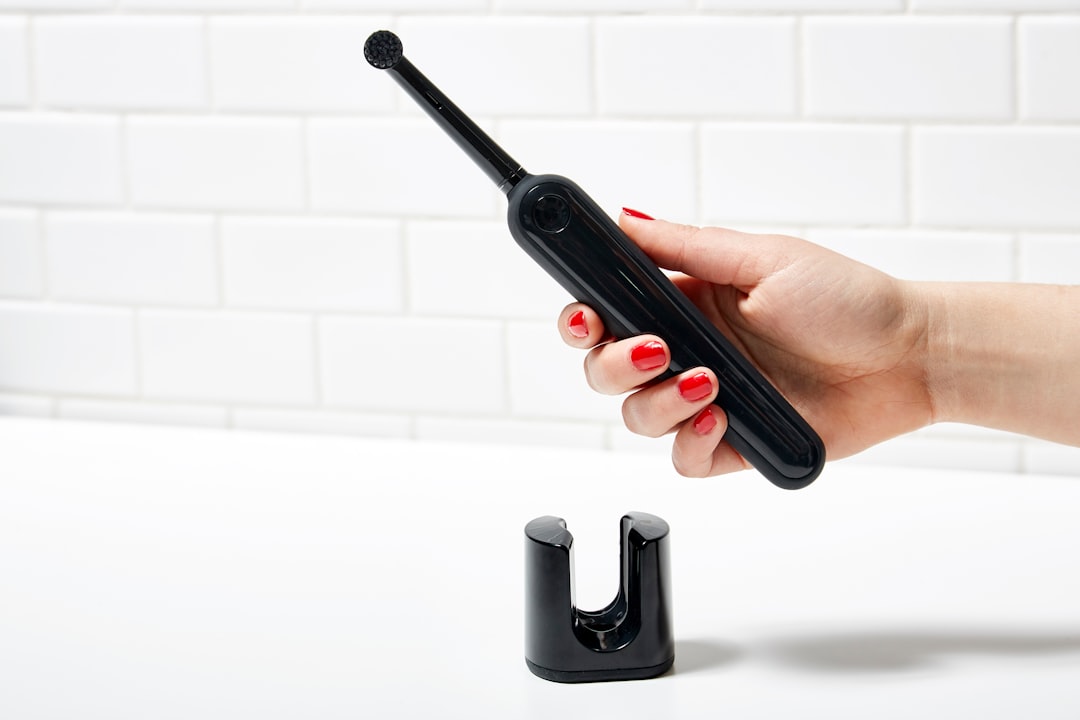
Strip away the launch-event theater and the CameraJet is two devices fused into one handle. The first half is a sonic toothbrush. The second half is a targeted water flosser that Dyson calls Gap Optical Targeting: a tiny camera streams 28 images per second to onboard processing, which identifies the gaps between your teeth and fires short, controlled bursts of water at the gumline as you sweep across them. It is, to be fair, a legitimately clever idea. Existing water flossers just blast everything in front of them; this one aims.
The team that covered the IFA demo units came away with notes that track with mine from the coverage: as a toothbrush it’s a little unwieldy, with a fat handle and a small tank that limits you to roughly two full passes before a refill. As a travel water flosser, though, it’s remarkably compact. And the philosophy behind it is unusual for a gadget company — Dyson’s own pitch is that the CameraJet doesn’t speed brushing up. It slows it down, forcing you to spend real attention on the gaps you’ve been skipping for years. That’s an admission worth sitting with: the $500 device is essentially bribing you to have better technique.
The Part Nobody Planned For
Here’s where the story turns. This week, barely a week after units started landing on doorsteps, owners began reporting failures on Dyson’s subreddit — and the failure mode is almost poetic. Water is getting into the battery compartment. One user described a unit that “broke within 30 seconds.” Reply threads suggest it isn’t a single bad batch. If you’re keeping score at home: a device whose entire job involves being inside a running stream of water, designed by a company famous for fluid dynamics, is being defeated by water.
It may turn out to be a seal issue on early units, fixable and forgotten in a month. But this is textbook first-generation hardware behavior, and I’ve watched it play out enough times — from early robot mowers to first-run foldables — to know the pattern. Revision A hardware carries the enthusiasm of the engineers and none of the scar tissue. Revision B carries both. When a product category is this new, the people who buy at launch are effectively paying to be the extended QA team.

What Dentists Actually Want From You
Here’s the uncomfortable context for all that camera hardware. Ask a dentist what separates patients with great checkups from patients with recurring problems, and you will essentially never hear about imaging sensors. The answers are boring: two full minutes, twice a day, gentle pressure along the gumline, and — the part everyone lies about — actual daily flossing. The gadgets that move the needle are the ones that make those basics easier to do consistently. Timers. Pressure sensors. Flossing that doesn’t require thread and two free hands.
It’s the same lesson I keep relearning in this job. It was true when I ran the numbers on blue light glasses and found the hyped product did nothing while the boring habits fixed everything, and it was true when I strapped on four smart rings for four months and found the wins came from darkness and routine, not the sensor count. Oral care is now the third entry in that series — my own nightstand experiment taught me the same thing about winding down. Consistency beats instrumentation, every single time.
The $50 Workhorse That Outcleans Its Price
So if the CameraJet is a fascinating v1 that I wouldn’t put $500 into this month, what would I put money into? Start with the brush that has quietly become my default recommendation: the Philips Sonicare 4100. It’s usually around fifty dollars, it has the two-minute timer with 30-second quadrant pacing that actually changes behavior, a pressure sensor to stop you from shredding your gums, and two weeks of battery life. There is no camera, no app, no screen — and in clinical terms it removes plaque at essentially the same tier as brushes costing four times more.
If you want the smart coaching layer without the price, the Oral-B iO3 is the value pick in Oral-B’s flagship line. The visual pressure sensor glows red when you press too hard, the handle tracks whether you actually ran the full two minutes, and it ships with a travel case for around eighty dollars. The iO motor really is a generational step up from the old Oral-B oscillators — I’ve had the higher iO tiers on the bench and the cleaning feel is different, in a way that’s hard to go back from.
If You Want Coaching Without a Camera
There is a middle path between a dumb timer and a mouth-endoscope, and it’s getting cheap. The Oclean X Pro Digital puts a color touchscreen in the handle with a six-axis gyroscope that tracks which zones of your mouth you’re neglecting, runs an 84,000-movement-per-minute maglev motor, and lasts up to 30 days per charge — all for well under a hundred dollars. It’s the closest thing to the CameraJet’s “watch your coverage” pitch without any camera actually watching you.
At the top of the stack, the Sonicare 9900 Prestige is the premium brush I’d actually defend. Its senseIQ system senses pressure, motion, and coverage in real time and adjusts intensity instead of just scolding you afterward, and the five-head bundle routinely goes on sale for less than half a CameraJet. You give up the water jet; you keep about 95 percent of the coaching value. For travelers, the Quip Ultra Lite with its mirror mount covers the road-warrior case for around forty dollars, and Oclean’s 150-day travel brush is the one I hand people who forget chargers — six months of typical trips on a single USB top-up.
The Flossing Half Already Exists, and It’s $60
Half the CameraJet’s pitch is the water flosser, and here’s the thing: that half has existed for years, mature, cheap, and shower-proof. The Waterpik Aquarius countertop unit is the dentist’s-office standard — ten pressure settings, seven tips, and the model that shows up in most of the clinical studies behind water flossing generally. It lives on the counter, holds a real tank, and costs about sixty dollars.
If counter space or travel is the constraint, the Waterpik Cordless Advanced is the go-to portable — rechargeable, genuinely waterproof enough for shower use, and small enough for a toiletry kit. Pair either one with any decent sonic brush and you’ve built the complete CameraJet experience: timed brushing, pressure feedback, and aimed water at the gumline. Total spend: $110 to $150, depending on the brush. That’s the number I’d keep in your head while reading $499.99 launch coverage.
The Subscription Math Nobody Does Before Buying
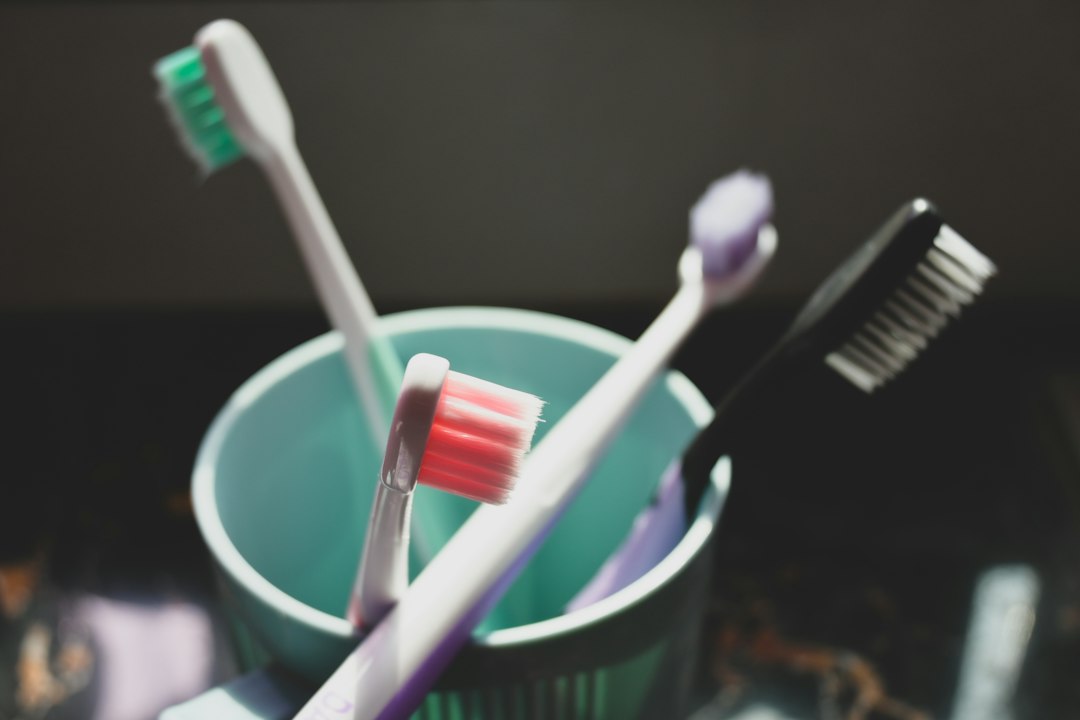
Here’s the part that decides your real cost, and it’s the same trap I keep writing about — the hardware is a one-time payment, but the consumables are a subscription you didn’t sign up for. Brush heads are advised to be replaced every three months, and the pricing is not subtle. Genuine Oral-B iO heads run about $8 to $10 each in multipacks; Philips Sonicare C2 heads cost similar in the official three-packs. Over three years, that’s another $100 to $130 on top of whatever handle you bought — for both brands.
The escape hatch is the compatible-heads market, which has quietly gotten good. A 12-pack of Densuuclin click-on heads that fit Sonicare handles costs about what two genuine Philips heads do, and independent testing of the better compatibles has closed most of the quality gap. My rule after running these numbers more times than I should admit: buy genuine heads if your gums are sensitive or your dentist is picky, buy compatibles for every other handle in the house. It’s the same framework I used when I audited every AI voice recorder subscription — the per-month number is the only one that tells the truth.
What I’d Actually Do
My honest read on the CameraJet itself: the concept is smarter than the mockery suggests, the aiming tech is a real idea, and the execution isn’t ready. Water intrusion reports inside week one, on a wet-area device, from a company whose entire reputation is engineering — that’s a v1 to admire from a distance. If the concept grabs you, give it a generation. The v2 will be smaller, cheaper, better sealed, and reviewed by people who weren’t at the launch party. That’s not cynicism; it’s the pattern. Ask anyone who bought the first robot mower.
Meanwhile, the boring stack wins again, and it isn’t close. A Sonicare 4100 or an iO3 for brushing, an Aquarius or Cordless Advanced for the gumline, and a sensible heads strategy — total cost lands between $110 and $200 for three years of genuinely better checkups. The remaining $300-plus stays in your pocket for something that actually needs a camera in it. Your dentist, and your wallet, will both notice the difference before your next cleaning.