I watched Apple’s “Surprise and Shine” event Wednesday night with three browser windows open, two colleagues on Slack, and a legal pad I filled with conflicting product names. That last part is the story nobody at Apple will admit: the biggest hardware launch in years shipped with a communications problem. The company that famously obsesses over font kerning launched a foldable phone that the press is calling by three different names, and pre-orders open Friday at 5 a.m. Pacific.
Here’s what actually happened at the Steve Jobs Theater, what it means for your wallet, and — after a day of my team digging through spec sheets and comparing notes with other reviewers — where I’d spend money and where I’d hold off.

One Foldable, Three Names, Zero Consensus
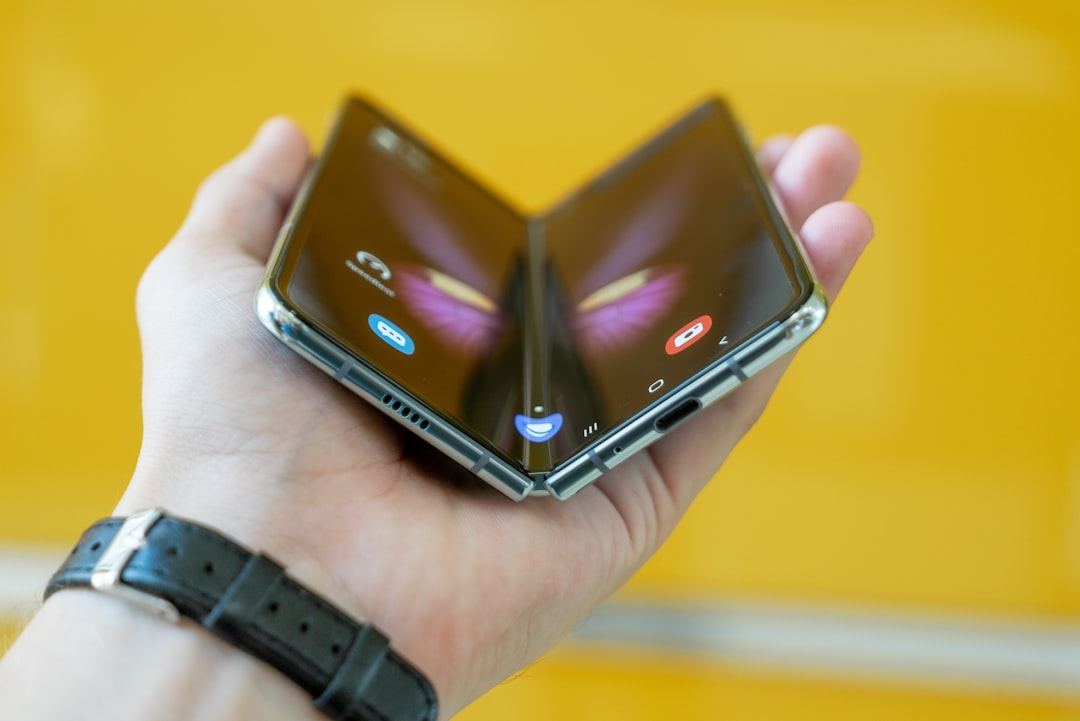
The headline device is Apple’s first folding phone. Depending on which outlet you read, it’s the iPhone Ultra, the iPhone Duo, or the iPhone Fold. All three names appeared in reputable coverage within 24 hours of the keynote. That’s not journalists being sloppy — it’s Apple leaving the naming genuinely unsettled in a way it hasn’t done since the original iPad rumors. I laid out my expectations before the event, and the naming chaos was the one thing none of us predicted.
What we do know: it folds book-style, it starts around $2,099, and it enters a category Samsung has been iterating on for five years. Apple arriving late to a hardware category is a tradition at this point — and historically, arriving late has worked out fine for them. The question isn’t whether the foldable is polished. It’s whether generation one of any foldable is worth four figures, and five years of Samsung’s crease-and-hinge complaints say: wait.
My honest recommendation after covering this space for two decades: if you want a folding phone today, the Samsung Galaxy Z Fold7 is the proven option with a real track record on durability. If you want Apple’s take, give it a year. The first revision always answers the questions the keynote didn’t.
Apple showing up also does something no Samsung keynote ever could: it drags the entire accessory ecosystem into the category. Case makers, screen protector brands, and hinge-cover manufacturers build for Apple at a scale they never built for Android foldables, which means the foldable accessory market — a wasteland of ill-fitting glue-on parts today — gets serious within two product cycles. That’s the real long-term story, and it’s why this launch matters even if you never buy the phone.
iPhone 18 Pro: The Default Buy Hiding Behind the Foldable
While everyone argued about the foldable’s name, Apple quietly kept its conventional flagship pricing sane. The iPhone 18 Pro starts at $1,199 and the Pro Max at $1,299 — the same anchors as last cycle, which counts as a win in a year when memory prices have climbed steeply across the industry. That cost pressure is why there’s no base iPhone 18 this fall; the cheap model slips to spring 2027, and the whole lineup sits at the expensive end until then.
Inside, the 18 Pro runs Apple’s new A20 Pro chip on a 2-nanometer process — a jump Apple tied to efficiency rather than raw speed, which is the honest way to frame it. The camera system gets a 48-megapixel Fusion main sensor with a variable aperture that opens and closes depending on the scene, borrowing a trick Android flagships have had for a few years. The Dynamic Island shrinks again. Storage still tops out at 2TB for the people who shoot ProRes video and know exactly who they are.
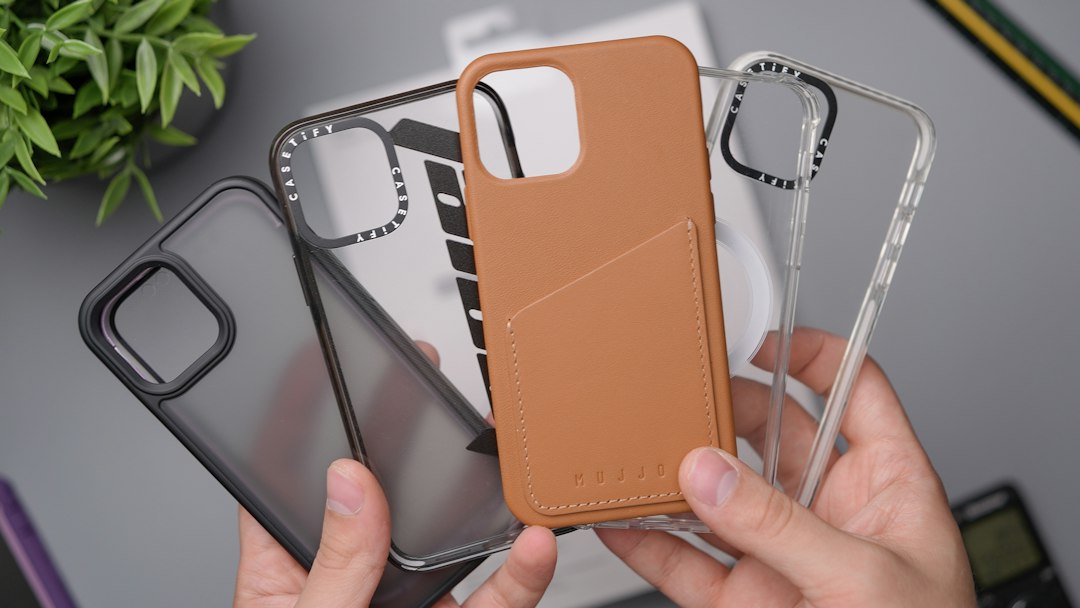
Here’s the part that surprised my team: case makers already have iPhone 18 Pro inventory live. We ordered samples within an hour of the keynote. A clear anti-yellowing case from Mkeke and TORRAS’s crystal-clear 18 Pro case both beat launch-day shipping estimates last I checked. If you’re ordering a $1,199 phone, spending twelve bucks so it survives week one is not a hard call.
One buying note from the spec sheet: storage pricing is where the RAM cost spike hides this year. The jump from 256GB to 512GB buys breathing room you’ll feel for three years, while the 2TB tier exists mostly for video professionals. And if you’re trading in, run the numbers against third-party resale before you accept Apple’s instant credit — my team has consistently gotten 10 to 15 percent more selling last year’s Pro outright, which is exactly the difference between the 256GB and 512GB models.
The Watches Skipped the Drama and Chased Battery
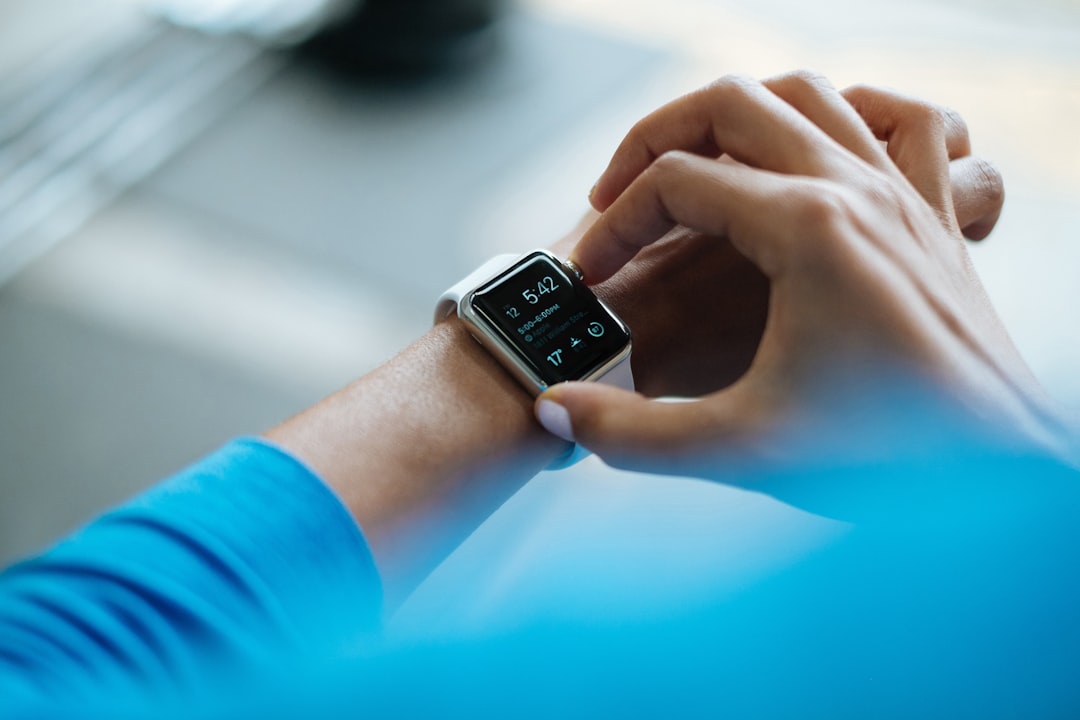
The Apple Watch lineup grew by two: the Series 12 and the Ultra 4, with battery life as the through-line of both announcements. That’s the right instinct. Every smartwatch review I’ve written in 25 years eventually becomes a battery review, and the one I hear about most from readers is the sub-70-dollar budget wearable shootout we ran in July — the cheap watches don’t do more, but they last longer, and people notice.
The Ultra 4 in particular is aimed at the same crowd as before: people who abuse their gear. If that’s you, one purchase I’d bundle with any new Ultra is a proper nylon elastic sport band with a parachute buckle — Apple’s stock bands are fine, but the third-party nylon options handle sweat and salt water better than anything at the same price from first-party channels.
The distinction between the two watches is simpler than the spec sheets suggest. The Series 12 is the everyday upgrade — thinner, longer-lasting, carrying the same health sensors most people actually use. The Ultra 4 is the one with the rugged case, the bigger battery, and the action button. Unless you can name the last time your watch scraped against rock or salt water, the Series 12 is the smarter money, and that gap has been true for three Ultra generations now.
AirPods 5: Two Flavors, One Easy Decision
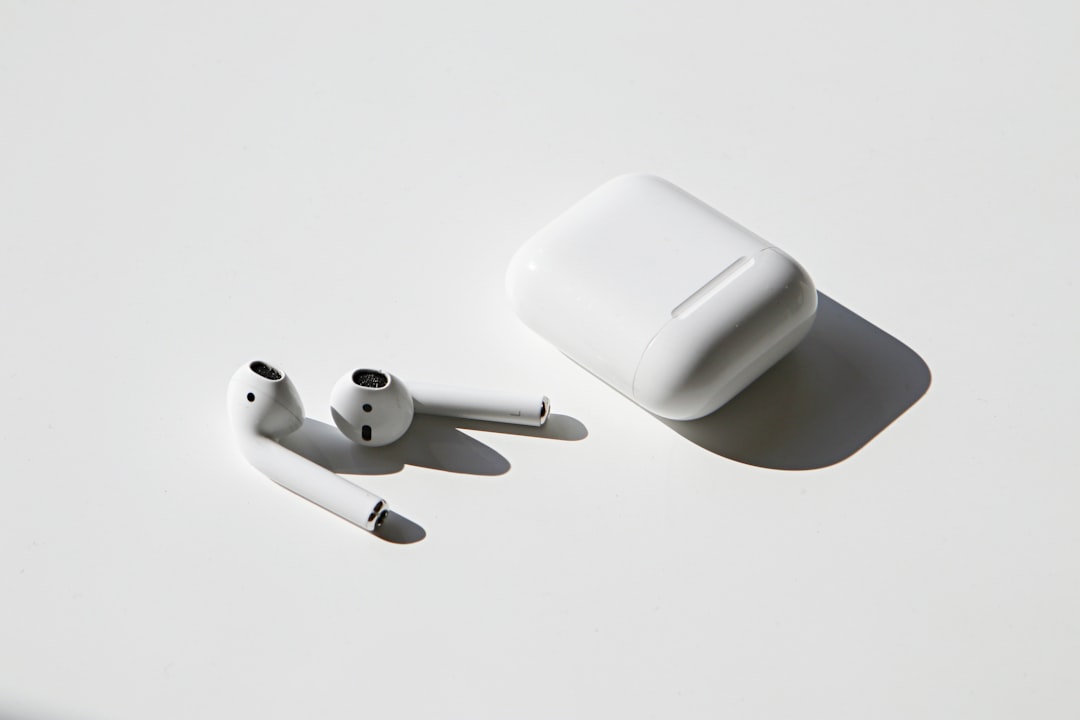
AirPods 5 arrive in two models starting at $129, with the noise-cancellation upgrade trickling down from the Pro line to the higher of the two tiers. Apple’s audio announcements rarely get the spotlight, but this one matters: ANC at the mid-tier price is the beginning of the end for non-ANC earbuds as a category.
If you need earbuds this week and don’t want to wait for AirPods 5 reviews and stock to stabilize, the current shelves still hold two of the best values in audio: AirPods Pro 3 for full-boat ANC and AirPods 4 with ANC if you prefer the open-fit design. We’ve also been testing what happens to earbuds after the warranty expires — the battery death cycle most brands ignore — and it’s worth reading before you spend more than $150 on any of them.
The 5 A.M. Friday Playbook
Pre-orders open Friday, September 11 at 5 a.m. Pacific. If you’ve done this dance before, you know the drill: the Apple Store app goes down at midnight, comes back up before dawn, and the delivery-date slip is real for whichever SKU is supply-constrained. This year that SKU is the foldable — first-gen foldables are always production-limited, and Apple’s panel yields are the subject of more speculation than the phone itself.

So here’s the split my team landed on. Order at 5 a.m. if you want the iPhone 18 Pro, either Watch, or the AirPods 5 — those will sell through delivery windows but not vanish. Don’t set an alarm for the foldable unless you’re comfortable being a first-revision beta tester with $2,099 of skin in the game. And if you’re on Android and feeling smug about all this, the Pixel 11 Pro is the sharper camera phone this year anyway — Spidercase’s magnetic case for it is already on my colleague’s desk.
The Accessories That Matter More Than the Phone
Every September launch article obsesses over the devices. Almost none of them mention that the box contents keep shrinking and the charging gear you already own is probably the bottleneck. A Qi2 magnetic stand — Anker’s MagGo 15W stand is the one I’ve standardized on — turns a nightstand or desk corner into a permanent charging post, and the magnet standard finally works reliably on both iPhones and recent Android flagships.
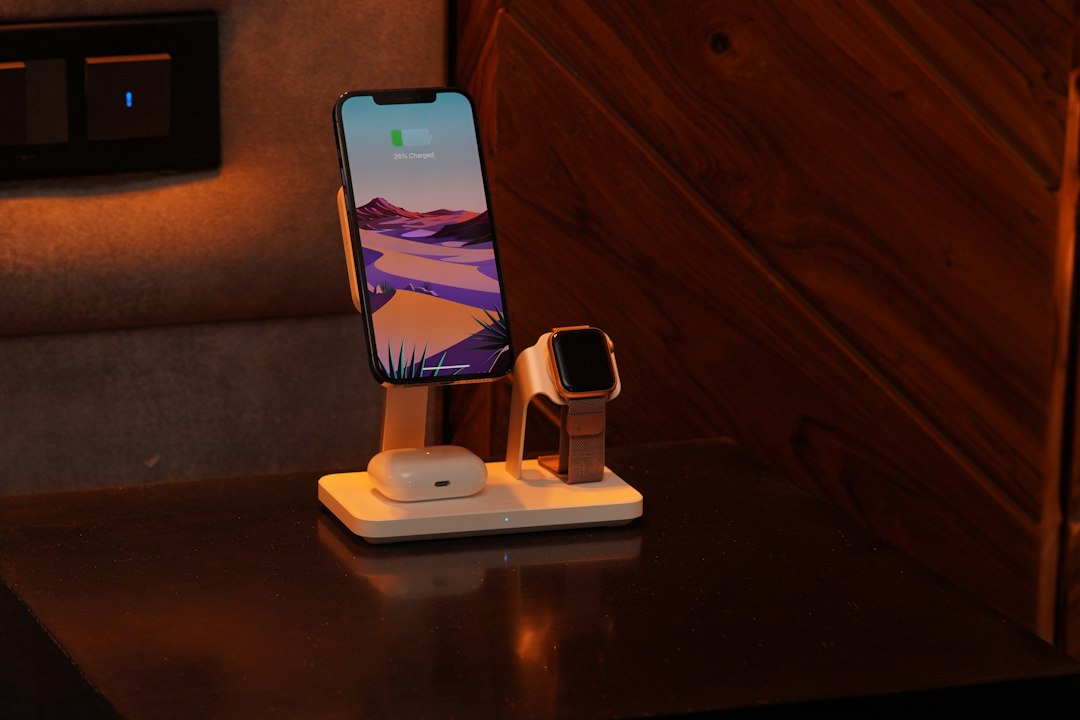
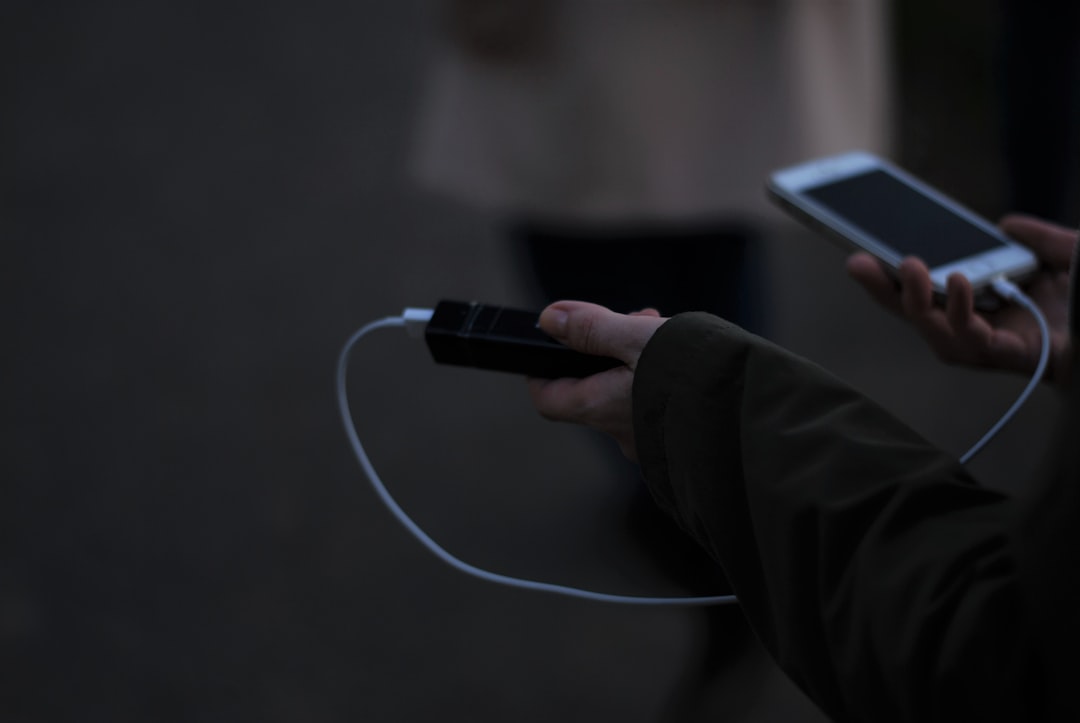
Traveling with the new gear? The MagGo 3-in-1 charging station handles phone, watch, and earbuds off one brick — the same setup that replaced seven cables on my desk this summer. For wall power, a 100W four-port GaN charger from UGREEN covers laptop-plus-phone-plus-everything-else without carrying multiple bricks. And if your day runs long, the Anker Prime 27,650mAh power bank is TSA-legal at exactly 99.6Wh and charges a Pro Max from dead to full twice — it topped our six-month power bank shootout and nothing has displaced it.
Skip the FOMO, Keep the Receipt
The uncomfortable truth about this launch: most people watching keynote replays don’t need any of it. The 18 Pro is a genuinely good phone with pricing that held the line. The watches are solid, incremental, fine. The foldable is the most interesting thing Apple has shipped in a decade and I still wouldn’t pre-order one — second revisions fix the crease complaints, the hinge ratings, and the price, every single time.
And if the entry price is the problem rather than the folding screen, remember there’s no cheap iPhone until spring. That makes the next three months the best time in years to buy last year’s model at a discount — or wait for October’s Prime Big Deal Days, when the 17 Pro generation gets genuinely cheap. The gear that makes the biggest daily difference this fall isn’t the phone at all. It’s the charging setup, the case, and the power bank — and those go on sale far more often than the headline devices ever will.