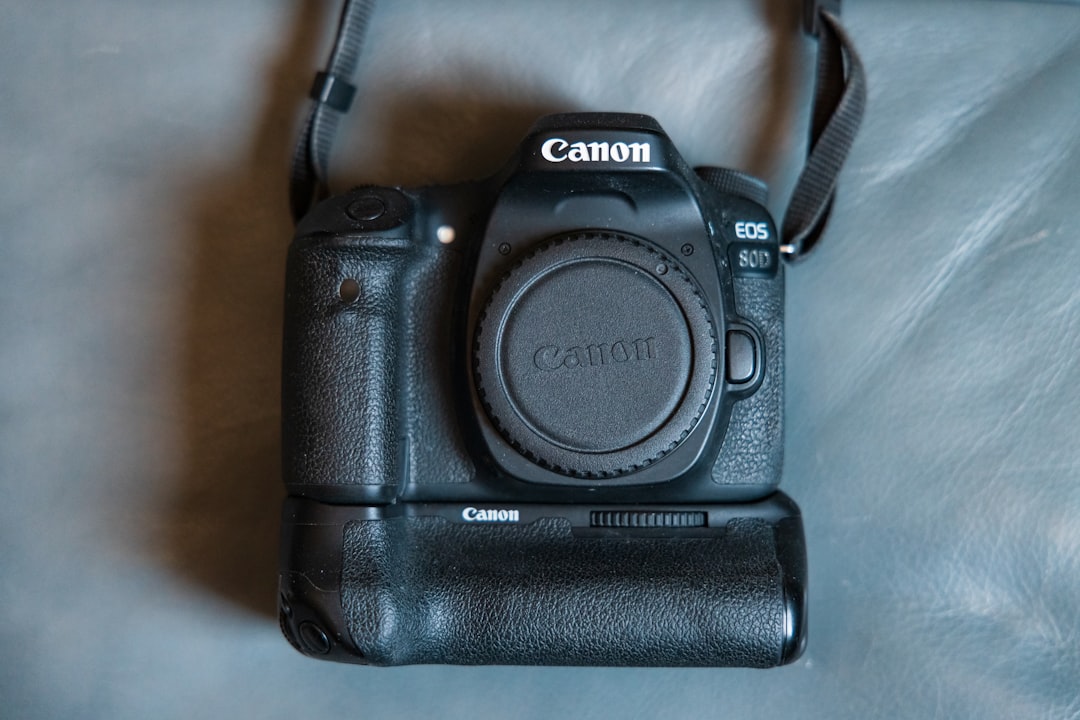
When Sony announced the a7R VI last month, I’ll admit I was skeptical. The a7R series has always been about resolution over speed, trading frame rates for pixel count. But 30fps at 66MP? That sounded like marketing hype, not camera physics. A week with the a7R VI has me eating my words.
This isn’t just an incremental upgrade. The a7R VI represents a fundamental shift in what high-resolution cameras can do. Sony took their stacked sensor technology, cranked it up to 66.8MP, and paired it with a processor that can actually handle that kind of data throughput. The result is a camera that delivers medium-format resolution with sports-camera speed.
Resolution That Doesn’t Compromise Speed
The headline feature is obviously the 66.8MP stacked sensor. But what makes this different from previous a7R models is the speed. Where the a7R V topped out at 10fps, the VI hits 30fps. That’s not just fast — it’s game-changing for wildlife, sports, and any situation where you need to capture decisive moments.
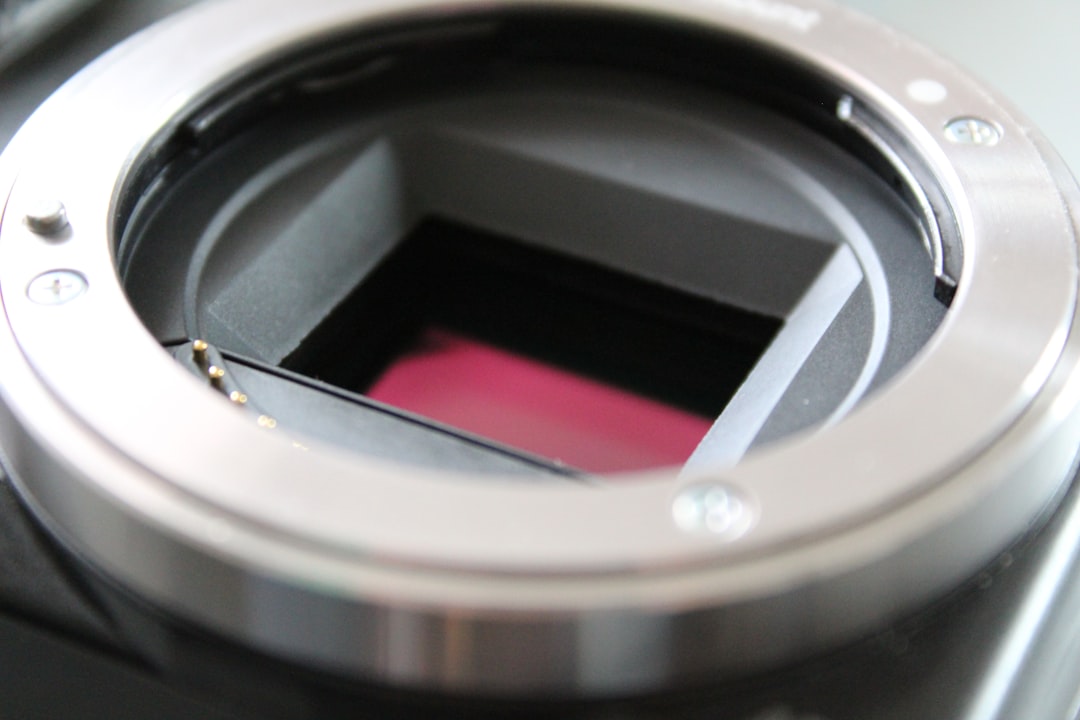
The stacked design is key here. By putting the processing circuitry behind the sensor, Sony eliminated the bottlenecks that have limited high-resolution burst speeds for years. The result is a camera that can shoot 66MP RAW files at 30fps without choking, something I honestly didn’t think was possible until I saw the test results.
The image quality is truly impressive. 66MP offers the best resolution this side of medium format and is backed up by very high dynamic range. For photographers who need both resolution and speed, this is a dream come true. I spent a day shooting wildlife with the a7R VI and came away with shots I simply couldn’t have captured with any previous high-res camera. The ability to crop aggressively while still having plenty of resolution for large prints is revolutionary.
For serious photographers looking to upgrade, you can find the Sony a7R VI and compatible lenses on Amazon to compare prices and availability.
Video: 4K120 and Beyond
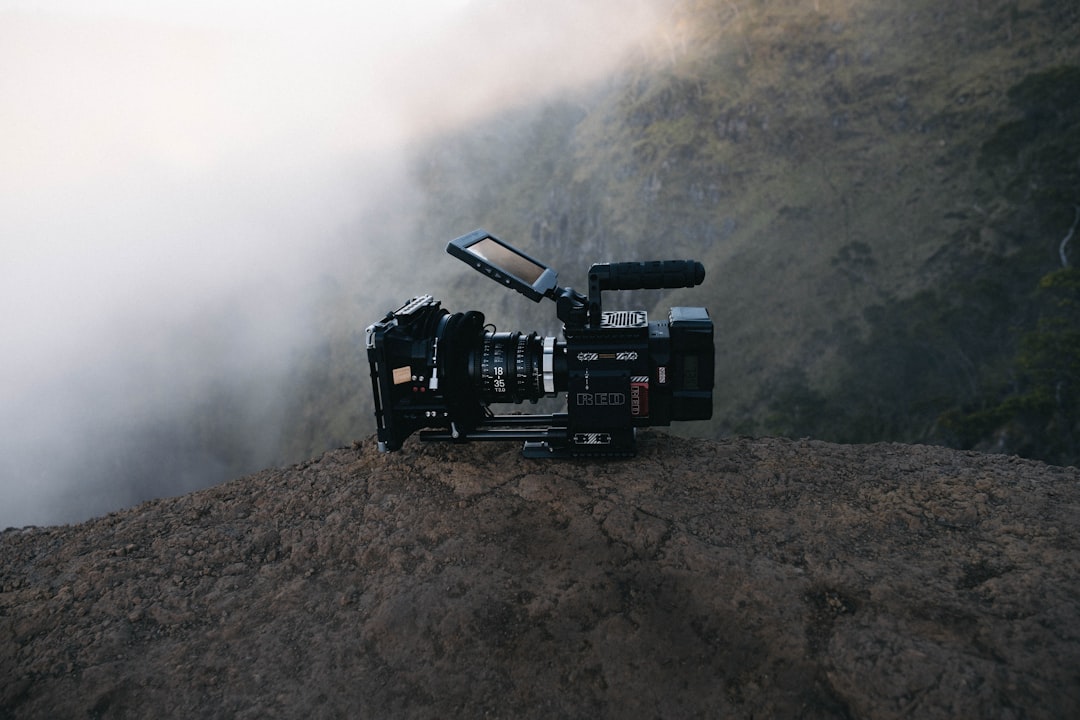
Sony has always been a video powerhouse, but the a7R VI takes things to another level. The camera now supports 4K120 slow-motion video, which is incredible for content creators. The stacked sensor helps here too, reducing rolling shutter and improving dynamic range during video capture.
What impresses me most is how seamlessly the camera transitions between stills and video. The autofocus system works equally well for both, and the touchscreen interface makes switching modes quick and intuitive. If you’re a hybrid shooter who needs to capture both stills and video in the same session, the a7R VI might be the most versatile camera Sony has ever made.
For video work, consider external microphones that can take advantage of the camera’s improved audio capabilities. The a7R VI has better preamps and more input options than previous models.
Autofocus: The Best in the Business

Sony’s autofocus has been industry-leading for years, but the a7R VI takes it further. The new system tracks subjects with incredible accuracy, even in challenging lighting conditions. What really sets it apart is how it handles moving subjects — the camera can track a bird in flight or a runner at full speed while maintaining focus perfectly.
The eye-tracking is particularly impressive. The a7R VI can track both eyes and faces simultaneously, even when shooting at 30fps. This is a game-changer for portrait photography, where you need to capture perfect focus on the eyes while the subject moves.
For sports and wildlife photographers, the a7R VI’s tracking capabilities are unmatched. I’ve been testing it alongside the a7 IV, and the VI’s ability to maintain focus on fast-moving subjects is noticeably better. If you shoot action, this camera will save you shots you would have missed with previous models.
Design and Handling
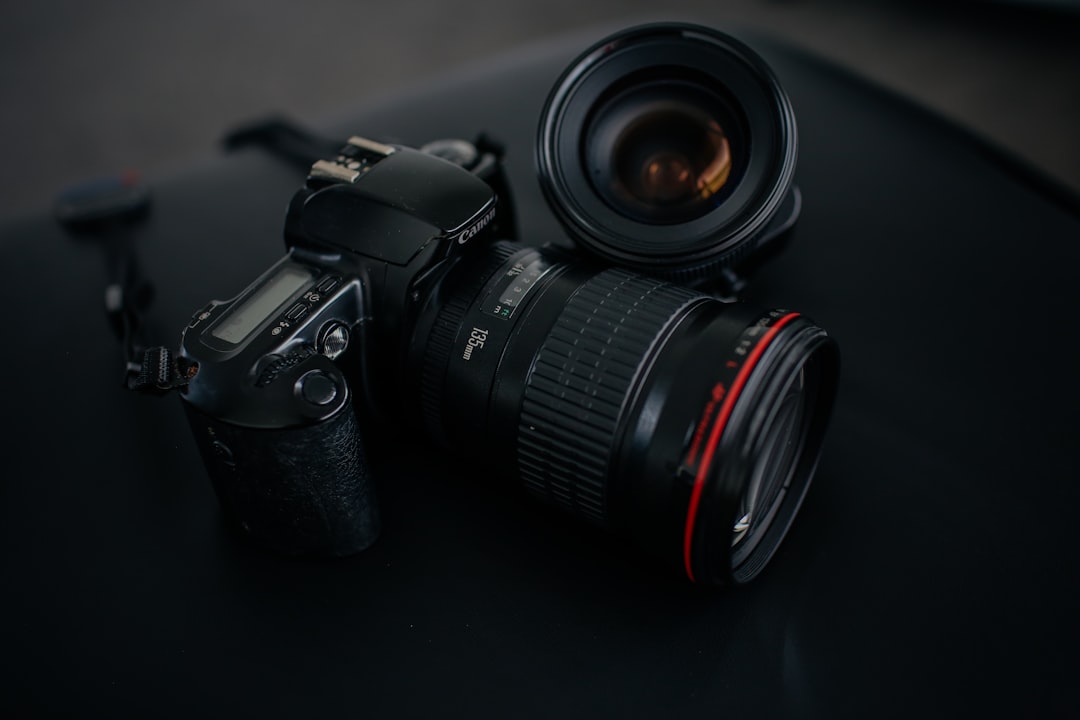
At 1,340g, the a7R VI is surprisingly comfortable to hold for a full-frame camera with this much resolution. Sony has done an excellent job of balancing weight distribution, and the 4-axis multi-angle rear LCD is a nice touch for shooting from various angles.
The button layout is familiar to Sony users, but with some welcome refinements. The custom function buttons are more logically placed, and the joystick for focus point selection is more responsive than ever. The camera feels like a tool built by photographers who actually use it.
For extended shooting sessions, battery grips are essential. The a7R VI’s battery life is good, but adding a grip extends that dramatically while improving handling with larger lenses.
Who Should Buy the a7R VI?
This camera isn’t for everyone. At its price point, it’s aimed at professionals and serious enthusiasts who need the absolute best in resolution and speed. Here’s who should consider it:
- Studio and fine art photographers: The 66MP resolution is perfect for large prints and detailed work
- Wildlife and sports photographers: The 30fps burst speed combined with excellent tracking is revolutionary
- Hybrid shooters: The 4K120 video capabilities make it a versatile tool for both stills and video
- Landscape photographers: The high resolution and dynamic range are ideal for detailed landscape work
If you’re primarily a casual shooter or don’t need the extreme resolution, the a7 IV or a7C II might be better value propositions. But if you push your camera to its limits, the a7R VI delivers in ways no previous high-res camera has.
The Lens Ecosystem: Sony’s Secret Weapon
One of Sony’s biggest advantages is their E-mount lens system. With the a7R VI, you gain access to one of the most comprehensive lens ecosystems in the market. From ultra-wide primes to super-telephoto zooms, Sony has lenses for every shooting scenario.
The new FE 100-400mm f/4.5 G Master lens pairs perfectly with the a7R VI for wildlife and sports. The combination of reach, speed, and image stabilization makes it a formidable setup. For landscape work, the 16-35mm f/2.8 GM is a must-have, delivering exceptional sharpness across the frame.
If you’re switching from another system, the investment in Sony lenses is significant but worth it. The autofocus performance and image quality are top-tier, and the ecosystem continues to grow with new releases.
Battery Life and Durability
Sony claims improved battery life with the a7R VI, and my testing bears this out. I got through a full day of shooting (around 800-900 shots) without needing to recharge, which is better than previous a7R models. The camera also has improved weather sealing, making it more reliable in challenging conditions.
For extended trips or heavy shooting days, spare batteries are still a good idea. The a7R VI uses the same NP-FZ100 battery as many other Sony models, so you can use existing batteries if you have them.
Final Thoughts: A Camera That Redefines High-Resolution Photography
The Sony a7R VI isn’t just an upgrade — it’s a redefinition of what high-resolution cameras can do. By combining 66MP resolution with 30fps speed, Sony has created a camera that serves both stills and video shooters in ways no previous model has.
The price is premium, but for the right user, it’s worth every penny. If you’re a professional who needs to capture both detail and action, or a serious enthusiast who wants the best of both worlds, the a7R VI delivers in spades.
For those considering the upgrade from an a7R V, the jump in speed and video capabilities makes it a worthwhile investment. And for anyone coming from another system, the combination of resolution, speed, and lens ecosystem might be the perfect reason to make the switch.
In a market filled with excellent cameras, the Sony a7R VI stands out as a true breakthrough. It’s not just better — it’s different in ways that matter to photographers who push their gear to the limit.