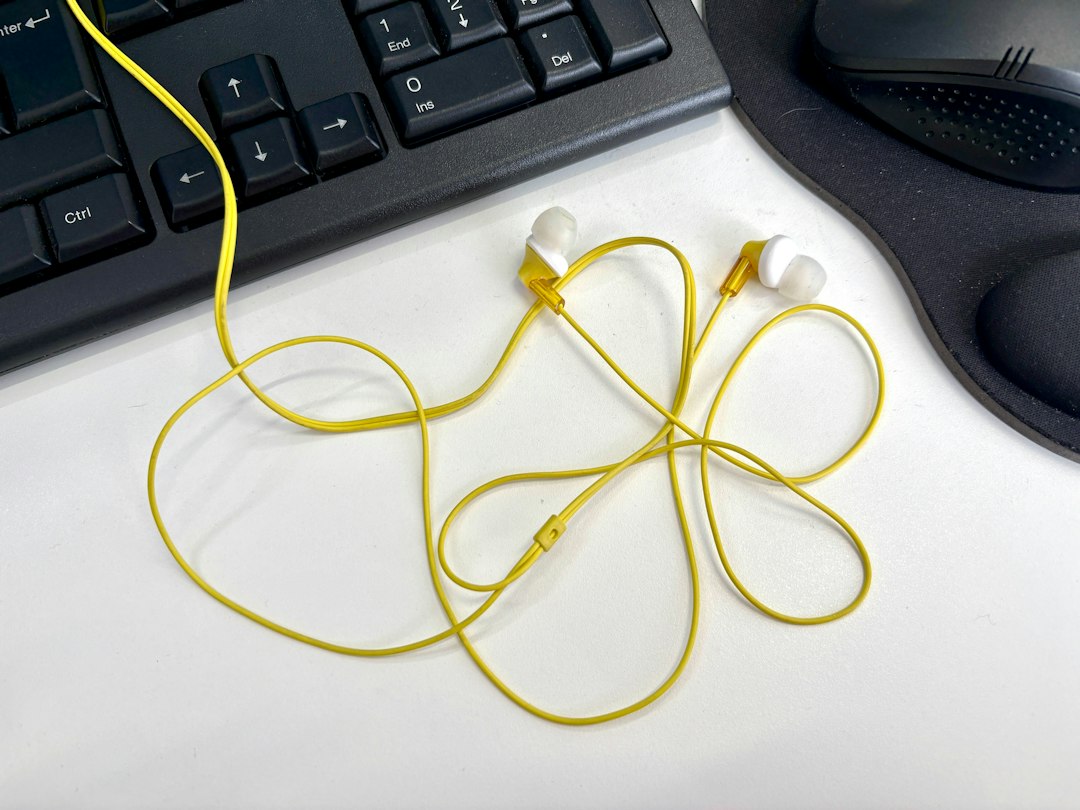
There’s a drawer in my test lab that I’ve started calling the graveyard. Inside it: eleven pairs of wireless earbuds, every one of them dead for the same reason. Not crushed drivers, not frayed cables — dead batteries. Lithium cells that swelled, faded, or simply gave up after two or three years of daily charging cycles. That drawer is exactly why my ears perked up last week when Bose did something nobody predicted: the company announced its first wired earbuds in eleven years.
The Bose Noise Cancelling Wired Earbuds arrive October 15 at $99, available for preorder now at Bose.com and Best Buy in Black, White Smoke, and a limited Dewdrop Mint that drips so much nineties nostalgia it practically comes with a pager. On paper, they look like a contradiction — flagship active noise cancellation wrapped in a technology we all supposedly abandoned. Look closer and they might be one of the smartest product moves of the year.
What Bose Actually Built
Strip away the color-block styling and the pitch is beautifully simple: plug into USB-C, press play. No pairing ritual, no app permission screens, no charging case to babysit. The earbuds pull power directly from whatever phone, tablet, or laptop they’re connected to — even for the active noise cancellation — so there is no internal battery to recharge, degrade, or eventually murder the product. That last part is not a footnote. It’s the whole point.
The noise cancellation is the same QuietControl architecture Bose ships in its premium line, running on four microphones — two per earbud — that continuously monitor and counter ambient sound. You get three modes: Quiet for shutting out the world, Aware for letting it back in, and an ANC Off mode for plain wired listening when you want to save your phone’s battery. Call quality gets its own attention, with a dedicated microphone on the back of the in-line remote tuned to ignore the rustle of a cable bouncing against your jacket. Anyone who’s taken a call while walking with a wired remote knows exactly why that matters.
The rest of the spec sheet reads like Bose acknowledging every complaint wired listeners have had for a decade. A 4.2-foot cable for real freedom of movement. IPX4 sweat resistance. Physical buttons on the remote — actual, tactile, glove-friendly buttons. Three silicone tip sizes plus two sizes of stability wings you can mix, match, or remove entirely. And a zippered carry case, because yes, a cable still needs somewhere to live in your bag.
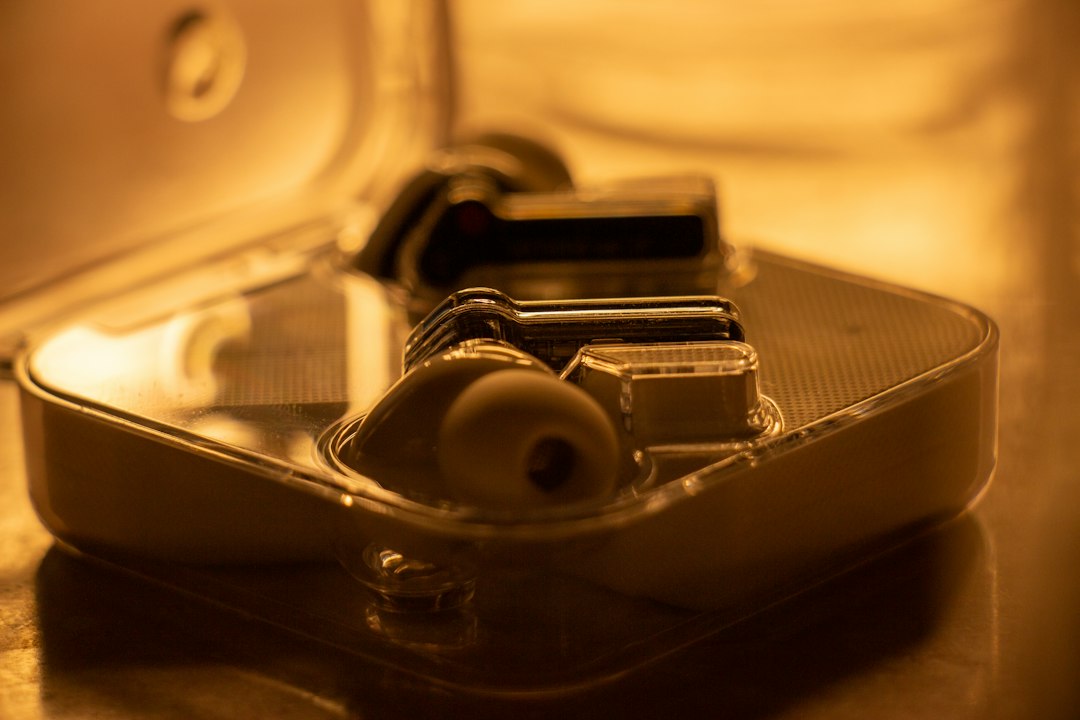
My team and I have spent the last two years testing how well Bose tunes its quieter flagship gear — the QuietComfort 2nd Gen headphones that shipped in August remain a fixture on my desk — and the ANC trickle-down to a $99 wired product is genuinely uncharted territory. Nobody else is doing this at scale.
The Wired Renaissance Is Real
Bose isn’t chasing a ghost. Wired listening is having an honest-to-goodness cultural moment, the same wave that has vinyl outselling CDs again and Gen Z buying point-and-shoot film cameras. The company’s own president called it a renaissance in the launch materials, and for once that’s not marketing fluff — it’s a measurable shift. Walk any commuter train platform and count the cables. It’s not zero anymore, and it’s growing.
The deeper driver is economics and repairability. Every true wireless earbud is a tiny consumable — sealed lithium cells that survive roughly 300 to 500 charge cycles before capacity falls off a cliff, and battery replacements that cost more than the earbuds are worth. When we tore down the Sennheiser Momentum True Wireless 5 to see whether its batteries could actually be replaced, the exercise proved how rare that kind of engineering is. A wired earbud with no battery at all sidesteps the entire death cycle. Buy it once, and it works until you physically break it.
There’s also the resale-and-hoarding math my team runs for every audio purchase: a $99 wired set that lasts eight years costs about a penny a day. A $229 wireless set replaced every three years costs seven cents a day and leaves two dead pairs in a landfill. The cable is the cheaper, greener option, and I suspect that’s going to become a bigger part of the buying conversation in 2027.
The USB-C Trick That Makes It All Work
Here’s the engineering detail most coverage is glossing over: these are not analog earbuds. The DAC and amplifier live inside the earbuds themselves, fed digital audio over USB-C using the USB Audio Class 2 protocol. That’s why they work with basically any modern device — iPhones from the 15 onward, Pixels, Galaxys, iPads, MacBooks, Windows laptops, even the Steam Deck — with zero pairing and zero configuration. The source device can send audio at any sample rate, and the earbuds output a locked 24-bit/48kHz stream.
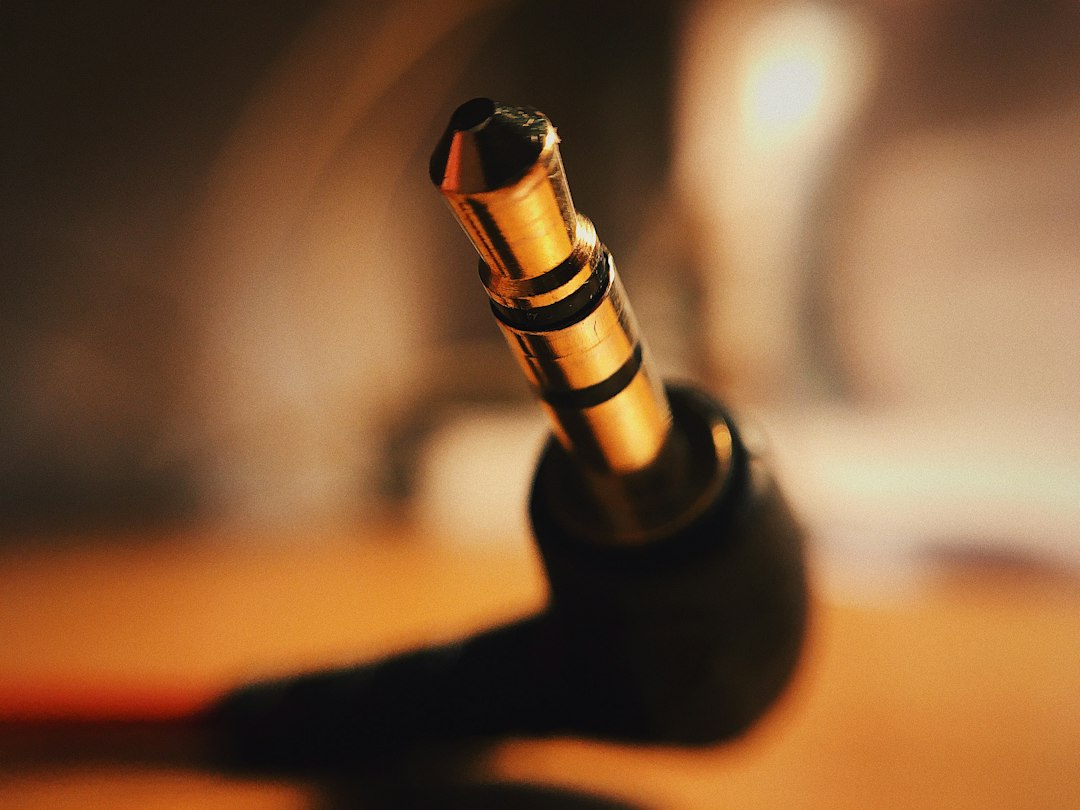
That digital-first design also explains what happened to the headphone jack. When phone makers killed the 3.5mm port, they buried a generation of great analog earbuds with it. If you still own a favorite pair from that era, a USB-C to 3.5mm adapter costs about nine dollars and revives them instantly — and if you need to listen and charge at the same time, a two-in-one USB-C adapter with pass-through charging solves the one genuinely annoying trade-off of jackless phones.
The Latency Tax Bluetooth Never Fixed
Bluetooth audio carries a hidden cost the spec sheets don’t print: latency. Even the best codecs add 100 to 250 milliseconds of delay between what your screen shows and what your ears hear. For music, your brain papers over it. For gaming, video editing, or even just lip-synced video calls, it’s the reason sounds land late and rhythm games become unplayable. A wired connection is effectively latency-free, which is why every serious gamer and content creator I know keeps a wired pair within arm’s reach.
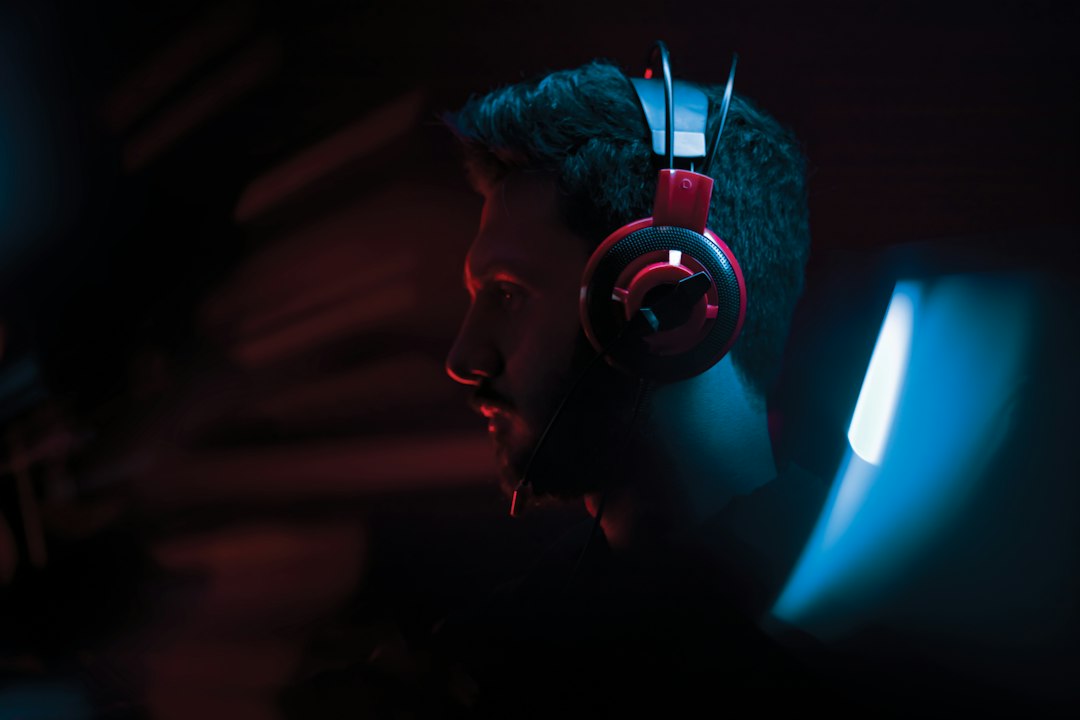
Bose is explicitly courting that crowd, citing low-latency sync for video, gaming, and content creation in the launch materials. If the QuietControl tuning holds up in testing, these could quietly become the default recommendation for anyone editing video on a laptop who’s tired of their audio monitoring arriving a fifth of a second late.
Lossless Finally Means Something
Every major streaming service now offers lossless tiers, and every Bluetooth codec throws most of that data away. SBC and AAC are lossy compression by design; even LDAC’s “hi-res” modes are still squeezing the stream. This is the industry’s most open secret — you cannot hear lossless audio over standard Bluetooth, no matter what the marketing implies. A wired digital connection is the only way the full stream actually reaches your ears.
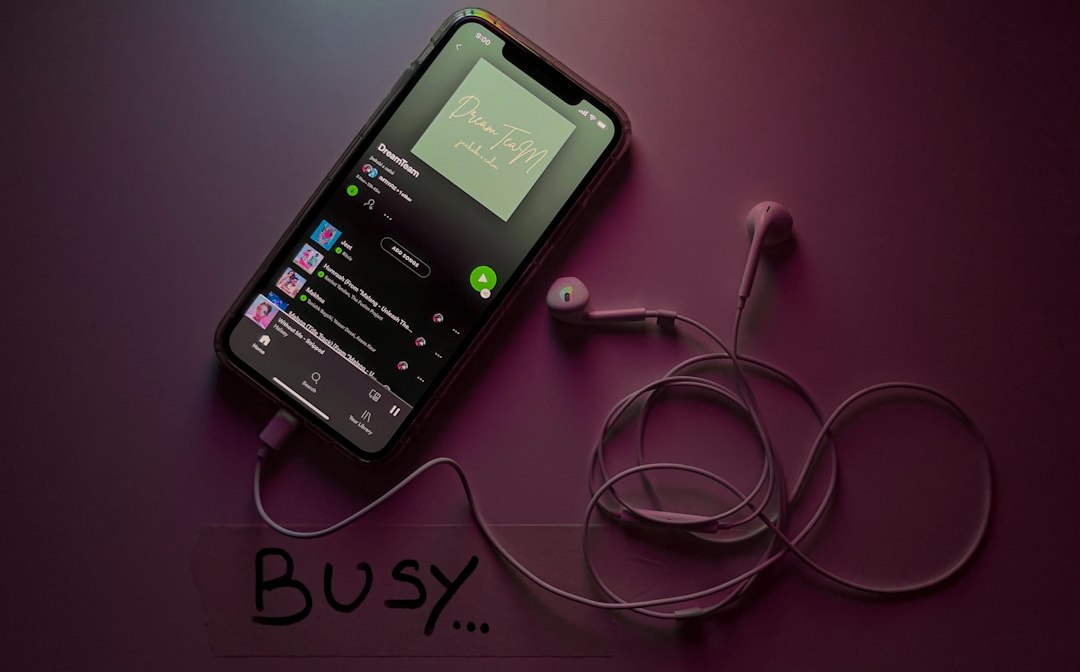
With UAC2 and fixed 24-bit/48kHz output, these Bose earbuds are built for exactly that pipeline. It’s the same USB-C lossless play we praised on the QuietComfort 2nd Gen, now at a fraction of the price. For subscribers paying monthly for lossless music, that detail alone justifies the wire.
Who Should Actually Buy These
After a week with the spec sheet and Bose’s track record, my team’s shortlist is honest: commuters who want ANC without another case to charge, students who leave wireless earbuds in dorm drawers over break and find them dead, video editors and gamers who need zero latency, and anyone who has bought the same wireless earbuds twice because the first pair’s batteries swelled. The dewdrop-mint-and-blue color blocking will do numbers with the retro-fashion crowd too.

Skip them if you run or lift — a 4.2-foot cable on a treadmill is a physics experiment. Skip them if you’ve bought deeply into AI earbud features like live translation and assistants, because a wire carries audio, not intelligence. And if your budget tops out under $50, our budget ANC testing still points to over-ear alternatives that cost less and cancel more.
The Competition, Including Its Own Ancestor
The funny part of this launch is that Bose is competing with its own ghost. The QC20 from 2013 was the last wired ANC set the company sold, and renewed units still trade on Amazon — a refurbished QC20 runs about the same money, though you’re buying a decade-old design with a battery that will eventually die and an analog connection many phones no longer have. The new model fixes both problems by existing ideas Bose itself pioneered, then abandoned, then resurrected.
Elsewhere the wired-ANC lane is nearly empty, which is precisely the gap Bose spotted. Belkin’s ANC wired USB-C earbuds undercut it on price if you want to test the concept cheaply. The audiophile budget route runs through Moondrop, whose CHU II with the USB-C DSP cable and the newer CHU III deliver startling sound-per-dollar without noise cancellation. The classic 1MORE Triple Driver remains the sentimental favorite 3.5mm pick — pair it with that nine-dollar adapter — and Sony’s IER-M500 studio monitor sits at the opposite end for people who mix audio for a living.
When Bose’s listing goes live closer to ship date, the Amazon product page search is the one to watch — and if you want it in Dewdrop Mint, history says limited colorways go first.
Why the Timing Is Smarter Than It Looks
Shipping October 15 means these land right as Amazon’s Big Deal Days flood the zone with wireless earbud discounts — the annual ritual where last year’s flagship true wireless models get marked down to clear inventory. If you’re weighing a heavily discounted wireless set against a full-price $99 preorder, do the two-year math, not the price-tag math. One battery inside a sealed case changes the equation; one battery you never have to charge ends it.
And if you’re planning to shop the sale event anyway, a 30-day Prime trial covers the deals window with free shipping and unlocks the member pricing on anything else you’re eyeing — a practical move this specific week, not a lifestyle commitment. Grab a set of leather cable straps while you’re at it; a wired convert without cable management is just a person re-learning why tangles were annoying.
The Verdict: A Preorder I Understand
I’ve spent twenty-five years telling readers to never preorder anything, and I’m not fully breaking that rule here — mine ships October 15 with everyone else’s, and the real verdict comes after a few weeks of testing against my graveyard drawer. But I’ll say this: the reasoning behind this product is the soundest I’ve seen from Bose in years. It takes the company’s best technology, removes its most failure-prone component, and prices it below the psychological hundred-dollar line.
Wireless didn’t win because it sounded better. It won because it was convenient. Bose just made a strong case that convenience was never the whole story — and that some of us are ready to plug back in.