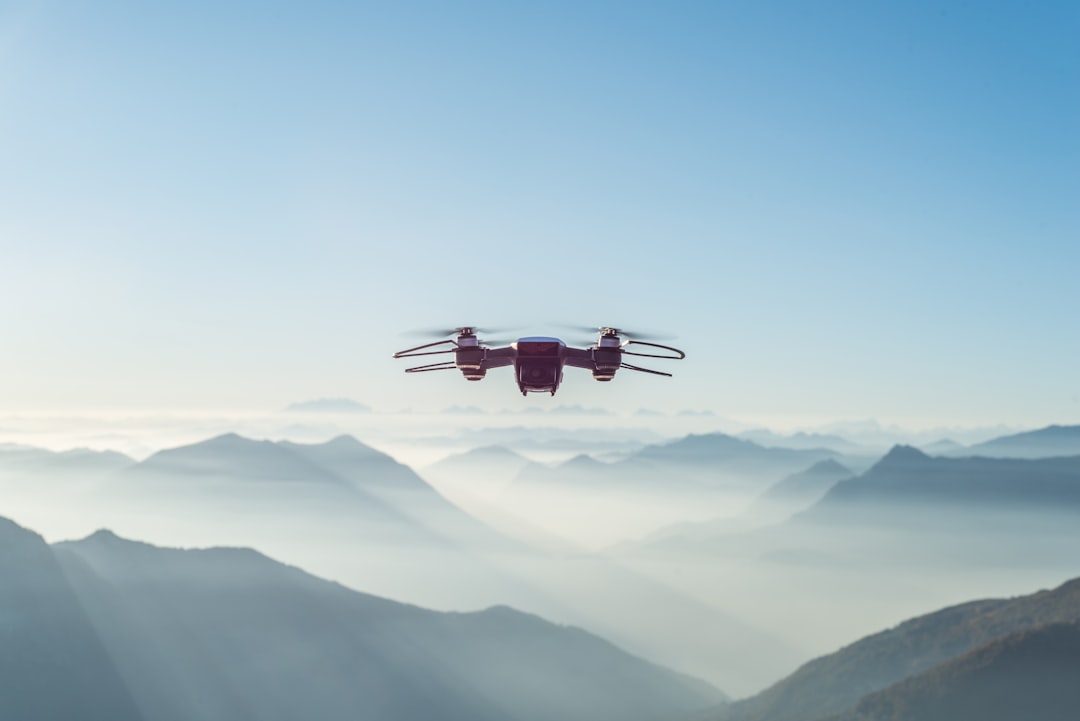
A reader email landed in my inbox last month that I’ve received, in one form or another, maybe forty times this year: “I want to buy my first drone. Which one won’t end up in a tree?” I’ve been testing consumer drones since they were carnival gimmicks with four screaming motors and a battery life you could measure with an egg timer, and my team has crashed — and recovered — more of them than I care to admit. So here’s the honest answer for 2026: the question is no longer whether drones are good. They solved that around three years ago. The question is which one matches how you’ll actually fly, and the entire market quietly reorganized itself around a single number to help you decide.
The Number That Runs the Whole Market
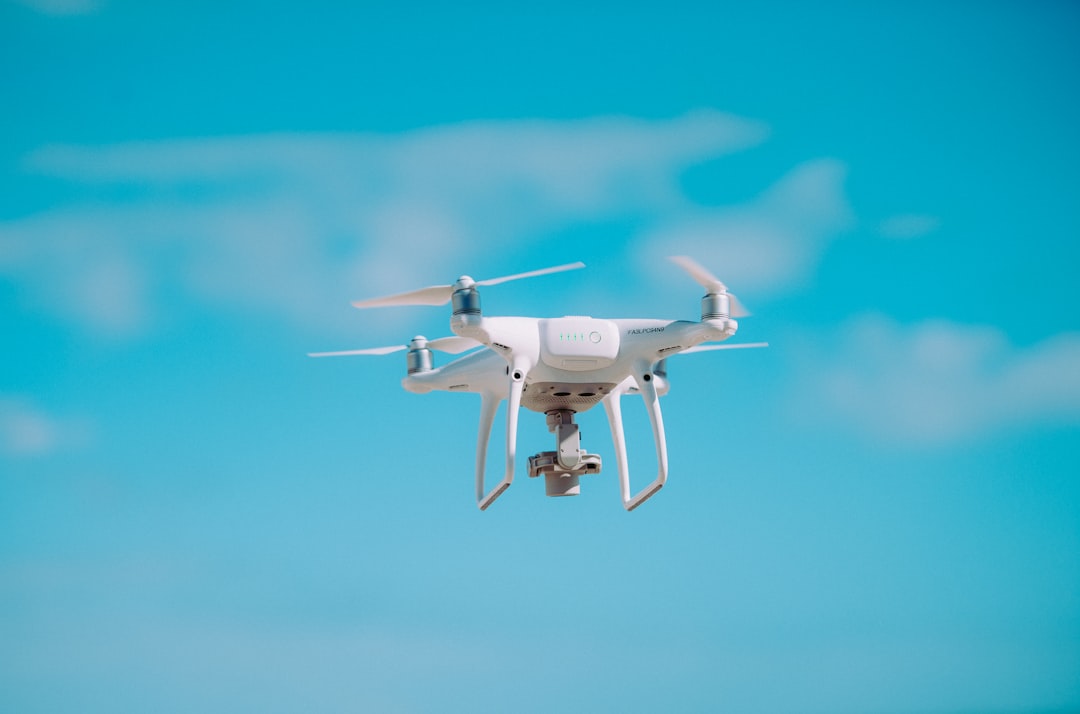
Two hundred forty-nine grams. In the United States, if you fly recreationally and your drone weighs less than 250 grams — 0.55 pounds — you skip FAA registration entirely. Cross that line and you owe the agency five dollars and about five minutes at FAADroneZone before your first flight. People call it the sub-250 loophole, but that’s the wrong word; it’s a deliberate line Congress drew for lightweight aircraft, and manufacturers built entire product families to sit one gram under it. Every drone I recommend below lives on the safe side of that line.
Registration is honestly the easy part. The free TRUST test (The Recreational UAS Safety Test) takes about fifteen minutes online, and you’re required to carry proof of completion when you fly. The one that catches people in 2026 is Remote ID — the broadcast requirement that makes your drone visible to law enforcement the way a transponder makes an airplane visible to a tower. Enforcement has tightened noticeably this year, with fines starting north of $1,100 per violation. The good news: every current DJI model broadcasts Remote ID out of the box. Buy recent hardware and this is a non-issue. Buy some gray-market import and it very much is not — the same import drama that chased DJI’s best pocket camera off American shelves applies here, so I’d stick to listings you can return domestically.
Why does all this favor lightweight drones? Because the sub-250 class now contains the best beginner aircraft ever made. The physics are real — lighter birds get shoved around by wind — but the training wheels (GPS hold, obstacle sensing, return-to-home) have never been better.
The $79 Aisle Is Still a Trap
Every holiday season, big-box shelves fill with $60–$90 “camera drones” in blister packs, and every January my inbox fills with regret. We bought three of them last December to sanity-check a gift guide; two were dead before New Year’s, and the third refused to hold a hover in the same breeze my garden flag ignored. The failure pattern is always the same: no GPS lock, so the drone drifts like a balloon at a birthday party; no return-to-home, so when it drifts, it drifts forever; five-minute batteries; and replacement parts that simply don’t exist.
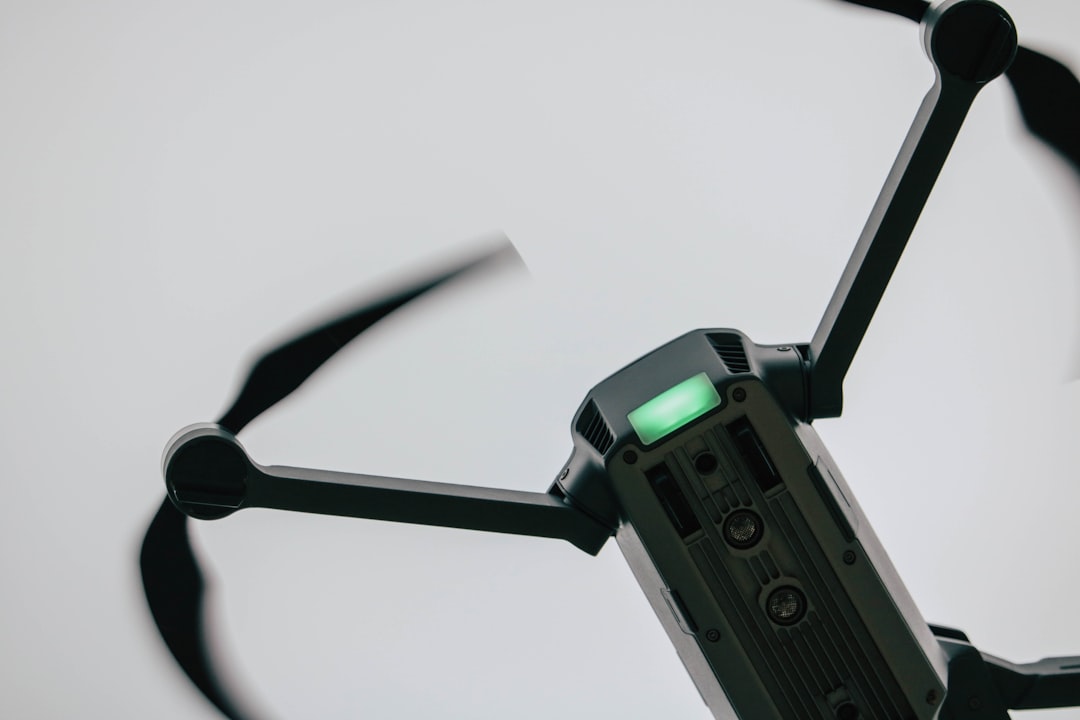
Look at what actual flight hardware costs to build — motors with real bearings, sensors, a gimbal that doesn’t shake like a paint mixer — and the math stops working below about $250. That’s the floor for anything I’d hand a first-time pilot. Below it, you’re not buying a drone; you’re buying a disappointment with propellers. The one exception I’ll allow: palm-launched selfie drones from reputable brands, which we’ll get to.
Door One: The $300 On-Ramp
The DJI Mini 4K is the least expensive drone I’ll recommend to a beginner without hedging. It’s under the magic 249 grams, it locks onto GPS like a tractor beam, and when the battery runs low or the signal drops, it climbs to a safe altitude and flies itself back to the exact patch of grass it launched from. The 4K footage from its mechanically stabilized gimbal is sharp enough that readers have emailed asking which “professional” drone shot a sunset clip — it was a $299 bird flown by my neighbor’s teenager.
Two honest caveats. First, lightweight means wind-sensitive: fly in the morning or accept jittery footage on breezy afternoons. Second, if this is for a kid or you’re learning near trees, a set of propeller guards costs less than a pizza and saves a lot of tears. My team clips them on for every indoor test flight.
Door Two: The One Most First-Time Buyers Should Actually Get
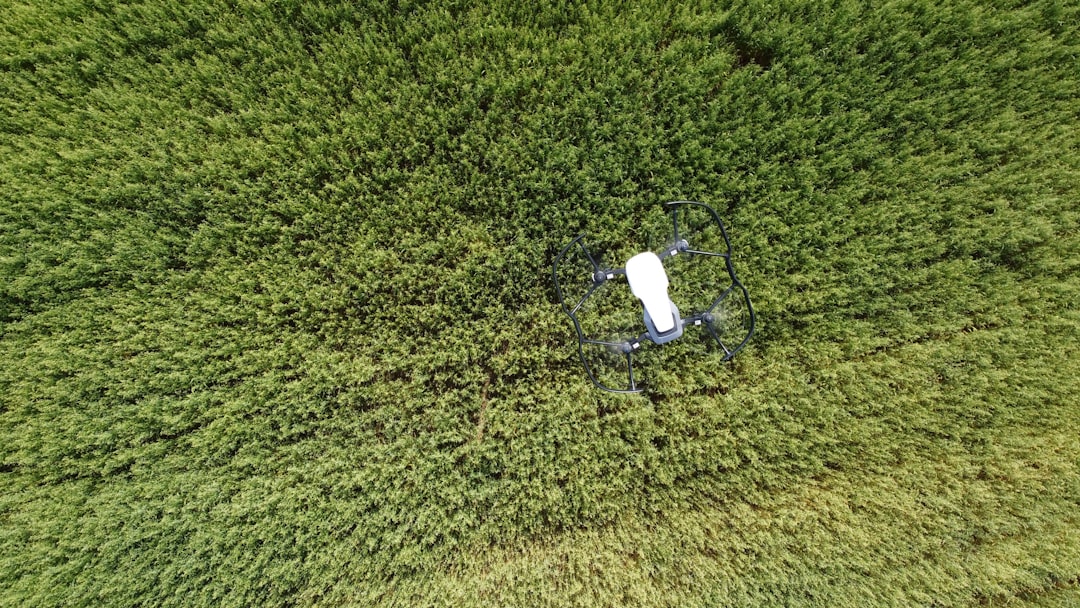
Here’s where 2026’s lineup gets interesting, because the middle tier split into two philosophies. The DJI Neo 2 is the closest thing to a drone you cannot be intimidated by. It takes off from your palm, follows you around without a controller at all, obeys voice commands, and lands back in your hand. We handed one to a colleague who had never flown anything — she was filming tracking shots of her kids within four minutes of opening the box. DJI also sells a Motion Fly More combo that replaces the traditional twin-stick controller with a one-handed motion remote, which sounds like a gimmick until you try it and realize you’re flying with the effort of using a TV wand.
The DJI Flip takes the opposite approach: it’s a proper camera drone that shrinks the learning curve instead of removing the controller. Full-coverage prop guards mean a wrong stick input bounces off a fence instead of shredding itself, the 3-axis gimbal carries the same stabilization discipline as DJI’s bigger birds, and D-Log M color profiles mean your footage survives real color grading if you ever graduate to editing. At roughly $430 with a controller, it’s the drone I put in most gift guides this year and the one I’d tell a friend to buy if they refuse to tell me their budget.
Door Three: The Endgame Bird
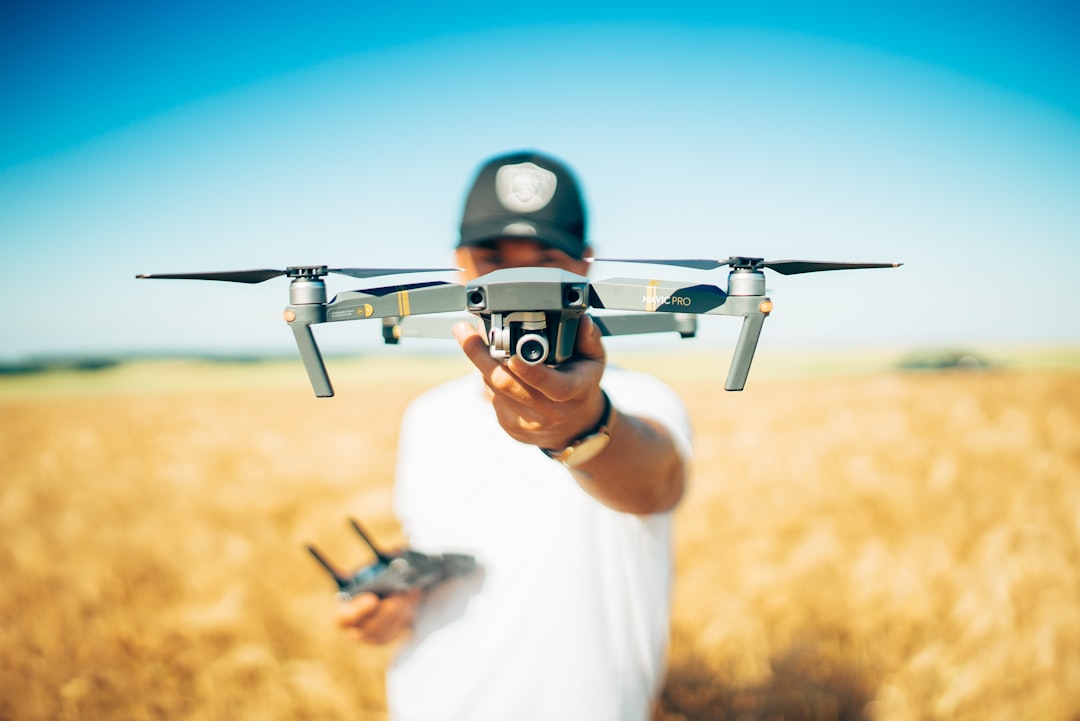
The DJI Mini 5 Pro is what happens when a company throws its flagship sensor at the sub-250 class. The one-inch CMOS is the same sensor class that made full-size drones famous, and it shows: sunsets keep their highlights, dark treelines keep their detail, and ActiveTrack 360 follows a mountain biker through switchbacks without losing him. Obstacle sensing watches front and back, the gimbal rotates 225 degrees for vertical and dramatic angles, and the battery life embarrasses every Mini that came before it.
Pricing is the usual DJI funnel. Around $759 gets you the drone with a basic controller; the Fly More Combo with the RC 2 screen controller, extra batteries, and a charging hub lands just over a grand. Do the battery math before you decide: individual flight batteries run $60-plus each, so the combo usually wins the moment you want a second and third flight. One add-on worth it for anyone shooting in daylight: a proper ND filter set for the Mini 5 Pro, which is the difference between cinematic motion blur and video that looks like a slideshow.

The Accessories That Earn Their Spot in the Bag
Three purchases separate people who fly every weekend from people whose drone collects dust, and none of them are the drone. First, storage: 4K bitrates chew through cards, so buy a name-brand V30 card like the SanDisk Extreme PRO 256GB and format it in the drone before flight day — the number of readers who’ve lost footage to a counterfeit card from a marketplace seller is genuinely sad. Second, a weighted landing pad around 22 inches: grass, gravel, and dust are the enemies of gimbals and motors, and a pad that folds to dinner-plate size costs twenty bucks. Third, batteries — covered by the combo math above, but if you went base-model, one spare battery doubles your actual flying time, which doubles the odds the drone leaves the house again.

Everything else — skins, decals, lanyards, sticker kits — is noise. If you want to see how I apply that same ruthlessness to the rest of my gear, the camera kit we pack for solo shoots follows the same rule: nothing rides along unless it earns it.
Handle the Rules Before You Open the Box
A ten-minute checklist that saves real money: take the free TRUST test and screenshot the certificate. Register at FAADroneZone if your drone touches 250 grams — five dollars, done in line at the coffee shop. Confirm your drone broadcasts Remote ID (all current DJI models do). Then learn where you can’t fly: national parks are closed to drone launches under federal regulation, and the fine for the Instagram shot over the canyon rim is not worth it. Airspace near airports needs authorization through an app like Aloft. And when you travel, lithium flight batteries ride in your carry-on, never in a checked bag — the same rule I follow for every piece of travel tech that earns its bag space.

State and local rules are the layer nobody warns you about. Some state parks ban takeoffs from their land even where flying overhead is legal, and a few cities have ordinances about flying over people. Thirty seconds of searching your location plus the word “drone ordinance” is cheaper than a citation.
What If You Never Want a Controller at All?
There’s a parallel universe of flying cameras for people whose eyes glaze at twin sticks. The HOVERAir X1 Pro Max folds to roughly the size of a phone, takes off from your palm, and orbits or follows you with no controller and no skill — in 8K, no less. At around $650 it’s not cheap for what amounts to a selfie robot, and its range and wind tolerance are a different class than a real drone. But for vloggers and family-trip footage, nothing else is this frictionless. I’ve watched complete novices produce usable follow shots on their first attempt, which is not a sentence I could write about any aircraft five years ago.
The Verdict: Follow Your Honest Answer to One Question
How often will you actually fly, and what will you do with the footage? If the answer is “weekends, and my phone’s camera roll,” get the Flip — it’s the complete drone most people think they’re buying when they overspend on a flagship. If it’s “I just want follow-me shots of my bike rides,” the Neo 2 alone or the HOVERAir does that with less ceremony. If a tax refund is burning a hole in your pocket and you already know you’ll chase golden-hour footage, the Mini 5 Pro is the last drone most humans need. And if the budget genuinely stops at $300, the Mini 4K is a real aircraft, not a compromise.
The drone that gets flown beats the drone that gets admired. Pick your door, take the fifteen-minute test, charge the batteries, and go find out what your neighborhood looks like from 200 feet up.