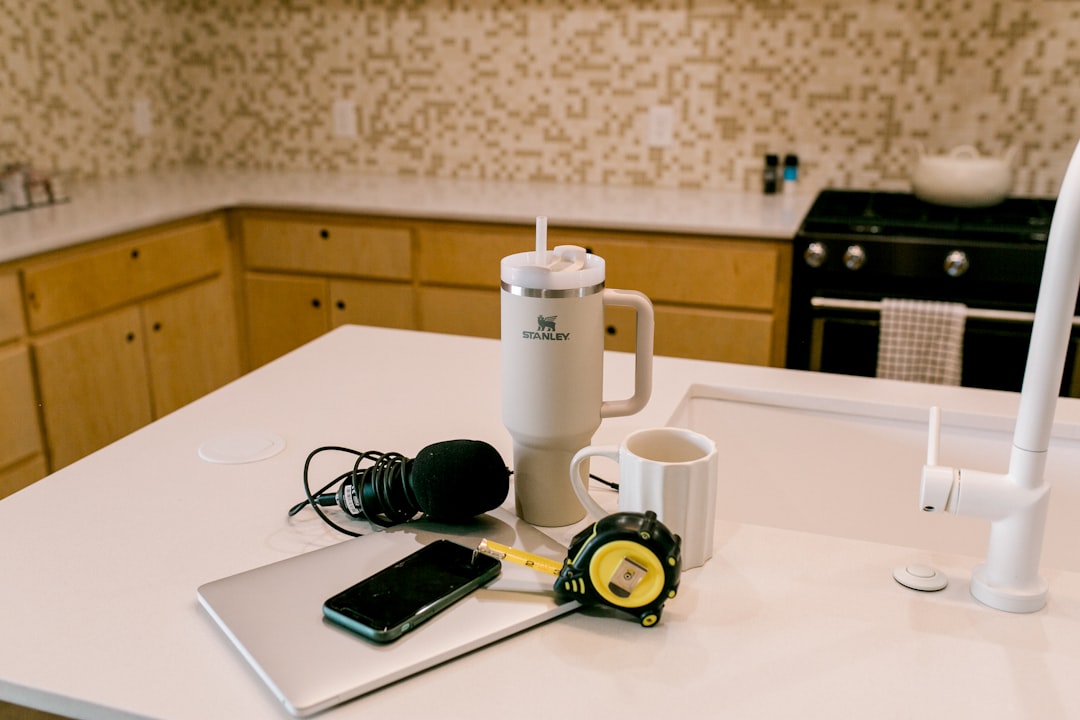
I’ll start with a confession. When the first Ember Mug landed on my desk back in 2019, I rolled my eyes so hard I nearly pulled a muscle. A hundred-plus dollars for a coffee cup with a battery in it? A mug that pairs with your phone? I wrote it off as the kind of gimmick that gives “smart” everything a bad name — right up there with Bluetooth-enabled hairbrushes and Wi-Fi water bottles.
Then I used one for a week. And here I am, six years later, writing an entire guide about temperature-controlled drinkware. The team still gives me grief about it.
Here’s the thing nobody tells you about heated mugs: the problem they solve is real. Coffee cools. It cools faster than you think, especially in a ceramic vessel, and by the time you remember you poured a cup forty minutes ago, you’re staring down a sad, room-temperature puddle that tastes like disappointment. For people who work at a desk — where a single task can swallow two hours before you come up for air — this isn’t a minor inconvenience. It’s a daily tax on your morning.

The Science of Why Cold Coffee Tastes Terrible
Before I get into the products, let me explain why temperature matters more than you think. Our perception of flavor is deeply tied to temperature. Between 160°F and 140°F, coffee’s volatile aromatic compounds — the stuff that makes it smell and taste good — are most active. Below 130°F, those compounds stop evaporating efficiently, and what’s left is the bitterness and acidity with none of the aromatic payoff.
This is why coffee shops serve their brew at 175°F to 185°F. It’s not because they want to burn your tongue. It’s because by the time you’ve walked back to your desk, stirred in your cream, and taken the first sip, you’ve already lost 15 degrees. The window where coffee actually tastes the way the roaster intended is shockingly narrow.
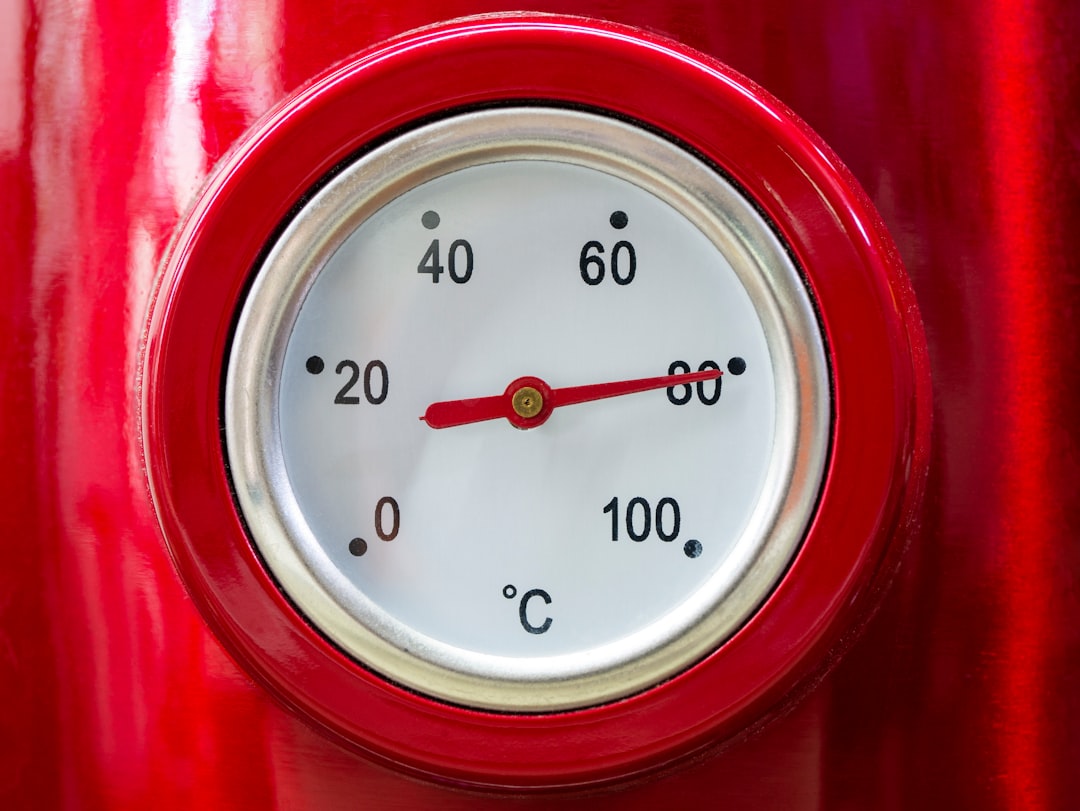
A smart mug extends that window indefinitely. Instead of a five-minute sweet spot, you get hours at the exact temperature you prefer. That’s not a luxury — for anyone who drinks coffee or tea while working, it changes the entire rhythm of your day. You stop gulping. You stop reheating in the microwave (which wrecks the flavor by the way — it violently re-boils compounds that have already settled). You just sip when you’re ready, and the mug handles the rest.
What I Actually Tested (And How)
Over the past four months, the team and I rounded up every meaningful heated mug and mug warmer we could find. We tested battery-powered self-heating mugs, induction-coaster systems, and plain electric warming plates. The criteria were simple: does it hold temperature accurately, does it feel good to drink from, does the battery or heating element last through a real work session, and is it worth the asking price?

We measured temperatures with a digital thermometer at 5-minute intervals over 90 minutes. We tested with coffee, tea, and hot chocolate (which has different thermal properties due to sugar content). We charged and recharged the self-heating mugs until we had real-world battery numbers. And we lived with each product long enough to form opinions that go beyond spec sheets.
The App-Controlled Benchmark: Ember Mug 2
The Ember Mug 2 remains the most refined self-heating mug on the market, and it’s not particularly close. The Ember Mug 2 in 14oz is the sweet spot for most people — it holds enough coffee for a real work session without being unwieldy, and the improved battery design gets you about 80 minutes on a single charge at 135°F. If you prefer a smaller vessel or drink espresso-based drinks, the Ember Mug 2 in 10oz is the way to go.
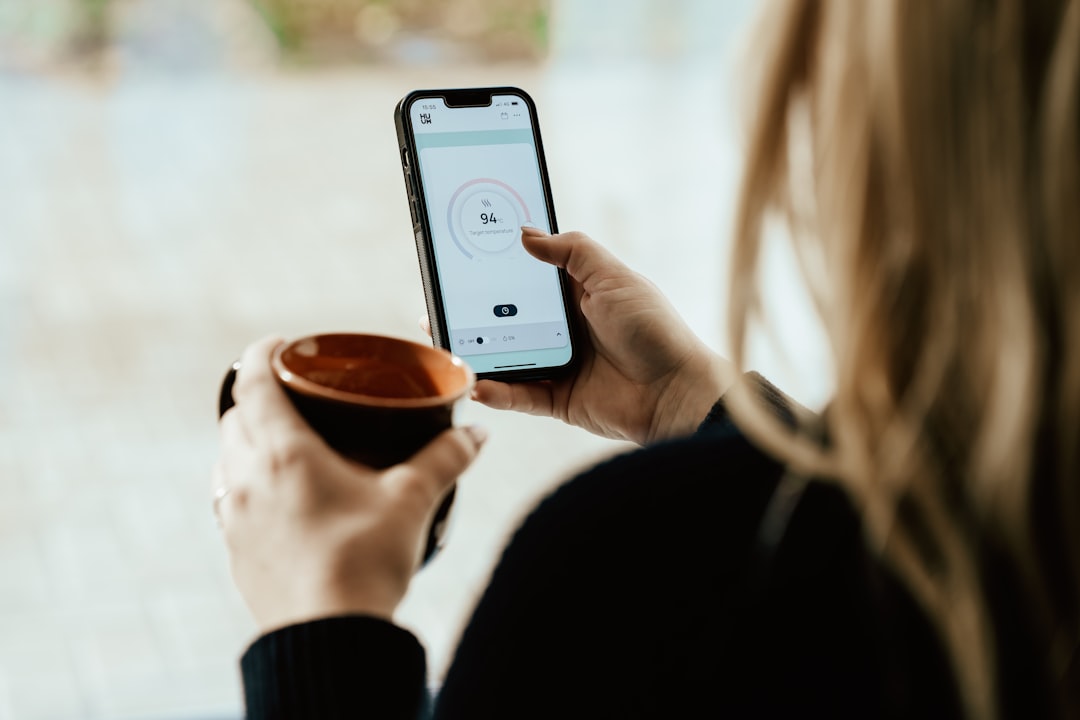
What sets Ember apart is the app. You set your target temperature to the degree — 135°F is my default, but some people prefer 130°F or as high as 145°F — and the mug maintains it with surprising precision. The app tracks your daily caffeine intake, sends notifications when the mug is empty, and even pairs with Apple Health. Is all of that necessary? No. But the precision temperature control genuinely changes the experience. Coffee tastes the same at minute 5 and minute 50.
The downside is the price. At around $120-130, it’s the most expensive option here by a wide margin. And the coated stainless steel interior, while safe and durable, doesn’t feel quite like drinking from ceramic. Some people notice a faint metallic edge to their coffee. I did, briefly, then forgot about it within a day.
The Ceramic Challenger: Ohom Ui 3
If the Ember’s tech-forward approach leaves you cold, the Ohom Ui 3 Self-Heating Mug Set takes the opposite design philosophy. It’s a beautiful ceramic mug with induction metal embedded in the base, paired with a matching heating coaster. No app. No Bluetooth pairing. No firmware updates for your coffee cup. You set the coaster to one of two temperatures and walk away.

The Ohom’s advantage is that it feels like a real mug. The ceramic body has weight, warmth, and the kind of tactile pleasure that stainless steel can’t replicate. It looks good on a desk — the kind of object a visitor would compliment rather than ask questions about. And because the coaster plugs into the wall, there’s no battery to manage. You set the mug down, it stays warm. You pick it up, it runs on its own thermal mass for about 20 minutes before cooling noticeably.
The trade-off is portability. You can’t walk around the house with this mug and expect it to maintain temperature — the coaster is the heat source, not the mug. For desk workers, this is a feature, not a bug. But if your workflow involves moving between rooms or taking your drink to meetings, the Ember’s battery-powered approach wins.
The Battery Champion: VSITOO S3 Pro
The VSITOO S3 Pro sits in an interesting middle ground. At 16oz, it holds more coffee than either the Ember or the Ohom. It’s battery-powered like the Ember, but it costs significantly less — usually landing around $60-70. The battery life is genuinely impressive; we consistently got 90+ minutes at 135°F, outlasting the Ember by a small but real margin.
It also has an app, though it’s notably less polished than Ember’s. The temperature control works in 5-degree increments rather than single degrees, which is fine in practice — almost nobody can tell the difference between 133°F and 135°F. What you do notice is the larger capacity and the fact that it costs half what the Ember does.
The build quality is the compromise. The VSITOO feels lighter and less premium in the hand, and the coating on the interior has shown some wear after months of daily use. It’s a value pick, not an heirloom. But if you want to try the self-heating mug concept without committing $130, this is where I’d start.
The Button-Only Option: Nextmug
The Nextmug does something clever: it offers app-free temperature control with a single button on the base. Click through three preset temperatures — warm (130°F), medium (135°F), hot (140°F) — and you’re done. No pairing, no setup wizard, no monthly firmware prompts. It’s self-heating, battery-powered, and costs less than the Ember at around $80.
I gave this one to a team member who actively resents app-connected devices, and it became his daily driver within a week. The battery life lands somewhere between the Ember and VSITOO, around 75-80 minutes. The mug itself is sturdy and dishwasher-safe, which neither the Ember nor the Ohom can claim. If you want the self-heating experience with zero digital overhead, the Nextmug is the best no-nonsense option.
There’s also the Nextmug in its 14oz configuration if you want a slightly different size option from the same brand.
The Budget Path: Electric Mug Warmers
Not ready to spend $60-130 on a heated mug? That’s completely reasonable. A basic electric mug warmer like the KitchekShop model costs around $15 and does one thing: it keeps a regular mug warm using a heating plate. There’s no battery, no app, no temperature precision — you set your mug on the plate and it maintains somewhere between 131°F and 140°F depending on the cup’s material.

These warmers work best with flat-bottomed ceramic mugs (metal and glass don’t conduct evenly). The Dimux Coffee Warmer with Mug Set is an even better budget pick because it includes a matched ceramic mug designed to work with the plate — no guessing about compatibility. For twenty dollars total, you get a functional temperature-maintenance system that solves the core problem without any of the premium features.
The limitation is that a warming plate can only maintain or slowly increase temperature — it can’t cool an overheated drink, and it works much more slowly than a self-heating mug. If you pour coffee at 190°F, a plate warmer will take 25-30 minutes to bring it down to a drinkable 140°F range. A self-heating mug with active temperature control manages that transition in about 3 minutes.
What About Accessories?
If you go the Ember route, a few accessories are worth considering. The charging coaster that comes with the mug is functional, but if you want a second one for a different room, Ember offers replacement and additional charging coasters that pair seamlessly. A silicone Mug Stand is also useful if you take the mug to meetings — it protects tables from the warm base and gives you a stable resting spot.
For any of these options, I’d also recommend picking up a quality coffee thermometer if you want to calibrate your preferences. Knowing exactly what temperature you enjoy most takes the guesswork out of setting up your mug each morning. Most people land between 132°F and 138°F — but you won’t know until you measure.
How It Fits Your Desk Ecosystem
A heated mug is the kind of upgrade that makes sense as part of a broader workspace improvement push. If you’ve already addressed your core desk gadget fundamentals — cable management, proper lighting, a good mat — a smart mug is the next tier. It’s a quality-of-life upgrade, not a productivity tool in the traditional sense.
I think of it alongside other environmental upgrades we’ve covered. The desk air purifier that fixed my afternoon brain fog operates in the same category: small, almost invisible changes that compound into a meaningfully better workday. Same with a clean Qi2 charging setup — eliminate friction points and the hours feel different.
If you spend any portion of your workday with a drink within arm’s reach — and let’s be honest, that’s most of us — the ability to have that drink at the right temperature for hours rather than minutes is a quiet but real upgrade. The question isn’t whether a $120 mug is “worth it” in the abstract. The question is whether the cumulative effect of small workspace improvements has reached the point where this is the next logical piece.
For me, it was. I started with an Ember, added a budget warmer to the home office downstairs, and gave the Ohom a permanent spot on the kitchen counter where it sees daily tea duty. None of these purchases felt rational in isolation. Together, they eliminated a small daily annoyance that I’d been tolerating for years without even recognizing it as a problem.
That’s how the best desk upgrades work. You don’t realize how much ambient friction you’re putting up with until something removes it and you look back thinking, “Wait, I was accepting that?”