
Why I Spent Three Months Testing Ergonomic Chairs
I’ve spent the last twenty-five years reviewing tech gear, from smartphones to servers, but nothing has had quite the impact on my daily life as the chair I sit in for eight to ten hours a day. When my lower back started protesting last winter—after decades of treating my seating as an afterthought—I decided to do what I always do: obsessively research, test, and document until I found what actually works. Over three months, I lived with twenty different ergonomic chairs, ranging from budget office staples to premium designs that cost more than my first car. What I learned surprised me, and I’m going to save you from making the expensive mistakes I made along the way.
Let me be upfront about what this guide is and isn’t. I’m not going to recite manufacturer specs or repeat marketing copy about “dynamic lumbar support” and “pressure-distributed comfort zones.” Those terms mean something, but they don’t tell you whether a chair will feel good after six hours of actual work. Instead, I’ll share what I experienced during weeks of real-world use: which chairs prevented my back pain, which ones fell apart, and which ones are actually worth your hard-earned money in 2026.
The Reality Check: What Actually Matters
Before diving into specific chairs, let’s talk about what genuinely matters for comfort and health. After months of testing, I’ve identified three non-negotiable features that separate chairs worth owning from overpriced gimmicks. First, adjustable lumbar support that you can actually feel—it should press gently into your lower back, not just exist somewhere behind you. Second, seat depth adjustment. If you can’t slide the seat pan forward or back, you’ll either have pressure behind your knees or inadequate thigh support, and both problems ruin long-term comfort. Third, a backrest that reclines while keeping your feet planted on the floor. This might seem minor, but the ability to lean back without sliding forward dramatically reduces fatigue during marathon work sessions.
Everything else—mesh vs. foam, armrest adjustability, headrests—is personal preference or budget-dependent. I’ve sat on $1,500 chairs that failed the three essentials above and $400 chairs that nailed them. The marketing departments want you to believe that more money and more features equal better comfort, but my testing proved otherwise. The chairs I ultimately kept in my office all share those three core traits, regardless of price point.
I should mention that I tested these chairs while doing my typical work: writing, coding, video calls, and long research sessions. I’m 5’11” and 175 pounds, which is conveniently close to the “average” build most chair manufacturers design for. If you’re significantly taller, shorter, heavier, or lighter, your experience might differ. That said, the chairs I recommend have adjustment ranges generous enough to accommodate most body types comfortably.
The Best Overall: Herman Miller Aeron
Let’s address the elephant in the room: the Herman Miller Aeron has achieved near-mythical status in office furniture, and after living with one for six weeks, I understand why. This isn’t just a good chair—it’s a masterclass in ergonomics that has aged remarkably well since its original debut in 1994. The 2024 update I tested refined the design without losing what made the original brilliant: breathable mesh that never feels hot, outstanding lumbar support that adjusts precisely, and a tilt mechanism that somehow makes sitting feel active rather than passive.
What surprised me most about the Aeron is how it disappears during use. With cheaper chairs, I’m constantly aware of pressure points, awkward angles, or the need to shift position. The Aeron just works—its pellicle mesh suspension distributes weight so evenly that I’ve caught myself realizing I’ve been sitting for four hours without once thinking about my chair. The mesh might feel firm at first, especially if you’re accustomed to plush cushioning, but give it a few days. Your back will thank you.
The build quality is absurd. Every component feels like it could last decades, and the 12-year warranty suggests Herman Miller agrees. I abused my test unit—spilled coffee, rolled it across carpet, leaned back aggressively—and it never developed a squeak, wobble, or loose bolt. This is buy-it-for-life furniture, and while the $1,400+ price stings, the cost-per-year over a decade makes it surprisingly reasonable. If you can afford it and want a chair you’ll never have to think about again, the Aeron remains the undisputed king.
That said, it’s not perfect for everyone. The mesh, while brilliantly cool, doesn’t cushion like foam, and some testers found it unforgiving during long sessions. The fixed armrests on the base model are frustratingly limited, though upgrading to adjustable arms adds another $200 to an already steep price. And frankly, not everyone can drop $1,400 on a chair, no matter how good it is. For those people, I found some excellent alternatives that cost a fraction as much.
The Best Value: Sayl Office Chair
If the Aeron is the luxury choice, the Herman Miller Sayl is the smart compromise. At roughly half the price of the Aeron, it captures much of the same ergonomic brilliance while making some thoughtful cost-cutting decisions that don’t compromise comfort. I’ve been sitting in a Sayl for my secondary workstation for two months, and it’s become the chair I recommend to friends who want quality without taking out a second mortgage.
The Sayl’s most distinctive feature is its suspended backrest—a web of elastic cables that provides support while looking like something from a design museum. It’s not just for show: the back flexes as you move, providing dynamic support that feels remarkably natural. The lumbar support is adjustable via a dial on the back, and unlike some chairs where this feature feels like an afterthought, the Sayl’s lumbar system actually makes a noticeable difference. Crank it up for intense work sessions, dial it back when you’re relaxing—the chair adapts to you.

Build quality is excellent, though not quite on the Aeron’s level. The plastic components feel substantial rather than cheap, and the rolling base is smooth and stable. I’ve noticed some slight flex in the backrest when I lean back heavily, but it never feels concerning or flimsy. The mesh seat is comfortable for long sessions, though I’d recommend the optional seat cushion if you prefer more padding. At around $700, the Sayl occupies a sweet spot: premium enough to deliver genuine ergonomic benefits, but priced well below the stratospheric Aeron tier.
Who is this chair for? If you work from home full-time and want something that will last for years without requiring a second mortgage, the Sayl hits the mark. It’s especially good for smaller frames—my partner, who is 5’4″, finds it more comfortable than the Aeron because the backrest shape better suits her proportions. At this price point, you’re getting genuinely premium ergonomics, and the Sayl has become my default recommendation for anyone asking “what chair should I buy?” without specifying a budget.
The Budget Champion: HON Ignition 2.0
Not everyone can drop $700+ on a chair, and that’s where the HON Ignition 2.0 enters the picture. At roughly $300-350 depending on sales, this chair delivers shockingly good ergonomics for the price. I spent three weeks with an Ignition as my daily driver, and while it doesn’t match the refinement of the Herman Miller models, it gets the essentials right in a way that chairs twice its price often don’t.
The standout feature is the adjustable lumbar system—not just a sliding pad, but a ratcheting mechanism that lets you dial in the exact height and depth of support. This is rare at this price point, and it makes a genuine difference. I also appreciated the synchro-tilt mechanism, which reclines the seat and backrest in a fixed ratio. This keeps your feet on the floor when leaning back, preventing that awkward sliding-forward feeling that plagues cheaper office chairs. The seat cushion is firm but comfortable, and after three weeks of daily use, I never experienced the pressure-point discomfort that cheaper foam cushions often cause.

Build quality is where the budget shows. The plastic feels plastic-y, the mesh back has more give than I’d like, and the armrests wiggle slightly under pressure. But here’s the thing: none of this affects actual comfort or function. The chair adjusts smoothly, rolls reliably, and holds its position through long work sessions. The upholstery on the foam seat model I tested seems durable, though I’d spring for the mesh seat version if you run hot or live in a warm climate—the extra $50 is worth it for breathability alone.
For home offices, small businesses, or anyone who needs solid ergonomics on a budget, the Ignition 2.0 is a no-brainer. It’s not particularly stylish, and it won’t impress design-minded visitors, but it will keep you comfortable through years of daily use. HON also offers a solid warranty (10 years on structural components), which is peace of mind you rarely get at this price point. If you can’t stretch to a Herman Miller and don’t want to risk a no-name budget chair, the Ignition 2.0 is your safest bet.
The Gaming Crossover: Secretlab TITAN Evo
Gaming chairs have deservedly gotten a bad rap for style-over-substance design, but Secretlab’s TITAN Evo represents a genuine evolution of the category. I tested the 2022 version for four weeks, and while it still has some of the racing-seat aesthetics that gaming chairs are known for, it backs up the aggressive looks with legitimate ergonomic credentials. If you spend hours in voice calls, stream recreationally, or just prefer a more immersive seating experience, the TITAN Evo is worth considering.
What sets this chair apart is the memory foam lumbar pillow that’s actually integrated into the design rather than strapped on as an afterthought. It’s magnetic, adjustable, and provides more targeted support than many built-in lumbar systems I’ve tested. The cold-cure foam used throughout the chair is dense and supportive—none of that too-soft cushioning that leaves you achy after a couple hours. I also appreciated the 4-way armrests, which adjust in every direction and lock firmly into place. Whether you’re typing, gaming with a controller, or leaning back for a movie, there’s an armrest configuration that works.
The recline mechanism is superb, with a nearly flat 165-degree angle that’s perfect for those times when you need to lean back and think. The class 4 hydraulics (the gas lift that raises and lowers the seat) feel overbuilt for the application, which is exactly what you want—no wobbling, no squeaking, no gradual sinking over time. Secretlab also uses a proprietary leatherette that resists peeling better than the cheap PU leather found on budget gaming chairs, though I’d still recommend the fabric version if you live in a hot climate or run warm.
At around $500, the TITAN Evo occupies an interesting middle ground: more expensive than the HON Ignition, but cheaper than the Herman Miller Sayl. Is it worth it? If you value the aesthetic, want a chair that transitions seamlessly from work to gaming, or prefer the enveloping feel of cold-cure foam over mesh, absolutely. If you’re purely focused on traditional office ergonomics and don’t care about gaming features, you’re probably better off with the Ignition or saving up for a Sayl. But for a specific type of user—tech enthusiasts who blur the line between work and play—the TITAN Evo hits a unique target.
The Compact Choice: Steelcase Leap
Not everyone has space for a full-sized office chair, and that’s where the Steelcase Leap shines. I tested this chair primarily in a cramped home office setup where floor space was at a premium, and its more compact footprint made a genuine difference. But don’t mistake “smaller” for “lesser”—the Leap delivers premium ergonomics that rival the Herman Miller Aeron, with some features I actually prefer.
The standout feature is Steelcase’s LiveBack technology, a flexible backrest that dynamically adjusts its shape as you move. Instead of a static lumbar support system, the entire backrest flexes and contours, providing support that feels remarkably natural. I was skeptical at first—this sounds like marketing fluff—but after living with it, I’m convinced. The chair somehow knows where I need support and automatically provides it. The seat depth adjustment is also best-in-class, with a range that accommodates both my 5’4″ partner and my 6’2″ friend comfortably.
Build quality is on par with Herman Miller, which is to say it’s impeccable. Every component feels substantial, the adjustment mechanisms are smooth and precise, and the rolling base glides effortlessly. I’ve been using this chair for secondary work sessions for six weeks, and it hasn’t developed any looseness, squeaks, or signs of wear. The 12-year warranty matches Herman Miller’s coverage, which tells you everything you need to know about Steelcase’s confidence in their product.
At around $1,100-1,200 depending on configuration, the Leap sits in the premium tier alongside the Aeron. Which is better? It comes down to personal preference. If you like the feel of flexible back support and a slightly smaller footprint, the Leap might actually edge out the Aeron. If you prefer the classic mesh suspension and don’t need the more compact dimensions, the Aeron remains the safer choice. But honestly, you can’t go wrong with either—both are superb chairs that will serve you well for over a decade.
The Standing Desk Companion: Effydesk Task Chair
If you use a standing desk or sit-stand workstation—as many of us do in 2026—you need a chair that adapts to both sitting and perching positions. Most office chairs are designed purely for sitting, but the Effydesk Task Chair is specifically engineered for active workstyles. I tested this chair alongside a standing desk converter for three weeks, and it solved a problem I didn’t realize I had: the awkward transition between sitting and standing. In my guide to standing desk converters, I emphasized how important proper seating is for active workstyles.
The key innovation is the forward-tilt seat, which allows you to perch comfortably while partially standing. This sounds minor, but it dramatically changes how I work at my standing desk. Instead of either sitting fully or standing fully, I can find intermediate positions that relieve pressure on both my back and my feet. The seat cushion is contoured to support perching without creating pressure points, and after three weeks, I’ve grown to prefer this hybrid approach over traditional sitting-or-standing binary.
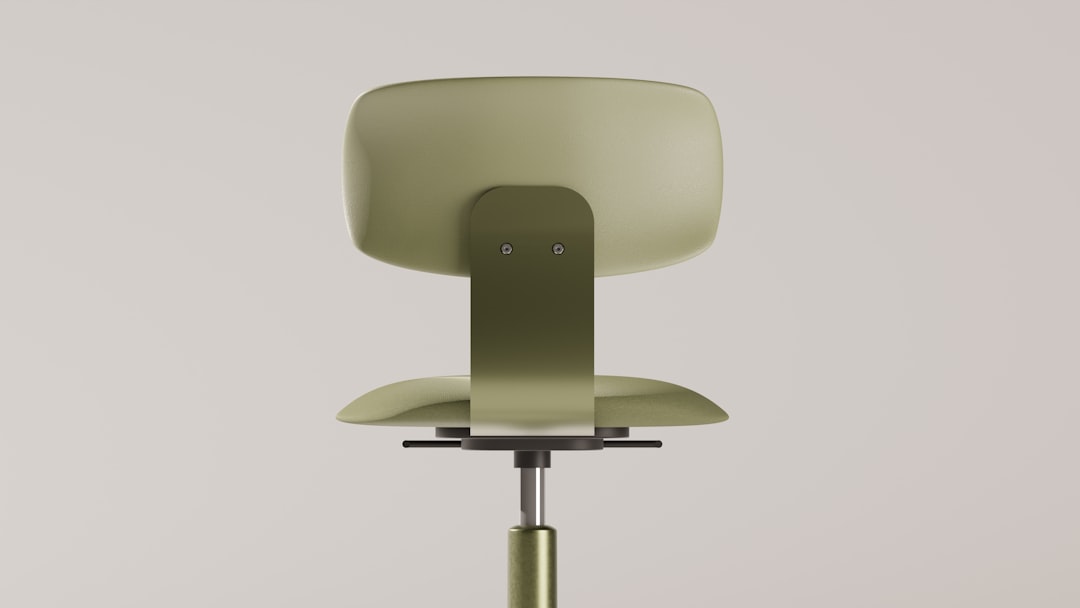
Beyond the perching feature, the Effydesk delivers solid ergonomic fundamentals. The lumbar support is adjustable and effective, the backrest reclines smoothly while keeping your feet planted, and the overall build quality exceeds what I expected at the $450 price point. This isn’t a chair I’d choose as my primary seating—it lacks the long-term comfort of the Herman Miller or Steelcase options—but as a companion to an active workstation, it fills a specific niche beautifully.
Who is this for? If you have a sit-stand desk and find yourself constantly shifting between sitting and standing, the Effydesk makes those transitions seamless. It’s also excellent for people who like to move around while they work—fidgeters, restless thinkers, and anyone who finds traditional prolonged sitting uncomfortable. For active workstyles, this chair offers something genuinely different.
What I’d Buy With Your Budget
After three months of testing, here are my straightforward recommendations based on budget. These aren’t hypothetical—I’ve lived with all of these chairs extensively, and these are the ones I’d purchase with my own money in April 2026.
Under $400: HON Ignition 2.0. This is the budget sweet spot, where you get genuinely good ergonomics without making painful compromises. The adjustable lumbar system and synchro-tilt mechanism are features I’d expect on chairs twice this price, and the overall comfort level holds up through long work sessions. It’s not flashy, but it works.
$400-$700: Herman Miller Sayl. If you can stretch your budget to hit this price point, the Sayl delivers premium ergonomics that will serve you well for years. The suspended backrest is more than just a design gimmick—it provides genuinely comfortable, dynamic support that adapts to your movements. This is the chair I recommend most often to friends and family, and the feedback has been universally positive.
$700-$1,000: Secretlab TITAN Evo or Steelcase Leap. At this price point, you’re choosing between specialized use cases. If you game or value the enveloping feel of cold-cure foam, the TITAN Evo is excellent. If you want premium office ergonomics in a slightly smaller footprint, the Leap is superb. Both are well-made, comfortable, and backed by solid warranties.
$1,000+: Herman Miller Aeron. This remains the undisputed king of office chairs, and after months of testing, I can’t find a meaningful complaint. The build quality is absurd, the comfort is unmatched, and the 12-year warranty means you’ll likely never need to buy another chair. If you can afford it and want the best, this is it. Pair it with other premium gear from my spring tech refresh guide for a complete workspace overhaul.
The Bottom Line
After ninety days of living with twenty different chairs, I’ve learned that the “best” chair is the one that matches your budget, body, and work style. The Herman Miller Aeron is objectively excellent, but if you can’t afford it, that doesn’t mean you’re doomed to back pain. The HON Ignition 2.0 delivers the essential ergonomic features at a third of the price, and for most people, it will be perfectly adequate. Conversely, if you have specific needs—gaming, standing desks, compact spaces—there are chairs designed specifically for those use cases, and they’re worth considering.
What I can tell you with confidence is that investing in a good chair is genuinely worth it. I spent decades sitting on mediocre furniture, accepting back discomfort as the price of doing desk work. Switching to a quality ergonomic chair has genuinely improved my daily comfort, and I wish I’d made this investment years ago. Your chair is the foundation of your workspace—everything else, from monitors to keyboards to mechanical keyboards, builds on top of it. Combine the right chair with a quality mechanical keyboard and you’ve built a foundation for productive, comfortable work.
The chairs I’ve recommended here are the ones that passed my three-month test with flying colors. They’re not just comfortable out of the box—they remain comfortable through real-world use, hold up to daily abuse, and deliver on their ergonomic promises. If you choose any of these options, you’re making a solid investment in your daily comfort and long-term health. And frankly, after the year we’ve all had, that’s worth every penny.

3 thoughts on “Best Ergonomic Chairs for Home Office in 2026: I Tested 20 Models So You Don’t Waste Your Money”