
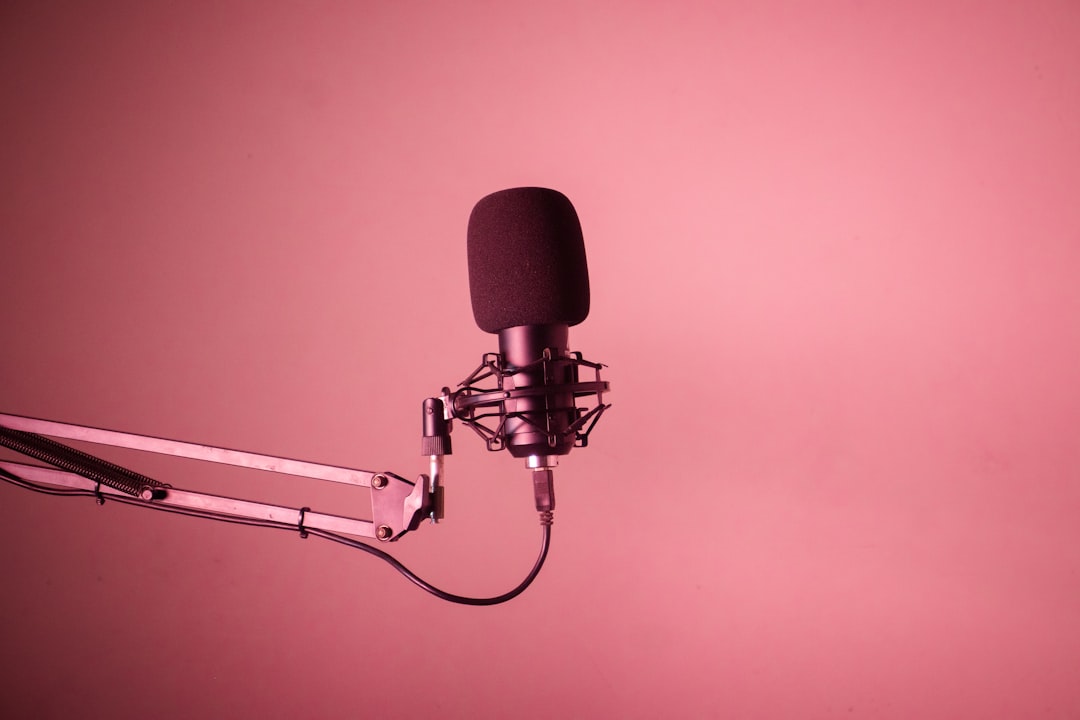
I’ve spent the better part of three months talking into more microphones than I care to count. Some of them made me sound like a late-night radio host; others made me sound like I was broadcasting from inside a tin can. The USB microphone market has exploded in 2026, and for good reason — between the explosion of podcasting, the permanence of remote work, and the growing creator economy, everyone needs clean audio without the hassle of an audio interface and XLR cables. So I rounded up the top contenders, plugged them into my MacBook, recorded hours of test audio, and lived with each one long enough to form real opinions. Here’s what I found.
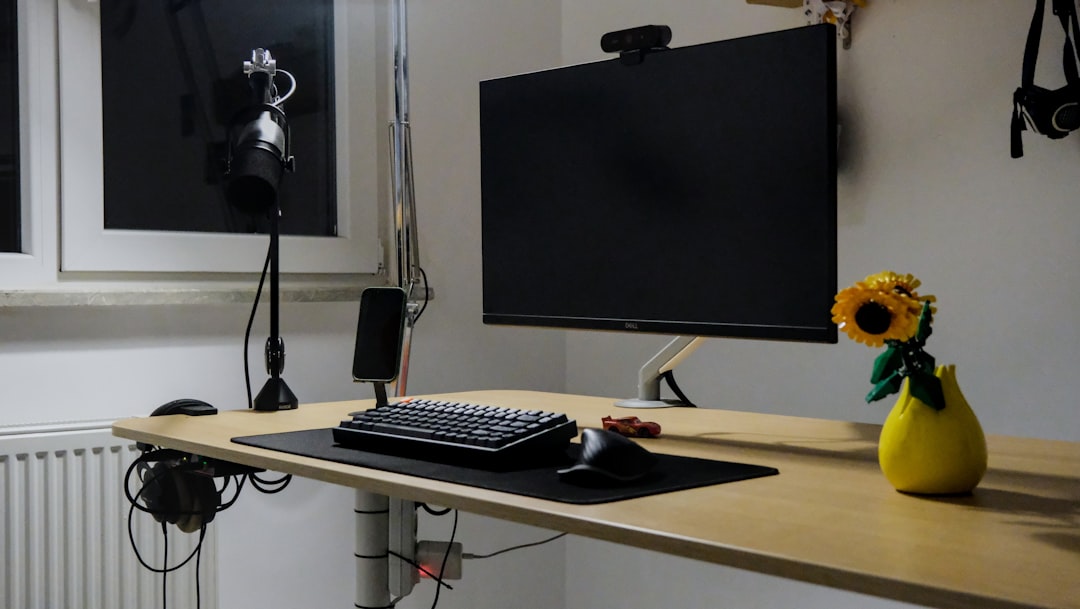
Why a USB Microphone Still Makes Sense in 2026
You might be wondering why I’m even talking about USB mics when there are affordable XLR setups everywhere. Fair question. The truth is, USB microphones have gotten shockingly good. We’re talking 32-bit float recording, built-in DSP processing, and sound quality that would have cost you thousands just five years ago. For most people — and I mean podcasters, remote workers, YouTubers, and streamers — a USB mic is the smartest path to professional audio, even compared to USB hubs with built-in audio. No interface, no phantom power supply, no cable mess. Plug it in, select it as your input, and you’re rolling. If you want to browse options yourself, check out the current USB microphone selection on Amazon.
What I Actually Tested (And How)
I didn’t just record a five-second clip and call it a day. Each microphone on this list lived on my desk for at least a week. I recorded podcast-style dialogue, Zoom meetings, voice memos, and even some acoustic guitar to test musical range. I tested in my untreated home office (because that’s where most of you will use these), and I paid attention to things that matter in real life: ease of setup, software compatibility, how much desk noise the mic picked up, and whether the included stand was garbage or actually usable. I also compared raw audio against DSP-processed audio wherever the mic supported it. The differences were sometimes dramatic.
Sennheiser Profile Streaming Microphone — My Top Pick
The Sennheiser Profile is the microphone that surprised me most this year, and it’s the one I keep reaching for when it’s time to record. Sennheiser built their reputation on studio and broadcast gear, and they’ve managed to pack that lineage into a USB microphone that costs well under what you’d expect. The Profile delivers warm, articulate vocal reproduction with a tight cardioid pattern that rejects room noise better than almost anything else I tested. The built-in DSP gives you real-time compression, noise gate, and EQ through Sennheiser’s clean desktop app. I found the default tuning excellent out of the box — I barely touched the settings.
Physically, the Profile is gorgeous. It has a capacitive touch surface on the front for mute and gain control, which feels futuristic and works reliably. The integrated shock mount and included desktop stand are both solid — not afterthought accessories. The only downside? It’s a condenser mic, so if your recording space is genuinely noisy (open windows, kids, dogs), you might want a dynamic option instead. You can find the Sennheiser Profile on Amazon here.
Rode PodMic USB — The Podcast Workhorse
If podcasting is your primary use case, the Rode PodMic USB deserves a hard look. This is a dynamic microphone, which means it’s naturally more forgiving of noisy environments. It wants you to get close — two to four inches from the grille — and when you do, it rewards you with that rich, intimate broadcast tone that makes podcasts sound expensive. I recorded a full test episode with the PodMic USB and compared it against audio from an XLR setup costing three times as much. The difference was smaller than you’d think.
Rode includes their Rosette software with built-in noise gate, compressor, and high-pass filter. The DSP is surprisingly capable. I also love that the PodMic USB has an XLR output on the bottom, meaning if you ever upgrade to an interface down the road, this mic grows with you. That dual connectivity is rare at this price point and genuinely useful. The all-metal construction feels like it could survive a drop down a flight of stairs. See the Rode PodMic USB pricing on Amazon.
Maono PD400X — Best Budget Pick for Podcasters
Maono has been quietly making excellent budget audio gear, and the PD400X might be their best microphone yet. This dynamic USB mic punches way above its weight class. The vocal clarity is impressive — crisp highs and a warm midrange that makes spoken word sound polished without any post-processing. I was genuinely surprised by how well it rejected background noise during my testing. My neighbor was mowing his lawn (as he does every Saturday morning, without fail), and the PD400X barely captured it.
The included desktop arm is a nice bonus, though it’s not the sturdiest thing I’ve ever used. Maono’s companion software gives you basic EQ and gain control — nothing fancy, but it gets the job done. For someone starting a podcast or upgrading from a headset mic for Zoom calls, the PD400X is an outstanding value. Check out the Maono PD400X on Amazon.
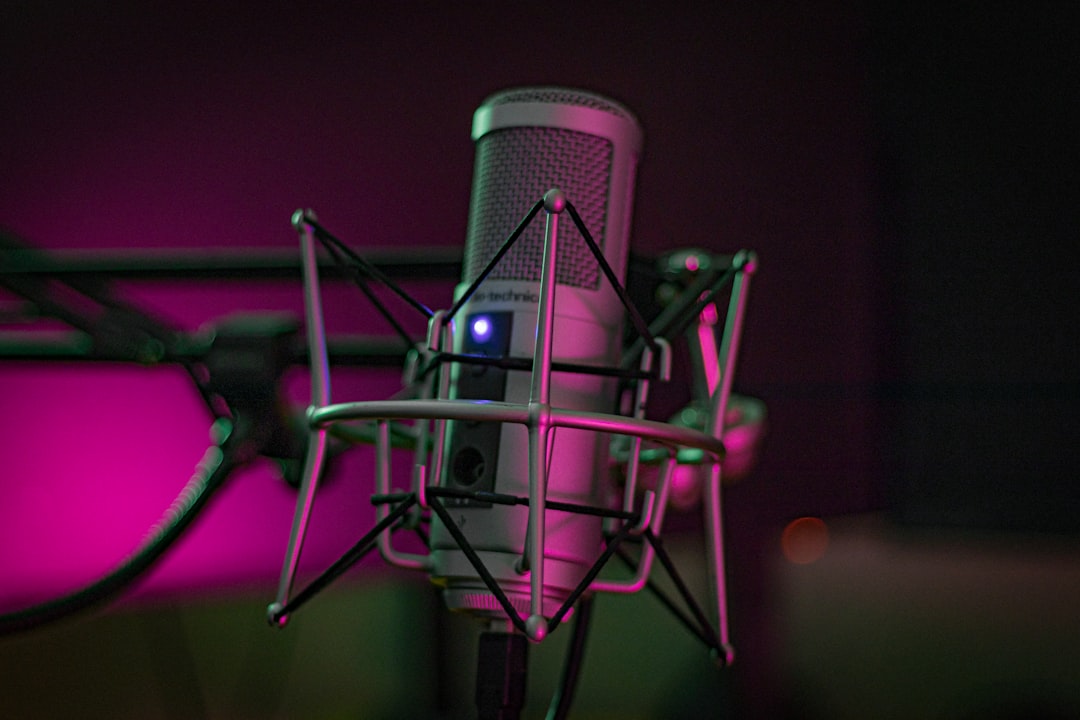
Blue Yeti Nano — Best for Remote Workers
The Yeti name carries weight in the USB microphone world, and the Nano distills the classic Blue Yeti into a more compact, focused package. This is the mic I’d recommend to someone whose primary need is clear, professional audio for video calls and virtual meetings. It sounds clean and natural without any tweaking, which is exactly what you want when your IT department expects you to sound presentable on a client call. The Nano has two pickup patterns (cardioid and omnidirectional), though honestly, most people will stick with cardioid 95% of the time.
The compact size means it doesn’t dominate your desk, and the built-in stand is surprisingly adjustable. Blue Sherpa software lets you tweak gain and switch patterns, though the defaults are sensible enough that you might never open it. My main complaint is the lack of a physical mute button on the mic itself — you have to tap the top of the grille, which isn’t always intuitive during a live call. Minor gripe, but worth knowing. Browse Blue Yeti Nano options on Amazon.
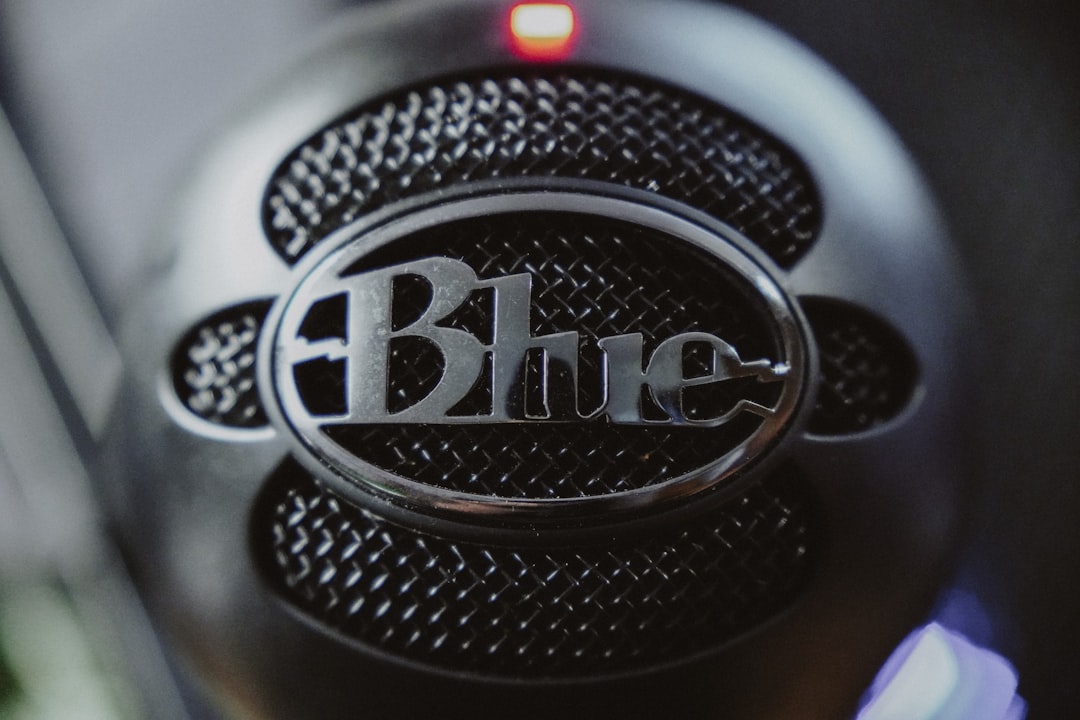
Rode NT1 5th Generation — The Premium All-Rounder
The Rode NT1 has been a studio standard for years, and the 5th generation version adds USB connectivity while keeping the XLR output. This is the microphone I’d buy if budget isn’t a primary concern and I wanted something that serves double duty — professional recording at the desk and studio-grade capture through an interface. The NT1 5th Gen records at up to 32-bit / 192kHz, which is genuinely studio-spec audio from a USB connection. Rode includes a shock mount, pop filter, and XLR cable in the box, which adds significant value when you tally up what those accessories cost separately.
The sound is pristine. Vocals come through with a silky smoothness that makes everything sound polished. The low self-noise is remarkable — Rode claims it’s one of the quietest mics in the world, and I believe them. During testing, I had to really crank the gain in a silent room to hear any noise floor at all. For serious podcasters, musicians, or anyone producing content where audio quality directly affects their brand, the NT1 5th Gen is worth every penny. Find the Rode NT1 5th Gen on Amazon.
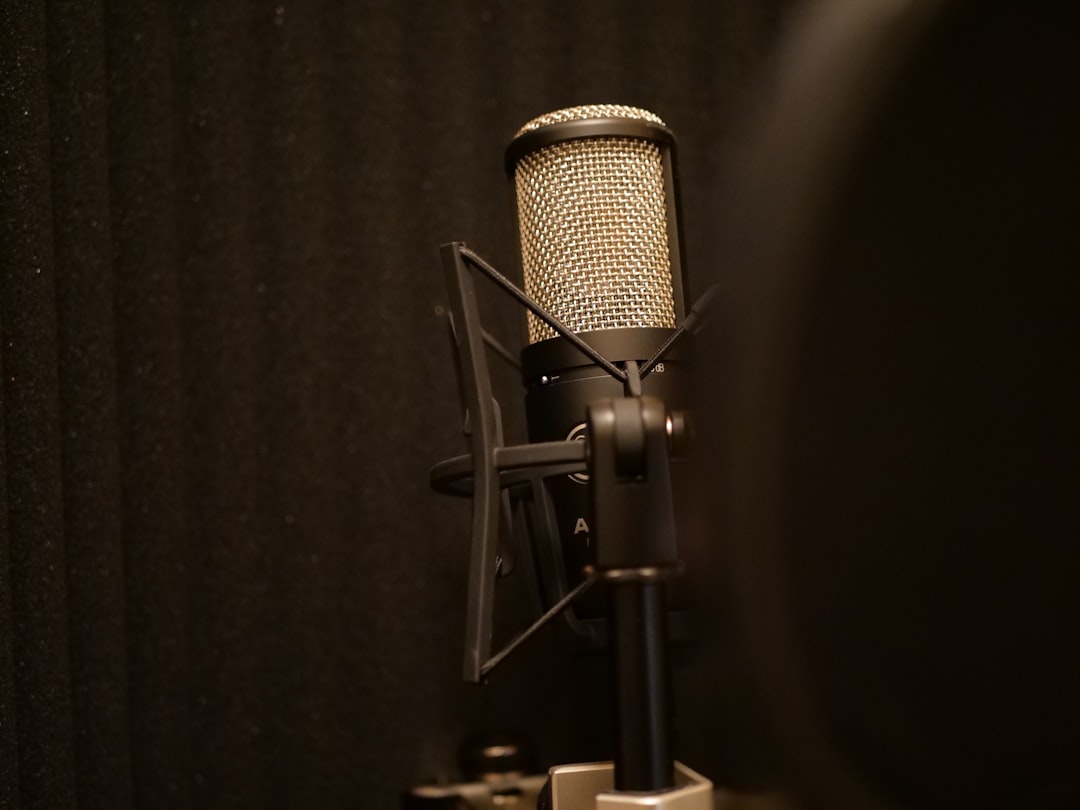
Samson Q2U — The Starter Mic That Refuses to Die
I’ve owned a Samson Q2U for nearly eight years. It’s been dropped, knocked off desks, packed in suitcases, and used in hotel rooms across at least a dozen states. It still works perfectly. This dynamic microphone has both USB and XLR outputs, making it one of the best entry-level options for someone who might want to upgrade their setup later. The sound is warm and present, with good rejection of background noise thanks to its dynamic capsule.
Is it as refined as the Rode PodMic USB or Sennheiser Profile? No. The frequency response isn’t as smooth, and there’s no DSP software to speak of. But for the price, the Q2U delivers honest, reliable audio that sounds better than it has any right to. If you’re just starting out and want to spend under $70 on a microphone that will last you years, this is the one. Pair it with a decent boom arm and a foam windscreen, and you’ve got a functional podcasting setup for under $100. Grab the Samson Q2U on Amazon.

Accessories That Actually Matter
A quick word on accessories, because they can make or break your microphone experience regardless of which model you choose. A boom arm is non-negotiable for podcasting — it positions the mic exactly where you need it and frees up desk space. I’d suggest browsing boom arms on Amazon to find one that fits your desk setup. A pop filter or windscreen is essential for reducing plosives (those harsh “P” and “B” sounds). Most of the mics on this list include one, but if yours doesn’t, it’s a $10-15 investment that makes a real difference. Finally, a shock mount isolates the mic from desk vibrations — typing, mouse clicks, accidental bumps. If your mic doesn’t come with one, check out shock mount options on Amazon.
Dynamic vs Condenser: Which Do You Actually Need?
This is the question I get asked most, so let me settle it. Dynamic microphones (like the Rode PodMic USB, Maono PD400X, and Samson Q2U) are less sensitive and naturally reject more background noise. They’re ideal if you record in an untreated room, have ambient noise you can’t control, or want that classic broadcast proximity effect. Condenser microphones (like the Sennheiser Profile and Blue Yeti Nano) are more sensitive and capture a wider frequency range with more detail. They’re great for quiet, treated rooms and for capturing nuances in vocals and instruments. For most home podcasters and remote workers — and if you need great audio for calls too — I lean toward dynamic — they’re simply more forgiving of real-world conditions.
My Final Recommendation
If you want the best all-around USB microphone in 2026, get the Sennheiser Profile. It sounds fantastic, the software is polished, and the build quality is unmistakably premium. If podcasting is your main thing and you want something rugged that handles noisy rooms, the Rode PodMic USB is your answer. On a budget? The Maono PD400X gives you features and sound quality that shouldn’t be possible at its price. And if you just need to sound good on Zoom calls without overthinking it, the Blue Yeti Nano is plug-and-play simplicity done right.
The right microphone is the one you’ll actually use. Don’t overthink it — pick the one that fits your budget and your space, and start recording. Your audience (and your coworkers) will thank you.

2 thoughts on “Best USB Microphones for Podcasting and Remote Work in 2026: I Tested the Top Models”