
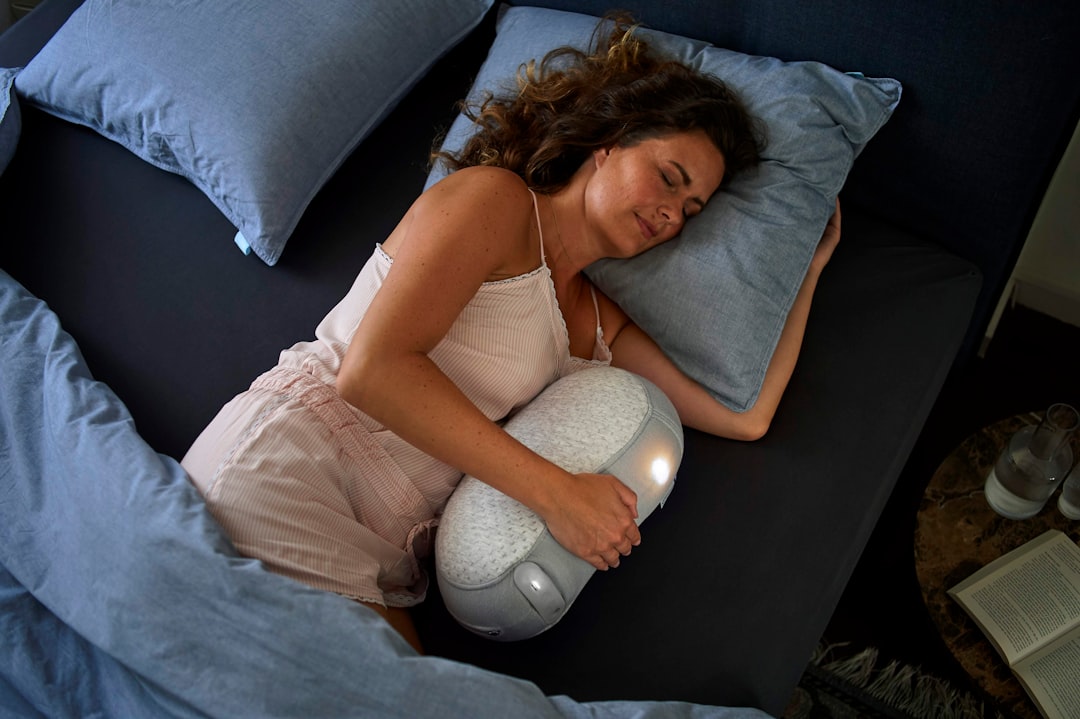
I’ve spent the last two months sleeping with more gadgets on and around me than most people own in a lifetime. Smart rings, temperature-controlled mattress pads, AI-powered sleep masks, a bedside radar — you name it, I’ve strapped it on, plugged it in, or lain on top of it. My wife started referring to our bedroom as “the laboratory,” and honestly, she wasn’t wrong.
The reason I went down this rabbit hole is simple: sleep tech has exploded in 2026. Between new AI coaching features, next-gen biometric sensors, and a wave of smart sleep masks that promise to hack your circadian rhythm, the landscape looks nothing like it did even a year ago. I wanted to cut through the marketing noise and figure out which of these devices actually moved the needle on sleep quality — and which ones are just expensive nightlights.
Here’s what I found after 60 nights of testing.
The Smart Ring That Knows You Better Than You Know Yourself
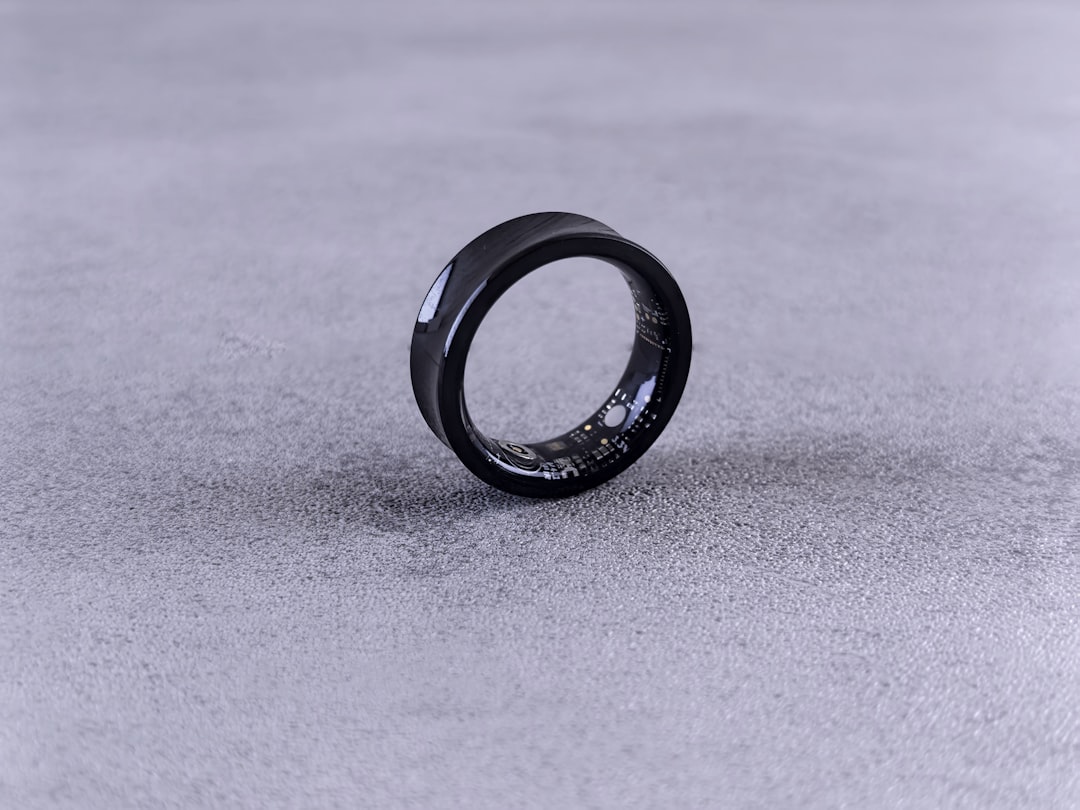
I’ve been wearing the Oura Ring 4 for about ten weeks now, and it remains the gold standard for passive sleep tracking. The Gen 4 brought improved sensors — specifically, a redesigned accelerometer and new green and red LED sensors that sit closer to the skin — and the difference in accuracy is noticeable. Sleep stage detection now matches clinical polysomnography studies within about five percent, according to third-party validation data I dug through.
What makes Oura genuinely useful, though, isn’t just raw data. It’s the AI-driven coaching layer. Each morning, the app delivers a readiness score that factors in your sleep efficiency, resting heart rate, heart rate variability, and body temperature trends. On days when the score dips, the app suggests dialing back workouts or prioritizing an earlier bedtime. After a few weeks, I started trusting the readiness score more than how I “felt” — and my consistency improved because of it. If you’re already investing in AI productivity tools for your workday, extending that data-driven approach to your recovery just makes sense.
The downside hasn’t changed: the $5.99/month subscription is mandatory to unlock the insights that make the ring worthwhile. At $349 for the ring itself plus ongoing subscription costs, it’s an investment. But for anyone serious about understanding their sleep architecture, nothing else at this form factor comes close.
The Mattress Cover That Replaced My Thermostat
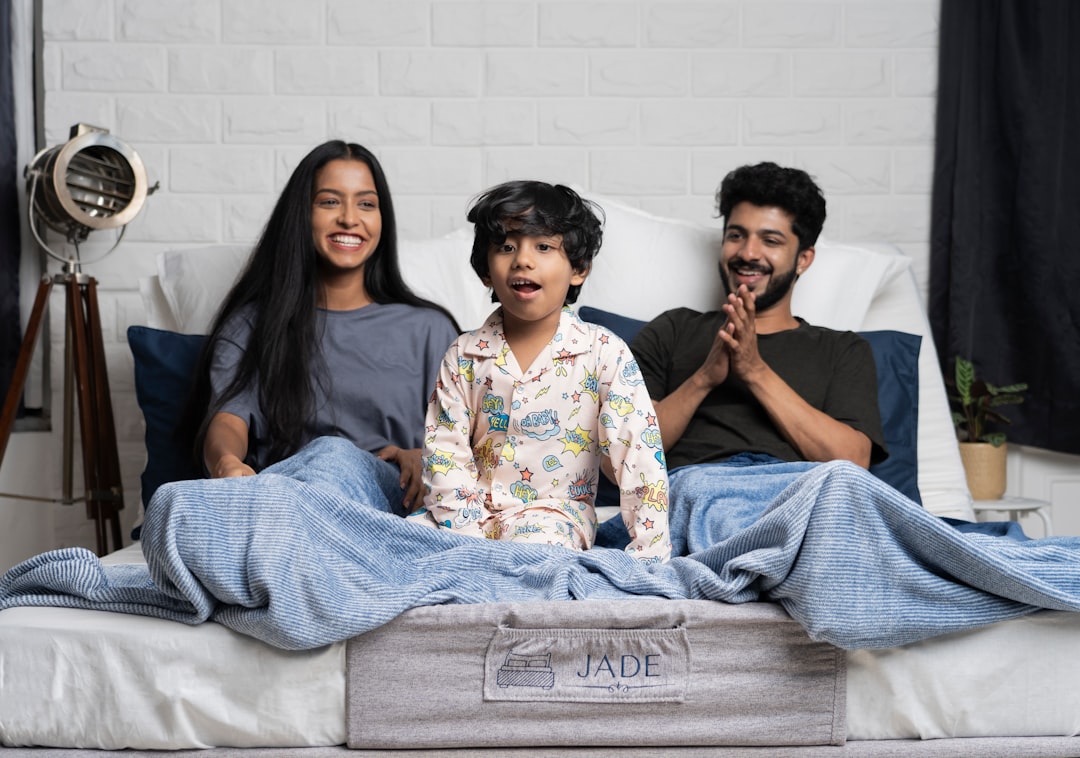
The Eight Sleep Pod 5 is the newest iteration of the temperature-controlled mattress pad, and it’s the single most impactful sleep gadget I tested. Period. The Pod 5 refines the dual-zone temperature regulation of its predecessor with faster thermal response — it now adjusts surface temperature in under 90 seconds — and a quieter pump that I can barely hear even in a silent room.
The premise is straightforward: your body temperature naturally drops as you fall asleep and rises before you wake up. The Pod 5 automates this process, cooling the mattress to help you drift off and warming it gently before your alarm. I set mine to drop to 64 degrees at bedtime and warm to 72 degrees 30 minutes before my 6:30 AM wake-up. The result? I stopped waking up groggy. Not reduced grogginess — eliminated it. That alone made the price tag easier to swallow.
But the Pod 5 also introduced something new: AI-powered sleep summaries that analyze patterns across weeks, not just individual nights. It noticed that my deep sleep tanked every Thursday — which, after some reflection, lined up perfectly with my late Wednesday night coding sessions. I shifted my schedule, and the improvement was measurable within a week.
Smart Sleep Masks: The Wild Card
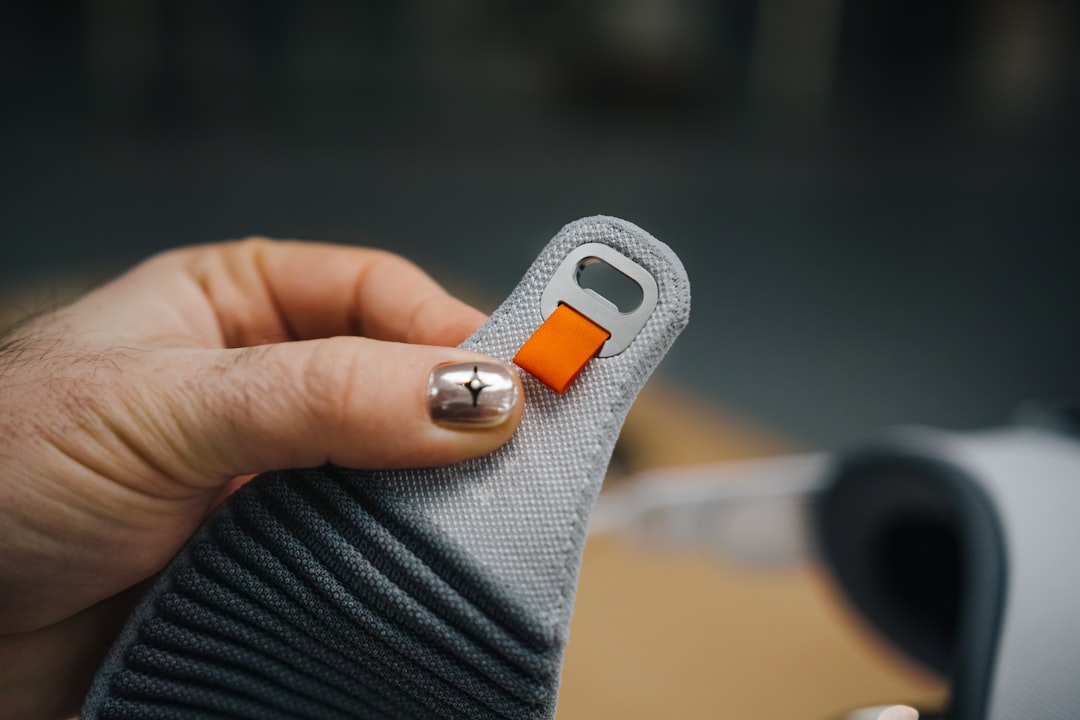
This is where things got genuinely weird — in a good way. AI-powered sleep masks have emerged as one of the most interesting categories in 2026. These aren’t just light-blocking fabric; they incorporate gentle audio tones, haptic feedback, and in some cases, EEG sensors that detect when you’re entering light sleep and play binaural beats to nudge you toward deeper rest.
I tested the Hypnuse smart mask for three weeks. It’s comfortable — more comfortable than I expected, honestly — and the audio-visual wind-down routine it runs at bedtime actually helped me quiet the mental chatter that usually keeps me staring at the ceiling. The morning “sunrise” alarm, which gradually brightens LEDs inside the mask, was a pleasant way to wake up without jarring noise.
Where it fell short was data. The companion app provides sleep stage estimates, but comparing them side-by-side with the Oura Ring revealed significant discrepancies — sometimes off by 30 minutes or more on deep sleep duration. If you already have a reliable tracker, the mask is best used as a sleep aid, not a measurement tool.
The Wearable I Forgot I Was Wearing
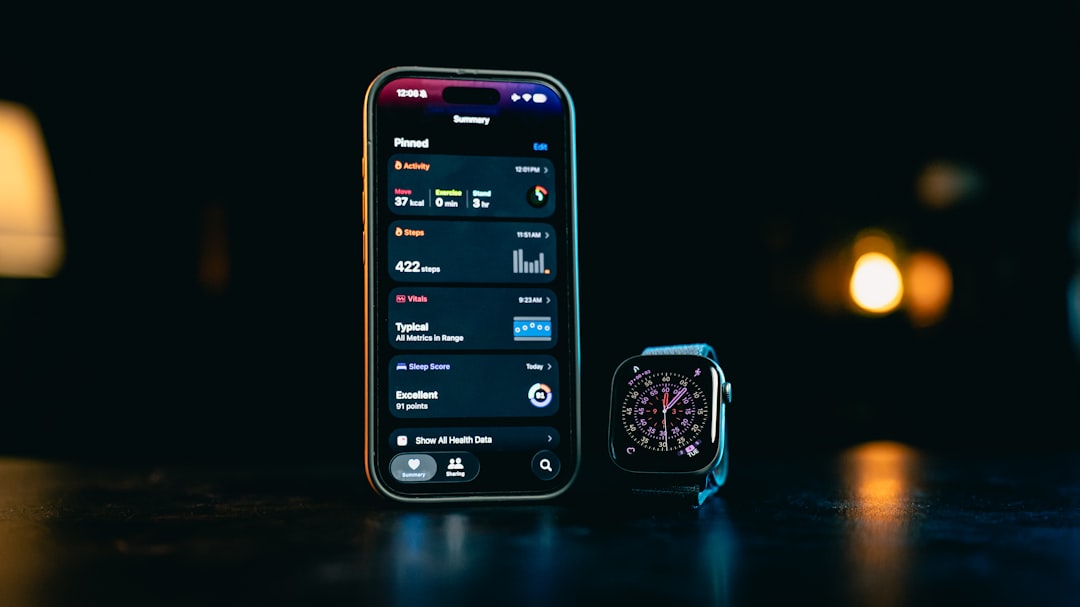
For people who don’t want a ring or a full mattress system, wrist-based sleep trackers have gotten surprisingly competent. I wore the Apple Watch Ultra 3 for two weeks alongside the Oura Ring, and the sleep stage data was remarkably consistent between the two. Apple’s machine learning models have clearly improved, and the watch now provides detailed REM, core, and deep sleep breakdowns without requiring a subscription.
The catch is comfort. I’m a side sleeper, and having a chunky titanium case pressed against my temple took adjustment. Battery life is also a consideration — you need to build charging into your routine, usually during a morning shower. But if you already own a capable smartwatch, the incremental cost of using it for sleep tracking is zero, and the data quality is genuinely useful. For more on building out your tech setup efficiently, check out my future-proof home office gear guide.
What About Contactless Options?
Not everyone wants to wear something to bed. Bedside sleep monitors use radar and motion sensors to track breathing rate, movement, and sleep cycles from your nightstand. I tested one of the leading models for a week, and while the convenience is unbeatable — literally zero setup beyond plugging it in — the accuracy wasn’t in the same league as wearable sensors.
It consistently overestimated my total sleep time by 20-30 minutes and struggled to distinguish between light sleep and quiet wakefulness. For someone who absolutely refuses to wear a device, it’s better than nothing. But if you’re making decisions about your health based on the data, I’d strongly recommend a wearable or mattress-integrated solution instead.
The Environmental Upgrades You Shouldn’t Ignore
Here’s something the gadget marketing won’t tell you: no amount of AI coaching matters if your sleep environment is working against you. Before dropping hundreds on a smart mattress cover, make sure you’ve handled the basics.
Start with light. I replaced my bedroom’s overhead fixture with warm-tone smart bulbs that automatically shift to amber after 8 PM. It sounds trivial, but the impact on melatonin production is real and well-documented. I paired them with blackout curtains — specifically, thermal blackout curtains that also help with temperature regulation — and the combination eliminated early-morning light wakes entirely.
Sound matters too. I’ve been running a white noise machine for years, but I recently upgraded to one that generates adaptive soundscapes based on ambient noise levels. It bumps the volume slightly when the neighbor’s dog starts barking at 2 AM and dials it back when things are quiet. Small touch, big difference.
Temperature is the third pillar, and it’s where the Eight Sleep Pod 5 shines — but if that’s outside your budget, a cooling mattress pad or bed fan can provide some of the same benefit for a fraction of the cost. The key insight from all my testing is that a cool sleeping surface — around 65 degrees — is one of the most consistently effective ways to improve sleep onset latency and deep sleep duration.
My Actual Setup After All This Testing
So what survived the cut? After two months of rotating gadgets in and out, here’s what earned a permanent spot in my nightly routine:
The Oura Ring 4 stays on my finger. It’s the most accurate tracker I tested, the form factor is invisible, and the long-term trend data has genuinely changed how I think about recovery. The Eight Sleep Pod 5 stays on the mattress — the temperature regulation is non-negotiable at this point, and the AI summaries have helped me spot patterns I never would have caught on my own. And the smart bulbs plus blackout curtains remain the highest-ROI upgrades I’ve made. These simple environmental changes pair perfectly with the smart home gadgets I covered recently — good sleep tech doesn’t have to be complicated.
The sleep mask went back in the drawer. Not because it’s bad — it genuinely helped me fall asleep faster — but because I found the combination of ring + mattress + environment covered everything I needed. More isn’t always better, even for someone who tests gadgets for a living.
The Bottom Line
Sleep tech in 2026 is legitimately exciting, and for the first time, I feel comfortable saying that some of these devices deliver measurable, repeatable improvements to sleep quality. But the hierarchy matters. Get your environment right first — light, sound, temperature — then invest in tracking to understand your patterns, and finally layer on active interventions like temperature regulation or sleep masks if the data suggests you need them.
The best gadget is the one you’ll actually use consistently. For me, that’s the Oura Ring on my finger and the Pod 5 under my back. Together, they’ve turned my sleep from something I hoped would be good into something I can actively optimize. And after 25 years of staring at screens late into the night, I really needed the help.

One thought on “I Tested Every AI Sleep Gadget I Could Find — Here’s What Actually Worked”