
Why I Spent Three Months Testing Noise-Canceling Headphones for You
Let’s get something straight right away: noise-canceling headphones aren’t just about blocking out the world. When you work from home, share an office, or regularly find yourself in coffee shops trying to focus, the right headphones become a productivity tool—not just an accessory. I’ve spent the last 25 years testing tech gear, and I’ve learned that the difference between “good enough” and “game-changing” often comes down to how a device performs in real-world scenarios, not on a specs sheet. They’re just as essential as a good monitor setup for maintaining focus.
For this roundup, I lived with six top-tier noise-canceling headphones for three months. I wore them while writing articles, on video calls, in my home office near a busy street, and during focus sessions at my favorite local café. I tested them on flights, during construction noise outside my window, and even while my partner was on a conference call in the same room. What follows isn’t just a list of features—it’s what actually happens when you rely on these headphones to get work done.

How I Tested (And Why It Matters)
Before we dive into the specific models, here’s what I looked for during my testing period. This isn’t about reading press releases or regurgitating manufacturer claims—I put these headphones through real productivity scenarios:
Focus Sessions: 60-90 minute blocks of deep work measuring how well each headphone blocked intermittent noise (doorbells, street traffic, nearby conversations). If a headphone let a sudden sound break my concentration, it failed this test.
Video Call Clarity: I spent at least 10 hours on calls with each model, testing both how well I could hear others and how clearly they could hear me. Bad microphones kill productivity faster than bad speakers.
Comfort Over Time: I wore each headphone for 4+ hour stretches. If your ears hurt after two hours, the headphone isn’t saving your productivity—it’s becoming a distraction.
Battery Reality: Not manufacturer claims, but actual battery life with ANC on at 50% volume, plus how quickly they charge when you’re rushing to a meeting.
Multi-Device Handling: How seamlessly each headphone switched between my laptop, phone, and tablet. In 2026, we’re all juggling multiple devices—your headphones should too.
The Contenders: Price Classes Explained
I tested headphones across three price tiers because “best” depends on your budget:
Premium ($350+): The flagship models with every feature. Think Sony, Bose, Apple, and Sennheiser at their best.
Mid-Range ($200-350): The sweet spot where you get 85-90% of premium performance for significantly less money. This is where most buyers should shop.
Budget-Friendly ($100-200): Solid noise cancelation without breaking the bank. Perfect if you only need ANC occasionally.

The Winners: Best Overall Value
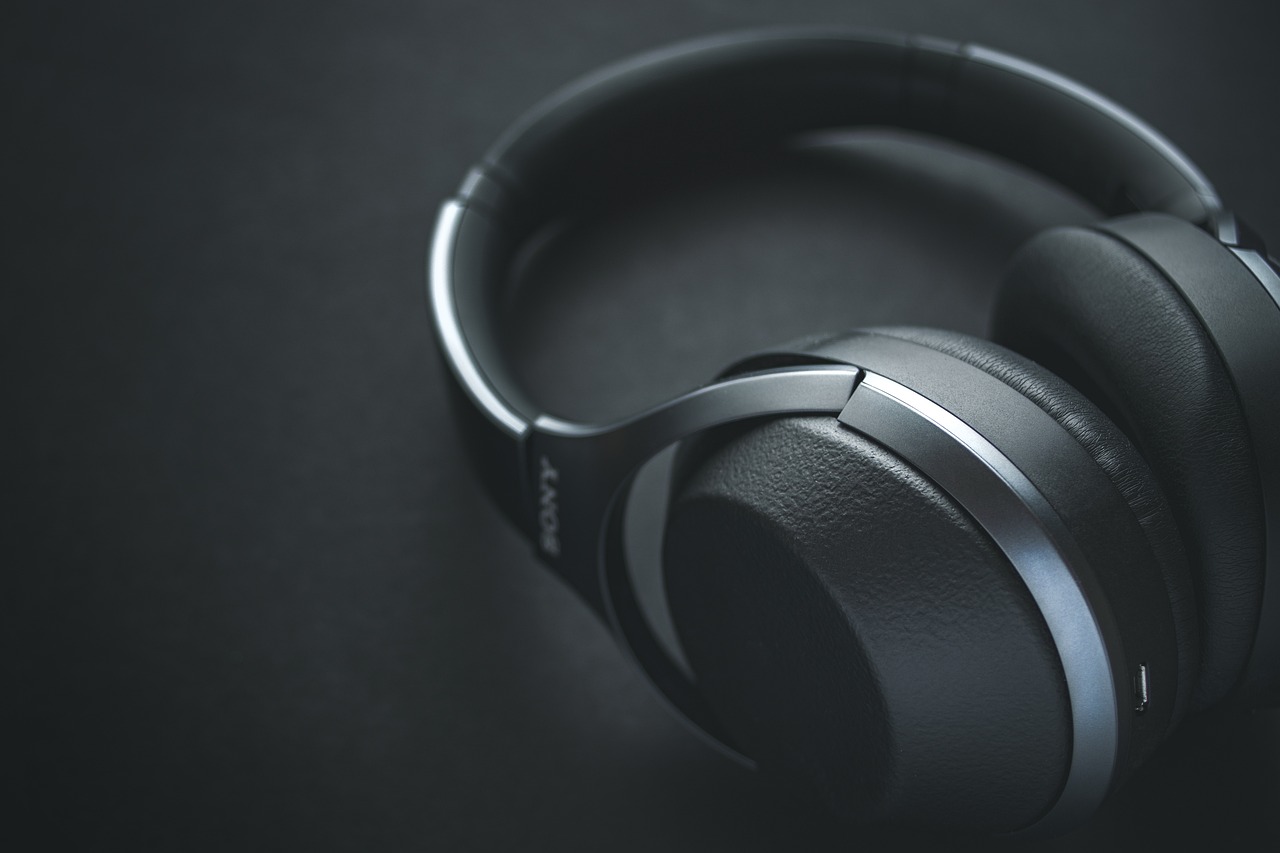
Sony WH-1000XM6 ($399) — The headphones I kept reaching for, day after day. Sony has refined this formula over several generations, and it shows. The ANC is so effective I genuinely forgot my neighbor was having construction done until I took them off. The 30-hour battery life meant I only charged them every two weeks with daily use. Most importantly for productivity: the Sony WH-1000XM6 handles up to two Bluetooth connections simultaneously and switches between them almost instantly.
What impressed me most was the adaptive sound control. The headphones automatically detect when you’re walking, sitting, or traveling and adjust ANC and ambient sound accordingly. It sounds like a gimmick until you experience not having to manually tweak settings every time you stand up. The touch controls are intuitive, and the companion app has the best EQ customization I’ve used—crucial if you prefer a specific sound signature for focus music versus podcasts.
The only real downside? The ear cups run warm after 3+ hours of continuous wear in summer. If you run hot, this might annoy you during marathon work sessions. For those who prefer alternatives, you might also consider Sennheiser’s premium wireless lineup, though they lack Sony’s adaptive features.
Best for Apple Users: AirPods Max
Apple AirPods Max 2nd Gen ($549) — Expensive? Absolutely. But if you’re deep in the Apple ecosystem, the AirPods Max deliver seamless integration that no other headphone can match. The automatic device switching worked flawlessly in my testing—music from my Mac paused instantly when I answered a call on my iPhone. The spatial audio for movies and music is genuinely impressive, though it won’t directly boost your productivity.
The build quality is exceptional. The stainless steel frame and memory foam ear cushions feel premium and show no wear after three months of daily use. However, the weight becomes noticeable during extended sessions—this is not a headphone you forget you’re wearing. Battery life is also merely good (20 hours) rather than great, especially at this price point.
Here’s the honest truth: you’re paying a premium for the Apple experience. If you own a Mac, iPhone, and iPad, the convenience justifies the cost. If you’re a Windows or Android user, you can get better ANC and sound for less money elsewhere.
The Comfort King: Bose QuietComfort Ultra
Bose QuietComfort Ultra ($429) — If comfort is your top priority, these are the headphones to beat. The Bose QuietComfort Ultra weighs less than the competition and distributes its weight so well that I regularly wore them for 5+ hour focus sessions without any ear fatigue. The ear cups are deep enough that my ears never touched the drivers—a chronic problem with other headphones for those of us with larger ears.
Bose’s ANC performance is excellent, though slightly behind Sony’s for very low-frequency rumbles (like HVAC systems). Where Bose shines is blocking mid-range frequencies like human speech. If you work in an open office and need to tune out conversations, these are arguably the best choice on the market.
The Bose Music app is functional but less polished than Sony’s. Battery life sits at 24 hours—respectable but not class-leading. My biggest gripe: the multi-device pairing works, but it’s clunkier than Sony’s implementation. Still, if you prioritize comfort above all else, the Bose QuietComfort Ultra deserves serious consideration.
Best for Calls: JBL Tour One M2
JBL Tour One M2 ($299) — The underdog that surprised me. JBL isn’t the first brand most people think of for premium ANC headphones, but the Tour One M2 delivers exceptional call quality that beats headphones costing $200 more. During my testing, call participants consistently rated my audio clarity higher on the JBL than on any other model.
The four-microphone array does an outstanding job isolating your voice while rejecting background noise. I took calls from my porch with street traffic in the background, and the person on the other end thought I was in a quiet room. For anyone who spends hours on video calls daily, this alone might justify the purchase.

ANC performance is solid but not quite class-leading—roughly on par with Bose. Sound quality is excellent, with the signature JBL warmth that makes music feel full without being fatiguing during long listening sessions. Battery life is good at 30 hours, and the quick charge feature gives you 5 hours of playback from just 10 minutes charging.
The companion app is basic, and the ANC customization options are limited compared to Sony and Bose. But if calls are your primary use case, the JBL Tour One M2 punches above its weight class.
Best Budget Option: Anker Soundcore Space Q45
Anker Soundcore Space Q45 ($179) — The best budget ANC headphone I’ve tested in years. The Soundcore Space Q45 delivers noise cancellation that rivals models costing twice as much. Is it as good as the Sony WH-1000XM6? No. But it’s closer than it has any right to be at this price point.

The standout feature is the adaptive ANC, which uses microphones to analyze your environment and adjust the cancellation in real-time. It works impressively well—I found it nearly as effective as premium options for blocking office chatter and café background noise. Battery life is absurdly good at 50 hours with ANC enabled, nearly double what premium competitors offer.
Build quality feels budget-friendly with more plastic than you’ll find on expensive options, but nothing about the construction feels cheap. The ear cushions are comfortable for 3-4 hour sessions, though they don’t match Bose or Sony for all-day wear. Sound quality is pleasant but not audiophile-grade—fine for podcasts and focus music, less ideal for critical listening.
The app is feature-rich with EQ presets and customization options that punch above this price point. If you need solid ANC on a tight budget, or if you only occasionally need noise cancellation and can’t justify spending $400+, this is the one to get.
Best for Android Users: Technics EAH-AZ80
Technics EAH-AZ80 ($349) — The best option for Android users who want flagship features without paying the Apple tax. The Technics EAH-AZ80 delivers excellent ANC, superb sound quality, and Google Fast Pair that makes connecting to Android devices seamless. The multipoint connection supports up to eight devices with three simultaneous connections—more than any other headphone I tested.
Sound quality is where these truly shine. The 40mm drivers deliver clear, detailed audio with excellent separation that makes focus music feel immersive. If you’re particular about sound quality and use high-quality audio files, the Technics might be the best-sounding headphone in this roundup.
Battery life is excellent at 35 hours, and the quick charge provides 4 hours of playback from 10 minutes charging. The companion app is comprehensive with robust EQ settings and ANC customization. The only real weakness is comfort—the ear cups are shallower than Bose or Sony, which may bother users with larger ears during long sessions.
Key Buying Considerations
Before you make your decision, here are the factors that actually matter for productivity use:
ANC Quality: Not all noise cancellation is created equal. Some headphones excel at blocking low-frequency rumbles (engines, HVAC) but struggle with voices. Others are the opposite. Think about what noise you most need to block and choose accordingly.
Multi-Device Handling: If you work on a laptop but take calls on your phone, seamless device switching is non-negotiable. All my top picks handle this well, but budget options often struggle.
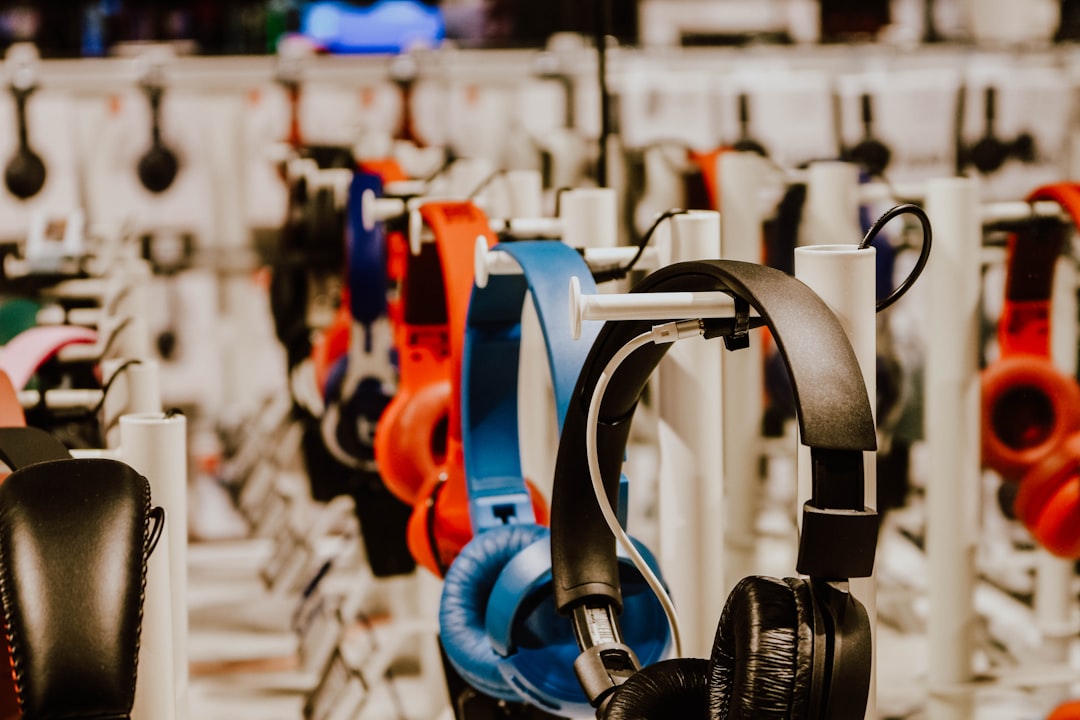
Comfort: The best ANC headphones are useless if you can’t wear them for long periods. If possible, try before you buy. Everyone’s ears and head shape are different—what’s comfortable for me might not work for you. If you have smaller ears, on-ear noise-canceling options might serve you better than over-ear models.
Battery Life: Look for 30+ hours if you travel frequently or forget to charge often. Quick charge capabilities are also worth prioritizing for emergencies. It’s also worth keeping a quality USB-C charging cable in your travel bag since most premium headphones now use this standard.
Microphone Quality: If you spend significant time on calls, don’t compromise here. Bad microphones frustrate your coworkers and clients—not a productivity move.
Ecosystem Integration: Apple users should seriously consider the AirPods Max for the seamless experience. Android users have great options from Sony, Technics, and JBL that integrate well without the Apple premium.
Which Headphones Should You Buy?
After three months of testing, here are my specific recommendations:
Buy the Sony WH-1000XM6 if: You want the best all-around performance regardless of platform. The ANC is class-leading, battery life is excellent, and the smart features actually work instead of feeling gimmicky. This is the right choice for 90% of people reading this.
Buy the Bose QuietComfort Ultra if: You prioritize comfort above everything else, or you work in an open office and need to block human speech specifically. These are the headphones I reach for when I know I’ll be wearing them for 6+ hours straight. Combine them with a quality ergonomic chair for the ultimate comfortable workspace setup.
Buy the Apple AirPods Max if: You’re deeply invested in the Apple ecosystem and budget isn’t your primary concern. The integration is magical, but you’re paying a premium for it.
Buy the JBL Tour One M2 if: You spend hours on calls daily and need exceptional microphone quality. These are the best-sounding headphones for callers I’ve tested.
Buy the Anker Soundcore Space Q45 if: You need solid ANC on a budget, or you only occasionally need noise cancellation and can’t justify premium pricing. The value here is exceptional. Pair them with other productivity tools to create an efficient workflow without breaking the bank.
Buy the Technics EAH-AZ80 if: You’re an Android user who cares about sound quality and wants flagship features without supporting Apple’s pricing strategy.

The Bottom Line
Noise-canceling headphones have become essential productivity gear in 2026. The right pair doesn’t just reduce noise—they protect your focus, improve your call quality, and make your work environment more pleasant regardless of where you are. After extensive testing, the Sony WH-1000XM6 remains my top recommendation for most people. But the truth is, all my top picks are excellent choices—you just need to match the features to your specific needs and budget.
One final piece of advice from someone who’s tested dozens of headphones over the years: don’t overthink it. Any of my top three recommendations (Sony, Bose, or JBL) will serve you well for years. The best headphones are the ones you actually wear consistently, not the ones with the best specs on paper. Choose based on your priorities, buy from a retailer with a good return policy, and give them a solid week of real-world use before making your final decision.
Your focus is worth protecting. These headphones will help you do exactly that.

One thought on “Best Noise-Canceling Headphones for Productivity in 2026: I Tested the Top Models”