
Every Thanksgiving I watch the same thing happen. Somebody says “everyone get together for a picture,” eleven phones come out, and the resulting photos live in eleven camera rolls that nobody ever opens again. Grandma, who was the reason for the photo in the first place, never sees a single one. A few years ago my family tried something different. We handed the kids a couple of cheap film cameras before dinner and told them the only rule: shoot whatever you want, but you cannot see it until later.
It was the best photo decision we ever made. The kids took it seriously in a way they never take a phone seriously, because every shot counted. The grownups relaxed because nobody was filming them chewing. And three weeks later, an envelope of real prints showed up that got passed around the next family dinner like a box of chocolates.
This year the question I keep getting is which camera to hand them. There are three realistic choices: a disposable, an instant camera, or one of the new half-frame film cameras. They cost different amounts per photo, they get you prints on very different schedules, and they suit different ages. Here is how I would choose, with the actual math.

The Short Answer: What to Buy for Each Kind of Family
If you only read one section, read this one. These are the picks I would make this month, depending on what you want out of the day.
- You want prints on the table before the pie comes out: the Fujifilm Instax Mini 12 Holiday Bundle. It was $89 at Amazon this week, and the bundle includes a 10-shot pack of film to get you started.
- Same idea, with a self-timer for group shots: the newer Fujifilm Instax Mini 13, which adds a 2- and 10-second timer the Mini 12 never had.
- Film to go with either one: a Fujifilm Instax Mini Instant Film (Twin Pack) at minimum, and more if you have more than three kids.
- The cheapest way to give every kid their own camera: a Fujifilm QuickSnap Flash 400 Disposable Camera, 27 shots each with a flash that stays on once you switch it on.
- The disposable for dim dining rooms: the Kodak FunSaver Single-Use Camera, which uses faster ISO 800 film.
- For the teenager who wants a real camera: the Kodak Ektar H35N Half-Frame Camera, which turns one 36-exposure roll into 72 photos.
Who should skip all of this? If your gathering is three adults and a dog, or your family will not go near a drugstore photo counter, the film route is more hassle than it is worth. Put your energy into getting the phone photos you already have onto a wall or a frame instead.
Why a Film Camera Works Better Than a Phone at the Table
I am not anti-phone. I own several, and I review them for a living. But a phone at a holiday table does two things that work against you. It invites the kid holding it to wander off into everything else a phone does, and it produces photos that nobody prints. A film camera does exactly one thing. When the shots run out, it is done, and it goes back in the drawer.
That limit is the whole point. Twenty-seven shots on a disposable is enough to cover the day and not enough to waste. Kids learn fast to wait for the moment Uncle Ray actually laughs instead of firing off forty frames of him reaching for the gravy. If you have been working on keeping tablets out of the holiday, this fits right alongside the stack I use to get a kid’s tablet put down. It also pairs well with the holiday flip phone plan some of the adults in my family are trying this year.
There is also a quieter benefit. A film camera gives a shy kid a job. The nine-year-old who would otherwise sit in the corner becomes the official photographer, and suddenly every adult in the house is talking to them.
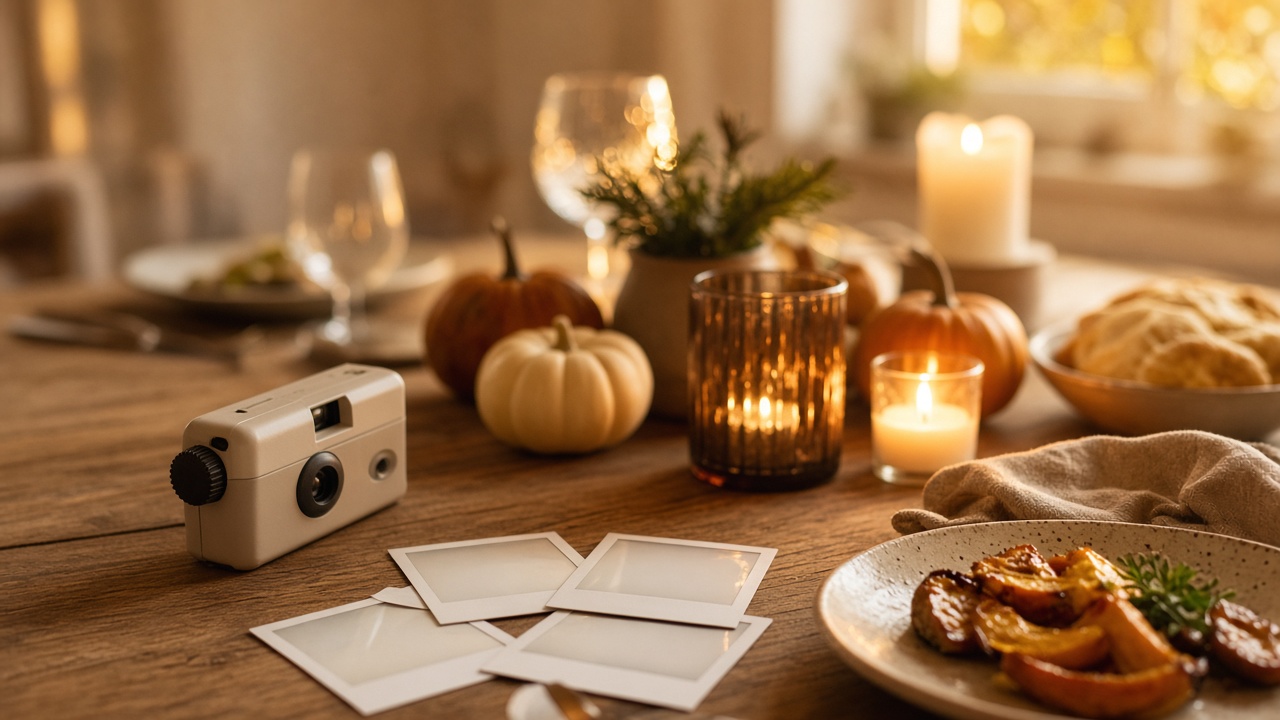
The Real Cost Per Photo
The sticker price on the box tells you almost nothing, so I added up what each format actually costs per finished photo. Prices are from this week, and they move around, but the order rarely changes.
Disposable cameras: about $1.10 to $1.75 a shot
A Fujifilm QuickSnap runs about $19.50 on Amazon for 27 exposures, and Walmart sells a two-pack for about $30. Developing is the part people forget. Most drugstore and big-box photo counters charge somewhere between $13 and $22 to process one camera. If you buy the two-pack and develop at the cheapest local counter, you land at roughly $1.10 per photo. If you buy a single camera and send it to a mail-in lab that also makes prints, you are closer to $1.70.
Total per camera, all in, is usually $26 to $44. That sounds like a lot until you divide it by 27 photos that will actually get printed and handed around.
Instant cameras: about 90 cents a shot, plus the camera
Instax Mini film works out to roughly 91 cents per print when you buy it in larger packs, and there is nothing to develop. Larger formats cost more. Instax Wide is about $1.40 a print and Instax Square about $1.57. Polaroid film is the most expensive of the group: Polaroid Go film runs about $1.36 a shot, i-Type about $2.37, and 600 film about $2.62.
The catch is the camera itself. You pay around $90 up front for an Instax Mini 12 or Mini 13, but it lasts for years. If you will use it beyond this one holiday, the cost per shot quickly becomes the cheapest of any option here. Fujifilm did raise instax film prices in Japan this spring, so I would buy film before Black Friday rather than after, in case US prices follow.
Half-frame cameras: under 50 cents a shot, after the camera
A half-frame camera splits each normal 35mm frame in two, so a 36-exposure roll gives you 72 photos. The Kodak Ektar H35N costs about $65. After that, a roll of Kodak Gold 200 35mm Film (36 Exposures) plus developing and scans comes to roughly 40 to 50 cents per frame. It is the cheapest per photo by a wide margin, but you are paying more for the camera, and you need someone who can load film.
How Fast Grandma Actually Gets Her Prints
This is the part that decides it for most families, so it is worth being precise.
Instant cameras: the print ejects in about five seconds and develops in about 90. Grandma has a photo in her hand before the gravy gets cold. That is magic, and it is why instant cameras win for families who only see each other once a year.
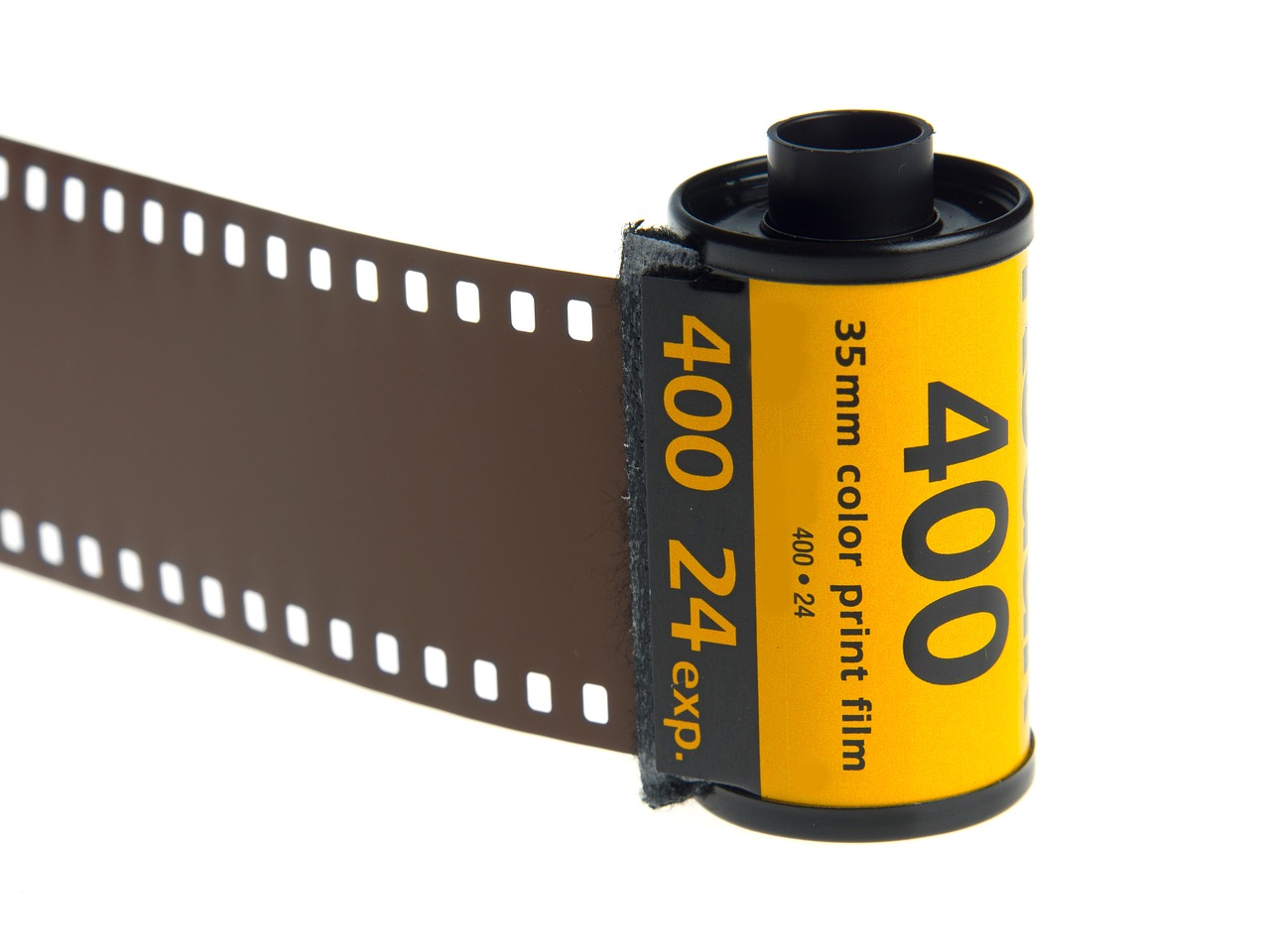
Disposables at a local counter: Walmart’s in-store service usually takes about six days. CVS quotes seven to ten days. Neither returns your negatives, which matters if you ever want to reprint something. Drop the cameras off the Friday after Thanksgiving and you will likely have prints the first week of December, just in time to mail a few in holiday cards.
Disposables or half-frame film at a mail-in lab: labs like The Darkroom charge about $17 for developing and scans, return your negatives, and email you the digital files before the prints arrive. Plan on one to two weeks door to door, which is longer than the drugstore but gives you files you can share with the whole family the same day they land.
My usual move is a hybrid. Instant prints during the meal for the grandparents to keep, and a couple of disposables for the kids that get developed later, with scans shared in the family group chat.

Which Format for Which Age
Ages 4 to 7: disposables, one per kid
Small kids drop things. A disposable is the one camera you will not mind them dropping. They are light, there are no settings, and the only button besides the shutter is the flash. The QuickSnap’s flash stays on once you switch it on, which is easier for small hands. The Kodak FunSaver asks you to press the flash button before each shot, so walk a little one through it once or twice. Write each kid’s name on their camera with a marker. Developing them later is half the fun because every kid gets their own envelope.
Ages 8 to 12: an instant camera they share
This is the sweet spot for instant. Kids this age understand that each print costs something, and they love watching the image come up. The Mini 12 and Mini 13 both handle exposure automatically. You twist the lens to turn them on, and the same twist switches on close-up mode for food and faces. The flash is happiest when your subject is between about one and seven feet away, so tell them to step back from the turkey a little.
If you are deciding between the two, the Instax Mini 13 is worth the few extra dollars for the self-timer alone. It means the photographer can finally be in the group shot, and it comes with a small strap accessory that props the camera at an angle for selfies or table shots.
Teens: a half-frame camera they keep
Teenagers want something that feels like theirs, not a toy. The Ektar H35N looks the part and keeps things simple. It has a fixed 22mm lens, a coated glass lens, a built-in star filter for the holiday lights, a bulb mode for night shots and a tripod socket. It weighs about 110 grams and runs on a single AAA battery, so keep a few spares in the drawer.
Two things to know before you hand one over. Someone has to load the film, which takes a minute to learn. And half-frame shots come out vertical when you hold the camera normally, which kids tend to like, because it looks like a phone photo. Ask the lab for individual half-frame scans so you do not get two pictures stitched side by side.
The Rules That Make It Work on the Day
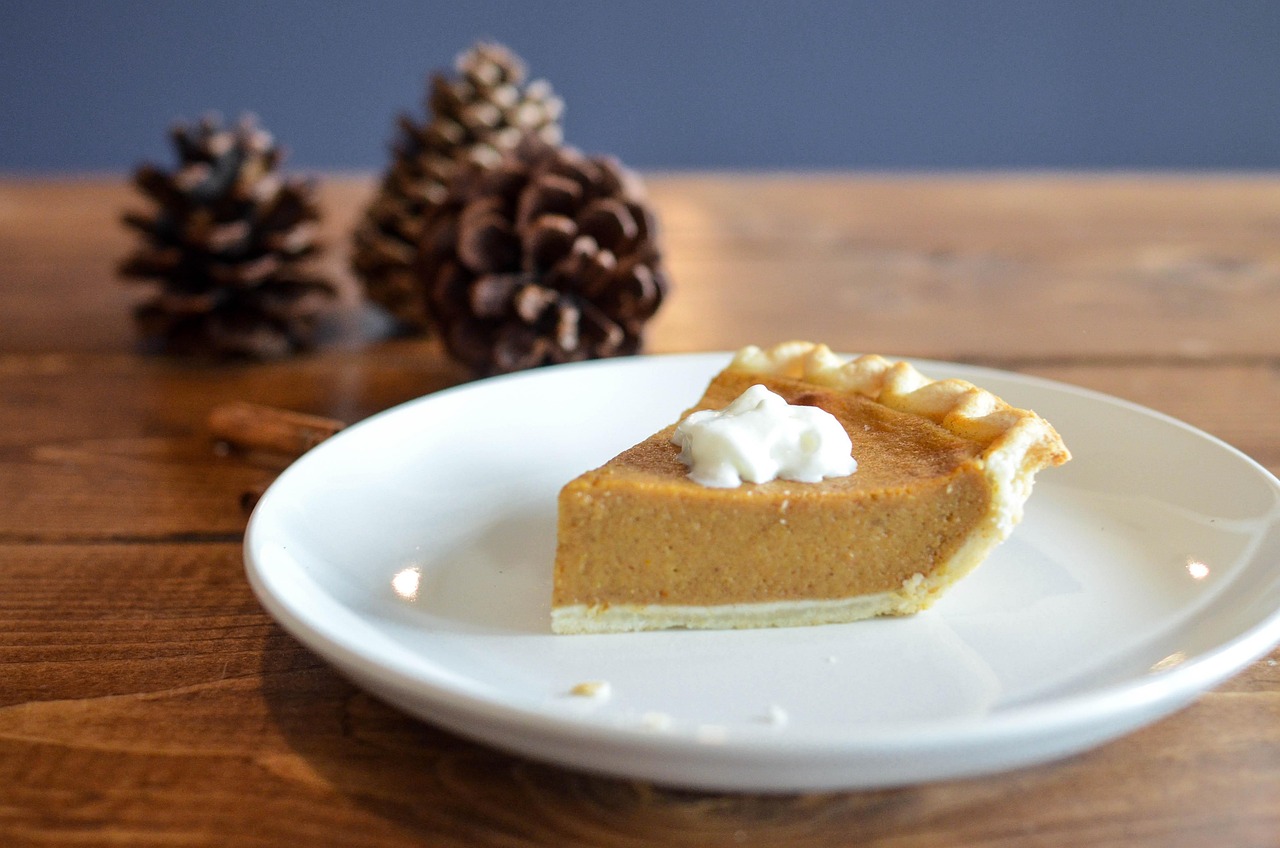
The camera matters less than how you set it up. These are the house rules my family settled on after a few years of trial and error.
- Hand them out before people arrive. The best shots are of guests walking in the door, coats still on.
- Set a shot budget. With instant film, I tell each kid they get five prints before dinner and five after. It stops the first pack from vanishing in ten minutes.
- Assign one “must get” photo. One kid is responsible for a picture of every grandparent. That is the shot you will treasure later.
- No photos of people eating. Everyone appreciates this rule, and it keeps the kids from hovering over the table.
- Collect everything at dessert. Cameras and loose prints go in one box by the door so nothing leaves in someone’s coat pocket.
If you are hosting and juggling the food side as well, my colleague Elena’s tasting-plate Thanksgiving plan has a schedule that leaves room for a slower, more photogenic meal.
Two Shortcuts If Film Feels Like Too Much
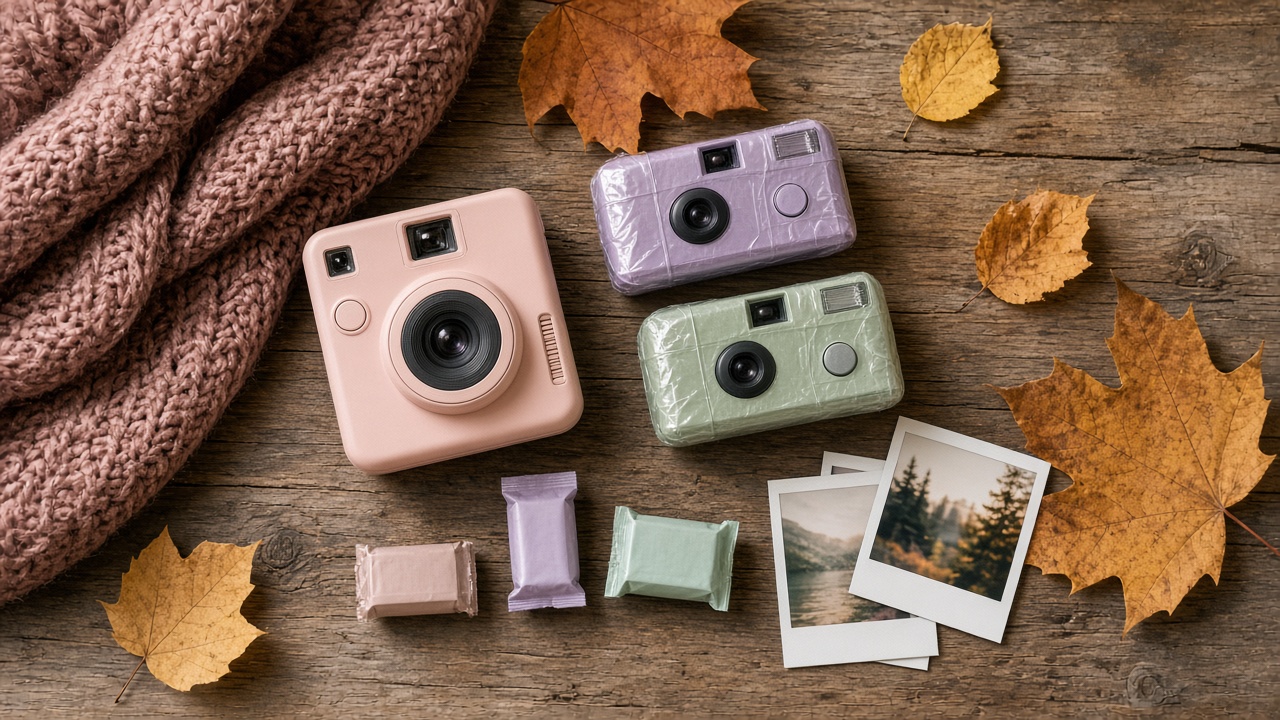
Not every family wants to deal with film. There are two good middle-ground options.
The first is the Polaroid Go Gen 2, a tiny instant camera with a self-timer that kids find adorable. The prints are small and square, and the film costs a bit more per shot than Instax Mini, but the camera is easy to carry around all day.
The second is a phone printer like the Fujifilm Instax Mini Link 3. It prints from a phone onto the same Instax Mini film, so the adults can take the photos and still hand grandma a print at the table. You lose the phones-down effect, but you finally solve the problem of photos that never leave the camera roll. If your family is already sharing photos to a digital frame, this is the obvious next step after my six weeks with Wi-Fi photo frames.
What to Do With the Prints Afterward
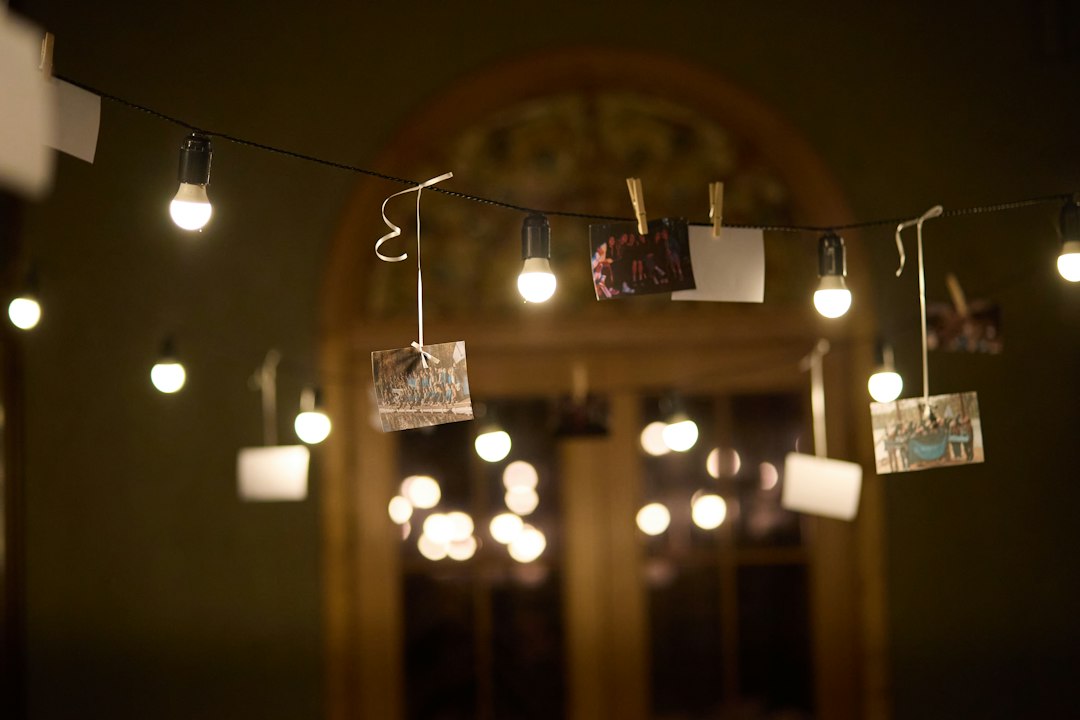
The prints are the reason you did this, so give them a home. Instant prints curl and scuff if you leave them loose in a drawer. A simple Instax Mini Photo Album keeps a whole holiday’s worth in one place, and it makes a nice gift to leave with the grandparents at the end of the day. For the wall, a set of LED Photo String Lights with Clips turns a stack of prints into a display the kids can rearrange all season.
For disposable and half-frame prints, order a second set at the counter. It costs a few dollars more and solves the eternal “can I get a copy of that one” problem. Mail the extras with holiday cards. If you got scans, put the best dozen in a shared album before you do anything else. That is the part that tends to slip if you wait.
While you are at your parents’ house, this is also a good time to sort out the rest of their tech. My Thanksgiving tech audit is a useful checklist for that visit.
Should You Wait for Black Friday?
For instant cameras, the holiday bundles are already about as cheap as they usually get, and the Mini 12 bundle at $89 is the price I would wait for anyway. Black Friday is on November 27, which is the day after Thanksgiving, so if you want the camera at the table you need to buy it now. Film is the opposite case. It rarely goes on deep sale, and stock of popular packs can thin out in December, so buy it with the camera.
Disposables are not worth waiting on at all. They are cheap, the discounts are small, and you want them in the house well before the day so you can pull the little plastic tab and check the flash works.
My Bottom Line
If your family gathers once a year and grandma is the reason you are taking pictures, buy the Instax Mini 12 Holiday Bundle, add a twin pack of film, and let her keep every print. If you have a crowd of small kids, give each one a disposable with their name on it and enjoy the envelope reveal in December. If you have a teenager who has been asking for a “real” camera, the half-frame is the one they will still be using next summer.
Whatever you choose, the point is the same: fewer screens at the table and more photos that actually end up in someone’s hands. Tech should work for you, not the other way around, and sometimes the best tech for the day is a $20 plastic camera with 27 shots and no screen at all.