
Five days from now, Mark Zuckerberg walks onto a stage in Menlo Park at an unusual hour — 4PM PT, 7PM on the East Coast, an evening keynote for the second year running — and opens Meta Connect 2026. My team has been through every leak, firmware dig, and supply-chain whisper leading into this one, because September is when the wearables calendar resets. And after digesting all of it, here’s the headline I keep coming back to: the most important product of the show might be the pair of glasses that doesn’t have a camera.
That’s not the sentence I expected to write. Meta built its entire eyewear empire on the camera — the 12-megapixel shooter in the Wayfarer and Skyler frames is the thing that turns a pair of sunglasses into a memory-capture device and a pair of eyes for the AI assistant. But a summer of genuinely ugly headlines changed the math, and next week’s announcements will show a company reacting to its own success in ways nobody planned for.

How “Creep Glasses” Ended Up on the Spec Sheet
If you’ve worn camera glasses in public lately, you already know the vibe shift. The Guardian, CNN, and the Seattle Times have all run stories this year on men using Meta’s frames to record women without consent — one viral case involved a guy at an airport who posted interactions with several women after being explicitly asked not to. Reddit threads about getting “dirty looks” while wearing Ray-Ban Metas are now their own genre. Reviewers with millions of subscribers, like Austin Evans, have said publicly they barely wear theirs anymore because of the association.
Meta’s engineering response has been defensive, and honestly, reasonably quick. The capture LED is the linchpin of the whole privacy story: a white light that fires whenever the camera records. People started prying it off or covering it with tape, so in late July Meta pushed a software update that disables the camera entirely if that LED has been tampered with. But as my colleague on the review desk puts it, a small white LED is nearly invisible in direct daylight, and the smart frames look almost identical to the dumb Ray-Bans your uncle has worn since 1998. When a product’s honesty signal can’t be seen, it isn’t a signal.
CTO Andrew Bosworth has promised Meta has “more to say” about the problem during Connect. Judging by what’s leaked, what they have to say involves subtraction.

Luna: The Camera-Free Frames Reportedly Landing in October
According to reporting from The Information, Meta is preparing to launch a camera-free pair of smart glasses called Luna, with sales targeted for October and an introduction possible as soon as next week’s keynote. Two styles are planned — Clubmaster and Burbank — and the trade is straightforward: no camera module, but six microphones and speakers aimed at your ears, with a button on the temple to summon Meta’s AI assistant for questions, translations, and messages.
Strip the camera out and a few good things happen. The frames get slimmer and closer to “normal glasses,” which matters more than any spec on a chart. There’s no capture LED to tamper with, because there’s nothing to capture. And the social contract repairs itself — nobody at a coffee shop has to wonder whether your eyewear is recording them when it visibly, structurally cannot.
What you give up is the part of the experience that made these glasses famous: photos, first-person video, and “look at this and tell me what it is” visual AI. Luna’s assistant becomes an ears-and-voice companion instead of an eye. For a lot of people — commuters, frequent flyers, anyone who mainly wanted a discreet audio layer with an assistant attached — that’s not a downgrade at all. It’s the product they wanted in the first place.
Audio-First Glasses Didn’t Wait for Meta
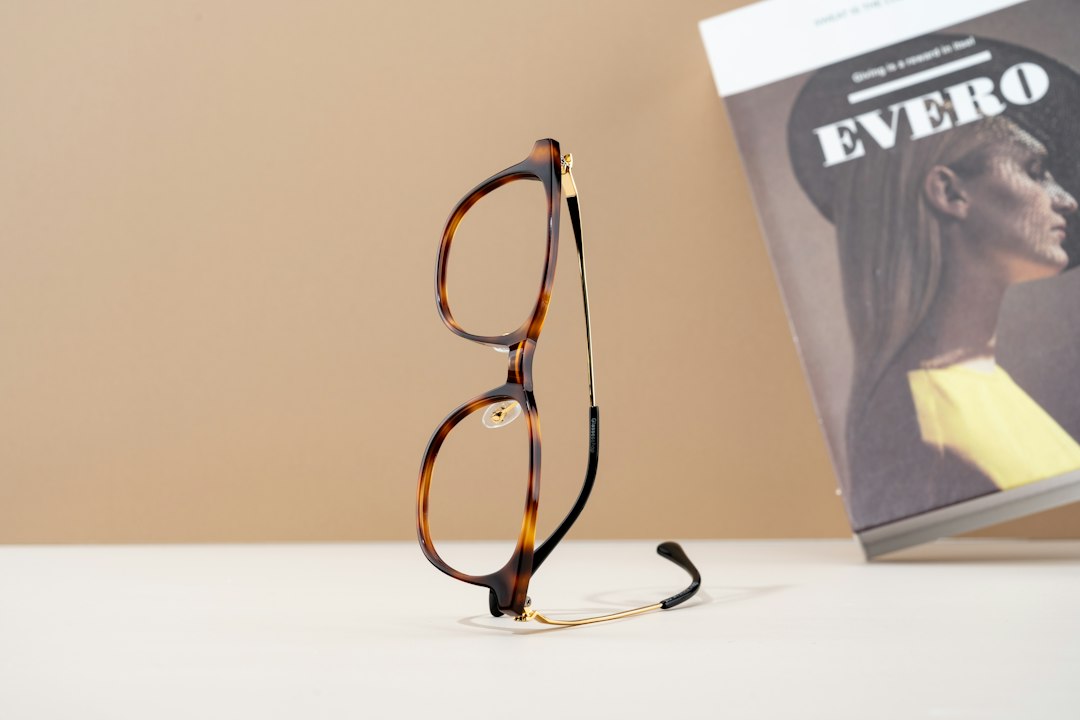
Here’s the irony: the camera-free category Meta is reportedly about to enter has been sitting on store shelves for a while. Amazon’s Echo Frames line — Alexa in a pair of glasses, no camera anywhere — built a small but loyal following before Amazon quietly wound down its own first-party eyewear ambitions, and licensed Alexa audio glasses from Carrera live on today. The Carrera Smart Glasses with Alexa deliver exactly the Luna pitch — open-ear speakers, a voice assistant, blue-light filtering lenses, zero recording hardware — and they’ve been available to anyone who didn’t want a camera on their face this whole time.
Meta’s advantage, if Luna ships as described, will be the assistant itself. Alexa answers questions; Meta AI is being positioned as an agent — more on that below — and six microphones tuned for voice in noise are a genuine hardware investment. But make no mistake: Meta is following demand here, not creating it. The market told the industry it wanted camera-free wearables, and Meta is the biggest company to actually listen.
Phoenix: The Headset That Finally Doesn’t Look Like a Toaster
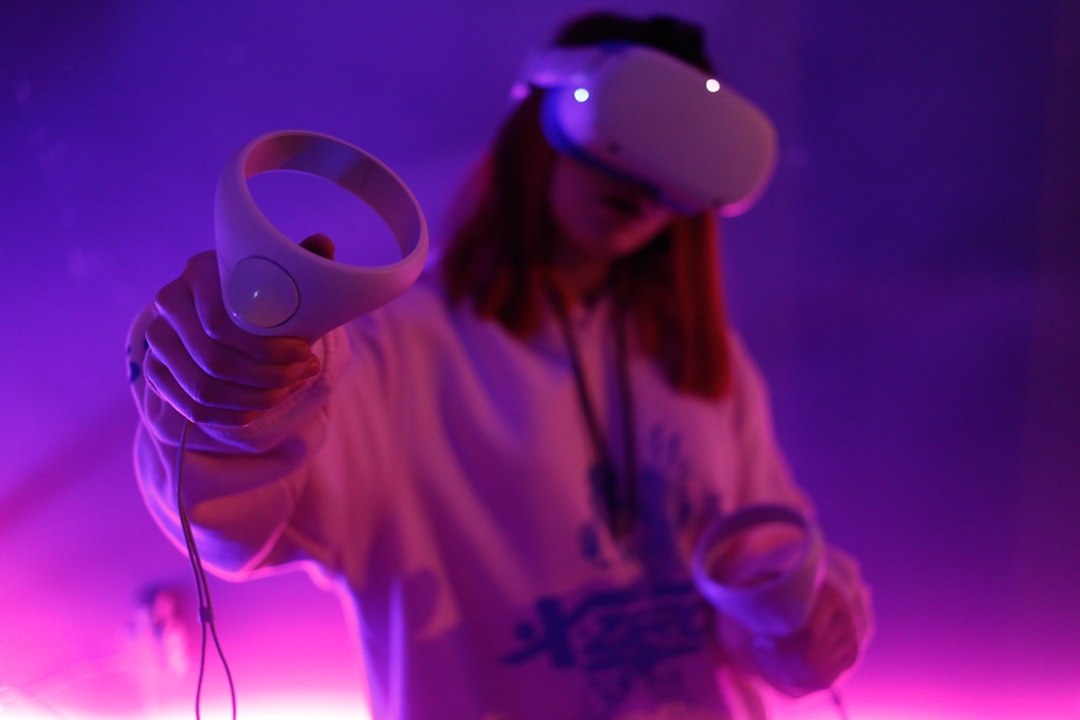
While the glasses story is about restraint, the headset story is about hunger. Firmware images that surfaced in a HorizonOS update on September 10 show Meta’s long-rumored mixed reality headset, codenamed Phoenix, in enough detail to sketch the thesis: a device so slim it reads as goggles rather than a headset, with no head strap — just glasses-style stems — and a cable running to a separate compute puck you pocket or clip somewhere.
The tether is the tell. Every gram you move off your face makes wearable displays dramatically more comfortable, and packing the heavy silicon into a puck is how you get there. Reports point to hand and eye tracking instead of bundled controllers, and the likely brain is Qualcomm’s Snapdragon Reality Elite — a chip Qualcomm announced earlier this year specifically to enable skinny mixed-reality form factors. Whether Phoenix debuts on stage next week or gets a one-line tease and a 2027 ship date, it’s Meta’s clearest signal yet that the era of strapping a brick to your skull is ending.
If that future appeals to you but the wait doesn’t, the current bargain in mixed reality is hard to beat — the Meta Quest 3S 128GB remains the best sub-$300 ticket into HorizonOS, and a set of silicone controller grips and straps fixes its most common wear complaint for under twenty bucks. Phoenix at launch will not be cheap. The Quest 3S is.
The Quieter Stories Worth Your Attention
Beyond hardware, three software threads matter for anyone invested in this ecosystem. First, Meta’s new AI agent Muse was teased with glasses support “coming soon” — and an agent that can see what you see (on camera models) or hear your world (on Luna) is the difference between a chatbot and a companion. Second, the Threads app just landed on Quest headsets and Ray-Ban Display glasses, which sounds trivial until you remember Meta spent years with no first-party social apps on its own eyewear. Third, the rumor mill still expects a next-generation Ray-Ban Display — possibly the dual-lens “Hypernova 2” — though the smart money says that one waits for a later event.
There’s also the metaverse itself. Meta nearly shut down Horizon Worlds in VR this year before reversing course, and Bosworth has been recasting AR as the centerpiece of the “expansive construct of the metaverse.” Translation: the glasses are the strategy now. The headset is the demo. That’s a healthier company posture than the one that spent 2021 renaming itself after a product nobody wanted.
My Buying Advice: Wait, Buy, or Pivot
I’ve gotten a dozen variations of the same question from readers this month, so here’s the decision tree my team and I actually use.
If you want the AI companion and hate the stigma: wait three weeks. Luna reportedly hits shelves in October in two styles, and the camera-free design solves the social problem no marketing campaign could. If you can’t wait, the Carrera Alexa glasses above are the honest stopgap.
If you want the camera and you’ve thought it through: buy now. The current Meta Ray-Ban Gen 2 Wayfarer with clear lenses is the pick I hand to friends — it photographs well indoors, and the clear lens means nobody assumes paparazzi. The Gen 2 Skyler in shiny black with green lenses is the better fit for smaller faces, and if you bounce between indoors and sun all day, the Skyler with Transitions Amethyst lenses or the Wayfarer with Transitions eliminate the swapping problem entirely. Whatever you buy, grab a two-pack of hard-shell cases — these frames scratch if you look at them wrong, and one case lives in my bag permanently.

If what you actually want is a screen on your face: pivot away from Meta’s camera glasses entirely, because that’s a different product category wearing a similar outfit. Display glasses like the XREAL One Pro put a 171-inch virtual monitor in front of you for flights and hotel rooms — no cameras, no controversy, just a private screen. On a budget, the Domars AR display glasses cover the teleprompter-and-translation use cases for a fraction of the price. I sorted these three camps — camera AI glasses, display glasses, and true AR — in my three-camps smart glasses showdown earlier this summer, and the boundaries have only gotten sharper since.

If you want mixed reality: the Quest 3S today, Phoenix whenever it actually ships and whatever it actually costs. Anyone telling you to pre-save for a first-generation tethered puck headset based on firmware renders is speculating, and I don’t speculate with your money.
The Part Worth Applauding
Cynics will say Luna is Meta running from a PR problem, and they won’t be entirely wrong. But look at the wider board: Samsung’s Galaxy Glasses announcement pushed AI eyewear toward the mainstream months ago, and Google’s Android XR partners are circling this same fall window. Every major player is now wrestling with the same question — what belongs on a face? — and the answer customers keep giving is “less than you think.” A camera is a feature on a phone and an accusation on a face. That asymmetry is the real product lesson of 2026.
So when the keynote starts Tuesday evening, watch the camera-free frames get the loudest applause. It’ll be the sound of a market finally getting what it asked for — from the company that learned the hard way why it was asking.