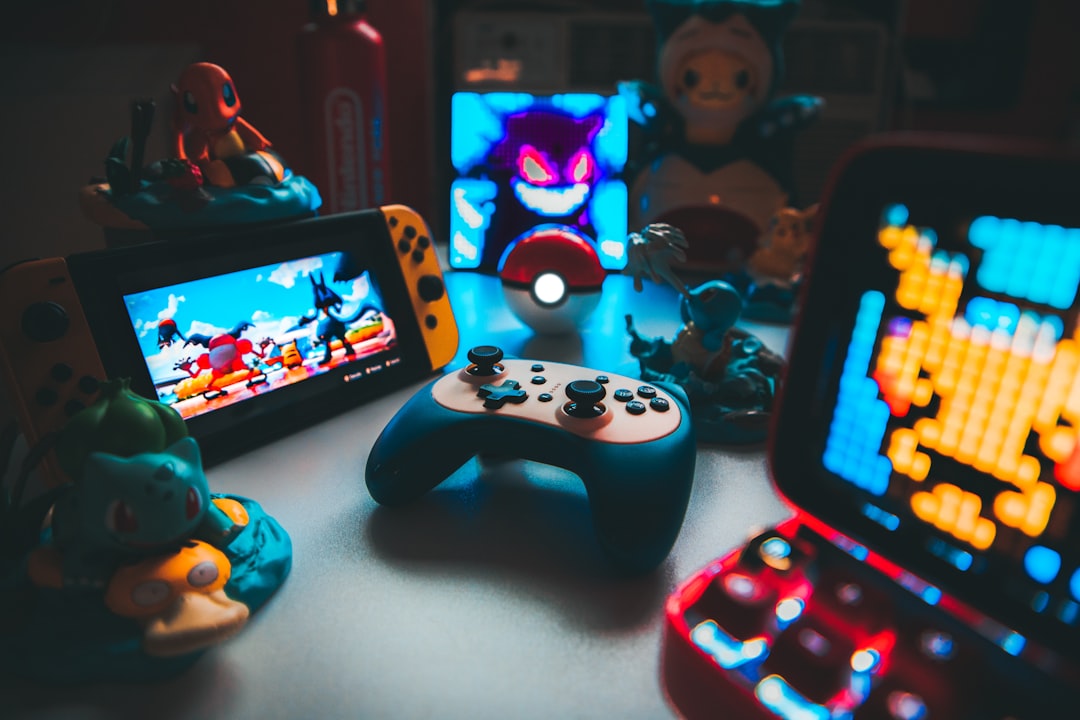
Something quietly historic happened in the handheld world this month, and it wasn’t a new gadget. Valve pushed the SteamOS 3.8.25 beta, and for the first time the operating system that makes the Steam Deck feel like a console — sleep that actually works, shaders pre-cached before you launch, zero Windows update interruptions — is officially installable on five rival handhelds the company didn’t build, sell, or design. Machines like the MSI Claw 8 EX AI+, the OneXPlayer Apex, the AYANEO Pocket S2, and the Konkr FIT can now run Valve’s software with Valve’s blessing.
I’ve had a bench full of these things for months — my team rotates them through commute duty, couch duty, and the brutal ultimate test: a cross-country flight with a middle seat. And I’ll be honest: this news reshuffles my recommendations more than any hardware launch this year. Here’s the state of play, and what I’d actually spend my own money on.
The Escape Valve Just Pulled Off
If you’ve never used a Windows handheld, you’ve been spared a specific kind of misery. Windows 11 was designed for a desk, not a 7-inch screen held sideways. You fight update nags, scaling weirdness, and login screens with a thumbstick. It works — but it never stops feeling like a hack.
SteamOS is the opposite: pick a game, press play, press the power button mid-boss-fight and resume an hour later. That experience was locked to Steam Deck hardware for three and a half years. Now it’s spreading. Lenovo shipped the Legion Go S with SteamOS earlier this year, the Legion Go 2 followed with a SteamOS option, and this latest beta wave pushes official support even wider. Valve has essentially said: we don’t care whose logo is on the plastic, our OS belongs on all of it.
Meanwhile, the machine everyone keeps asking about — a Steam Deck 2 — still isn’t coming. Valve’s own designers have said the current chip generation doesn’t clear their bar for a generational leap, and I don’t expect one before 2027. That makes this fall a surprisingly good time to buy: the market matured while the rumor mill spun.
Follow the incentives and the strategy is obvious. Valve doesn’t make money on the Deck’s plastic — it makes money every time any machine running SteamOS sells a game. Every converted handheld is a new storefront terminal in someone’s backpack. That’s why I’d take the expansion seriously: it’s not charity, it’s the razor-and-blades playbook, and this time the blades are half-price Elden Ring.

The Default Answer: Steam Deck OLED
Let’s get the obvious out of the way. For most people, the Steam Deck OLED is still the right call, and it’s not particularly close. The 7.4-inch HDR OLED screen at 90Hz is genuinely one of the nicest displays I’ve used on any portable — I’ve caught myself just admiring the blacks in Hades II instead of playing. Battery life is the longest of any Deck yet, Wi-Fi 6E made my library downloads noticeably faster, and SteamOS keeps getting better without me doing anything.
The honest caveat: the chip inside is three years old. New AAA releases run, but you’ll be leaning on medium settings and AMD’s upscaling. If your library is indies, older titles, and emulation, you will not care one bit. If you need Cyberpunk at 60 fps in your hands, keep reading. And whichever you buy, the first thing I do with every Deck is drop in a 1TB SanDisk Extreme microSD — SteamOS treats it as native storage, and modern games will eat 512GB before your backlog does.
The Power Move: ROG Xbox Ally X
When a game is too heavy for the Deck, the ASUS ROG Xbox Ally X is what I grab. AMD’s Ryzen AI Z2 Extreme is the fastest chip you can currently put in a handheld, the 24GB of RAM means alt-tabbing to a browser guide doesn’t murder your frame rate, and ASUS crammed in the biggest battery in the class — my team logged full cross-country flight days on it without a top-up. The Xbox full-screen experience layers a console-style shell over Windows so you rarely have to see the desktop at all. Refined, honestly, is the word: it’s what the original Ally should have been.
It’s still Windows underneath. You’ll visit the desktop occasionally, and you’ll want the 3 months of included Game Pass because that’s the ecosystem ASUS is courting. As a longtime subscription skeptic, I’ll say it plainly: Game Pass on a handheld is the one subscription that earns its slot for people who play new releases constantly. Everyone else should buy games in Steam sales and stop paying rent on a library.
The Enthusiast Flex: Legion Go 2
The Lenovo Legion Go 2 is the strangest and most ambitious machine on the bench. An 8.8-inch OLED at 144Hz — bigger and sharper than anything else here — with detachable controllers you can use like a steering wheel grip or prop as a kickstand-framing FPS controller. It comes in Windows and SteamOS flavors, and Lenovo has been refreshingly upfront that the tricked-out configs are priced “for enthusiasts” — the top builds run around $1,350.
That price is the whole conversation. A Legion Go 2 maxed out costs more than a PlayStation 5 and a Steam Deck OLED combined. But if the Deck is a handheld that plays like a console and the Ally X is a handheld that plays like a gaming laptop, the Legion Go 2 is a handheld that plays like a small television you can hold. On a layover in Denver last month, three of us watched tournament replays on that OLED panel like it was a living room TV. Nothing else in this class does that.
The First Converts: SteamOS on Rival Hardware
The MSI Claw 8 EX AI+ is the machine to watch precisely because it straddles the new fault line: an 8-inch 120Hz handheld with Intel’s new graphics silicon, sold with Windows but now officially supported by the SteamOS beta. MSI spent 2024 and 2025 learning humility the hard way — the first Claw was a mess — and the current generation is legitimately good hardware in search of the right software. SteamOS might be exactly that.
If you’re the kind of reader who reflashes routers for fun, installing the beta on supported hardware is now a supported path, not a warranty-voiding gamble. For everyone else, treat this as a signal: by next year, “which OS does it run” is going to matter as much as “which chip,” and machines like the Claw and the OneXPlayer Apex are why.
The Honest Answer for Half of You: Nintendo Switch 2
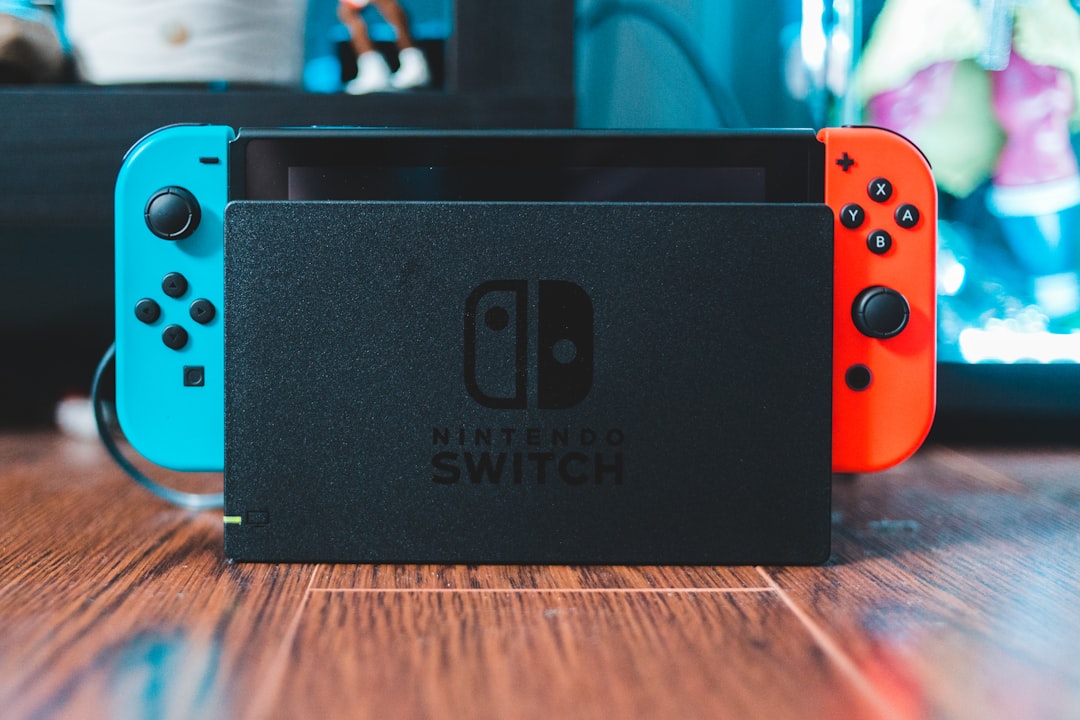
Here’s the part where a gadget reviewer loses the enthusiasts and gains everyone else. For a lot of normal humans — kids, partners, people whose gaming time is 20 minutes before bed — the Nintendo Switch 2 is the correct purchase, full stop. It’s $449.99, it plays Mario Kart World at a locked frame rate that never stutters, and nobody in your household will ever need to think about TDP limits or shader compilation. The new GameShare feature even lets a Switch 2 host local multiplayer for original Switches, which is quietly the most family-friendly move in gaming hardware.
The library is the argument: Nintendo exclusives you cannot play anywhere else, versus a Steam library you already own. One storage note — the Switch 2 wants microSD Express cards for its own games, so the standard microSD hoard from your original Switch carries over for older titles but won’t hold the new stuff. I keep both a Deck and a Switch 2 in the house because they answer different questions. If forced to pick one for a household of mixed ages, the Switch 2 wins, and Mario Kart World sells the hardware to anyone who holds a Joy-Con for five minutes.

The Kit That Makes Any Handheld Better
Whichever machine you choose, four accessories keep earning their spot in my travel bag. First, storage: a 1TB SanDisk Extreme microSD lives permanently in my Deck, and for the Windows handhelds I carry a 2TB Samsung T7 Shield — rugged enough to survive the bag it actually travels in, and fast enough to run games directly. I wrote a full piece on why a portable SSD is the upgrade everyone keeps putting off; handhelds are the reason it finally clicked for me.

Second, power. Handhelds sip compared to gaming laptops, but a 65W-capable bank refills a Deck or Ally X at full speed from dead — check the PD rating before you buy, because a 20W phone brick will nurse a handheld for hours instead of minutes. The Anker Prime 27,650mAh is my carry-on standard-bearer — after six months of testing laptop power banks, it’s the one I trust to keep both a handheld and a phone alive through a travel day.
Third, the couch handoff. A dock turns any of these machines into a set-top box: the Anker Steam Deck dock handles 4K at 60Hz and works just as happily with an Ally X or Legion. If you want the deeper dive on docks, hubs, and the one port that does everything, my USB-C hub marathon covers it. And fourth, protection — a tomtoc slim hardshell case has shrug-survived being jammed under an airplane seat for two years of trips. If you’re downloading your library fresh on hotel Wi-Fi before a trip, by the way, I’ve tested travel routers for exactly that indignity.
The Decision, Compressed
Buy the Steam Deck OLED if you want the best all-around experience and own your games. Buy the ROG Xbox Ally X if you need maximum power and don’t mind Windows. Buy the Legion Go 2 if screen real estate is your love language and your budget already survived RAMageddon. Buy the Switch 2 if the humans you live with want to play, not configure. And watch the SteamOS convert list — because the moment Valve’s OS is a checkbox instead of a project, the Windows handheld tax is over for good.
That’s the real story of this fall: not one new gadget, but the moment every gadget in the aisle got a new operating option. The hardware race gave us marvels. The software escape just made them honest.