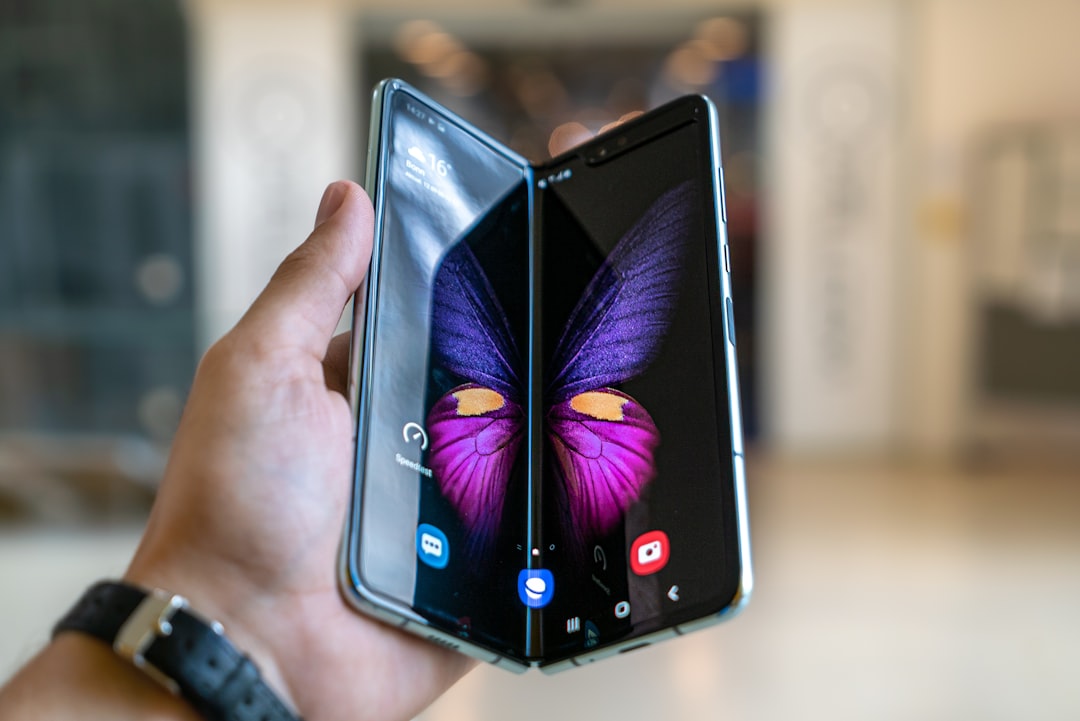
I’ve watched a lot of Apple keynotes from this desk. Somewhere around the twenty-five year mark you develop a rhythm for the second week of September: charge everything, clear the schedule, keep a notepad for the two features that actually matter versus the forty minutes of theater around them. But Wednesday’s event — Wednesday, September 9, 10 a.m. Pacific, the one Apple tagged “Surprise and Shine” — is the first keynote in a long time where I genuinely don’t know how the story ends. It’s the first foldable iPhone, the first fall event of the John Ternus era, and by every credible account, the end of the $999 flagship iPhone as we know it.
My team has spent the last two weeks digging through the leak trail — part catalogs, supply chain chatter, firmware references, the usual archaeology — and a coherent picture has formed. Here’s what’s actually coming Wednesday, what it means for your wallet, and the pieces I’d buy today versus the ones worth waiting on.
The Phone Apple Spent Eight Years Avoiding
Let’s start with the headline act. After watching Samsung iterate foldables since 2019 while Tim Cook’s team said “not good enough,” Apple is reportedly shipping a book-style foldable that most leaks now call the iPhone Ultra. The shape is familiar if you’ve handled a Galaxy Z Fold8 — Samsung’s latest even matched Apple’s rumored proportions almost exactly this year, which tells you both companies landed on the same ergonomics. Closed, you get a roughly 5.5-inch outer OLED. Opened, about 7.8 inches of display in a layout that’s wider than it is tall. Picture an iPad mini that folds in half and you’ve got it.
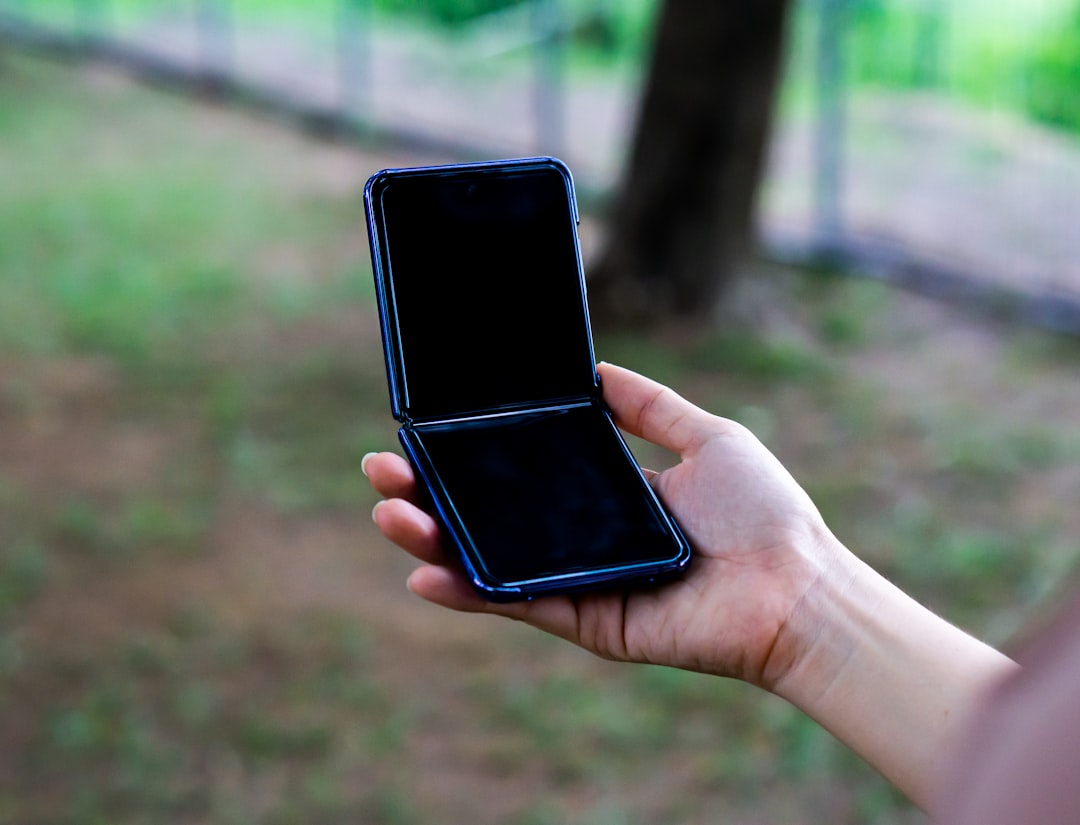
The engineering details are where it gets interesting. The rumored liquid-metal hinge is Apple’s answer to the durability question that has haunted every foldable, and there’s reportedly an optically clear adhesive layer designed to fill in the micro-cracks that repeated folding creates — the mechanism behind crease visibility. Open, the thing could be as thin as 4.5mm, which would make it the thinnest iPhone ever made. Folded, about 9mm. There is no free lunch at that thickness: the leaks consistently point to a side-button Touch ID instead of Face ID (no room for the TrueDepth array) and a two-lens rear camera — Wide and Ultra Wide, no telephoto. A $2,000-plus phone without a telephoto lens is a genuinely strange sentence to type, but here we are.
Inside, expect the 2nm A20 Pro chip — leaks suggest roughly 18 percent faster and up to 30 percent more efficient than the A19 Pro, with 12GB of RAM — plus a split battery design totaling somewhere in the 5,400 to 5,800 mAh range, which would out-capacity the iPhone 17 Pro Max. MagSafe reportedly made the cut after early dummy models suggested otherwise, and the color options are classic first-generation caution: silver/white and a near-black deep indigo. Starting price is rumored at $2,000, with higher-capacity tiers pushing toward $2,500.
My honest take after years of testing Samsung’s hinges: first-generation Apple foldables will sell out regardless, and the resale market will be brutal. If you want a foldable this year without being a beta tester for a first-gen hinge, the Z Flip8 remains the pocketable option I’d point most people toward. The Ultra is for the people who absolutely must have the first one — you know who you are.
The iPhone Most People Will Actually Buy
While the foldable eats the headlines, the iPhone 18 Pro and Pro Max are the volume story — and this year, that story has a plot twist. The design carries over almost unchanged from the 17 Pro, to the point that iPhone 17 Pro cases are expected to fit the new models. If you want to pre-order Wednesday and have a case waiting, a magnetic case like the Spigen Ultra Hybrid MagFit for 17 Pro Max should transfer over fine — I’ve got three on my bench to verify the moment review units land.
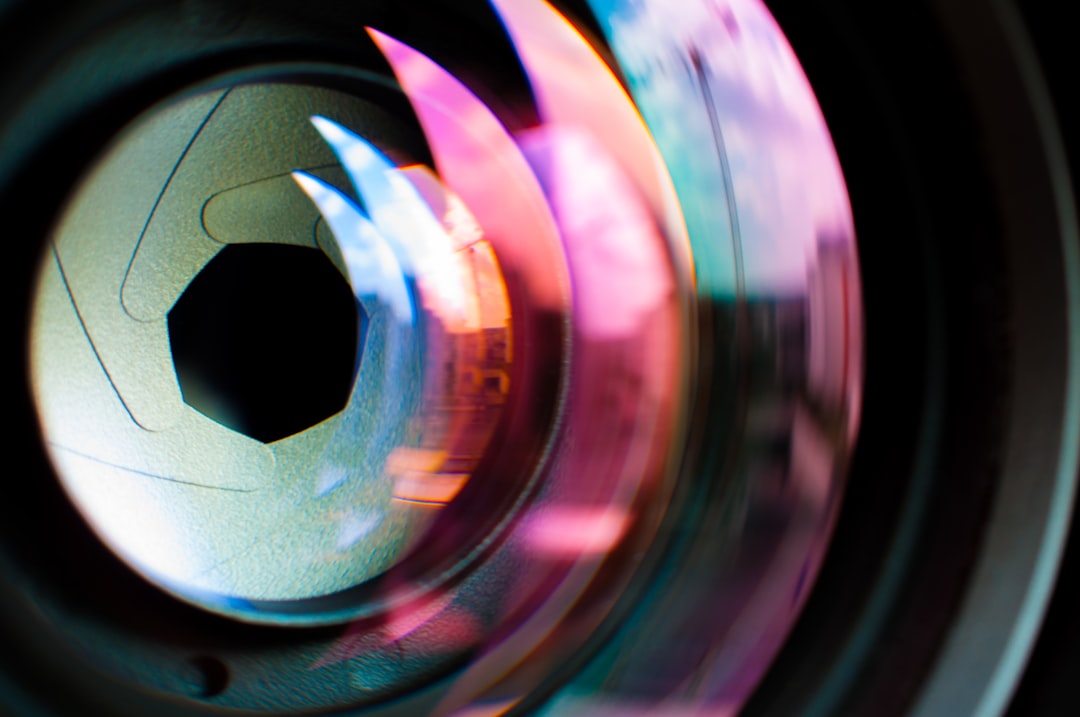
The camera is where Apple spent its budget. The main lens is rumored to get a DSLR-style variable aperture — stopping down in bright light for cleaner exposure, opening up in the dark for less grain, with real control over background blur. Some leaks say that’s a Pro Max exclusive, which feels very Apple. Behind it may sit a Samsung-built three-layer stacked sensor for faster capture and better low light, plus a wider-aperture telephoto. The Camera Control button loses its capacitive swipe layer, which frankly won’t be mourned in this office — none of my testers ever used it. On the front, a slightly smaller Dynamic Island and a new LTPO+ panel that should stretch battery life further; the Pro Max is rumored at 5,567 mAh. Colors: dark cherry, light blue, silver. No black, for the first time in years.
Now the uncomfortable part. Multiple reports point to a price increase of $100 to $300 across the 18 Pro lineup, driven by memory and storage costs — the same global RAM squeeze I flagged in my laptop upgrade guide months ago. Apple already raised Mac and iPad prices this year; the iPhone was the last domino. And note the base iPhone 18 isn’t even expected Wednesday — leaks say Apple is holding it until spring 2027, which means your “affordable” new-iPhone options this fall are last year’s models at likely-unchanged prices.
The Watches Borrow Oura’s Homework
The Apple Watch Series 12 and Ultra 4 are shaping up as the quietest hardware updates of the show — no redesign for either — but the interesting move is software-driven: a new processor enabling continuous, all-day heart-rate data collection that feeds an Oura-style wellness view in the Health app. That’s a direct swipe at the smart ring playbook, and honestly, it’s about time. Continuous HR trends matter more for recovery and stress insight than any single spot-check reading I’ve ever logged on a test bench.
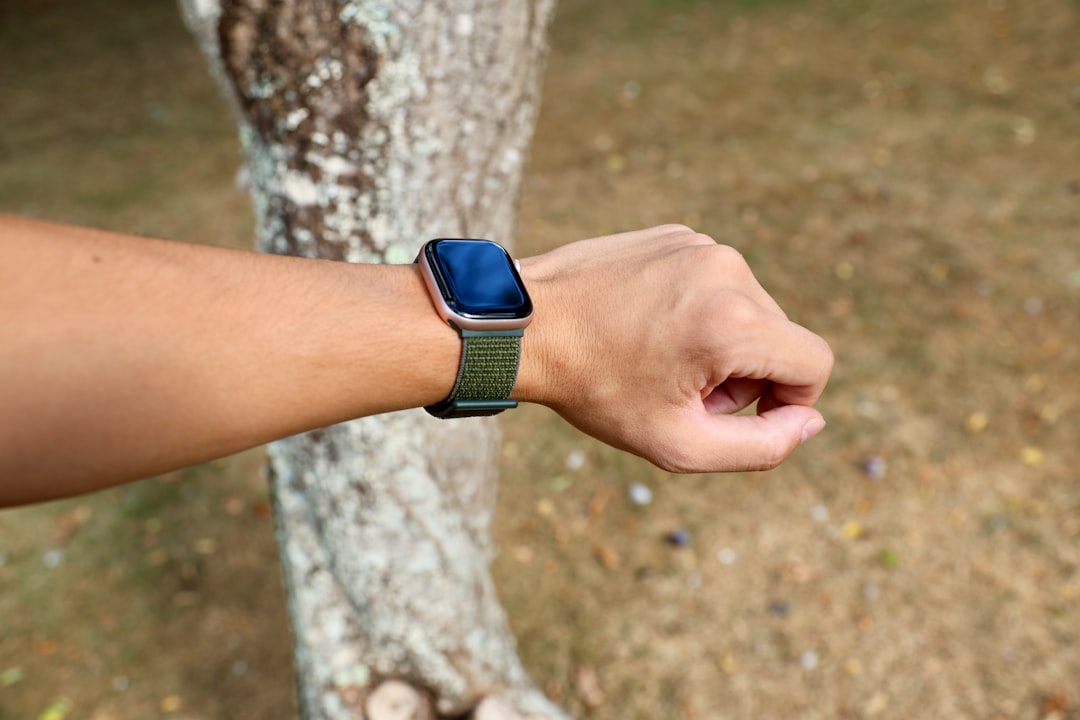
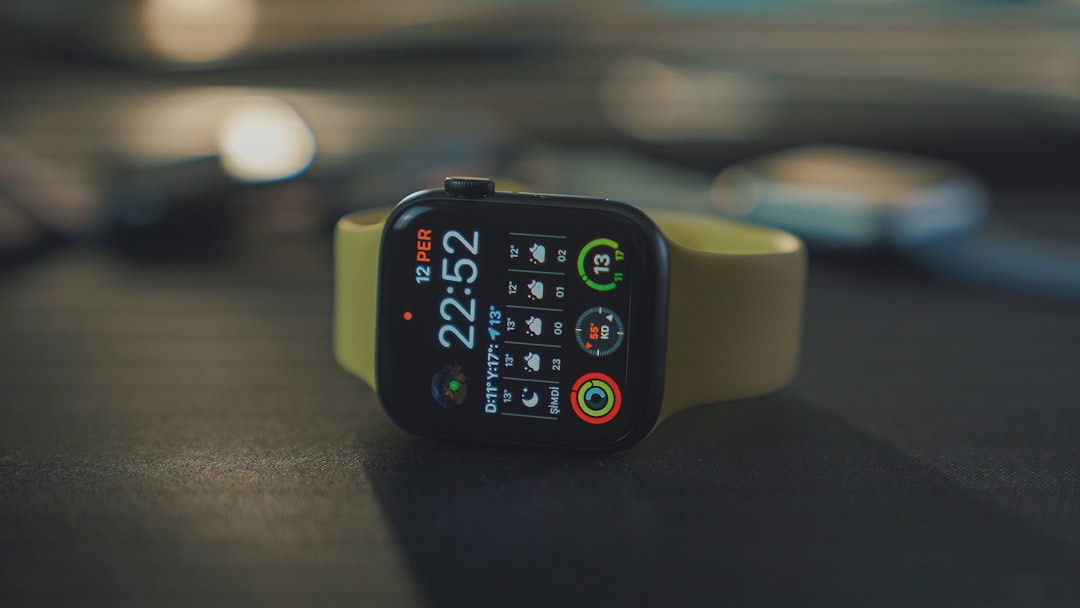
The ceramic case option reportedly returns to the Series 12 after a few years away, which was always the best-looking thing Apple made in stainless steel money. If you’re upgrading, bands are the cheapest way to make an old watch feel new — this six-pack of braided stretch bands has survived a year of my abuse cycles and still looks showroom-clean.
AirPods 5 and the H3 Chip
References to AirPods 5 surfaced in the macOS 26.7 release candidate, which is Apple’s version of leaving the lights on before a party. Expect an H3 chip promising better sound quality and lower latency, in both ANC and non-ANC versions. Whether they get the health sensor suite that’s been rumored for years is the open question I’ll be watching for.
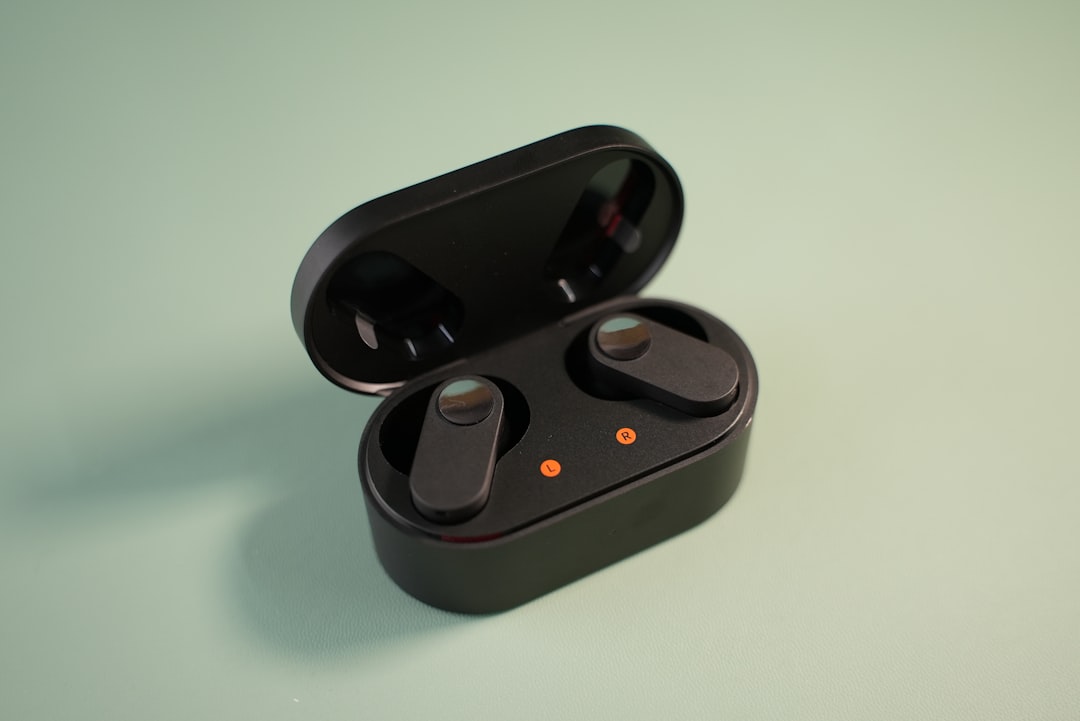
Practical note while we wait: the current AirPods 4 with ANC are the ones I reach for most often in day-to-day testing, and retail pressure on the outgoing generation usually spikes the week a successor ships. If Wednesday brings AirPods 5 at a premium, last-gen pricing is where the value hides.
The Quiet Part of the Show: Home Hub, Apple TV, HomePod mini
The sleeper products are in the living room. Apple’s long-rumored home hub — a 7-inch square display with a built-in camera and presence detection that runs apps, handles video calls, and anchors the new Siri AI — may finally ship after months of delay waiting on the software. Alongside it, likely a faster Apple TV 4K (with hints of a new remote in Apple’s own code) and a HomePod mini refresh with new colors.
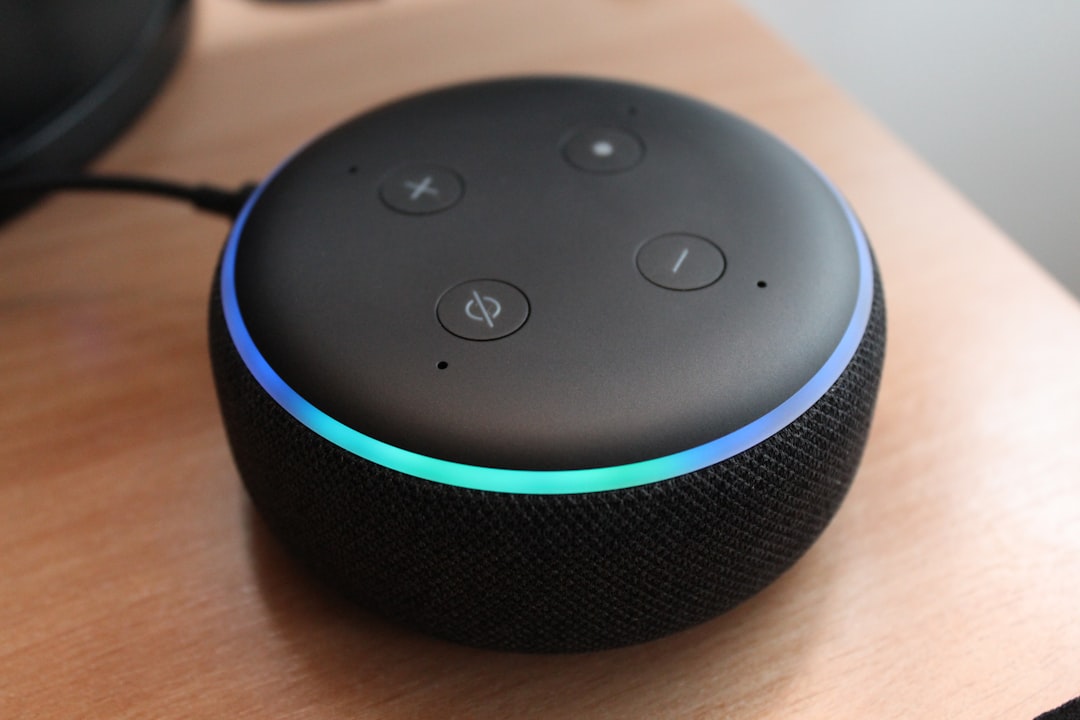
I’ve been running smart speakers from every ecosystem through this house for years, and the pattern is consistent: the software maturity matters more than the hardware. If Apple’s AI-powered Siri actually works at launch, the hub becomes the first Apple device my less technical family members would use unprompted. That’s a bigger “if” than it should be in 2026. In the meantime, the current HomePod mini remains the best-sounding budget smart speaker in my rotation, full stop.
One more date worth circling: Wednesday’s keynote also locks in the public release timing for iOS 27, iPadOS 27, and macOS Golden Gate. The bet across all of it — phones, watches, hubs, TVs — is that the new Siri AI shows up capable on day one. Every hardware story at this event leans on that single software pillar, which is either exciting or terrifying depending on how many first-generation software launches you’ve sat through.
My Buy-Wait-Skip List Before Wednesday
After a few hundred launch cycles, my rule is simple: never buy gear the week before a keynote unless the price already reflects the incoming competition. So here’s the split.
Buy now, don’t wait: charging infrastructure and solved problems. MagSafe is confirmed on the foldable, which means every Qi2 accessory you own carries forward — the Anker MagGo 3-in-1 station on my desk charged everything I threw at it in my six-week dock experiment, and the MagGo 10,000mAh magnetic power bank is the one bag accessory that survived my great charger audit. Trackers are another finished category — the second-generation AirTag four-pack already won my lost-keys stress test against every competitor, and Wednesday won’t change that math.
Wait if you possibly can: the phones themselves. The iPhone 18 Pro price hike is real, first-week supply will be a lottery, and last-gen discounts follow within weeks — my Pixel 11 Pro coverage this summer showed exactly how fast “flagship pricing” softens once the launch spotlight moves on. The Pixel 11 Pro is the phone I currently carry most, and it won’t get worse on Wednesday.
Skip entirely: paying flagship markup for a telephoto-less first-generation foldable unless you collect firsts. Two years from now, the second-generation Ultra will be thinner, cheaper, and camera-complete — that’s not cynicism, it’s the pattern every foldable generation since 2019 has followed.
Wednesday morning, the bench gets cleared, the pre-orders get timed, and the real testing begins. That part of September never gets old.