I’ve been testing smartwatches since the original Pebble convinced a million people that a wrist computer was a reasonable thing to want. In the years since, I’ve worn everything from a $1,800 Apple Watch Ultra to a $12 no-name fitness band that arrived in a box with no English text whatsoever. After months of testing walking pads and other health gadgets, my team and I realized most people don’t need a luxury watch to get meaningful health data. Here’s what I’ve learned: the gap between what a budget smartwatch can do and what a premium one can do has collapsed in ways most people don’t realize.
So when my team proposed a month-long shootout of five sub-$70 smartwatches, I was skeptical but curious. Could a watch costing less than a decent dinner actually track the metrics that matter? Would I be miserable wearing any of them? After thirty days of stacking two watches per wrist, swapping them between workouts, sleep sessions, and workdays, I have some genuinely surprising findings — and a few warnings.
Why Budget Smartwatches Stopped Being Terrible

The math is pretty simple. AMOLED displays — the same screen technology Samsung puts in its flagship watches — now cost manufacturers a fraction of what they did three years ago. GPS chipsets have commoditized to the point where even $40 watches include them. And the sensor packages in modern budget watches have reached a baseline of competence that would have cost $300+ in 2022.
What you’re mostly missing at the low end is polish: the software experience, the ecosystem of apps, the third-party integration. If you can live without responding to texts from your wrist or controlling your smart home with a tap, the hardware itself is genuinely good.
I picked five watches that represented different philosophies of budget wearables. Some leaned into fitness tracking. Others prioritized style. One was essentially a tiny smartphone for your wrist. Here’s how they held up.
The Lineup: Five Watches, Five Different Approaches
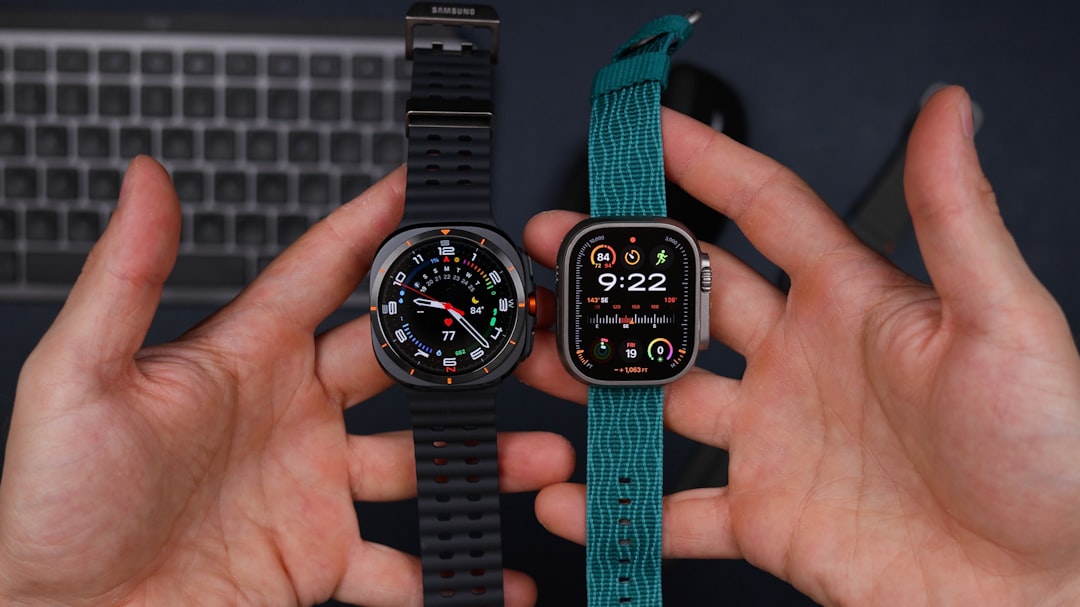
Before diving into individual reviews, here’s the roster. I wanted a spread that covered the major categories you’ll encounter when shopping this price bracket:
- CMF Watch 3 Pro by Nothing — The style-forward pick with a surprising amount of polish
- Amazfit Active 2 — The fitness-first option from the budget king
- Samsung Galaxy Fit 3 — The band-style tracker from a name you trust
- Fitbit Inspire 3 — The minimalist health tracker from Google’s wearable division
- Garmin Forerunner 55 — The running specialist that refuses to die
Each watch was worn for at least six full days, including two workout sessions, two sleep tracking nights, and one full workday. My team logged step counts, heart rate accuracy against a chest strap, battery drain, and overall comfort. The results were not what I expected.
CMF Watch 3 Pro: The One That Fooled Everyone
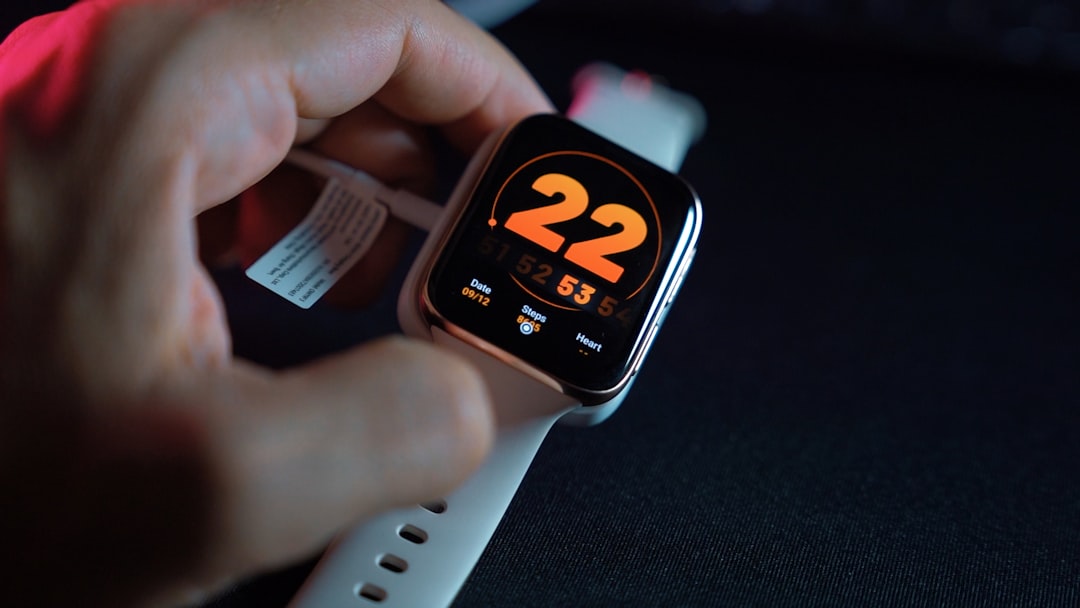
I’ll start with the watch that generated the most comments from people who had no idea what it was. The CMF Watch 3 Pro by Nothing retails around $69, and it looks like it costs three times that. Nothing’s design language — industrial, transparent, slightly futuristic — translates beautifully to a wearable. The brushed metal frame, the clean typography on the watch face, the satisfying click of the digital crown; it all feels intentional.
Under the hood, you get a 1.43-inch AMOLED display running at 466 x 466 pixels. That’s crisp enough that I never found myself squinting at notifications. It has built-in GPS, 130+ sport modes (I tested maybe seven of them), heart rate tracking, SpO2, and sleep monitoring. The AI Energy Score feature, which rates your daily recovery on a scale of 1-100, is genuinely useful — I found myself checking it each morning and adjusting my training accordingly.
Battery life was the biggest surprise. In my testing, with GPS runs logged every other day and 24/7 heart rate monitoring enabled, I got through 11 days on a single charge. Nothing claims up to 13, and I believe them if you’re less aggressive with the GPS.
Where it falls short: the companion app is functional but not great. Syncing was occasionally slow, and the data presentation isn’t as polished as what you’d get from Fitbit or Garmin. Also, while it supports Bluetooth calls, the speaker quality is poor enough that I stopped using the feature after two attempts.
If you want a watch that looks premium, tracks competently, and doesn’t embarrass you in a meeting, the CMF Watch 3 Pro is the one to beat at this price. You can also grab a set of silicone replacement bands in different colors if the stock band isn’t your thing — I found the included strap fine, but options are always nice.
Amazfit Active 2: The Fitness Tracker That Punches Above Its Weight
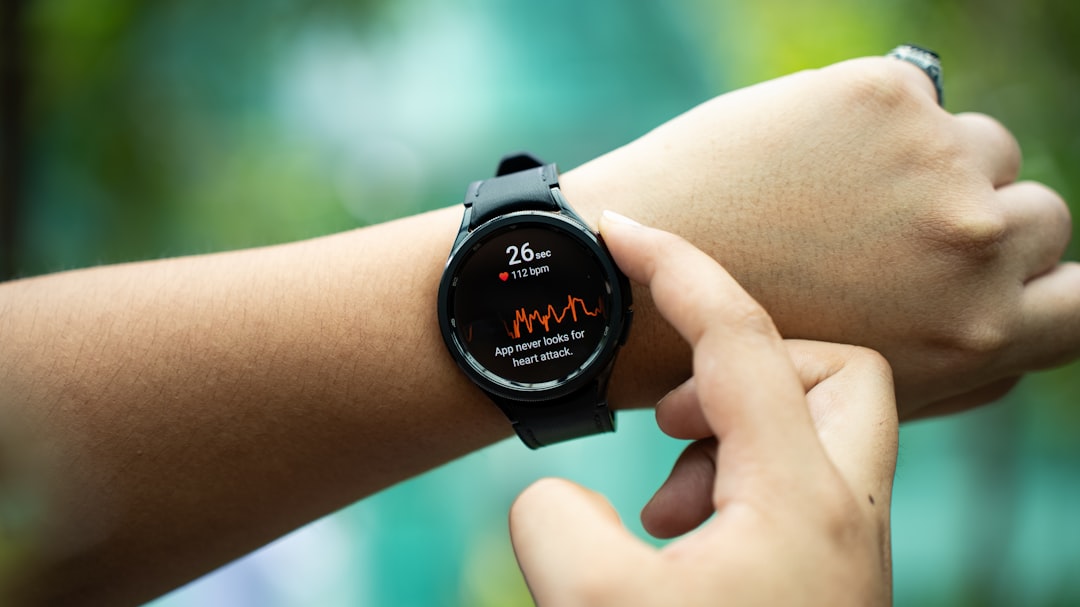
Amazfit has been quietly dominating the budget wearable market for years, and the Amazfit Active 2 is their most refined effort yet. At around $79 for the standard version (the Premium version with sapphire glass runs about $100), it’s at the upper edge of what I’d call “budget” — but it delivers enough to justify every penny.
The standout feature here is accuracy. I compared the Active 2’s heart rate readings against my Wahoo Tickr chest strap during a 45-minute interval session, and the variance was under 4 BPM at every checkpoint. That’s genuinely impressive for an optical sensor at this price. Step counts were similarly reliable, landing within 2% of my reference pedometer across the testing period.
The Amazfit includes built-in GPS with route tracking, 160+ sport modes, and a barometric altimeter that the CMF lacks. The Zepp companion app is better than I expected — it organizes your health data into clean dashboards and provides training insights that go beyond simple step counting.
Battery life landed at 10 days with heavy use, which tracks with Amazfit’s claims. The 1.32-inch AMOLED is bright enough for outdoor visibility, though the bezels are noticeably thicker than the CMF’s.
My main complaint is that the Active 2 is decidedly sporty in its aesthetic. If you’re wearing it to a business meeting, it reads “gym rat” loud and clear. The Premium version with its stainless steel case mitigates this somewhat, but it pushes the price up. For pure fitness tracking, though, this was the most accurate watch in the test.
The Fitness Band Contenders: Galaxy Fit 3 vs Fitbit Inspire 3
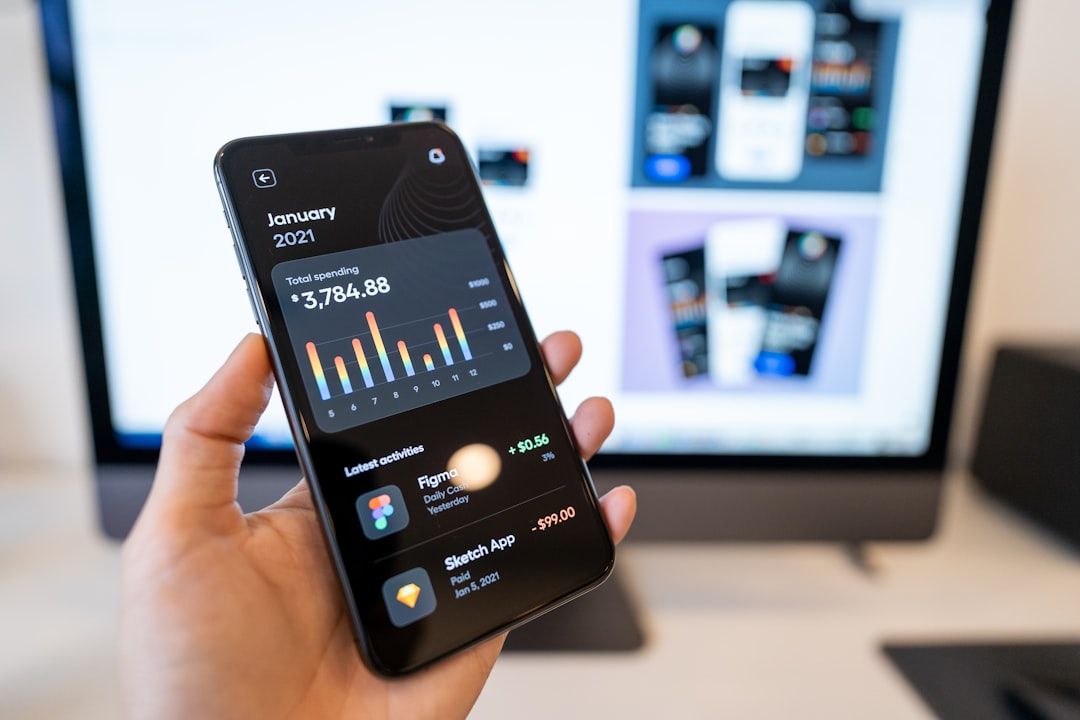
Not everyone wants a full smartwatch on their wrist. Fitness bands — those slim, screen-equipped bracelets that prioritize tracking over interaction — remain hugely popular, and two models under $70 deserve your attention.
The Samsung Galaxy Fit 3 is the more capable of the two. It features a 1.6-inch AMOLED display that’s genuinely gorgeous, IP68 water resistance, and a claimed 14-day battery life (I got 12, which is still excellent). It tracks over 100 exercise modes and syncs beautifully with Samsung Health. The aluminum frame gives it a premium feel that the Fitbit can’t match.
Where the Galaxy Fit 3 stumbles is compatibility. It works best with Samsung phones, and while it technically supports other Android devices and iOS, the experience degrades noticeably. If you’re in the Samsung ecosystem, this is a no-brainer. If you’re not, consider carefully.
The Fitbit Inspire 3, on the other hand, is the pure health tracking play. It’s smaller, lighter, and less flashy than anything else in this test. The 0.76-inch OLED display is tiny but readable, and the band is comfortable enough to sleep with — which matters, because sleep tracking is the Inspire 3’s killer feature. Fitbit’s sleep stage analysis remains the best in the business at any price, and at under $60, it’s exceptional value.
What you sacrifice: no built-in GPS (it uses connected GPS from your phone), a limited app store, and the increasingly aggressive push toward Fitbit Premium subscription, which gates some of the more detailed analytics behind a $9.99/month paywall. The core tracking is free, but the upsell is real.
Garmin Forerunner 55: The Specialist

I’ll be honest: the Garmin Forerunner 55 barely qualifies for this test at around $100 on sale (it often dips to $80-90 during sales events). But I included it because if you’re primarily a runner, it’s the single best watch on this list and it’s not close.
Garmin’s running dynamics are legendary. The Forerunner 55 gives you pace, distance, cadence, heart rate zones, training readiness scores, and Garmin Coach adaptive training plans — all included, no subscription required. The built-in GPS locked on faster than any other watch in this test, typically under 10 seconds.
The trade-off is obvious the moment you put it on. The 1.04-inch MIP (memory-in-pixel) display is functional but looks dated next to the AMOLED screens on the CMF or Amazfit. The design is unapologetically plastic. There are no fancy watch faces or colorful complications. It’s a tool, not a fashion accessory.
But it does its job exceptionally well. Battery life is up to two weeks in smartwatch mode, and Garmin Connect remains the best fitness app ecosystem in the industry. If you care about training data above all else, skip the rest and get the Forerunner 55.
What About Sleep Tracking?

I ran sleep tracking on all five watches simultaneously for three nights, comparing their stage detection against each other and against my subjective experience. Here’s the short version: the Fitbit Inspire 3 won, with the Amazfit Active 2 a close second. The CMF and Galaxy Fit 3 were adequate, and the Garmin was functional but less detailed in its breakdown.
The honest truth is that consumer-grade sleep tracking is still imperfect across the board — none of these watches can match a proper polysomnography study. I found the same thing when testing every AI sleep gadget I could find earlier this year — the data is directionally useful, not clinically precise. But the relative trends they capture are useful. If you see your deep sleep trending downward over a week, something in your routine probably needs attention.
The Accessories That Made a Difference
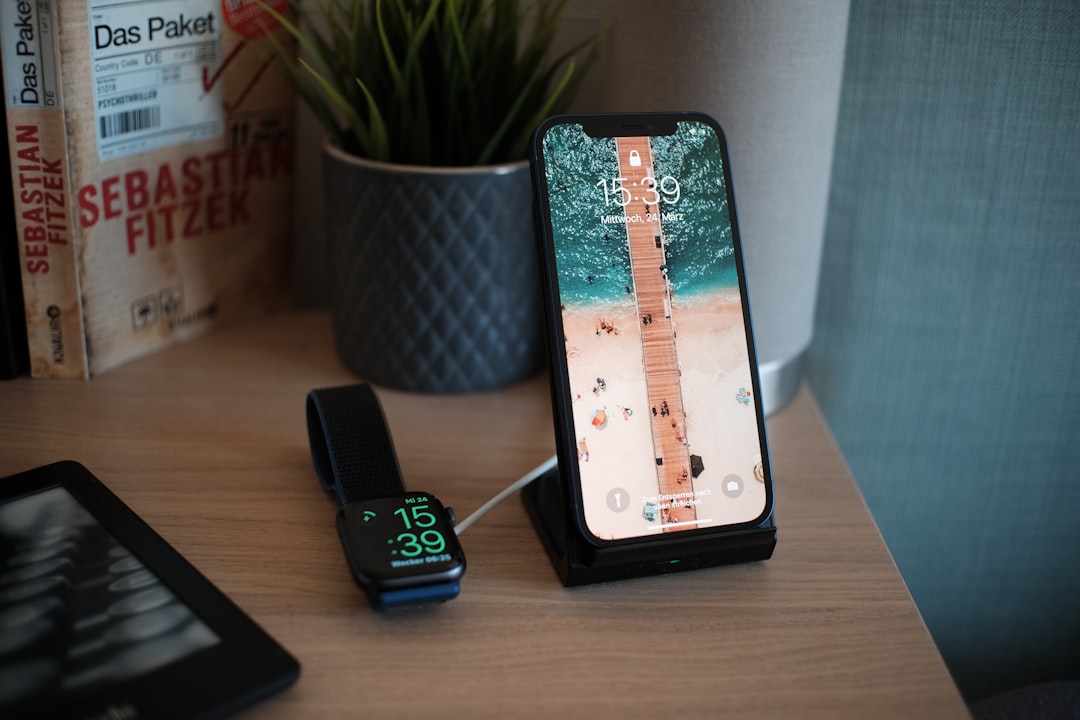
One thing I noticed across all five watches: charging management becomes a real thing when you’re juggling multiple devices. The watches that charged fastest — the CMF and Amazfit, both topping up in under 90 minutes — were noticeably less annoying than the Galaxy Fit 3, which took nearly two hours for its smaller battery.
A dedicated charging stand for your nightstand seems like a small thing, but it genuinely improved my testing workflow. Having a consistent place to dock your watch overnight, where it can charge while tracking sleep, eliminates the “where did I leave it” problem entirely. If you’re buying a watch as a gift, throw one of these in the basket.
The Verdict: Which Budget Watch Is Right For You?
After thirty days of testing, the rankings depended heavily on use case. Here’s my simplified buying guide:
If you want the best all-around watch for under $70: The CMF Watch 3 Pro is the clear winner. It looks premium, tracks competently, has excellent battery life, and the display is genuinely beautiful. For most people, this is the watch to get.
If fitness accuracy is your top priority: The Amazfit Active 2 delivered the most reliable heart rate and step data in my testing. The premium version with sapphire glass is worth the extra $20 if you can stretch.
If you’re a runner: The Garmin Forerunner 55 wins on running features alone, assuming you can find it on sale. Garmin’s coaching ecosystem is unmatched.
If you want minimal footprint and excellent sleep tracking: The Fitbit Inspire 3 disappears on your wrist and provides the best sleep data in this group.
If you’re deep in the Samsung ecosystem: The Galaxy Fit 3 integrates seamlessly and offers the best display of any band-style tracker I’ve tested.
What I’d Actually Buy With My Own Money
If I had to pick one — and I mean really live with it for a year — I’d go with the CMF Watch 3 Pro. It’s the most balanced device in this test. It’s not the best at any single thing, but it’s good-to-great at everything, and it costs less than a nice dinner. The Amazfit would be my runner-up for anyone who trains seriously.
The one I’d skip is the generic smartwatch you’ve never heard of on Amazon for $25. You can browse budget smartwatches on Amazon and see dozens of them, but having tested a few for comparison purposes (they didn’t make this article’s final cut), the experience is universally disappointing. The screens are dim, the sensors are wildly inaccurate, the software is buggy, and the companion apps range from mediocre to genuinely concerning from a privacy standpoint.
Stick with established brands. A $69 CMF or a $79 Amazfit will give you 90% of the experience of a $300 watch. A $25 no-name special will give you 30% of the experience and frustration to spare.
The Bottom Line
The budget smartwatch market in 2026 is in a genuinely exciting place. The technology that was exclusive to premium devices two years ago — AMOLED displays, built-in GPS, competent optical heart rate sensors, multi-day battery life — is now available for under $70. You’re giving up polish, ecosystem depth, and third-party app support, but the core tracking experience is real.
If you’ve been waiting for budget wearables to get good enough to actually recommend, that moment has arrived. We’re seeing the same democratisation across the entire gadget space — from smart glasses finally finding their footing to AI hardware getting both cheaper and more capable. Just pick the one that matches your priorities rather than chasing specs on paper — the best budget smartwatch isn’t the one with the most features, it’s the one you’ll actually want to wear every day.