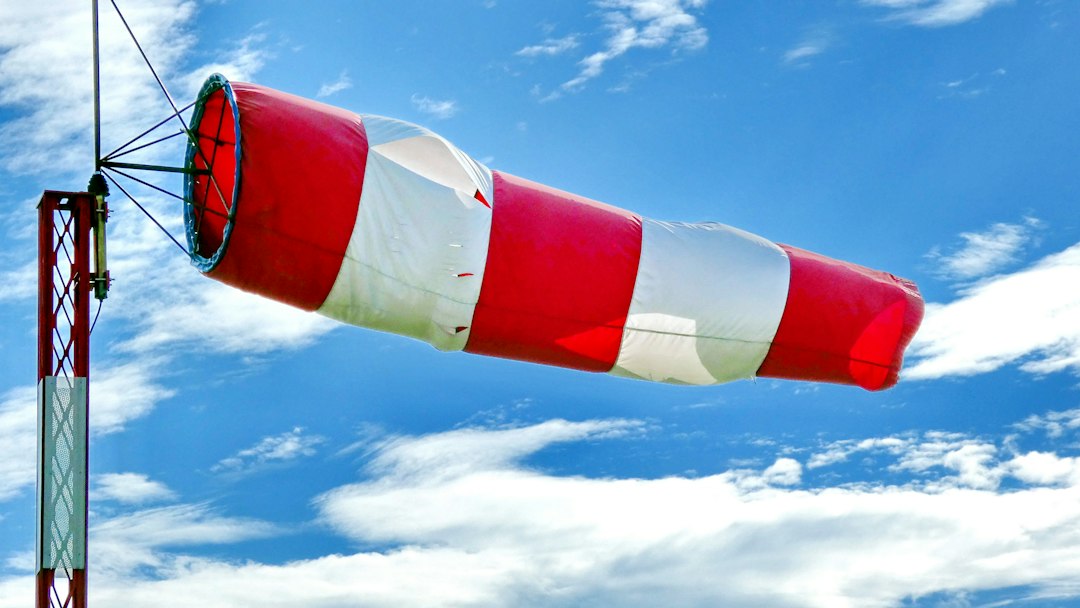
The forecast on my phone said zero percent chance of rain. Eight minutes later, a gutter two feet over my head dumped a month’s worth of water across the patio table, my notes, and a very unimpressed laptop bag. That was the afternoon I finally went looking for where my weather actually comes from.
The answer was humbling. The nearest sensor feeding my forecast sits at a regional airstrip twenty-one miles from my front door, on a flat expanse of mowed field that shares almost nothing with my tree-lined lot on the side of a hill. Every “current conditions” card on my phone was describing a place I’ve never lived. My house has its own microclimate — afternoon shade, a wind tunnel between the garage and the fence, a low spot where cold air pools like spilled milk — and none of it was in the data.
So the team and I did what we always do: we overcorrected. Over six weeks that happened to overlap the busiest stretch of storm season, we mounted five home weather stations around my property — one on the roof, two on poles in the yard, one on the fence line, and one that never left the workbench because it turned out to be a learning experience. Here’s what six storms, one hail scare, and a surprising amount of neighbor jealousy taught us about owning your own forecast.
Why the App Keeps Getting Your Street Wrong
Phone forecasts are built on a stack of models that carve the country into grid cells a few kilometers wide, then blend in ground truth from official stations — most of which live at airports, because airports need hyper-accurate wind and visibility readings. That’s great for pilots. It’s mediocre for you, because a grid cell averages out exactly the details that decide whether your tomatoes freeze or your patio floods.
Microclimates are real and they’re stubborn. Temperature swings of five degrees between a shaded yard and a sun-baked driveway are normal. Wind at rooftop height can double what you feel at the mailbox. And rainfall is the wildest variable of all — a single thunderstorm can drop an inch on one neighborhood and skid a half-mile around the next one. When people say “the radar lied to me,” what usually happened is the radar was right about the storm and wrong about their exact square of ground.
A backyard station fixes this in a way no app ever will, because the sensor stops being somewhere else. It joins the rest of the home-diagnostics pile — the phone thermal camera that found my duct leaks, the air-quality monitor that found my afternoon slump — gadgets that replace guesswork with your own data. It’s also the rare gadget that pays rent the moment the power blinks — during our fourteen-hour blackout last spring, knowing wind speed and barometric trend from a battery-backed station was the difference between worrying and planning. If you’ve been hardening your own setup along those lines, this is the natural next layer.
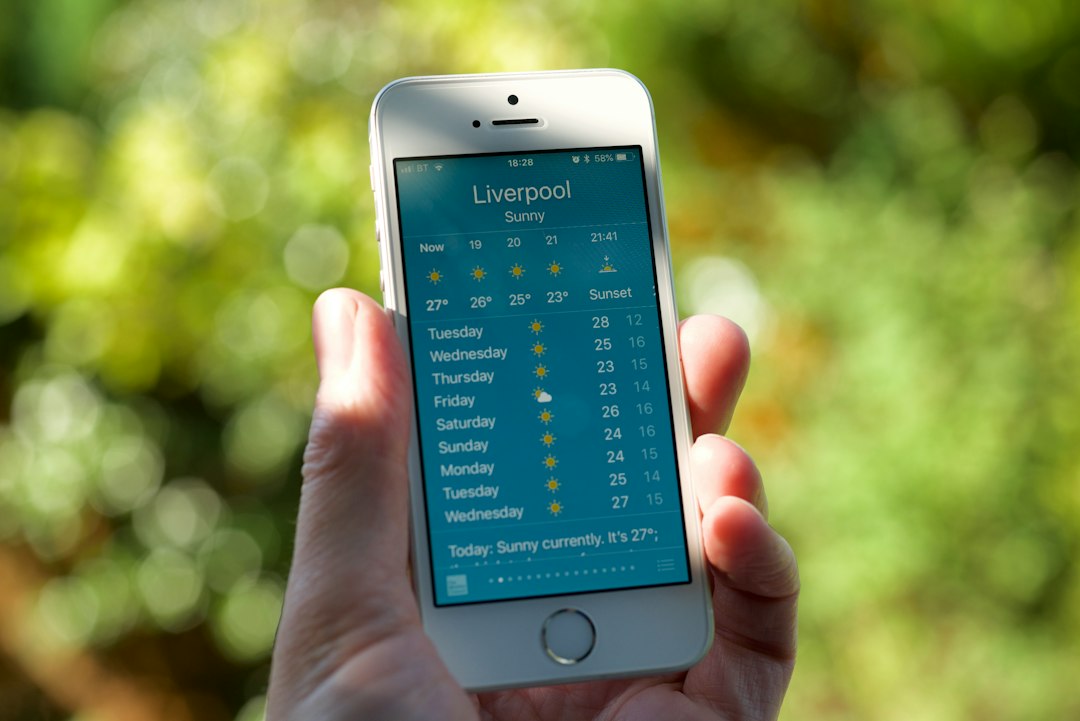
There’s a second payoff nobody advertises: your station starts feeding data back into the networks, and forecast models get measurably better for everyone around you. WeatherFlow, Weather Underground, and Ambient’s network all ingest consumer station data to sharpen their local predictions. Your $170 sensor array quietly upgrades the forecast for your whole ZIP code.
The Value Pick That Covers 90 Percent of the Job
If I could recommend only one station to a normal person with a normal budget, it’s the Ambient Weather WS-2902. For around $170 you get a single outdoor array that measures wind speed and direction, rainfall, temperature, humidity, UV, and solar radiation, plus an indoor console that shows all of it on one busy-but-logical screen. Setup took us twenty-two minutes, and that includes the time we spent arguing about which fence post to use.
The killer feature is free everything. Ambient’s network has no subscription tier to upsell you — your data uploads, history graphs, and smart-home hooks (Alexa, Google, IFTTT triggers like “close the irrigation when rain exceeds a tenth of an inch”) cost nothing, forever. In a year when it feels like every gadget in my house is asking for $5.99 a month, that matters more than any spec sheet.
Its honest weakness is heat soak. The temperature sensor lives in the same array as everything else, and in direct summer sun it can read three to five degrees high. The fix is cheap and boring: give it shade with a proper solar radiation shield and it tightens right up. Ours went from “charitably approximate” to matching a reference thermometer within a degree.
The One With No Moving Parts
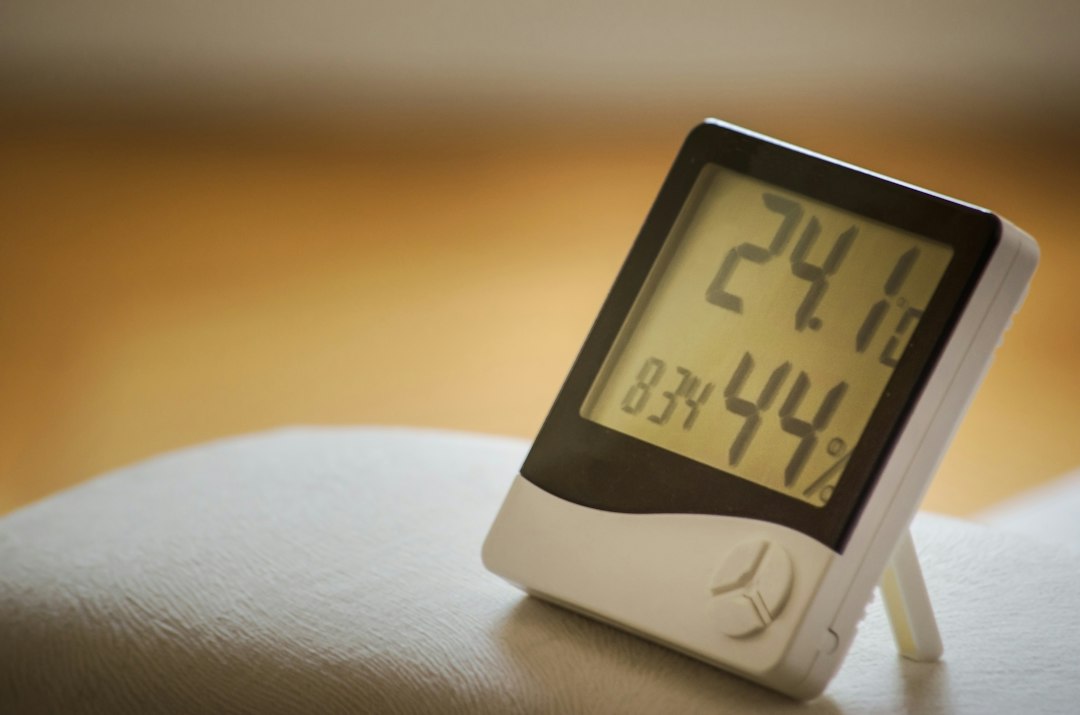
The Tempest Weather System is the station I’d buy with my own money, and it works on a genuinely different philosophy. There are no spinning cups, no tipping rain bucket, no fan. Wind is measured ultrasonically — the device listens for how sound skews across its top — and rain is estimated by listening to raindrops hit the top plate. Everything runs on a small solar panel and a supercapacitor, so there’s no battery to swap and nothing to freeze in January.
In six weeks, the Tempest’s readings tracked a county reference station more closely than anything else we tested, partly because the company runs an AI layer that learns your station’s biases and corrects them. It also has a lightning detector built in, which sounds like a gimmick until the first time it pings your phone “strike detected, 6 miles, northeast” while the sky is still blue. It bought my kid eleven minutes to get off the trampoline before the horizon went black.
Trade-offs, because there are always trade-offs: there’s no physical console — it’s app-first, full stop — and the list price is roughly double the WS-2902. If you live for a desk display, this will feel like half a product. If you live in your phone, it’s the whole product.
The Tinkerer’s Door In
Some readers don’t want an appliance, they want a platform. For you, it’s the Ecowitt GW1100 gateway — a $60-ish Wi-Fi bridge that talks to a whole la carte ecosystem of sensors. Start with temperature and humidity, then bolt on soil moisture for the garden, a PM2.5 air quality sensor, a lightning module, whatever your particular obsession demands. Home Assistant people treat Ecowitt gear like LEGO for a reason: everything speaks to everything and there’s no cloud dependency if you don’t want one.
The display-first alternative is the AcuRite Atlas, which pairs a professional-grade sensor array with a gorgeous HD color console. It’s the station my father-in-law understood instantly — no app required, big readable numbers, and it was the only console in the test that everyone in the house gravitated toward. AcuRite’s free platform does the smart-home tricks too, though the ecosystem is more closed than Ecowitt’s.
When It’s Worth Davis Money
Every hobby has a “buy once, cry once” tier, and in weather that’s the Davis Vantage Vue — the station you’ll find at volunteer observer sites, farms, and the occasionally obsessively equipped firehouse. We’ve come a long way from reading a rooster-shaped vane off the barn roof, but the instinct is the same: some people just want the real number. Davis costs real money, the console looks like a graphing calculator from 2003, and the data quality is simply a class above. Davis hardware is famous for surviving a decade outdoors with zero drama, and every part is individually replaceable.
Here’s my honest advice after six weeks: buy Davis if you’re reporting data anywhere official, if your livelihood depends on frost or wind, or if you’re the kind of person who already knows they’re that person. Everyone else is paying for accuracy they won’t notice and ruggedness they don’t need. The sub-$350 stations have closed most of the gap.

Where You Mount It Matters More Than What You Buy
I’ll say this plainly: most bad weather station reviews are actually bad installation reviews. A $350 station bolted under an eave will read worse than a $120 station standing alone in the yard. Temperature wants to sit around five feet over grass, far from walls, pavement, and your AC unit’s exhaust. Wind wants to be the tallest thing around, or as close as your marriage and your HOA will allow. The rain gauge wants open sky — one overhanging oak branch can skew rainfall by 40 percent, which we confirmed the hard way with a garden hose and a very patient afternoon.
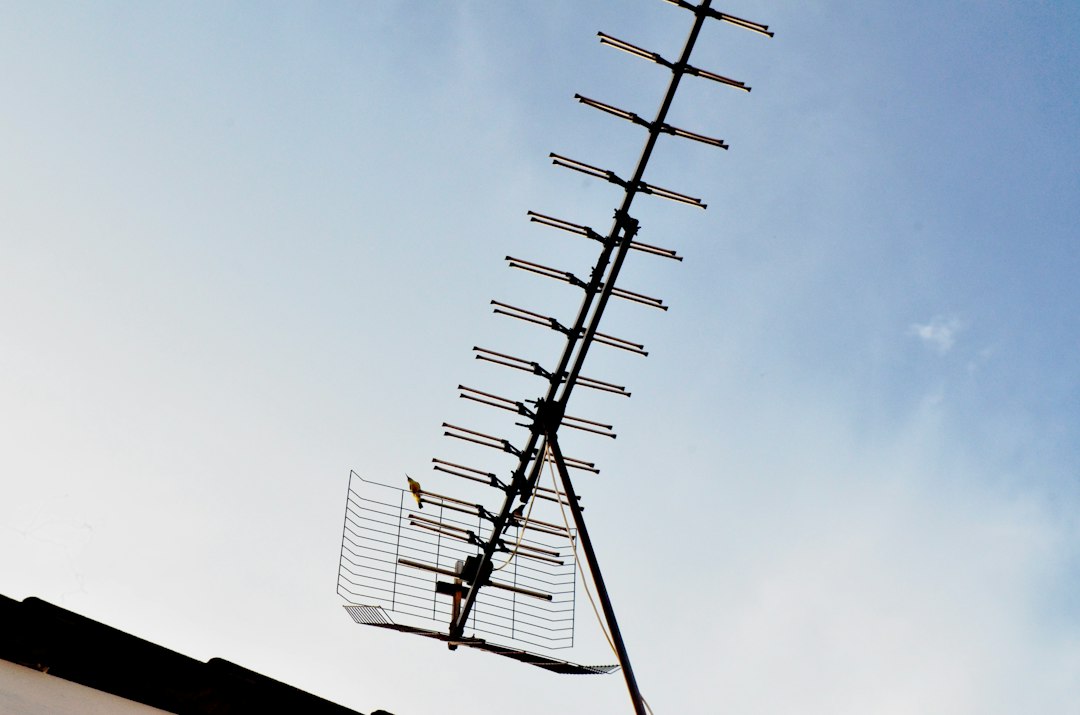
Don’t freestyle the hardware either. A proper J-pole mounting kit costs about as much as a pizza and solves the three problems every first-timer hits: getting the array above the roofline, keeping it plumb, and making it survive the first big wind without becoming a story. Our roof unit has now shrugged off two storms that bent the cheap flag bracket I originally “saved money” with.
The Lightning Question
Built-in lightning detection was my favorite surprise of the test — the Tempest’s was reliable out to roughly ten miles and eerily specific about direction. But you don’t need to buy a whole station to get the safety benefit. A standalone unit like the AcuRite 02020 portable lightning detector tracks strikes out to 25 miles, runs on two AAs, and lives in the pool bag or the tractor cupholder. It’s the single cheapest piece of weather tech I’d call genuinely load-bearing, especially if you coach outdoor sports or work outside.
Storm awareness pairs naturally with the rest of a hardened house. Knowing a cell is 20 minutes out is what lets the smart home do its job — closing blinds, topping off battery banks, deciding whether the robot mower finishes its row or docks now. Weather data is the trigger; everything else you’ve built is the response.

The Five-Year Math (Nobody’s Subscription Required)
Here’s the part I always end up caring about most: total cost of ownership. Every station in this test runs on free platforms. No subscriptions, no premium tiers you’ll actually need, no “premium forecast” paywall — the anti-subscription streak we’ve kept on everything from security cameras to family calendars holds up beautifully here. WeatherFlow, Ambient Weather Network, Ecowitt, and Weather Underground all take your data for free and give back dashboards, history, and API access without asking for a credit card.
The other half of long-term cost is repairability, and this category is refreshingly honest about it. The WS-2902’s entire outdoor array is a single replaceable part — when a hailstone eventually takes out the anemometer in year four, a replacement sensor array snaps on in ten minutes without touching the console or your history. Tempest replaces units under a two-year warranty that people report is painless. Davis sells every screw individually, which is exactly what you’d hope from the premium tier.
Which One Earned the Roof
After six weeks and six storms, the rankings shook out like this. The Tempest stays on my roof permanently — it’s the most accurate, the lowest maintenance, and the lightning alerts alone earned it the spot. The WS-2902 is what I’m buying my sister, because she wants “set it and forget it” for the price of a nice dinner. The Ecowitt gateway went to a friend who’s already drawn his Home Assistant floor plan; the Atlas console is now the kitchen’s unofficial family dashboard, which is a stronger endorsement than any spec table.
And that’s the real answer. The best home weather station isn’t the one with the most impressive spreadsheet numbers — it’s the one whose data shape matches how you live. App-first people should buy the Tempest, smart-home builders should buy the WS-2902, tinkerers should start with Ecowitt and let the sensor collection grow like mine did. But all of them beat the thing I had before, which was a forecast for an airport I’ve never visited, twenty-one miles away, describing weather that wasn’t mine.
The sky over your house is its own country. Might as well station an ambassador there.