
I’ve been covering Google hardware launches since the original Pixel back in 2016, and I’ve learned something over those ten years: the company’s product events have a rhythm. Some years it’s all software and incremental bumps. Other years, like today, Google walks on stage and empties the entire parts bin. The Made by Google 2026 event in New York just wrapped, and between the Pixel 11 family, the Pixel Watch 5, a surprise item tracker, and a smart speaker that’s been six years in the making, there’s a lot to unpack.
I had people on the ground at the event and others watching the stream back at the office. What follows is our combined first take on everything Google announced, what’s genuinely worth your attention, and where I’d spend my own money after spending a day with the spec sheets and early hands-on sessions.
The Pixel 11: No Longer the Bargain, Still the Smart Pick

Let’s address the elephant first. The Pixel 11 starts at $899. That’s a hundred dollars more than last year’s Pixel 10 launched at, and it changes the calculus. For a long time, the base Pixel was the “smart money” phone — you got 90% of the Pro experience for 60% of the price. At $899, the gap narrows enough that you have to think harder about the upgrade.
That said, the base Pixel 11 is a better phone than the Pixel 10 in almost every measurable way. The Tensor G6 chip is 25% faster for browsing and 20% more power efficient. The camera bar is now all-glass and 40% thinner — when you snap an official case on it, the bar practically disappears, which addresses one of the most common complaints about the design language. The 48MP primary sensor pulls in 56% more light, and the 5x telephoto now reaches 30x with SuperRes Zoom. Google also bumped baseline storage to 256GB and added 12GB of RAM as standard. The colors this year are genuinely striking — Hibiscus is a red-pink that photographs beautifully, and Pistachio is the kind of soft green that’ll sell out first.
Qi2.2 wireless charging is the sleeper feature here. At 25W, it’s up to 25% faster than last year’s wireless charging, which means you might actually stop plugging your phone in at night. Pair it with a Anker Prime 25W Qi2.2-certified 3-in-1 foldable charger and you can top off your phone, watch, and earbuds simultaneously. There’s also the more budget-friendly Amazon Basics 25W Qi2.2 charging pad if you just need a single-device puck.
If you’re picking up a Pixel 11, do yourself a favor and grab a case immediately. The SPIDERCASE magnetic case for Pixel 11 offers MagSafe-compatible protection that works with the new Qi2.2 charging standard, and the all-glass back is genuinely slippery without one.
Pixel 11 Pro and Pro XL: Where the Real Innovation Lives
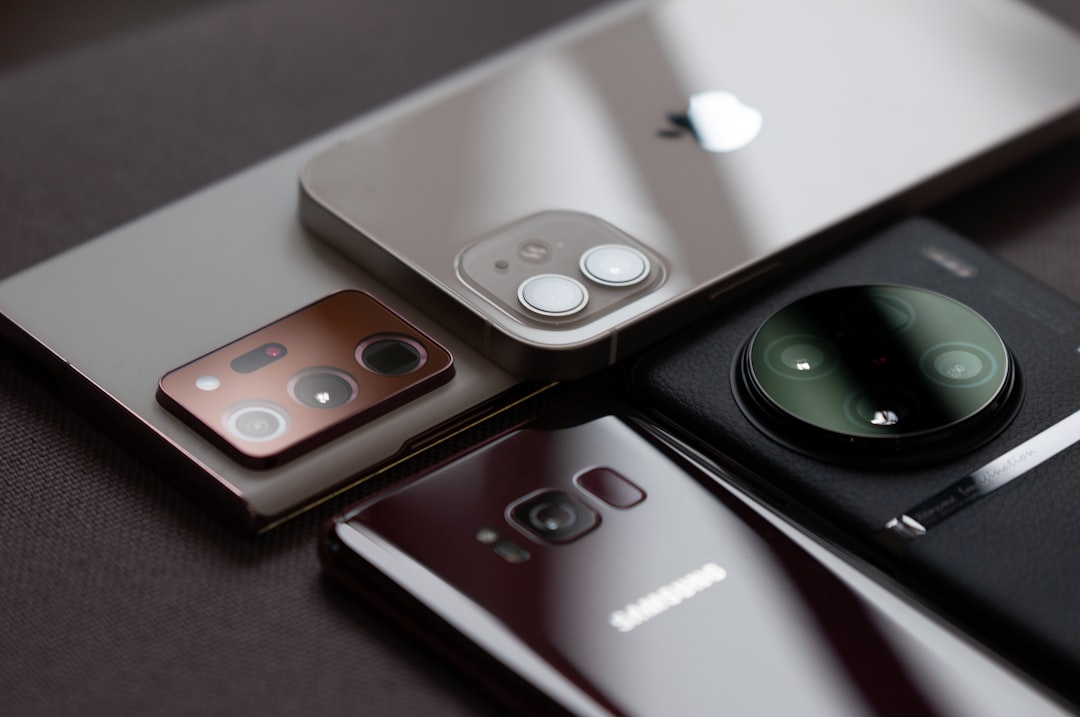
This is where things get interesting. The Pixel 11 Pro ($1,099) and Pro XL ($1,299) got the same $100 price bump, but they also got the most genuinely new feature in the entire lineup: HiLight. It’s a ring of ambient LEDs built into the camera bar that replaces the temperature sensor nobody was using. When you say “Hey Google,” the HiLight pulses to show it’s listening, then shifts patterns while Gemini thinks. You can assign custom colors to favorite contacts so the phone glows differently when specific people call — even when it’s face down on the desk.
I wrote about the Pixel 11 Pro leaks last week and mentioned the MediaTek M90 modem as the real story. After today’s hands-on sessions, I’m even more confident that’s true. The team tested call quality in a notoriously bad-signal area near the venue, and the Pro held onto LTE where previous Pixels would have dropped to emergency-only. That’s the modem upgrade in action. If you’ve been a Pixel fan who switched to Samsung or Apple because of connectivity issues, this is the generation to come back.
The camera hardware got a meaningful bump too. The Pro models get a new 50MP wide sensor, a 48MP telephoto with 30% more light sensitivity, Portrait Mode at 5x optical, and 120x Pro Zoom. Instant Night Sight is up to 4.5x faster — the difference between “I’ll try to take a photo” and “I actually got the shot.” The Super Actua display hits 3,600 nits peak brightness with a new scratch-resistant coating that’s supposedly twice as tough as last year’s glass.
One thing to watch: the 256GB Pro models ship with 12GB of RAM (down from 16GB last year). Google credits software and silicon optimization for maintaining performance, but if you want 16GB, you’ll need to step up to 512GB or 1TB storage. For the FNTCASE MagSafe-compatible Pixel 11 Pro case or the wider selection of Pixel 11 Pro XL cases, the accessory ecosystem is already loaded — these cases were listed before the phones even launched.
Pixel 11 Pro Fold: Lighter, Tougher, Pricier

The foldable got the most dramatic physical changes. At 239 grams, it’s nearly 10% lighter than last year and 0.7mm thinner. Google is using a new glass fiber composite back that they describe as “nearly impossible to crack,” and the redesigned hinge better protects the inner display during drops. Combined, Google claims the new Fold is 3x more durable than its predecessor.
The inner display reaches 3,600 nits now, matching the Pro XL. The outer display is 20% brighter than last year. Bezels are thinner, the ultra-thin glass is thicker with dual anti-impact film layers, and the crease is noticeably less pronounced in person. The camera gets the same 48MP primary sensor upgrade as the rest of the line, and it includes HiLight as well.
At $1,899, it’s another $100 increase. But with 16GB of RAM and 256GB storage as baseline, plus a new glass-fiber back that actually addresses the durability concerns that kept me from recommending foldables to clumsy friends, the value proposition is stronger than the price tag suggests. The Spigen Slim Armor Pro MagFit case for Pixel 11 Pro Fold is already available and adds minimal bulk to an already-slimmer device.
Pixel Watch 5: The Health Upgrade I’ve Been Waiting For
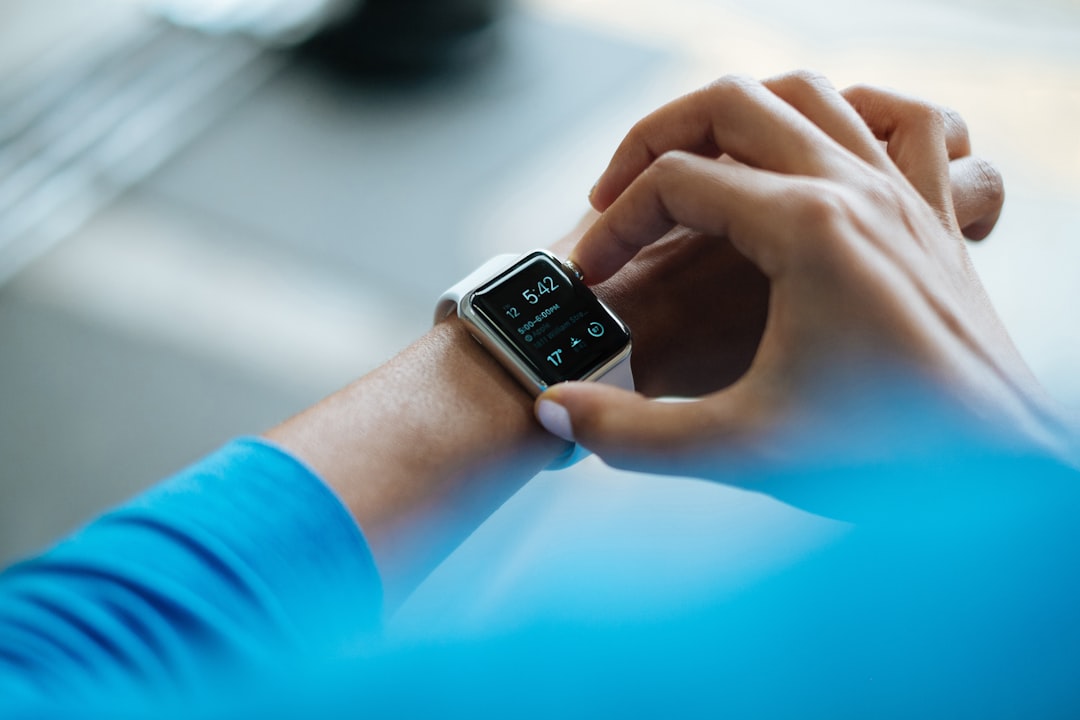
Hardware-wise, the Pixel Watch 5 looks almost identical to the Watch 4. Same Actua 360 display, same dome design, same sizes (41mm and 45mm). But Google did something smart this year — instead of redesigning the shell, they reinvested in the sensors and software. The Snapdragon W5 Gen 2 gets an “Accelerated” refresh with 12% more CPU, 50% more RAM (3GB total), and double the storage to 64GB.
The real story is what Google calls Health Guardian. The Watch 5 can track blood pressure patterns, insulin resistance indicators, and breathing emergencies. It adds a Readiness Score, Sleep Breathing Quality metrics, Smart Wake Alarms, and a revamped Morning Brief. Combined with AFib detection, loss-of-pulse monitoring, and cEDA stress tracking carried over from last year, this is the most comprehensive health sensor suite on any smartwatch that isn’t a dedicated medical device.
After spending months on my budget smartwatch shootout, I can tell you that the gap between a $69 CMF Watch and a $399 Pixel Watch 5 is enormous when it comes to sensor depth. If health tracking is your primary use case, the Pixel Watch 5 justifies the premium. Prices start at $399 for the 41mm WiFi model, with LTE versions at $499. The Google Pixel Watch Active Sport Band in Olive is a nice upgrade from the stock band, and there’s a wider selection of Pixel Watch 5 cases and screen protectors if you’re rough on your wearables.
Pixel Tag: Google Finally Built an AirTag Competitor
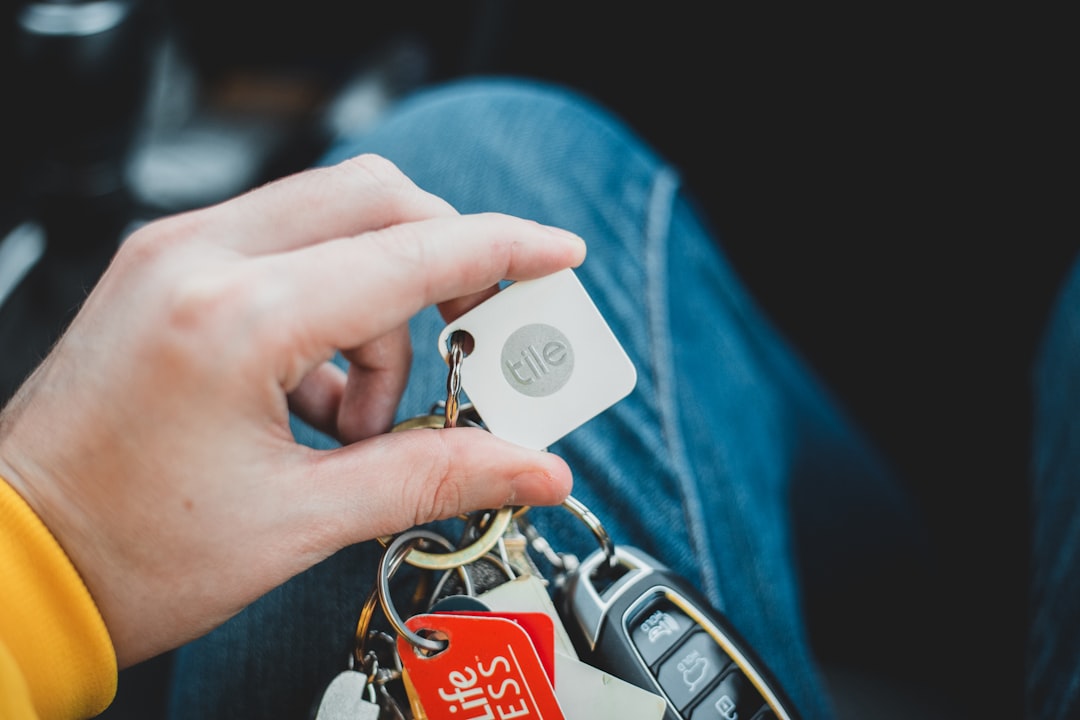
This is the announcement that got the biggest reaction from my team. After years of watching Apple’s AirTag dominate the item-tracker category, Google is finally entering the ring with the Pixel Tag. At $29 for a single tag or $99 for a four-pack, it’s priced identically to AirTags and uses Google’s Find Hub network — which now includes over a billion Android devices.
The hardware is solid: stainless steel construction that resists flexing and cracking, IP67 water and dust resistance, a speaker for finding nearby tags, and a reverse-find button that rings your phone when you’ve misplaced it. Ultra-Wideband with Bluetooth Channel Sounding enables precision finding with directional cues, which means you get the same “warm/cold” navigation experience that makes AirTags so effective. Battery life is rated at one year, and the battery is user-replaceable.
One thoughtful detail: you can locate and ring the tag from your Pixel Watch or ask Gemini on your Pixel Buds to find it. That ecosystem integration is exactly what Apple does well, and Google is clearly taking notes. The tags don’t ship until November 11, but if you want alternatives that are available now, the 2-pack Bluetooth tracker tags with Find Hub support are a solid budget option at roughly half the per-tag cost. You can also browse the full Pixel Tag selection on Amazon as third-party options appear.
Google Home Speaker: The Six-Year Wait Was Worth It
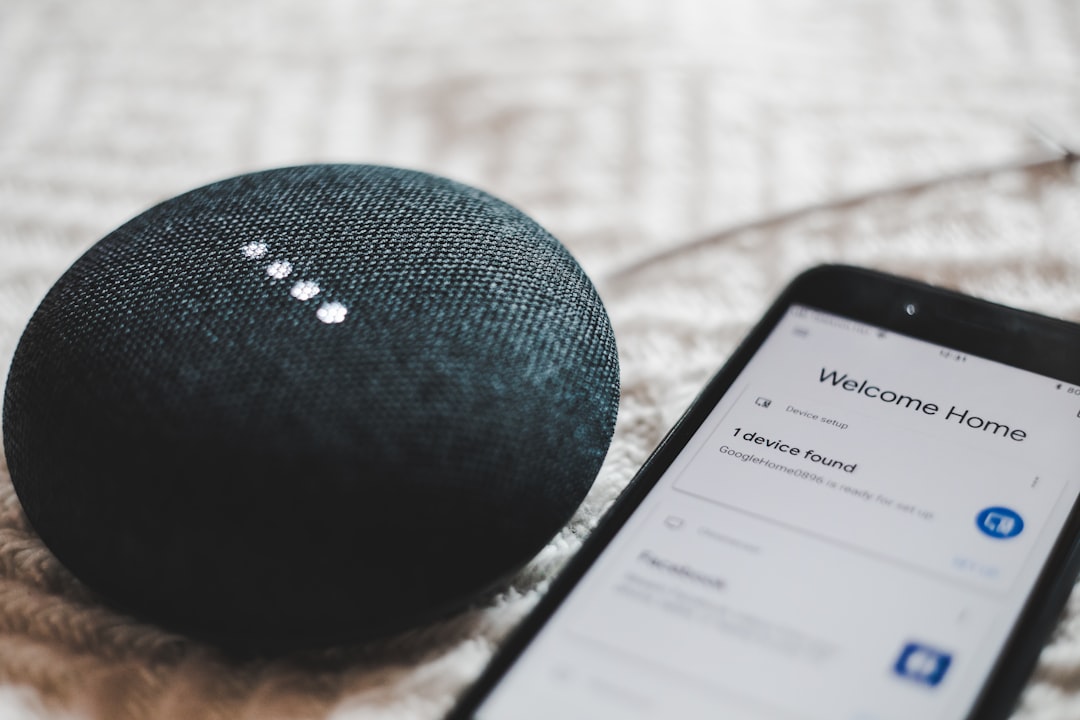
Google’s first new standalone smart speaker since the Nest Audio launched in September 2020. Nearly six years. In consumer electronics, that’s an eternity. The new Google Home Speaker arrived quietly in June at $99.99, but the Made by Google event put a spotlight on it — and for good reason. It runs Gemini Nano on a dedicated NPU, which means voice queries process on-device for natural, conversational interactions instead of the stilted command-and-response pattern of older Google speakers.
The WIRED review team has been testing one and the early verdict is positive. Gemini handles multi-step commands naturally — “set the living room thermostat to 75 and upstairs too” actually works. Gemini Live mode enables back-and-forth conversation, which is either delightful or slightly unsettling depending on your comfort level with talking to appliances. The speaker also acts as a Thread border router for your smart home, though the 1.3 spec is already showing its age.
If you’ve been living with a Google Home Mini or Nest Mini, the upgrade is significant. The sound quality alone justifies the $99 price — this is a room-filling speaker, not a hockey puck. Browse the current Google smart speaker lineup to compare options. And if you want the fastest wired charging for whatever phone you pair it with, the Anker Nano 30W GaN charger is small enough to live behind any nightstand.
The Charging Story: Qi2.2 Changes Everything
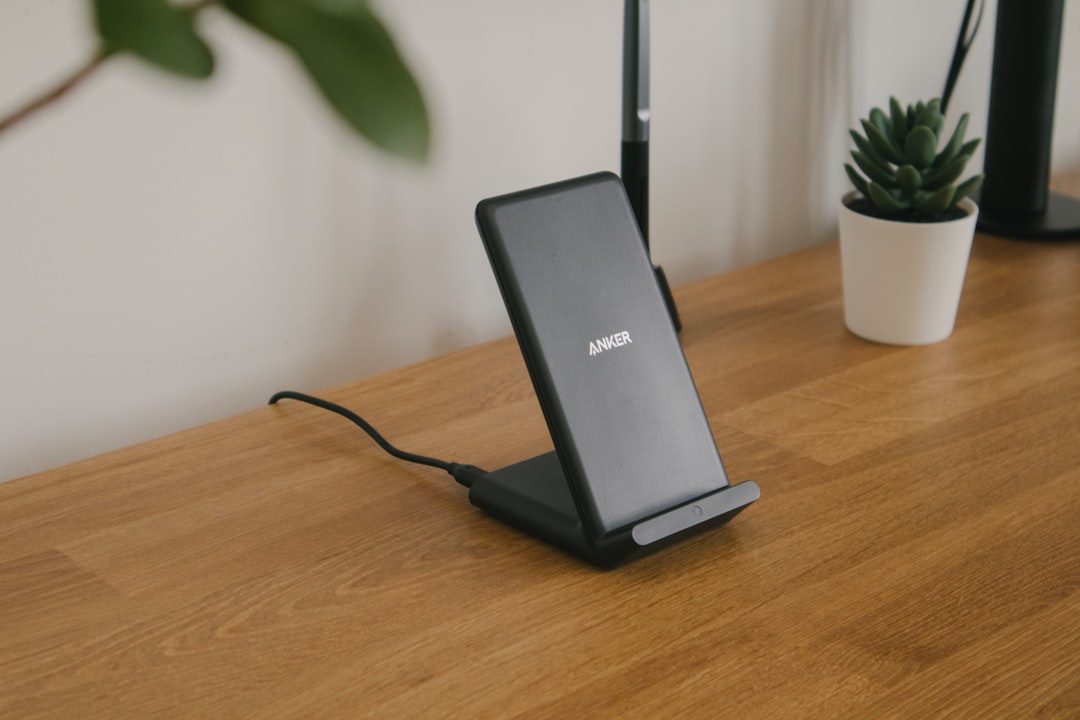
Every phone in the Pixel 11 lineup supports 25W Qi2.2 wireless charging. That’s the new standard pushing past Qi2’s original 15W ceiling, and it means wireless charging is finally fast enough to compete with wired charging for daily use. The Pixel 11 Pro XL can hit 75% battery in roughly 30 minutes over a wired connection, but the wireless speed improvement means you can top up meaningfully during a 20-minute meeting.
I’ve been living the Qi2 desk life for over a month now and the difference is real. A good Qi2.2 pad on your desk means your phone is always topped off when you pick it up to leave. No more battery anxiety at 4 PM. The Pixelsnap accessory ecosystem (Google’s MagSafe-compatible magnetic alignment system) means the phone snaps into the perfect charging position every time.
What I’m Actually Buying
After digesting the full lineup, here’s where I’d put my own money. The Pixel 11 in Hibiscus is the sweet spot — you get the Tensor G6, the new camera sensor, 256GB baseline, and Qi2.2 for $200 less than the Pro. HiLight is cool but not $200 cool, and the modem upgrade is the same across all models. I’ll skip the Fold this year — it’s better, but $1,899 is still foldable territory, and I’d rather spend that money elsewhere.
The Pixel Watch 5 in 41mm WiFi is the other must-buy. Health Guardian’s blood pressure and insulin resistance tracking are features I actually want on my wrist, and $399 is the right price for a watch I’ll wear every day. The Pixel Tag four-pack at $99 is a no-brainer pre-order — I’ve got keys, luggage, a laptop bag, and my dog’s collar that all need one.
The Google Home Speaker is the wildcard. If you don’t own any Google smart speaker yet, it’s an easy $99 purchase. If you’re running a Nest Audio or even an original Google Home, the Gemini conversational features make the upgrade genuinely worthwhile — not for the sound quality alone, but for how much smarter the assistant has become.
One final note on pricing. We’re in the middle of what the industry is calling “RAMageddon” — a global memory cost spike that’s pushing up prices on everything from phones to laptops. Google’s $100 price bumps across the board reflect real component cost increases, not pure margin expansion. That doesn’t make the higher prices easier to swallow, but it does explain them. Samsung and Apple are in the same boat. If you were waiting for prices to come down, don’t hold your breath — this is the new normal for flagship tech in 2026.
Pre-orders are open today for the Pixel 11 family and Pixel Watch 5. Everything ships August 20. The Pixel Tag arrives November 11. If you’re the type who likes to have cases and accessories ready on launch day, I’d order those now — the best ones sell out within the first week.